































What Aged Care Marketing Actually Involves
Aged care marketing is the work of getting the right residents, home care clients, and workforce onto your books at a cost your provider can sustain. It covers Google Ads for adult children searching for care during a crisis, SEO so your facility or home care brand shows up when families look for aged care near them, social campaigns that build brand awareness with the over-50s adult child demographic, content that explains a system most families find impossible, referrer relationships with hospital discharge coordinators and ACAT teams, and recruitment marketing for the workforce that makes the whole thing run. We've been doing this for Australian aged care providers for years, and the marketing that fills a residential home doesn't look anything like the marketing that grows a home care package book, and neither works the way a generalist agency assumes they should.
Marketing to Adult Children (the Real Decision-Makers)
The person needing aged care rarely searches for aged care. In nearly every enquiry we see, the decision-maker is an adult child, usually a daughter, usually between 45 and 65, usually searching after work or late at night after a difficult conversation with Mum or a phone call from a hospital social worker. They're not shopping. They're trying to work out what to do next, how the system works, whether they're doing the right thing, and how much it's all going to cost.
This changes every part of the marketing brief. The messaging has to meet them in that emotional moment without being saccharine. The website has to answer the questions they're too embarrassed to ask. The Google Ads copy has to signal warmth and competence at the same time. The photography has to show real residents and real staff, not stock photos. And the forms have to be short enough that someone crying into their laptop at midnight can still complete them.
Home Care Package Marketing
Home Care Package marketing is its own game. The decision-maker is more often the older person themselves, sometimes with an adult child in a support role. They've been through an ACAT assessment, they've been approved for a Level 1, 2, 3 or 4 package, and now they're choosing a provider. The searches are different, the questions are different, and the sales cycle is different.
HCP clients are looking for value, flexibility, and a provider who will actually show up. They want to know what your package management fee is, whether they can choose their own workers, how quickly they can start, and whether you'll work with providers they already trust. Marketing that doesn't address these questions loses to the provider whose website does. We build HCP campaigns that capture searches for home care, home care packages, and home care providers in specific suburbs, and we make sure the landing pages address the cost, control, and start-date questions that actually drive the enquiry.
Residential Aged Care Marketing
Residential aged care marketing is a different kind of urgency. A family is often making the decision during a hospital discharge, a fall, a dementia escalation, or a carer breakdown. They have days, not weeks, to find a bed. Your marketing has to be visible, clear, and easy to act on at exactly that moment.
We build residential campaigns around the specific care types families actually search for. Dementia care. Respite care. Palliative care. Permanent residential. Short-stay. Veterans' care. Each of these has its own search intent, its own emotional weight, and its own conversion dynamics. We also build campaigns for specific locations, because almost nobody searches for aged care nationally. They search for aged care in the suburb where their parent lives, or where they live, or where the hospital is.
Aged Care SEO (KD 4, Trivial Win)
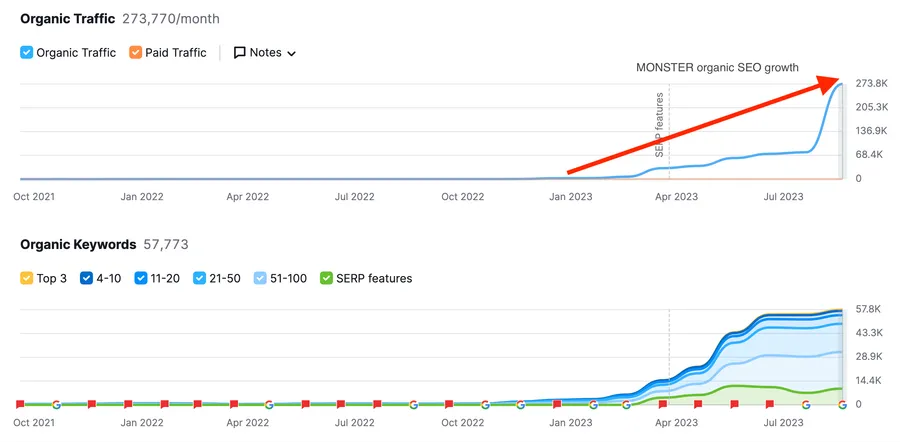
Aged care SEO is one of the easiest wins we see in healthcare. The keyword difficulty for aged care marketing sits around 2, aged care seo at 4, and related terms rarely push past the low teens. That means a well-structured site with proper local SEO, service pages for each care type, suburb-level landing pages, and decent content can rank inside 90 days with a modest backlink profile. Most aged care providers are sitting on websites that were built five or ten years ago by a generalist agency that didn't understand the sector, and the gap between those sites and a properly optimised one is enormous.
Our aged care SEO program starts with a technical audit, then rebuilds the information architecture around care type and location, adds structured content that answers the questions families actually ask, and builds local citations and links in the places that matter for healthcare and aged care authority. It's not complicated work, but most providers don't do it, which is exactly why ranking in this sector is a 30-day play for anyone willing to do the fundamentals properly. We break down the full approach on our dedicated aged care SEO page.
Aged Care Website Design
Most aged care websites are built for the provider, not the family. They lead with history, leadership photos, and awards. The family who's landed there at 11pm doesn't care. They want to know what care you offer, where you are, what it costs, how to book a tour, and whether their parent will be safe.
We build aged care websites around the family's actual journey. Clear care type navigation. Proper location pages. Virtual tours or high-quality imagery of rooms, dining, and common areas. Plain-language explanations of RADs, DAPs, daily fees and means-tested care fees. Simple enquiry forms. Easy tour booking. Star rating context where it helps. Real staff and real residents wherever privacy allows. The sites we build convert tour enquiries at multiples of what the old brochure-style provider sites manage.
Aged Care Google Ads & Facebook Ads
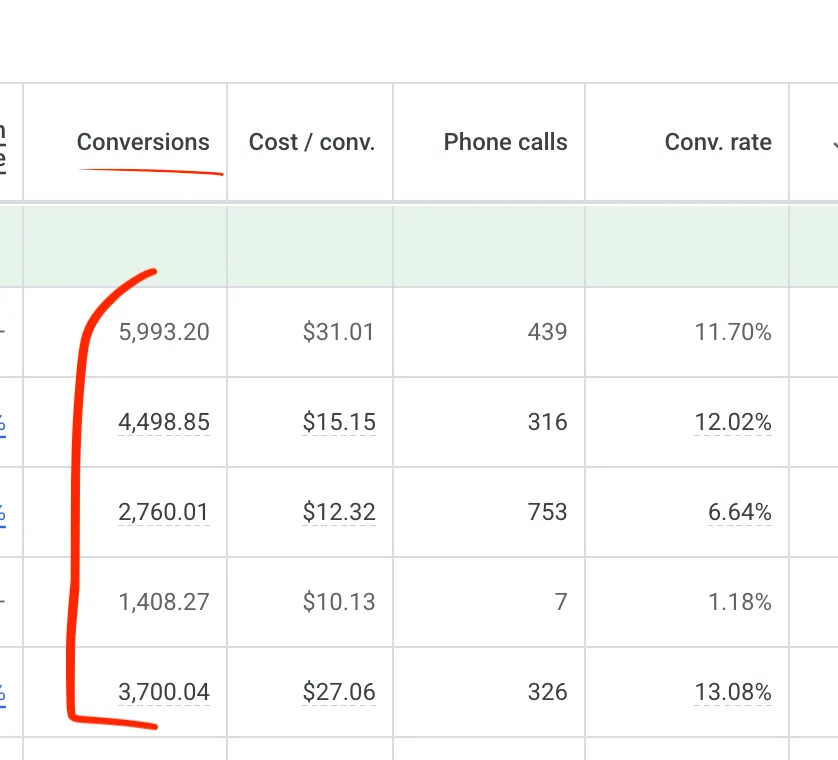
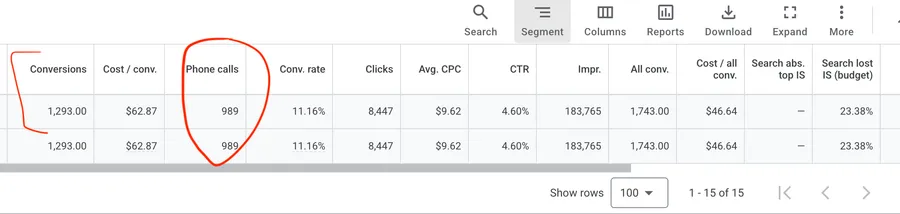
Google Ads for aged care is a high-intent channel. When someone searches aged care near me or home care package providers, they're not browsing, they're deciding. We build campaigns that capture these searches with conversion-focused landing pages, proper call tracking, and creative that signals warmth and professional competence in the first two lines of ad copy.
Facebook Ads in aged care is a different job. It's not demand capture, it's demand creation. We run awareness campaigns to the 45-65 adult child demographic, using video content that shows real facilities and real conversations, building brand familiarity months before a family starts searching. Facebook is also where recruitment marketing pays for itself, because the aged care workforce lives on social media in ways the clinical workforce doesn't. We run both in parallel for most clients, because one channel feeds the other.
Workforce Recruitment Marketing (Huge for Aged Care Providers)
Nearly every aged care provider we work with has a workforce problem before they have a resident problem. Registered nurses, enrolled nurses, personal care workers, lifestyle coordinators, and home care workers are all in short supply, and the providers who win are the ones who market their employer brand as seriously as they market to families.
Our aged care recruitment marketing runs across LinkedIn, Facebook, Instagram, Google, and Seek. We build careers pages that show what it's actually like to work at your facility, not just a list of open roles. We run video campaigns featuring real staff talking about real work. We optimise for recruitment-related searches like aged care jobs near me and PCW jobs. For multi-site providers, this usually pays back faster than any resident-acquisition campaign, because every unfilled shift is a direct cost and every agency hire is a margin killer.
Aged Care Quality Standards & Compliance in Advertising
Aged care advertising sits inside a compliance frame most generalist agencies don't understand. The Aged Care Quality Standards, the Aged Care Quality and Safety Commission, and the broader consumer protection framework all shape what you can say and how you can say it. Claims about clinical outcomes, star ratings, comparisons to other providers, and testimonials all need to be handled properly. Before-and-after content involving residents needs explicit consent and dignity considerations. Photography and video need informed consent from residents and families.
We review every campaign, every ad, and every piece of website content against the relevant standards before it goes live. We've worked with enough aged care providers to know which claim types attract complaints, which phrasing keeps you on the right side of the Commission, and how to communicate quality without overstating it.
Why Generalist Agencies Fail Aged Care Providers
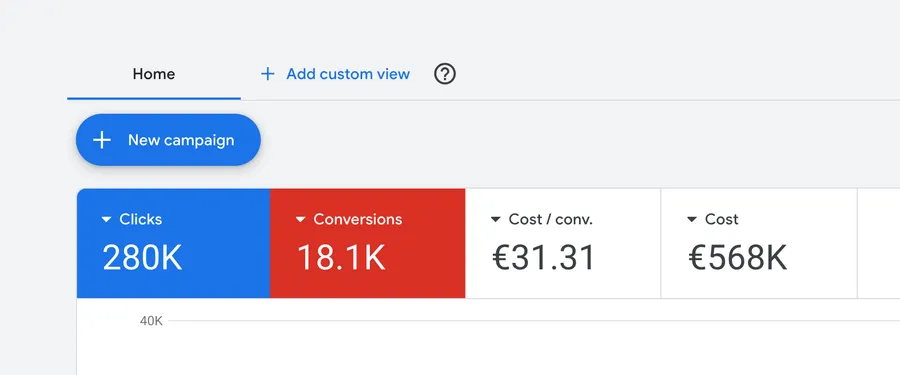
A generalist agency will treat an aged care provider the same way they treat a restaurant or a gym. They'll chase broad keywords that don't convert, build websites that hide pricing behind contact forms, write ad copy that's either too corporate or too salesy, ignore the compliance overlay, and underinvest in the recruitment side of the brief. We've rebuilt dozens of aged care campaigns after a generalist has finished with them, and the pattern is always the same. Thin content. No local SEO. No segmentation between residential and home care. No recruitment integration. No understanding of the adult child decision journey. Our team fixes all of it, and because the keyword difficulty in this sector is so low, the results usually show up inside the first 60 to 90 days.