








Family Decision-Maker Focus
Adult children and family members drive most aged care searches. Our content strategy is built around how families research, compare, and evaluate care options for their loved ones.
When adult children research care options for their parents, they turn to Google. They search for residential aged care, home care packages, respite care, and dementia services in specific locations. With a decade of healthcare SEO experience, we build strategies that help aged care providers rank for these searches and convert family researchers into genuine enquiries.
Trusted by 100+ Australian and Global businesses in healthcare
Healthcare SEO Specialists
Aged care SEO requires understanding family decision-making, multi-location strategies, service-specific content, and compliance-sensitive communication. General SEO agencies miss these nuances.
Adult children and family members drive most aged care searches. Our content strategy is built around how families research, compare, and evaluate care options for their loved ones.
Residential care pages need to address what families want to know: accommodation types, care levels, lifestyle programs, clinical capabilities, and what daily life looks like. We build pages that answer these questions and rank for residential care searches.
Home care packages are increasingly sought after as families look for alternatives to residential care. We create content targeting home care package searches at every level, from basic support through to high-level clinical care at home.
Respite care searches often come from families in urgent situations. We build content that captures these time-sensitive searches and makes it easy for families to understand availability and next steps.
Dementia care is one of the most emotionally charged areas of aged care search. We create sensitive, informative content about memory support, dementia-specific programs, and specialised care environments.
Aged care is inherently local. Families search for care near their parent or near themselves. We build location-specific pages for each facility and service area to capture these geographic searches.
Many aged care enquiries originate from hospital discharge planning or GP referrals. We build content that supports these referral pathways and captures searches from families navigating the post-hospital care transition.
Aged care content needs to be accurate, compassionate, and compliant with sector regulations. We ensure all content meets advertising standards while providing the genuine information families need to make decisions.
Monthly reporting tracks keyword rankings, organic traffic, and enquiry volumes from organic search. You see which services and locations are generating interest and where opportunities remain.
How We Work
A structured SEO process designed for aged care providers with multiple locations, diverse service offerings, and content that needs to connect with family decision-makers.
In-depth audit of your website covering site architecture, page speed, mobile performance, indexation issues, and technical factors that may be limiting organic visibility across your service and location pages.
Research across residential care, home care, respite, dementia care, and other services mapped to each facility location. Prioritisation based on search volume, competition, and enquiry value.
Development of service pages, location pages, and educational content designed to answer the questions families actually ask when researching aged care options.
Optimisation of existing pages including metadata, internal linking, heading structure, and content improvements. Site architecture adjustments to help search engines understand your service and location structure.
Continuous monitoring, content updates, and technical improvements. Monthly reporting tracks rankings, traffic, and enquiries across each service type and location.
The Complete Guide
Aged care SEO has unique dynamics that general SEO agencies consistently miss. Understanding family search behaviour and the decision-making process is essential.
The most important thing to understand about aged care SEO is that the searcher is almost never the person who will receive care. Adult children, typically aged 45 to 65, conduct the vast majority of aged care research online. They are often juggling work, their own families, and the emotional weight of finding care for a parent. Their search behaviour differs fundamentally from someone researching healthcare for themselves: they tend to research in short bursts during lunch breaks or after the children are in bed, they open multiple provider tabs in a single session, and they involve siblings and partners in the decision, meaning your content may be shared via email or group chat before anyone picks up the phone.
This changes everything about how content should be written. The language needs to address the concerns of someone making a decision on behalf of someone else. They want to know their parent will be safe, comfortable, and well-cared-for. They want to understand costs, care levels, and what daily life looks like. They want reassurance that they are making the right choice. Pages that speak only to the person receiving care miss the audience entirely, because that person is rarely the one researching providers online.
Our aged care marketing strategy is built around these family decision-maker dynamics. Page titles, meta descriptions, headings, and body content all speak to the person doing the research, not the person receiving care. We structure pages so that the information families need most, such as care types, availability, and how to arrange a visit, appears early and is easy to scan during those rushed research sessions.
Residential aged care searches are high-intent and location-specific. Families searching for "aged care homes in [suburb]" or "residential aged care near me" are actively looking for options. These searches represent immediate enquiry opportunities for providers who rank well locally.
Effective residential care pages need to go beyond listing room types and care levels. Families want to understand the environment: what does daily life look like? What activities and programs are available? How does the facility handle health events? What clinical capabilities are on-site? How does the facility support residents with dementia or complex care needs? They also want to see evidence that the facility meets the Aged Care Quality Standards, and content that reflects those standards reassures families that your organisation takes quality and safety seriously.
We build residential care pages that address these questions comprehensively. Each facility gets a dedicated page targeting its specific location, with content that helps families understand what makes your care different and what their loved one's experience will be. These pages incorporate virtual tour prompts, downloadable facility guides, and clear calls to action that make it easy for families to book an in-person visit or request a callback.
Home care packages are increasingly popular as families look for ways to support parents to stay at home longer. Searches for home care packages, in-home aged care, and domestic assistance are growing year on year as the population ages and government policy shifts toward home-based care. The introduction of the Support at Home program has further increased search volume as families try to understand what has changed and how the new system works.
Home care content needs to explain the different package levels, what services are included, how funding works, and how your organisation delivers care at home. Many families are navigating the My Aged Care system for the first time and need clear, practical information about how to access and use a home care package. Content should also address common questions about package waiting times, how unspent funds are managed, and what happens if care needs increase beyond the current package level.
We create content that addresses both informational queries about how home care works and commercial queries from families ready to choose a provider. This dual approach captures families at different stages of their research and positions your organisation as both an educator and a trusted care partner.
Respite care searches often come from families in urgent situations. A carer may be exhausted, unwell, or needing a break. A parent may have had a health event and needs short-term care while the family works out next steps. These searches tend to have immediate intent, which makes respite care one of the fastest pathways from search to enquiry in the aged care sector.
Respite care pages need to be clear about availability, what is included, and how quickly care can begin. Families searching for respite are often under stress and need straightforward information, not marketing language. We structure respite content to answer practical questions quickly while making it easy to make contact. Pages address both planned respite, where a carer books a break in advance, and emergency respite, where care is needed within days due to an unexpected situation.
From an SEO perspective, respite searches have strong commercial value despite lower search volumes than residential or home care terms. The conversion rate from respite search to enquiry tends to be high because the intent is immediate, and a positive respite experience frequently leads to longer-term residential or home care placement with the same provider. Content that addresses both the immediate respite need and the longer-term care conversation captures families at a pivotal decision point.
A significant portion of aged care enquiries originate from hospital discharge situations. A parent has been hospitalised, and the discharge team recommends aged care. The family needs to find a provider quickly, often within days. Hospital social workers and discharge planners may provide a shortlist, but families overwhelmingly turn to Google to research those recommendations and find additional options independently.
Content that addresses this pathway captures an important source of high-intent enquiries. Pages covering topics like "what happens after hospital discharge", "transitional care options", and "how to arrange aged care quickly" serve families at a critical decision point. They also support referral relationships with hospital discharge planners and social workers who may recommend your organisation. When your website clearly explains the post-hospital process, discharge teams are more likely to refer families to your site as a credible information source.
We build discharge pathway content that acknowledges the time pressure families face. This includes clear explanations of transitional care programs, how to fast-track an ACAT assessment when a patient cannot return home, what to expect during the first weeks of residential care, and how to coordinate with hospital teams. This content positions your organisation as a provider that understands the urgency of the situation and can move quickly to support families.
Dementia care is one of the most emotionally sensitive areas of aged care content. Families searching for dementia support are often dealing with fear, grief, and uncertainty. The content they find needs to be compassionate, informative, and practical. Dementia care searches also tend to have longer research cycles, as families may spend months learning about the condition and exploring options before making a care decision.
Effective dementia care content covers your approach to memory support, specialised programs and environments, staff training and qualifications, how you support families alongside residents, and what the transition into memory care looks like. This content needs to balance clinical credibility with emotional sensitivity. Families want to know their parent will be in a safe, purpose-designed environment with staff who understand dementia, not just generic aged care workers assigned to a memory support wing.
From an SEO perspective, dementia care searches have significant volume and relatively low competition compared to general aged care terms. Building strong dementia care content can establish your organisation as a specialist in this area, attracting families specifically seeking memory support services. We create content that addresses the full spectrum of dementia-related searches, from early-stage questions about diagnosis and what to expect, through to searches about specialised residential dementia care environments and end-of-life support.
Unlike most healthcare verticals where AHPRA governs advertising, the aged care sector is regulated by the Aged Care Quality and Safety Commission. This body sets the Aged Care Quality Standards that all providers must meet and monitors compliance through assessment and review. Content on your website needs to reflect these standards accurately and avoid claims that misrepresent the level or quality of care your organisation delivers.
From a practical SEO perspective, compliance-sensitive content means avoiding superlatives about care quality, not making unsubstantiated claims about outcomes, ensuring that descriptions of services and facilities are accurate and current, and presenting staff qualifications honestly. It also means keeping content up to date when standards change or when your services evolve, because outdated content that no longer reflects your actual offering creates both a compliance risk and a trust problem with families.
We build aged care content with these compliance requirements embedded from the start. Our team stays across changes to the Aged Care Quality Standards and ensures that all content we create or update reflects current requirements. This approach protects your organisation from regulatory scrutiny while also building the kind of transparent, accurate content that families trust and search engines reward through improved rankings.
Aged care costs are among the most searched and least understood topics in the sector. Families want to know what residential care costs, how the means-tested care fee works, what the difference is between a refundable accommodation deposit and a daily accommodation payment, and what government subsidies are available. These searches represent high-intent enquiries from families who are actively comparing providers and working through the financial dimensions of the decision.
Effective cost content does not list your specific fees, which change regularly and vary by room type and care level. Instead, it explains the fee structure clearly so families understand the components: the basic daily fee, the means-tested care fee, accommodation costs, and any additional service fees. Content that helps families understand the financial assessment process, what Centrelink and Services Australia need from them, and how to prepare for the financial side of aged care captures a significant volume of informational searches that competitors often ignore.
Home care package pricing content serves a similar function. Families want to understand how package funding works, what the provider charges for care management and administration, and how to compare value between providers. Transparent content about home care pricing positions your organisation as honest and straightforward, which is exactly what families want when they are entrusting you with a parent's care and a significant financial commitment.
Before a family can access government-subsidised aged care, their parent needs an assessment through the Aged Care Assessment Team (ACAT), now often referred to as an assessment under the single assessment framework. Many families searching for aged care providers are simultaneously trying to understand this assessment process. Content that explains how to request an assessment, what happens during the assessment visit, how to prepare, and what the different approval categories mean captures families at a critical early stage of their journey.
My Aged Care is the Australian Government's central resource for aged care information. While some providers rely heavily on My Aged Care for referrals, families consistently turn to Google before or alongside My Aged Care. Your website needs to rank in Google search results, not just appear in the My Aged Care service finder. Educational content explaining how My Aged Care works, how to navigate the assessment process, and how to choose a provider actually helps your SEO by capturing these informational searches.
Families who find your educational content while researching the system are more likely to consider your services when they are ready to choose a provider. Content that walks families through the full journey, from recognising that a parent needs more support, through the My Aged Care registration, the ACAT assessment, receiving approval, and choosing a provider, positions your organisation as the knowledgeable guide who was there from the beginning.
For residential aged care, the facility tour is the single most important conversion event. Families who visit a facility in person are significantly more likely to choose that provider. Your SEO strategy needs to connect organic search traffic to tour bookings, not just generate website visits that go nowhere.
Content that supports tour conversion includes virtual tour pages with video walkthroughs, photo galleries showing genuine daily life rather than stock photography, detailed descriptions of what families will see during a visit, and clear calls to action that make booking a tour simple. Pages should address practical concerns like parking, what to bring, whether the potential resident should attend, and how long a tour typically takes.
We build aged care content with conversion in mind from the start. Every service page, location page, and educational article includes appropriate next-step prompts that guide families toward a tour booking or direct enquiry. This approach ensures that the organic traffic your SEO generates translates into genuine enquiries rather than passive website visits. Download guides, callback request forms, and live chat options give families multiple ways to engage depending on their readiness to act.
Aged care is fundamentally local, but the search dynamics vary significantly between metropolitan and regional areas. In Sydney, Melbourne, and Brisbane, families often have dozens of providers to compare within a reasonable distance, and competition for organic visibility is intense. In regional centres like Ballarat, Bundaberg, or Tamworth, there may be fewer providers, but families search differently and often travel further for care, which changes the geographic targeting strategy.
Metropolitan aged care SEO focuses on suburb-level targeting. Families search for "aged care homes in [suburb]" and expect results within a manageable driving distance from their own home or their parent's current location. Each facility needs location pages that target its immediate suburb and surrounding areas, with content that reflects the local community and what families in that area care about.
Regional aged care SEO requires a broader geographic approach. A facility in a regional centre may serve families from across a wide catchment that spans multiple towns. Content needs to address the regional context, including proximity to local hospitals, access to visiting specialists, and how the facility connects residents with community services. State-based differences in aged care funding, assessment processes, and provider landscapes also matter. For example, aged care demand patterns in Queensland differ from those in Victoria due to population distribution, retirement migration, and climate-related lifestyle factors.
We build location strategies that account for these geographic differences, ensuring your organisation ranks in the specific areas your facilities serve. For providers operating across multiple states, we develop state-specific content that reflects local market dynamics while maintaining brand consistency. Our aged care marketing services combine this geographic precision with service-level keyword targeting to capture families wherever they are searching.
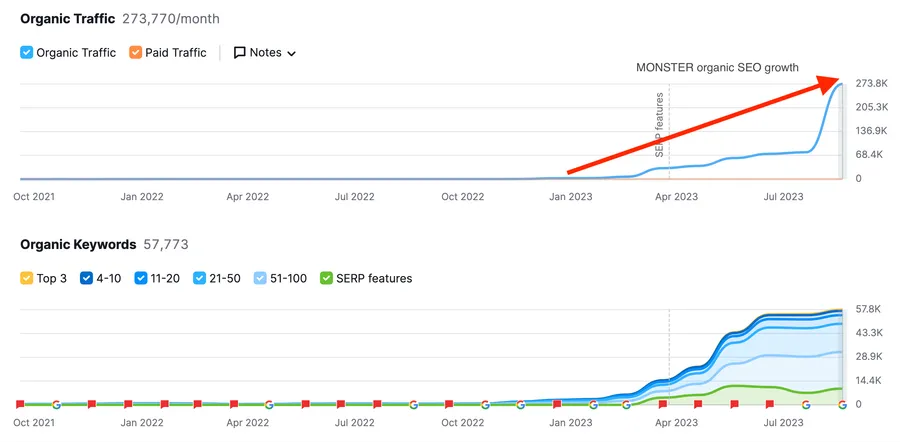
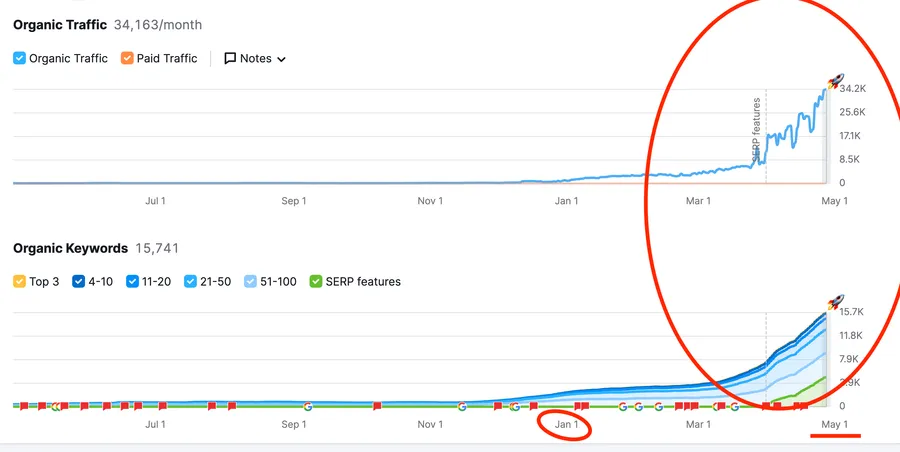
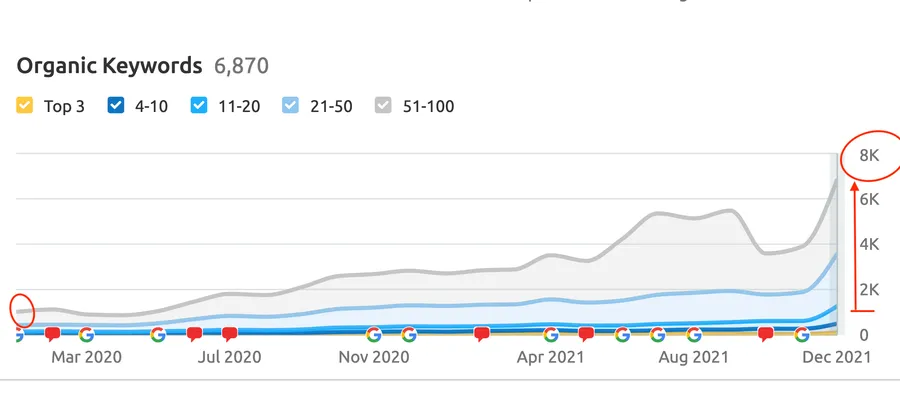
Medical Marketing Results
Case Study
“We went from launch to $1M ARR in seven weeks.”
Mitchell — Founder, Rumen
New telehealth clinic needed rapid patient acquisition and efficient operations to scale in the medical weight loss market.
Full-funnel digital strategy with automated bookings, patient management, and retention-focused campaigns.
350 to 6,500 patients in 15 months. $1M ARR in 7 weeks. 90% admin workload reduction through automation.
Client Results
Medical practices across Australia share how they transformed patient acquisition with AHPRA-compliant marketing that delivers measurable outcomes.
"Casey and his team have been a true partner to Better Rehab, helping to grow the business through successful campaigns. Casey shows high levels of expertise and we've been lucky to have him on board as the 'Marketing Engine'."
"We went from 350 to 6,500 patients in under 15 months. Admin load cut by over 90% and patient retention jumped by more than 450%."
"They have single-handedly grown my business. We're now turning away $60,000 every week in organic leads. Because, we just don't have the capacity."
"Since going with Casey and his team, we have had nothing but wins. They've got awesome results with low lead costs and have taken the time to really understand our business."
"If you're looking for a highly experienced, knowledgeable and ideas-driven marketing agency, look no further. He's helped transform our business from a fairly humble start-up to a fast growing service provider."
"Super impressed with his promptness, communication, professionalism, and knowledge of the full suite of digital marketing. You and your team are second to none!"
"As an experienced health professional I am a hard sceptic. Casey and his team over delivered on my project with an A+ website design having actively listened to every point I was seeking."
"Working with Casey and his team was nothing short of exceptional. The final product exceeded all expectations, both visually and functionally. It was a seamless experience from start to finish."
"Casey and his team were an absolute lifesaver. They understood exactly what our vision and goals were and did not fall short of delivering an exceptional piece of work."
"The communication was quick, clear and easily understandable. They balance patience and efficiency really well, resulting in a superb end product. Highly recommended."
"Casey was so empathetic and patient in listening to my ideas. He goes above and beyond. If you want a marketing agency that REALLY wants to help you grow your business, pick Casey and his team."
"Excellent company to deal with and their web design is incredible. Would use them again and again."
"They show high levels of expertise and we've been lucky to have them on board as the 'Marketing Engine'. Would definitely recommend to anyone looking to invest in growth."
Complete Aged Care SEO Management
From technical audits to family-focused content and location page strategies, we deliver comprehensive search optimisation tailored to aged care providers.
All content written for the people actually doing the research: adult children and family members making care decisions under emotional and time pressure.
Dedicated pages for residential care, home care packages, respite care, dementia care, palliative care, and other services you offer, each targeting relevant search terms.
Location-specific pages and Google Business Profile management for each facility, ensuring you rank in the geographic areas families are searching.
Optimisation and ongoing management of your Google Business Profiles including reviews, posts, Q&A, and multi-location management across all facilities.
Guides covering topics like understanding home care packages, navigating My Aged Care, what to look for in residential care, and supporting a parent with dementia. These pages capture informational searches and build trust.
Ongoing technical maintenance including crawl error resolution, page speed optimisation, schema markup for local business and healthcare services, and site architecture improvements.
Link building through aged care directories, healthcare listings, local citations, industry association profiles, and content-driven outreach relevant to aged care.
Detailed reports showing keyword rankings, organic traffic trends, and enquiry attribution across service types and locations. Reporting formatted for marketing teams and senior management.
Common Questions
What aged care providers ask us most about search engine optimisation for their websites.
Most aged care providers see measurable improvements in rankings and organic traffic within 3 to 6 months, with significant growth in enquiry volumes typically occurring over 6 to 12 months as location pages and service-specific content build authority. The timeline depends on your competitive landscape, the number of facilities you operate, and how established your current online presence is.
Yes. Multi-location SEO is a core part of our aged care work. Each facility gets its own Google Business Profile, unique content that reflects its local community and specific services, facility-specific schema markup for search engines, and location-targeted keyword strategies. We provide consolidated reporting across all locations so you can compare performance and identify growth opportunities at each site.
Yes. Our healthcare content team writes service pages, location pages, and educational content tailored specifically to aged care providers. All content is written with the family decision-maker in mind and complies with Aged Care Quality and Safety Commission standards. We provide content for your review before publication to ensure it accurately represents your services and approach.
With care and experience. Our team understands that families researching aged care are often making difficult decisions under significant emotional and time pressure. Content is written to be compassionate, informative, and practical without being condescending or overly clinical. We avoid exploitative emotional language while still acknowledging the weight of the decision families are facing.
They serve different functions and work well together. Google Ads delivers immediate visibility and enquiries from day one, while SEO builds long-term organic traffic that does not carry per-click costs. Most aged care providers benefit from running both channels, using ads for immediate enquiry generation while building organic presence that reduces cost per enquiry over time as rankings strengthen.
Absolutely. Home care package searches are growing year on year as more families seek alternatives to residential care and government policy shifts toward home-based support. We build content targeting home care searches at every package level, from basic domestic assistance through to high-level clinical care at home, capturing families at different stages of their research and assessment process.
Dementia care content requires particular sensitivity and clinical accuracy. We write content that addresses family concerns compassionately while accurately describing your memory support programs, specialised care environments, and staff training. Content covers the full spectrum from early-stage questions about diagnosis through to specialised residential dementia care and family support services.
Monthly reports cover keyword rankings by service type and facility location, organic traffic trends segmented by service area, and enquiry attribution from organic search. Reporting is structured for both marketing teams and senior management, with executive summaries that highlight growth opportunities and detailed breakdowns for operational decision-making across your facilities.
Yes. Google Business Profile optimisation is a key part of aged care SEO, especially for providers operating multiple facilities across different geographic areas. We optimise each profile with accurate service categories, manage reviews and posts, ensure consistent information across all locations, and coordinate multi-location profiles so each facility ranks in its own catchment area.
My Aged Care is an important referral channel, but families consistently use Google before or alongside the My Aged Care service finder. We create educational content that helps families navigate the My Aged Care system, understand the ACAT assessment process, and evaluate providers, while positioning your organisation as the knowledgeable, trusted choice. The two channels complement each other effectively.
Common issues include duplicate or near-identical content across facility pages, missing location-specific schema markup, poor mobile performance for family members researching on their phones, slow page speeds from unoptimised images and video, and thin service pages that lack the detail families need to make a confident decision. We audit and resolve these issues as part of our onboarding process.
Still have questions? We're here to help.
Book a free strategy callJoin the 100+ healthcare organisations our team has helped grow. Let us discuss how a structured SEO strategy can help your aged care organisation capture more organic enquiries from families researching care options.
Book a free strategy session with Australia's healthcare marketing specialists. No obligations, just actionable insights for your practice.
Start typing to search across all pages
No results found. Try a different search term.