










The Stigma Challenge
Hearing loss carries social stigma that search advertising alone cannot address. Many people resist seeking help because they fear what hearing aids might say about their age or capability. This stigma delays treatment for years, often until hearing loss significantly impacts quality of life.
Social advertising can help address this barrier. Normalising hearing care as routine health maintenance rather than disability treatment. Showing modern, discreet hearing aid technology. Featuring relatable scenarios that reduce the sense of isolation many hearing loss patients feel.
Reaching Family Influencers
Adult children often play a crucial role in hearing care decisions. They notice parents struggling in conversation. They research options. They sometimes book appointments and accompany parents to assessments.
Meta Ads can reach these family influencers directly. Content that helps them understand hearing loss signs. Information about how to encourage a reluctant parent to seek help. Resources that position your clinic as the supportive solution when families are ready to act.
Age-Appropriate Targeting
Hearing changes commonly begin in the 50s and progress with age. Meta's targeting capabilities allow us to reach these demographics with relevant content at the right life stage.
Campaigns targeting adults in their 50s might focus on getting a baseline hearing assessment. Those targeting older demographics might emphasise quality of life improvements and staying connected with family. Messaging adapts to the concerns and motivations of each age group.
Modern Technology Education
Many people's perception of hearing aids is outdated. They picture large, beige devices that whistle and look conspicuous. Today's hearing aids are vastly different: small, often invisible, Bluetooth-connected, and highly sophisticated.
Educational content about modern hearing aid technology can shift perceptions. Showing how discreet current devices are. Demonstrating smartphone connectivity and streaming capabilities. This education addresses a key barrier to seeking help.
Tinnitus Awareness
Tinnitus affects many Australians, often causing significant distress. Unlike gradual hearing loss, tinnitus can appear suddenly and is impossible to ignore. These patients are often actively seeking solutions.
Social campaigns can reach people researching tinnitus with information about assessment and management options, at the point they are motivated to find help.
Building Local Clinic Recognition
Audiology is local. Patients choose clinics near their home. Building brand recognition in your area means your clinic becomes the name people think of when hearing concerns finally prompt action.
Free Hearing Test Campaigns and the HSP-Eligible Audience
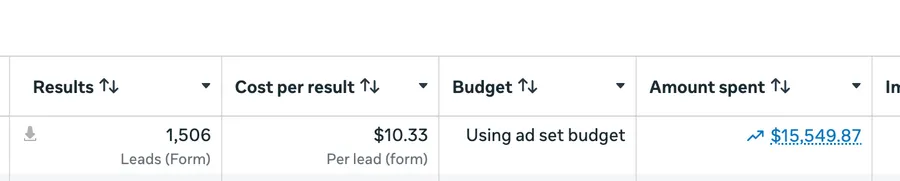
Facebook Ads for audiologists work particularly well as a vehicle for free hearing screening campaigns aimed at older local audiences. The patient cohort that qualifies for the Hearing Services Program skews older, often lives on fixed income, and responds to clear, practical information. They respond more strongly to community-positioned messaging from independent clinics that explain HSP entitlements clearly and offer a no-cost first step.
Community education campaigns also perform well in this segment. Posts explaining what the Hearing Services Program covers, what a diagnostic audiology assessment involves, and why a referral to an audiologist matters even when hearing loss seems mild all build engagement among the over-65 demographic and the adult children who help them navigate health decisions. Meta's age and geographic targeting allows campaigns to reach this audience within a defined catchment around your clinic without the budget waste that broader display advertising produces.
Reaching NDIS Audiology Participants and Families
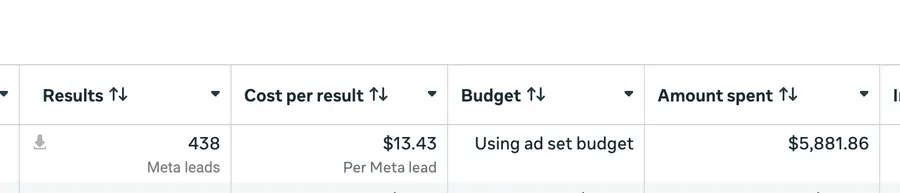
NDIS audiology marketing on Meta targets a different audience again. These services need distinct educational messages. Meta does not allow targeting by hearing condition or NDIS participation, so educational creative does the qualifying and reaches people researching those funding pathways. Content that explains what NDIS audiology funding covers, what your clinic provides under NDIS service agreements, and what reporting families and coordinators can expect from your audiologists generates qualified enquiries from a growing patient segment.
The creative for NDIS audiology Meta Ads needs to speak in plain language about practical considerations: registration status, paediatric versus adult capacity, availability for new participants, and how plan-managed versus self-managed funding works in your billing. Generic content saying we are an NDIS provider does not convert. Specific content explaining what NDIS-funded audiology looks like in your clinic does. We build NDIS-focused ad sets within broader audiology Meta campaigns so the messaging reaches the right families with the right framing without diluting the rest of the program.
TGA-Compliant Hearing Aid Creative on Meta
Hearing aids are medical devices included in the ARTG, and Meta is just as much an advertising channel as Google when it comes to the Therapeutic Goods Advertising Code. Facebook video creative showing a patient saying their new hearing aids changed their life is a therapeutic outcome testimonial under the Code. Carousel ads comparing two hearing aid brands on performance metrics are comparative claims. Ads promising specific hearing improvements with a particular device are outcome claims. All of these are problems regardless of which platform delivers them.
The compliant creative approach for audiology Facebook Ads focuses on the clinic, the clinician, and the diagnostic process. Video content showing the inside of the clinic, introducing the audiologists, and walking through what a first appointment involves builds trust without triggering Code issues. Educational content explaining how modern hearing technology has changed in the last decade stays inside the Code as long as it is framed as general education rather than promoting a specific device's performance. We script and review every piece of audiology Meta creative against the Code before production, which means the campaigns we launch tend to stay live.
Clear information for clients and family members
We use readable creative and practical appointment information for the person seeking care and anyone helping them research, explaining assessments and follow-up support without implying the viewer has hearing loss. Device claims stay consistent with the evidence and advertising requirements.