

































What Chiropractic Marketing Actually Involves
Chiropractic marketing is the work of getting new patients through the door at a cost your practice can sustain, and then turning those acute visits into ongoing wellness care that builds a stable, predictable revenue base. In practice that covers chiropractic SEO so your clinic ranks when someone searches for a chiro near them, chiropractic Google Ads for patients who want help this week, chiropractic Facebook Ads that reach people before they start actively searching, a chiropractor website design that actually converts visitors into booked appointments, referrer relationships with local GPs and other allied health providers, and review generation that overcomes the scepticism chiropractic still deals with in parts of the Australian public. Chiropractic marketing needs to reflect your practice focus and local demand. What we have learnt is that the chiro marketing that works for a paediatric and family clinic does not work for a sports and performance practice, and neither works the way a generalist agency assumes it should.
The chiropractic business model is fundamentally different from most allied health. An initial consultation might bill at $80 to $120, but the real revenue sits in the plan of care that follows: twelve to twenty-four visits over three to six months, then maintenance care at fortnightly or monthly intervals for years. Patient lifetime value in chiropractic can be high where ongoing care is clinically justified, which means the economics of patient acquisition are more forgiving on a per-lead basis but demand a marketing system that attracts patients willing to commit to ongoing care, not just a single crisis visit. That distinction shapes every marketing decision we make.
Chiropractic SEO: Where Sustainable Growth Starts
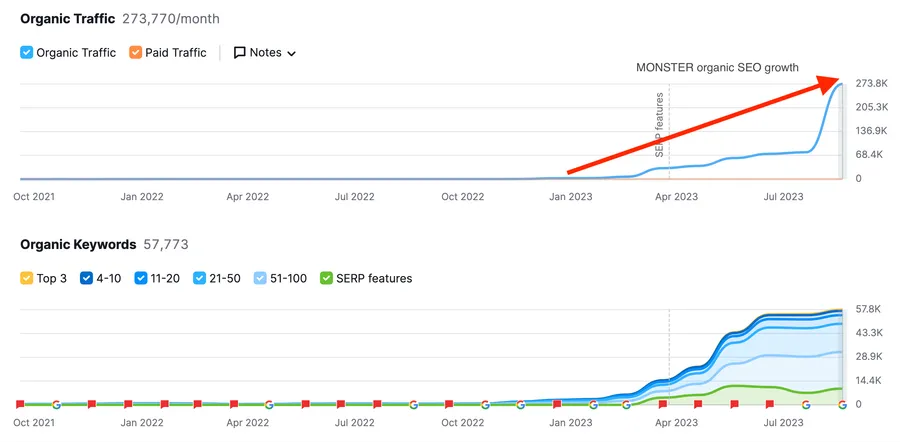
Chiropractic SEO is where most of the sustainable patient pipeline comes from. Patients search locally and they search often. Chiropractor near me. Chiro Brunswick. Lower back pain chiropractor. Paediatric chiropractor. Sports chiro. The combined search volume across these terms in any decent catchment is enough to keep a two or three practitioner clinic busy, and the keyword difficulty on a lot of the informational and condition-specific variants is genuinely low. Condition and suburb terms are often less contested than the core chiropractor near me phrase, which means practices that invest properly in SEO now build a lead that gets progressively harder for competitors to close.
When we run chiropractic SEO for a practice we start with the Google Business Profile, because local pack rankings drive the bulk of new patient bookings. We fix the NAP data, categorise the practice correctly, build out services and products, add practice photos, and put a systematic review generation process in place. From there we work on the website itself: technical SEO, condition-specific landing pages for the things patients actually search for, suburb pages for the areas your practice draws from, and internal linking that passes authority to the pages that need to rank. We also build out educational content around the conditions chiropractors treat most frequently, from sciatica and disc injuries to tension headaches and postural dysfunction, which captures patients during the research phase and establishes the clinical authority Google rewards with rankings. We measure chiropractor SEO on booked appointments, not vanity ranking reports. Our dedicated SEO for chiropractors page covers the full strategy in detail.
Chiropractor Website Design: Conversion, Not Decoration
Most chiropractic websites we audit are doing the profession a disservice. Generic stock imagery. Vague copy that could apply to any clinic. No clear path to book. No explanation of what a new patient appointment actually looks like. Chiropractor website design is not a visual exercise. It is a conversion exercise. Every page has one job, which is to turn a worried patient into a booked appointment.
The chiropractic websites we build lead with credibility. Qualifications. Years in practice. Techniques used. Clear information about what to expect from the first visit and what ongoing care looks like. Strong photography of the actual practice and actual practitioners. Condition pages that speak directly to what the patient is dealing with. And a booking flow that takes less than thirty seconds on a phone, because that is how most new patient enquiries now arrive. Chiropractic website design done well removes friction from an already hesitant decision. Done poorly, it adds friction that sends the patient to the competitor down the road.
The public perception challenge matters here more than in almost any other allied health discipline. A portion of prospective patients arrive at your website already sceptical. They have read something negative online, or a friend told them chiropractic is not real medicine, or they confuse evidence-based chiropractic with the fringe elements the profession has worked hard to distance itself from. Your website is where that perception either gets corrected or confirmed. Evidence-based positioning, professional credentialing, and clear explanations of your clinical approach are not optional design elements. They are the difference between a bounce and a booking.
Chiropractic Google Ads: High-Intent Patient Capture
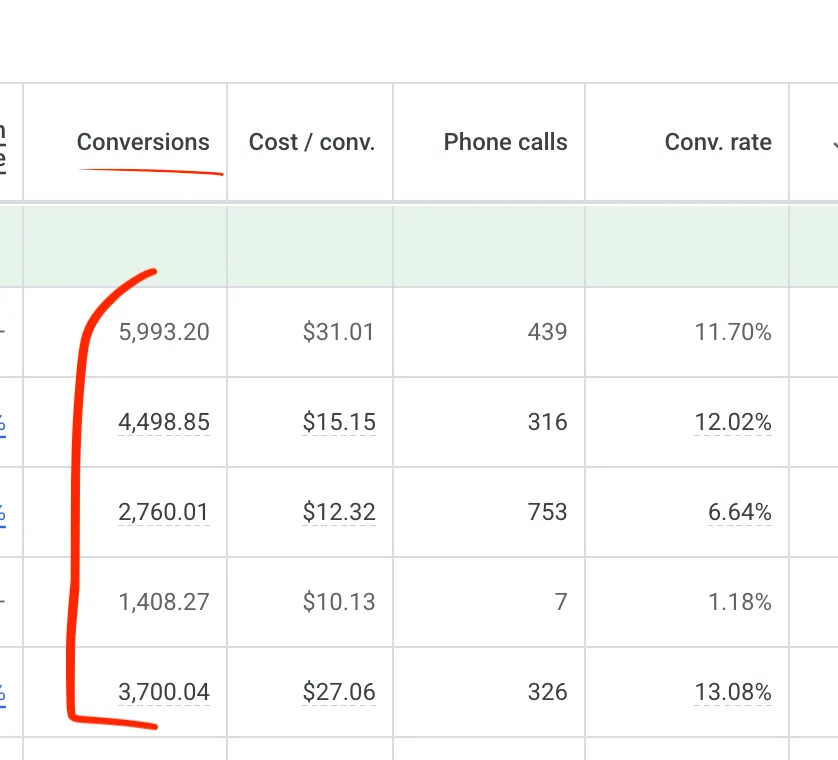
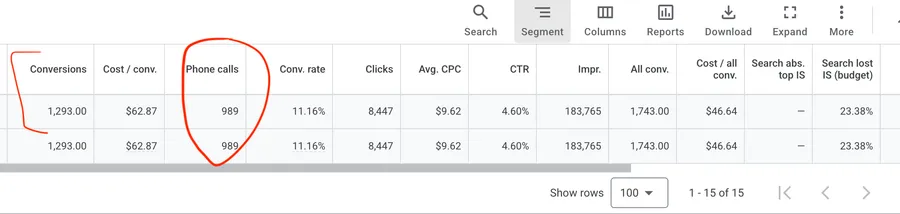
Chiropractic Google Ads capture patients at the moment they have decided they need help. The searches are short, the intent is high, and the cost per click in most Australian catchments is manageable. Click prices for chiropractic terms are moderate by healthcare standards, so well-structured campaigns can compete locally without unsustainable spend. We run tight geographic targeting, negative keyword lists that filter out the student, workers compensation legal, and chiropractic course enquiries that waste budget, and ad copy that speaks to the actual concern the patient typed in.
Chiropractic Google Ads work best when the landing page matches the search term, which is why we build dedicated landing pages rather than sending traffic to a generic homepage. A patient searching for sciatica chiropractor needs to land on a page about sciatica, not a page about your practice philosophy.
Facebook Ads for Chiropractors: Awareness Before the Search
Chiropractic Facebook Ads play a different role from search advertising. They reach people before the search happens. Weekend athletes with a niggling issue they have not decided to act on yet. Office workers noticing tension headaches after long days at a desk. Facebook ads for chiropractors, done properly, use creative that looks like content rather than an ad, and a Messenger or lead form conversion that suits the way people use the platform.
Chiropractor Facebook Ads work well for family practices when the content stays on adult and adolescent musculoskeletal concerns, such as posture at the desk, carrying young children and sport. Infant feeding, sleep and settling are areas to stay out of entirely. Chiropractic Facebook Ads also work well for seasonal campaigns: back-to-school posture checks, pre-season sports assessments, and workplace ergonomics around the end of financial year when corporate wellness budgets refresh. We run both chiropractic Google Ads and Facebook Ads together for most clients because the channels feed each other. Facebook creates awareness, Google captures the eventual search.
The Chiropractic Revenue Model and Why It Shapes Marketing
Understanding how a chiropractic practice actually makes money is essential to building marketing that works. The initial consultation is the front door, but it is the plan of care that follows, typically twelve to twenty-four visits, that generates the bulk of revenue. After the initial care plan, maintenance care at regular intervals creates the recurring revenue that supports practice growth, associate salaries, and multi-site expansion. This means chiropractic marketing has two distinct objectives that generalist agencies almost always miss: attracting new patients at the top of the funnel, and setting accurate expectations about what care after assessment may involve.
GP referrals under a GP chronic condition management plan represent another revenue stream that marketing can support. Patients with a chronic condition can claim up to five Medicare-subsidised allied health services a calendar year, shared across every allied health provider they see. Practices that build strong GP relationships and make the EPC referral process frictionless capture a consistent stream of Medicare-funded patients. Our marketing supports this by positioning your practice as a credible referral destination for local GPs, building the digital presence that reassures a referring doctor their patient will receive evidence-based care.
Sports Chiro, Family Chiro, and Paediatric Positioning
A paediatric chiro and a sports chiro are running effectively different businesses. The patient is different, the decision-maker is different, the messaging is different, and the channels are different. Paediatric chiropractic is the most tightly regulated area of the profession. The Chiropractic Board advises chiropractors not to use spinal manipulation on children under two, and claims about infant colic, reflux, sleep or feeding are not supported by acceptable evidence. We market the consultation, the practitioner's training and the musculoskeletal concerns chiropractors assess in older children, never infant conditions.
Sports and performance chiropractic marketing looks at a different audience. Weekend warriors, CrossFit athletes, runners, and team sport players who want to keep training through minor injuries. Google Ads and local SEO do most of the heavy lifting. Partnerships with gyms, sporting clubs, and physios matter more than social media reach. Family practices sit in the middle and need to communicate that they care for the whole family under one roof, within Board guidance for young children. We build the marketing around what the practice actually does, not a generic chiropractic template.
Referrer Marketing: GP Relationships and Care Plan Pathways
The chiropractic practices that grow fastest are not the ones with the biggest ad budgets. They are the ones with the deepest referrer networks. GPs, physios, podiatrists, sports medicine doctors, personal trainers, Pilates instructors, and remedial massage therapists all have patients who would benefit from chiropractic care, and all of them make referrals when the relationship is strong and the clinical communication is professional.
We help chiropractic practices build these relationships systematically. Introduction packs for local GPs that explain your evidence-based approach and make the EPC referral pathway clear. Proper referral feedback letters after new patient assessments, because that is what earns ongoing referrals from medical practitioners. Co-hosted education sessions with allied health partners. LinkedIn presence for the lead practitioner so referring clinicians can see the quality of the practice before they refer. This work is slower than paid ads but it compounds. A practice with a strong referrer base is insulated from algorithm changes and competitive ad market shifts.
Ahpra Compliance and Chiropractic Advertising Restrictions
Chiropractic advertising sits under Ahpra and the Chiropractic Board of Australia, and the Australian Chiropractors Association has its own guidance on top of that. The restrictions are real. You cannot make claims about treating specific conditions without the evidence to support them. You cannot use testimonials in advertising in the way other businesses can. Before-and-after imagery is heavily restricted. Claims about cure, guaranteed outcomes, or the superiority of one technique over another will get a practice investigated.
We review every campaign, every ad, every landing page, and every piece of website copy against the current Ahpra advertising guidelines and the Chiropractic Board position statements before anything goes live. We check condition references and keep clinical testimonials out of advertising. Most of the compliance complaints against chiropractors come from marketing a generalist agency produced without understanding the rules. That is not a mistake we make, and it is one of the core reasons chiropractic marketing in Australia requires a specialist agency.
Why Generalist Agencies Fail Chiropractic Practices
We rebuild a lot of chiropractic marketing that a generalist agency has already taken a run at. The pattern is consistent. Broad keywords that do not convert. Landing pages that make compliance-breaching claims because the copywriter did not know better. Google Ads spending budget on chiropractic course searches and competitor brand terms. Facebook Ads with creative that looks like a discount voucher rather than a healthcare service. Websites built on the wrong platform with no conversion tracking and no local SEO foundation. No understanding of the initial consult to care plan conversion funnel. No understanding of how chiropractic care plans are explained and reviewed.
Effective chiropractor marketing requires specialist knowledge, and a chiropractic marketing agency that understands the profession starts in a different place. We know the patient journey from first search to initial consultation to report of findings to care plan acceptance to maintenance care. We understand the funding mix across private health insurance, EPC Medicare items, DVA, workers compensation, and self-pay. We know the referral pathways, the compliance rules, and the reasons a patient who walks through the door for back pain does or does not come back for the twelve-visit plan. That knowledge shapes every decision, from the keyword set through to the call script your reception team uses when a chiropractic Google Ads enquiry comes in.
DVA fee briefings for allied health practices
For practices providing DVA-funded care, our DVA allied health fees briefing explains the funding changes to consider alongside service capacity and referral planning. Our update on the withdrawn DVA allied health cap covers the later policy change. Check the schedule for your profession before updating patient information.