











Why Counsellors Need a Different SEO Approach
Counsellor SEO is not psychology SEO with different terminology. The two professions occupy different positions in the mental health landscape, and those differences shape every aspect of an effective search strategy. Psychologists benefit from Ahpra registration, Medicare rebates under the Better Access scheme, and GP referral pathways that create built-in client acquisition. Counsellors sit outside that system. Without Medicare, your clients pay out of pocket or claim through private health insurance where their fund and cover level allow it. This fundamentally changes what your SEO content needs to accomplish.
For counsellors, SEO content needs to do more of the trust-building and value-communication work that Medicare eligibility handles implicitly for psychologists. Your specialisation pages, practitioner profiles, and educational content need to demonstrate your qualifications, your therapeutic approach, your specific areas of expertise, and the value clients receive from investing in counselling with you. Counsellor SEO needs a depth of positioning that Medicare-eligible practitioners rarely have to address. The upside is that counsellors are not bound by Ahpra advertising restrictions. Even so, the Australian Consumer Law, your ACA or PACFA code of ethics and, in most states, the code of conduct for unregistered health practitioners still prohibit misleading claims.
Specialisation Pages That Attract the Right Clients
The foundation of effective counselling SEO is specialisation-specific content. Clients do not just search for counsellor near me. They search for their specific concern: couples counselling, relationship counselling, grief counselling, addiction counsellor, anger management counselling, family therapy, adolescent counsellor, separation counselling. Each of these searches represents a person with a specific concern who is looking for a counsellor with relevant expertise.
Generic counselling pages that list every concern you can help with do not rank well for any individual specialisation. Search engines reward depth and specificity. A dedicated couples counselling page that thoroughly addresses relationship dynamics, communication breakdown, trust repair, and what couples can expect from therapy will outrank a page that mentions couples counselling as one bullet point in a list of twenty services. We build specialisation pages that provide genuine depth on each concern, answer the questions clients are asking, and position your specific approach and experience with that population. This is what separates effective counsellor marketing through search from generic online presence.
The content structure matters as much as the depth. Each specialisation page should address the specific concerns clients have, explain your therapeutic approach to that issue, describe what sessions typically involve, and make it easy for the visitor to book or enquire. Internal linking between related specialisations, such as linking your grief counselling page to your life transitions page, helps both search engines and visitors navigate your full service offering. This interconnected content structure is a hallmark of well-executed counselling practice seo.
The Counsellor vs Psychologist Search Landscape
A significant challenge in counselling practice seo is that many potential clients do not distinguish between counsellors and psychologists when they begin searching. They search for therapist near me, anxiety help, someone to talk to, or relationship therapy. These searches do not specify a profession and the results include psychologists, counsellors, social workers, and psychotherapists competing for the same clicks.
Your SEO strategy needs to account for this overlap in two ways. First, your content needs to appear in these broad searches by targeting terms like therapist, therapy, and counselling alongside your specific specialisations. Second, your content needs to clearly communicate what counselling offers specifically, so that when a searcher lands on your page, they understand why working with a counsellor is the right choice for their situation. This is not about positioning against psychologists. It is about helping potential clients understand the value of your training, your approach, and the therapeutic relationship you build, so they can make an informed choice.
Content that honestly addresses the counsellor-psychologist distinction attracts clients who choose you deliberately rather than by default. A well-written page explaining the differences in training, approach, Medicare access, and typical session structure helps potential clients make an informed decision. When that content ranks for searches like difference between counsellor and psychologist or do I need a counsellor or psychologist, you capture clients at the exact moment they are deciding which type of practitioner to see.
Local SEO for Counselling Practices
For most counselling practices, local SEO is the highest-priority component of their search strategy. Clients searching for counselling typically want someone in their area. Near me searches, suburb-specific searches, and map pack results account for the majority of new client enquiries from organic search.
Local counselling SEO involves several interconnected elements. Your Google Business Profile needs accurate categories including counsellor as a primary or secondary category, complete service listings that reflect your specialisations, regular posts, and active review management. Your website needs suburb-specific content that reinforces your geographic relevance. Directory listings across Psychology Today, the ACA and PACFA directories, and other platforms need to be consistent and up to date. And your review profile needs to demonstrate client satisfaction in a way that builds trust with prospective clients researching their options.
We manage all of these elements to ensure your practice maintains strong local visibility across your catchment area. For counsellors with multiple locations or shared consulting rooms, we build location-specific strategies that help each site rank in its own area without competing with your other locations. Review management is particularly important for counselling practices because prospective clients weigh reviews heavily when choosing a therapist, making your Google review profile one of your most influential conversion assets.
Private Pay Positioning Through Content
Without Medicare rebates, every counselling client is making a direct financial commitment. This changes what your SEO content needs to accomplish compared to seo for mental health clinics that offer Medicare-subsidised sessions. Your content needs to address the value question directly: why is private counselling worth the investment?
Effective counsellor seo content handles this by being specific about what clients gain from working with you. Not generic claims about feeling better, but concrete information about your therapeutic approach, the kinds of changes clients typically experience, how your specialisation equips you to help with their specific concern, and what the counselling process actually involves session by session. Content that clearly explains fees, private health fund claiming options, and any sliding scale or reduced-fee options removes financial uncertainty as a barrier to enquiry. Transparency about cost is not a deterrent for the right clients. It pre-qualifies enquiries so the people who contact you are ready to invest in the work.
Private pay positioning also extends to how you frame your availability compared to Medicare-rebated practitioners. Many psychologists carry waitlists of several months. Counsellors often have shorter wait times and more flexible scheduling. If your practice can offer sooner availability, that is a genuine advantage worth communicating in your content and on your booking page. Clients who are ready to start now and willing to invest in private sessions represent some of the most committed and engaged people you will work with.
EAP and Corporate Counselling SEO
Employee Assistance Programs represent a significant client acquisition channel for counsellors, and SEO can support this pathway alongside private client acquisition. Corporate wellness managers, HR teams, and EAP networks search for qualified counselling providers across different locations and specialisations. Content targeting workplace counselling, EAP counselling provider, corporate wellness counselling, and critical incident response builds visibility with these referral sources.
The content approach for EAP SEO differs from private client content. It needs to communicate professional capacity, relevant qualifications including PACFA or ACA membership, experience with workplace-related concerns like stress, burnout, conflict, and organisational change, and your ability to serve corporate clients at scale. For counsellors already serving EAP contracts, dedicated landing pages that position your EAP services separately from private practice services help both search engines and prospective corporate clients find the right information without confusion.
EAP content should also address the specific concerns of HR decision-makers: your geographic coverage, the range of presenting issues your counsellors handle, your capacity for critical incident debriefing, and your reporting capabilities. Corporate referrers want to know they are sending their employees to a qualified, professional provider who can handle workplace-specific concerns with discretion and expertise. Your EAP landing pages need to satisfy these corporate evaluation criteria alongside standard SEO requirements.
Adolescent Counselling and Niche Audience SEO
Certain counselling specialisations attract distinct search patterns that require targeted content strategies. Adolescent counselling is a strong example. Parents searching for teen counsellor, adolescent therapist, or youth counselling near me are making decisions on behalf of someone else, which changes the content approach entirely. Your pages need to address parent concerns about the counselling process, confidentiality, and what their teenager can expect, while also demonstrating your understanding of adolescent development and the specific issues young people face.
Similar niche audience strategies apply to other counselling specialisations. Addiction counselling content needs to address both the person struggling with substance use and concerned family members who may be searching on their behalf. Family counselling content needs to speak to blended family dynamics, parenting disagreements, and sibling conflict. Separation and divorce counselling content captures people at a specific life transition who need immediate support. Each of these niches has its own search patterns, its own client concerns, and its own content requirements. Counsellor marketing through SEO works when it matches this specificity rather than trying to cover everything with broad, unfocused content.
Couples counselling deserves particular attention because it is consistently one of the highest-volume specialisation searches for counsellors. People searching for couples counselling, relationship therapy, or marriage counselling are often in a state of urgency. The relationship is under strain, communication has broken down, or a specific event has created a crisis. Your couples counselling content needs to acknowledge this urgency, describe what the first session involves, explain how you work with both partners, and address common concerns about whether counselling can help at this stage. This content converts at high rates when it combines clinical confidence with genuine empathy for the situation.
Grief counselling is another specialisation where targeted content performs well. People who have recently experienced a loss often search late at night or during moments of acute pain. They are looking for understanding, not a sales pitch. Content that acknowledges the grief experience, explains how counselling can support the process, and describes what grief-focused sessions involve builds the kind of trust that converts searchers into clients. The same principle applies across every counselling specialisation: the more your content demonstrates genuine understanding of the client's experience, the more effectively it converts organic visitors into enquiries.
Measuring Counsellor SEO Results
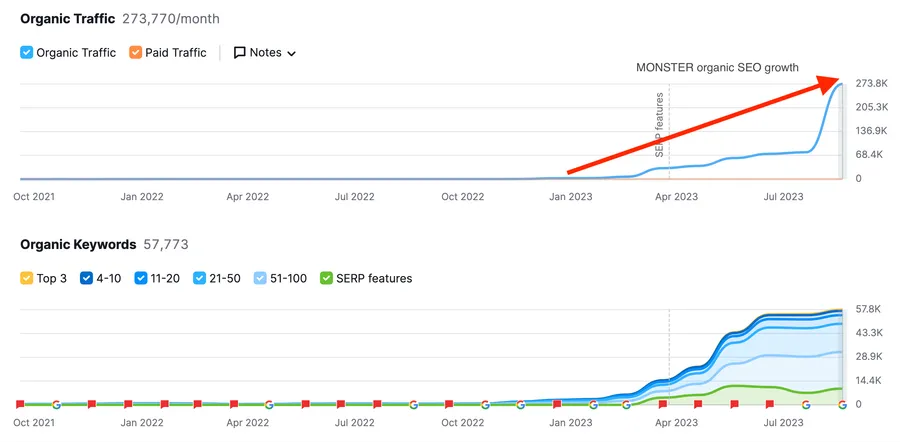
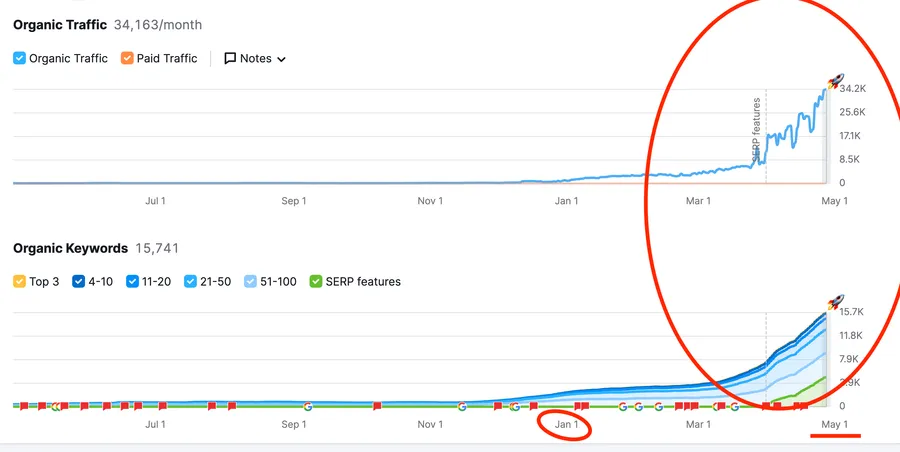
Counselling SEO success should be measured in qualified client enquiries, not just keyword rankings and traffic numbers. Rankings and traffic are useful early signals, but what matters to your practice is whether organic search is generating enquiries from clients who match your specialisations and are ready to begin counselling. We track performance across multiple layers: keyword rankings by specialisation showing whether your visibility is growing for the concerns you focus on, organic traffic trends showing whether that visibility translates into website visits, and conversion tracking showing whether those visits become real client enquiries through phone calls, contact forms, or online booking.
Monthly reporting breaks performance down by specialisation so you can see which areas of your practice are generating the most organic demand and where content gaps remain. This data also informs ongoing strategy. If couples counselling content is generating strong traffic but low enquiry conversion, the issue may be page content rather than rankings. If grief counselling keywords are ranking well but generating minimal traffic, the opportunity may be smaller than expected and resources better allocated elsewhere. Counselling SEO should adapt to what the numbers show rather than follow a fixed template, so investment moves toward the specialisations generating the best enquiries.