









Industries

SEO for Myotherapists

Myotherapist SEO Built for Australian Practices

Patients search for their condition, not for myotherapy. Back pain, neck tension, chronic headaches, sports injuries. With a decade of healthcare SEO experience, we build myotherapy SEO campaigns that capture condition-based searches, differentiate your clinical practice from massage therapy, and convert visitors who arrive not knowing what myotherapy is into booked patients.

Condition-based SEO for chronic pain, headaches, sports injuries, and more
Clinical positioning that differentiates from massage therapy
Technique pages for dry needling, cupping, and trigger point therapy

Trusted by 100+ Australian and Global businesses in healthcare

MiXray Cannon Hill
Optiplex Children's
Better Rehab
Health Care Providers Association
HotDoc
XR Health

Our Director Has Been Seen On

Healthcare SEO Specialists

Why Specialist SEO Matters for Myotherapy Clinics

Myotherapy SEO requires understanding the profession awareness gap, condition-based search capture, clinical differentiation from massage, and the regulatory position of a non-AHPRA profession.

Condition-Based Search Capture

Patients search for their pain, not for myotherapy. We build content that ranks for chronic back pain, tension headaches, jaw and TMJ pain, sports injuries, and workplace injuries, positioning myotherapy as the clinical treatment for each condition.

Myotherapy vs Massage Differentiation

Search results for pain-related queries mix myotherapy with massage therapy. Your content and site structure need to clearly communicate clinical assessment, evidence-based treatment, and the distinction between myotherapy and relaxation or remedial massage.

Myotherapy vs Physio Search Positioning

Myotherapy and physiotherapy compete for many of the same condition searches. Your content needs to position myotherapy's strengths, including longer appointments, hands-on treatment focus, and manual therapy depth, without disparaging physiotherapy as a profession.

Technique Pages for Dry Needling and Cupping

Treatment techniques like dry needling, cupping, and trigger point therapy have strong search volume and attract patients who already understand musculoskeletal treatment. Dedicated technique pages capture this demand and funnel patients into your broader practice.

WorkCover and TAC Content

Patients with workplace injuries or motor vehicle accident claims search specifically for providers who accept WorkCover or TAC. Dedicated content highlighting your acceptance of these claim types captures patients who might otherwise default to physiotherapy.

Private Health Fund Rebate Positioning

Many patients do not know myotherapy is covered by private health insurance. Prominent content about health fund rebates from Medibank, Bupa, HCF, NIB, and other major funds removes cost uncertainty and reduces a significant booking barrier.

Local SEO for Myotherapy Practices

Local search visibility ensures your practice appears in map results for both myotherapy and condition searches in your area. We optimise your Google Business Profile, build directory consistency, and create suburb-specific content for your service area.

Sports Myotherapy Content

Sports patients search differently from chronic pain patients, using terms like sports injury treatment, hamstring recovery, and muscle tear rehabilitation. Dedicated sports myotherapy content captures this distinct, high-value patient segment.

Measurable Patient Acquisition

Monthly reporting tracks keyword rankings by condition and technique, organic traffic trends, and patient enquiry attribution from organic search. You see which conditions and pages are generating bookings and where opportunities remain.

How We Work

How We Approach

A structured SEO process designed for myotherapy practices that need to bridge the awareness gap, capture condition searches, and build clinical credibility through content.

1

Myotherapy Practice SEO Audit

Comprehensive audit covering your website's technical health, existing condition and technique content, local SEO presence, Google Business Profile, directory listings across HealthEngine and HotDoc, competitor landscape, and current keyword rankings.

2

Condition and Technique Keyword Research

Keyword research organised across two layers. Layer one covers myotherapy-branded searches in your area. Layer two targets the higher-volume condition searches: chronic pain, headaches, jaw pain, sports injuries, workplace injuries, and technique searches like dry needling and cupping.

3

Content Strategy and Creation

Development of condition pages, technique descriptions, educational content explaining what myotherapy is, suburb landing pages, and practitioner profiles. All content is structured to educate visitors who may not know what myotherapy is and to position your practice as clinical healthcare.

4

On-Page and Local SEO Implementation

Optimisation of existing pages, internal linking between conditions and techniques, schema markup, Google Business Profile optimisation with accurate myotherapy categorisation, and citation building across allied health directories.

5

Ongoing Optimisation and Reporting

Monthly performance tracking across conditions and techniques with rankings, organic traffic, and enquiry attribution. Continuous content updates, new keyword targeting, and technical maintenance to sustain and grow organic visibility for your myotherapy practice.

The Complete Guide

What Makes Myotherapist SEO Different

Myotherapy SEO has unique requirements around profession awareness, condition-based search capture, clinical differentiation from massage, and a regulatory position distinct from AHPRA-registered professions.

The Awareness Problem That Shapes Everything

Myotherapist seo starts with a problem no other allied health profession faces at the same scale: most Australians do not know what myotherapy is. Physiotherapists have near-universal public recognition. Chiropractors have decades of awareness. Even osteopaths benefit from a general understanding of their profession. Myotherapists have none of that. The average person either has never heard the word myotherapy or assumes it is a type of massage. This single fact shapes every SEO decision a myotherapy practice needs to make.

The direct consequence for search is that myotherapy-branded keywords have a fraction of the volume that comparable allied health terms receive. Myotherapist near me generates significantly fewer searches than physiotherapist near me or even remedial massage near me. If your entire seo for myotherapists strategy targets only profession-specific keywords, you are fishing in a very small pond while the ocean of condition-based searches goes untapped. Effective myotherapy seo requires a fundamentally different approach from what works for professions with established name recognition. The practices that solve this awareness problem through their SEO content build patient acquisition channels that compound month over month.

Condition Pages That Bridge the Awareness Gap

The highest-value SEO strategy for myotherapy practices is condition-specific content. Patients search for their pain. They search for chronic back pain treatment, tension headache relief, neck and shoulder pain, jaw pain TMJ, sports injury rehabilitation, and workplace injury treatment. These are the searches with real volume, and they are the searches where your clinical expertise meets genuine patient need.

Effective condition pages for myotherapy need to do something that condition pages for physiotherapy or chiropractic do not: they need to introduce the profession as part of the answer. A physiotherapy clinic can create a back pain treatment page that assumes the reader already knows what physiotherapy is. A myotherapy clinic needs to create a back pain treatment page that explains what myotherapy is, how clinical assessment works, what evidence-based interventions you use, and why myotherapy is an effective treatment for their specific condition. This educational layer is not optional. It is what converts a condition-searching visitor into a patient who understands and values what your practice offers.

We build condition pages with genuine clinical depth. Not thin service listings that name-check conditions, but thorough content that covers your assessment process, the specific interventions you use for each condition, what patients can expect during treatment, and how many sessions are typically involved. When your content demonstrates real clinical expertise, search engines reward that depth with rankings and patients reward it with bookings. This is the core of what makes myotherapist marketing through search effective. Each condition page also serves as a permanent organic asset that continues generating patient enquiries long after it is published.

Technique Pages as High-Intent Entry Points

Treatment techniques like dry needling, cupping, trigger point therapy, and myofascial release have their own search demand, and these searches attract patients who already understand musculoskeletal treatment. Someone searching for dry needling near me is not looking for a relaxation massage. They know what dry needling is, they want clinical treatment, and they are looking for a qualified provider. This is high-intent traffic that converts well.

Dry needling is particularly valuable for myotherapy seo because it has strong public awareness and significant search volume relative to myotherapy itself. A dedicated dry needling page that explains the technique, the conditions it treats, what to expect during treatment, and your practitioner qualifications serves as a gateway into your broader myotherapy services. Patients who book for dry needling experience your full assessment-based approach and often become ongoing myotherapy patients for their underlying condition.

Cupping and trigger point therapy pages serve similar functions, each capturing a distinct segment of treatment-aware searchers and introducing them to your practice. The key with technique pages is clinical framing. Your dry needling page should explain how you use dry needling within a broader assessment and treatment plan, not as a standalone service. This positions myotherapy as comprehensive clinical care rather than a menu of isolated techniques, reinforcing the distinction from massage therapy while demonstrating the depth of your clinical approach.

Differentiating From Massage in Search Results

One of the most critical challenges in myotherapy practice seo is ensuring your practice does not get grouped with massage therapy in search results and in patient perception. When someone searches for back pain treatment and your myotherapy practice appears alongside three massage clinics, the visual and content signals on your listing and website need to immediately communicate that you are a different kind of provider offering clinical healthcare, not relaxation services.

This differentiation starts with your Google Business Profile categorisation and extends through every page of your website. Your site design should signal healthcare clinic, not day spa. Your content language should reference clinical assessment, evidence-based treatment, and specific conditions rather than relaxation, pampering, or stress relief. Your practitioner profiles should prominently display Bachelor or Advanced Diploma qualifications and Myotherapy Association Australia membership. And your condition pages should demonstrate the clinical reasoning and treatment planning that distinguishes myotherapy from massage technique applied to sore muscles.

Every touchpoint either reinforces the clinical distinction or undermines it. We build myotherapist seo programs where every element works together to position your practice as healthcare. This includes the images on your website, which should show a clinical treatment environment rather than candles and towels, and the language used in your Google Business Profile posts, which should discuss conditions and treatment approaches rather than relaxation and pampering. The practices that maintain this clinical positioning consistently across every channel attract patients who understand and value the difference.

The Physiotherapy Overlap and How to Navigate It

Myotherapy and physiotherapy compete for many of the same condition-based searches, but the competitive dynamic is nuanced rather than adversarial. Both professions use evidence-based approaches to musculoskeletal conditions. The practical differences that matter to patients often come down to treatment style, appointment length, hands-on treatment time, and cost. Many myotherapy practices offer longer appointments with more manual therapy time than a typical physiotherapy session, and often at a more accessible fee. These are genuine advantages worth communicating in your content without positioning against physiotherapy as a profession.

In search results, myotherapy practices can often achieve strong rankings for condition-based terms at lower competitive difficulty than physiotherapy-branded terms. A myotherapy clinic targeting chronic pain management near me faces less competition and lower difficulty than a physiotherapy clinic targeting physiotherapist near me. This creates a practical advantage for myotherapy marketing through organic search. We identify the condition keywords where myotherapy can rank effectively alongside or above physiotherapy content, and build pages that compete on clinical depth and patient value rather than profession name recognition alone.

Content that helps patients understand when myotherapy might be the right choice for their specific condition is particularly effective. Pages that explain what makes myotherapy's approach distinct for chronic muscular pain, soft tissue conditions, and ongoing maintenance care attract patients who are making informed treatment decisions. These patients arrive having already decided that myotherapy suits their needs, which means higher conversion rates and stronger therapeutic relationships from the first appointment.

The competitive advantage for myotherapy practices in search is that you can target condition-based keywords with less advertising spend pressure than physiotherapy clinics face. While every physiotherapy practice in your suburb bids aggressively on physio-branded terms, the condition keywords you target carry genuine patient intent at lower cost and lower competition. This makes organic search a particularly efficient patient acquisition channel for myotherapy practices that invest in quality condition content.

WorkCover, TAC, and Claims-Based SEO

WorkCover and TAC patients represent a meaningful revenue stream for myotherapy practices that accept these claims, and they search for providers through specific queries. WorkCover myotherapy, TAC myotherapy, workplace injury treatment, and motor vehicle accident rehabilitation are all searches with genuine patient intent. Many injured workers and accident victims default to physiotherapy simply because they do not know myotherapy is a covered option for their claim type.

Dedicated landing pages for WorkCover and TAC services capture these patients and reduce the friction that stops them from booking with a myotherapist. Content that clearly explains your acceptance of these claim types, what the referral process involves, what documentation patients need, and how billing works gives injured patients the confidence to choose your practice. Because many myotherapy competitors avoid the administrative burden of claims management, practices that accept and actively market WorkCover and TAC services gain a genuine competitive advantage in local search results.

The SEO value of WorkCover and TAC content extends beyond direct patient acquisition. These pages signal to search engines that your practice handles complex clinical cases and operates within formal treatment frameworks. This reinforces the clinical positioning that underpins your entire myotherapy marketing strategy and distinguishes your practice from massage therapists who do not participate in these referral pathways.

Private Health Fund Content That Removes Barriers

A significant booking barrier for myotherapy practices is the widespread assumption that myotherapy is not covered by private health insurance. Many patients who would benefit from clinical myotherapy never book because they believe they will pay the full fee out of pocket. In reality, most major Australian health funds including Medibank, Bupa, HCF, and NIB cover myotherapy under their extras policies. Your SEO content needs to communicate this clearly and prominently.

We ensure health fund rebate information appears on every relevant page of your website, not buried in a FAQ or mentioned once on a fees page. Condition pages mention health fund coverage near the call to action. Technique pages reference rebate eligibility. Your Google Business Profile and directory listings note health fund acceptance. Removing cost uncertainty removes one of the biggest barriers standing between a potential patient and a booked appointment. This practical detail is one of the most impactful elements of effective myotherapist marketing through search.

Health fund content also creates SEO opportunities in its own right. Patients searching for does health insurance cover myotherapy or myotherapy health fund rebate are actively considering booking but need financial clarity before committing. A dedicated page addressing health fund coverage, explaining how to check your extras policy, and listing the major funds that cover myotherapy captures these patients at the decision point and removes the last barrier to booking.

Local SEO and Google Business Profile for Myotherapy

Despite the profession awareness challenge, local SEO remains essential for myotherapy practices. When someone does search for myotherapist near me, you need to appear in the map pack and organic results for your area. And when patients search for condition terms with local intent, such as back pain treatment followed by their suburb, local signals help determine which providers appear in results.

Google Business Profile management for myotherapy requires attention to categorisation. The myotherapist category needs to be correctly set as your primary or secondary category to ensure you appear in relevant local searches. Beyond categorisation, regular posts, review management, photo updates, and Q&A management all contribute to local visibility. Directory consistency across HealthEngine, HotDoc, and allied health directories reinforces your local presence. And suburb-specific landing pages on your website target the location-based searches that patients in your catchment area make when looking for musculoskeletal treatment.

We manage all of these elements to build strong local visibility that works alongside your condition and technique content strategy. Patient reviews are particularly valuable for myotherapy practices because they serve a dual purpose: building clinical credibility and educating prospective patients about what myotherapy involves. When a future patient reads a review describing how someone's chronic shoulder pain was assessed, treated with dry needling and corrective exercises, and resolved over a course of treatment, they learn what myotherapy is at the same time as they learn that your practice delivers clinical results. This organic education through social proof is a powerful complement to your formal SEO content. A systematic approach to review generation, combined with strong local SEO foundations, creates a virtuous cycle where strong reviews reinforce local rankings and higher rankings generate the patient volume that naturally produces more positive reviews.

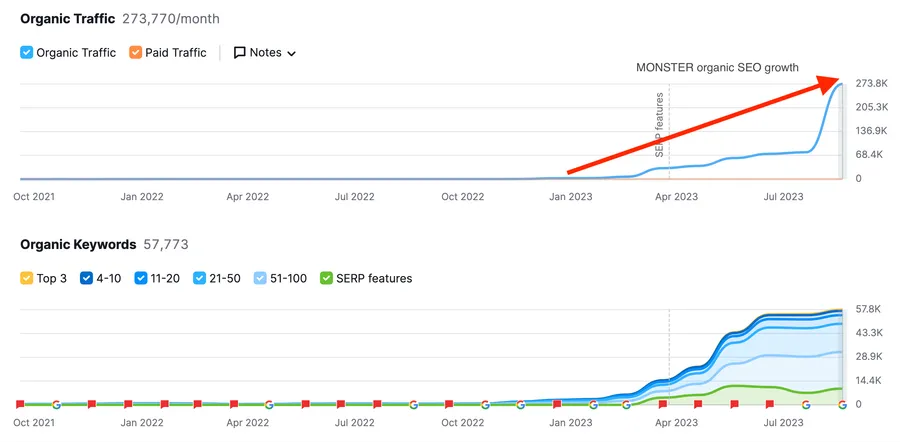
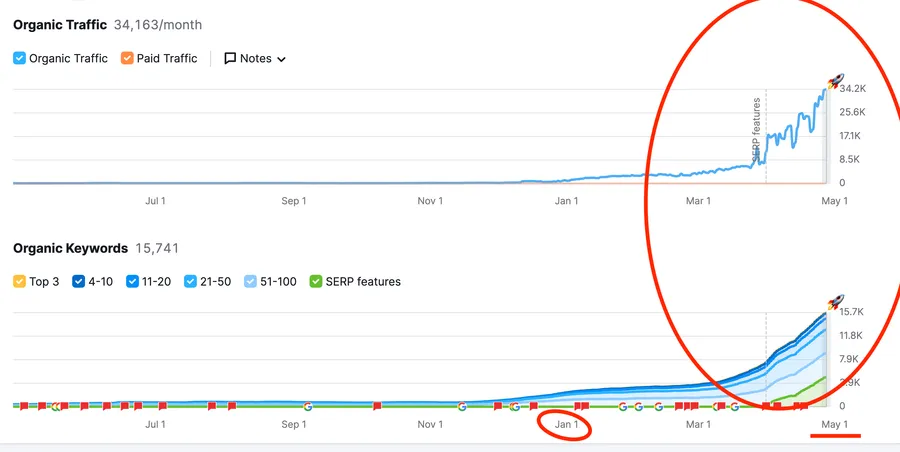
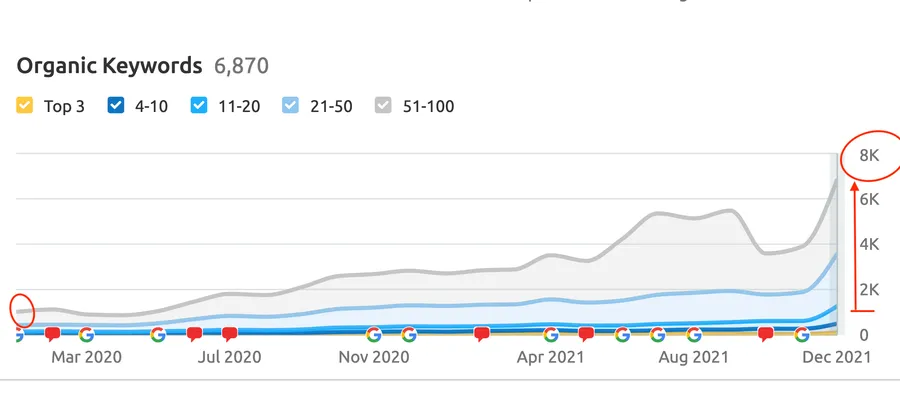
Client Results

Trusted by healthcare leaders

Medical practices across Australia share how they transformed patient acquisition with AHPRA-compliant marketing that delivers measurable outcomes.

"Casey and his team have been a true partner, helping to grow the business through successful campaigns. Casey shows high levels of expertise and we've been lucky to have him on board as the 'Marketing Engine'."
"We went from 350 to 6,500 patients in under 15 months. Admin load cut by over 90% and patient retention jumped by more than 450%."
"They have single-handedly grown my business. We're now turning away $60,000 every week in organic leads. Because, we just don't have the capacity."
"Since going with Casey and his team, we have had nothing but wins. They've got awesome results with low lead costs and have taken the time to really understand our business."
"If you're looking for a highly experienced, knowledgeable and ideas-driven marketing agency, look no further. He's helped transform our business from a fairly humble start-up to a fast growing service provider."
"Super impressed with his promptness, communication, professionalism, and knowledge of the full suite of digital marketing. You and your team are second to none!"
"As an experienced health professional I am a hard sceptic. Casey and his team over delivered on my project with an A+ website design having actively listened to every point I was seeking."
"Working with Casey and his team was nothing short of exceptional. The final product exceeded all expectations, both visually and functionally. It was a seamless experience from start to finish."
"Casey and his team were an absolute lifesaver. They understood exactly what our vision and goals were and did not fall short of delivering an exceptional piece of work."
"The communication was quick, clear and easily understandable. They balance patience and efficiency really well, resulting in a superb end product. Highly recommended."
"Casey was so empathetic and patient in listening to my ideas. He goes above and beyond. If you want a marketing agency that REALLY wants to help you grow your business, pick Casey and his team."
"Excellent company to deal with and their web design is incredible. Would use them again and again."

Marketing Manager

National Allied Health Clinic

Complete Myotherapist SEO Management

The Moving Parts of Myotherapist SEO

From condition-specific content to technique pages and clinical positioning, comprehensive SEO management for myotherapy practices.

Condition Page Development

Dedicated, clinically detailed pages for each condition your practice treats. Chronic back pain, tension headaches, jaw and TMJ disorders, sports injuries, workplace injuries, and postural conditions each get their own page targeting relevant searches.

Technique Page Optimisation

Optimised pages for treatment techniques including dry needling, cupping, trigger point therapy, myofascial release, and corrective exercise. These pages capture technique-specific searches and educate patients about your clinical approach.

Google Business Profile Management

Ongoing management of your Google Business Profile including accurate myotherapy categorisation, regular posts, Q&A management, photo updates, and review response strategy that builds clinical credibility.

Clinical Positioning Content

Content that clearly differentiates your myotherapy practice from massage therapy. Explains assessment-based treatment, evidence-based interventions, and the clinical training that distinguishes myotherapy as healthcare.

WorkCover and TAC Landing Pages

Dedicated pages for WorkCover and TAC patients explaining your acceptance of these claim types, the referral process, what patients need to bring, and how billing works for workplace and motor vehicle accident injuries.

Technical SEO Maintenance

Ongoing technical health management including page speed optimisation, mobile performance, crawl error resolution, schema markup for healthcare services, and site architecture improvements.

Competitor Analysis

Regular analysis of competing myotherapy practices and overlapping allied health providers in your area. Identify condition content gaps, keyword opportunities, and strategies to outrank massage and physiotherapy competitors for relevant searches.

Monthly SEO Reporting

Clear monthly reports showing keyword rankings by condition and technique, organic traffic trends, and patient enquiry attribution. Reporting designed for practice owners who want to see which conditions are generating patient bookings.

Common Questions

Myotherapist SEO
Answered

What myotherapy practice owners ask us most about search engine optimisation for myotherapy websites.

The core difference is public awareness. Most Australians do not know what myotherapy is, so myotherapy-branded search terms have significantly lower volume than physiotherapy or chiropractic terms. Effective myotherapist SEO requires a condition-based strategy that ranks for pain and injury searches like chronic back pain treatment or tension headache relief, then introduces myotherapy as the clinical solution.

Most myotherapy practices see measurable improvements in condition-specific rankings and organic traffic within 3 to 6 months. Significant growth in patient bookings from organic search typically occurs over 6 to 12 months as condition content, technique pages, and local signals build. SEO is a long-term investment that becomes more valuable as your content footprint expands.

Both, but condition keywords deliver significantly more patient volume. Layer one targets myotherapy-branded searches in your area to capture patients who already know the profession. Layer two targets the much larger pool of condition searches like back pain, headaches, sports injuries, and jaw pain, positioning myotherapy as the clinical treatment for each condition.

Through clinical positioning at every touchpoint. Your website design should signal healthcare clinic, not day spa. Content should reference clinical assessment, evidence-based treatment, and specific conditions rather than relaxation. Practitioner profiles should display qualifications and Myotherapy Association Australia membership prominently. Condition pages should demonstrate the clinical reasoning that distinguishes myotherapy from massage.

No. Myotherapists are not AHPRA-registered, so the specific AHPRA advertising restrictions that govern physiotherapists, chiropractors, and osteopaths do not apply. This means myotherapy practices can use patient testimonials and specific outcome descriptions in their marketing. However, Australian Consumer Law still applies, so all content must be truthful and not misleading.

Very important. Dry needling has strong public awareness and significant search volume compared to myotherapy itself. Patients searching for dry needling near me are seeking musculoskeletal treatment and are qualified prospects for your practice. Dedicated dry needling content captures this demand and serves as a gateway into your broader myotherapy services.

Yes, and often at lower competitive difficulty. Physiotherapy-branded search terms are heavily competitive. Condition-based searches like chronic pain management and sports injury treatment carry the same patient intent at lower competition levels. Myotherapy practices that build strong condition content can rank alongside or above physiotherapy competitors for these searches.

If you accept WorkCover or TAC claims, absolutely. Many injured workers and accident victims default to physiotherapy because they do not know myotherapy is a covered treatment option. Dedicated landing pages for WorkCover and TAC myotherapy services capture patients who would otherwise go elsewhere, giving you a genuine competitive advantage.

Prominently and on every relevant page. Many potential patients assume myotherapy is not covered by their health fund when most major funds do cover it under extras policies. Health fund rebate information should appear on condition pages, technique pages, and near every call to action. Removing cost uncertainty removes one of the biggest booking barriers for myotherapy practices.

Monthly reports cover keyword rankings by condition and technique, organic traffic trends, and patient enquiry attribution from organic search. Reports show which conditions and technique pages are generating bookings, how local visibility is tracking, and where content gaps or new opportunities exist for your practice.

Local SEO is essential because patients searching for pain treatment typically want a provider in their area. Google Business Profile optimisation with accurate myotherapy categorisation, directory consistency across HealthEngine and HotDoc, review management, and suburb-specific landing pages all contribute to local visibility for both myotherapy-branded and condition-based searches in your catchment area.

Still have questions? We're here to help.

Book a free strategy call
Ready to Grow Organic Traffic?

Got 20 Minutes to Talk

Join the 100+ healthcare organisations our team has helped grow. Let us discuss how a structured myotherapist SEO strategy can help your practice rank for the condition and technique searches that generate real patient bookings.

Ready to Grow Your Practice?

Book a free strategy session with Australia's healthcare marketing specialists. No obligations, just actionable insights for your practice.