
































What Nutritionist Marketing Actually Requires
Nutritionist marketing is not the same as marketing a GP clinic or a physiotherapy practice. There is no Medicare rebate driving patients through the door. No GP referral pathway funnelling people your way. Every single client you see has made a conscious, out-of-pocket decision to work with you. That changes everything about how your marketing needs to work.
For nutritionists in Australia, the marketing mix typically spans nutritionist SEO so your practice ranks when someone searches for help with a specific condition or goal, nutritionist Google Ads capturing high-intent searches from people ready to book, nutritionist website design that converts browsers into booked consultations, nutritionist Facebook ads and Instagram campaigns that build your personal brand and attract followers who eventually become clients, and content marketing that positions you as the authority in your niche. Ignoring this undermines even the most well-funded nutritionist marketing effort.
Nutrition practices come in many shapes. Solo practitioners running telehealth-only practices. Clinic-based nutritionists with multiple consultation rooms. Nutritionists building six-figure online program businesses alongside their clinical work. The approaches vary, but the underlying challenge is the same: in a market crowded with unqualified voices, how does a qualified nutritionist attract enough of the right clients to build a sustainable practice?
Nutritionists Are Not Dietitians. Your Marketing Should Reflect That.
This distinction matters and most marketing agencies get it wrong. Accredited Practising Dietitians (APDs) hold different qualifications, carry the APD credential from Dietitians Australia, can offer Medicare rebates under chronic disease management plans, and receive referrals from GPs. Nutritionists generally cannot do any of those things.
That is not a disadvantage. It is a different business model that requires different marketing.
Nutritionists attract clients who are specifically choosing a private-pay practitioner. These clients value flexibility in approach, philosophical alignment with how they think about food and health, and the ability to choose someone whose methodology resonates with them. They are not looking for the cheapest option or the one their GP told them to see. They are doing their own research, comparing practitioners, reading your content, and making a deliberate choice.
Your marketing needs to support that decision-making process. That means clear positioning around your approach and philosophy. It means content that demonstrates how you think, not just what you know. And it means making it obvious why working with you is worth the investment when there are cheaper or rebate-eligible alternatives available.
We maintain a separate dietitian marketing program for APD clients. Our nutritionist marketing strategies support the private-pay, brand-driven model that nutritionist practices operate under.
Nutritionist SEO: Owning Your Niche in Search
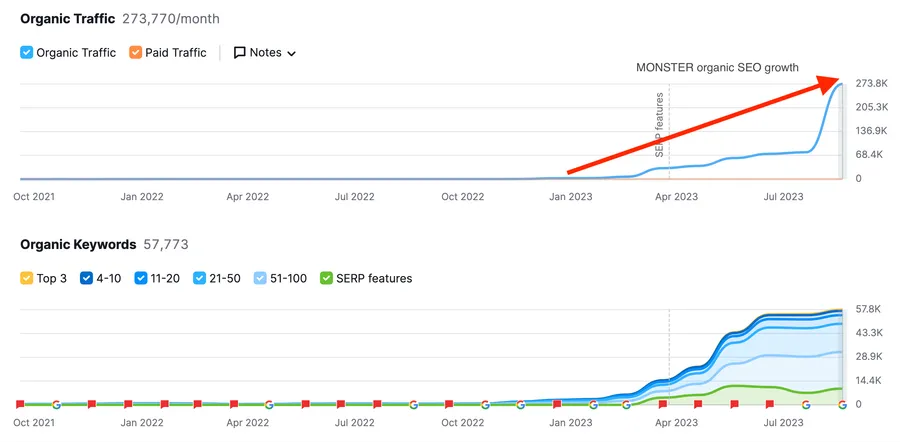
Nutritionist SEO is the highest-return long-term channel for most nutrition practices, but only if it targets the right searches. Generic terms like "nutritionist near me" are competitive and often dominated by directory sites. The real opportunity sits in condition-specific and niche-specific searches where your expertise gives you an edge.
Think about how your ideal clients search. Someone dealing with IBS does not type "nutritionist" into Google. They search for "gut health nutritionist," "IBS diet help," or "FODMAP nutritionist Sydney." A runner looking for performance nutrition searches "sports nutritionist" or "marathon nutrition plan." A woman dealing with PCOS searches "PCOS nutritionist" or "hormonal health nutrition."
These long-tail searches have lower volume individually but far higher conversion rates. The person searching "PCOS nutritionist Melbourne" is not casually browsing. They have a specific problem, they have decided they want professional help, and they are looking for someone with the right expertise. If your website ranks for that search with a page that demonstrates genuine depth on PCOS nutrition, that visitor is halfway to becoming a client before they even read your bio.
Our nutritionist SEO programs build authority around your specific niche. We create condition-specific content pages that go deep on the topics your ideal clients are researching. We optimise your Google Business Profile so you appear in local searches. We build the technical foundation, site speed, structured data, mobile performance, that stops Google from burying your site behind larger competitors. And we track rankings for the searches that actually drive bookings, not vanity metrics that look good in a report but do nothing for your practice.
Content Marketing as the SEO Engine
For nutritionists, content marketing and SEO are the same conversation. Your blog posts, recipes, condition guides, and educational articles are not just brand-building exercises. They are the pages that rank in Google, attract organic traffic, and demonstrate to potential clients that you know what you are talking about.
The nutritionists who win at SEO are the ones producing content that is genuinely useful. Not 300-word blog posts stuffed with keywords. Deep, evidence-informed articles that answer real questions. A 2,000-word guide to managing IBS through diet that cites current research and explains your clinical approach will outrank a generic listicle every time, and the person who reads it will trust you before they ever pick up the phone.
We help nutritionists build content calendars that serve both SEO and client acquisition. Every piece of content targets specific searches, demonstrates expertise, and moves the reader closer to booking a consultation.
Nutritionist Google Ads: Capturing High-Intent Searches
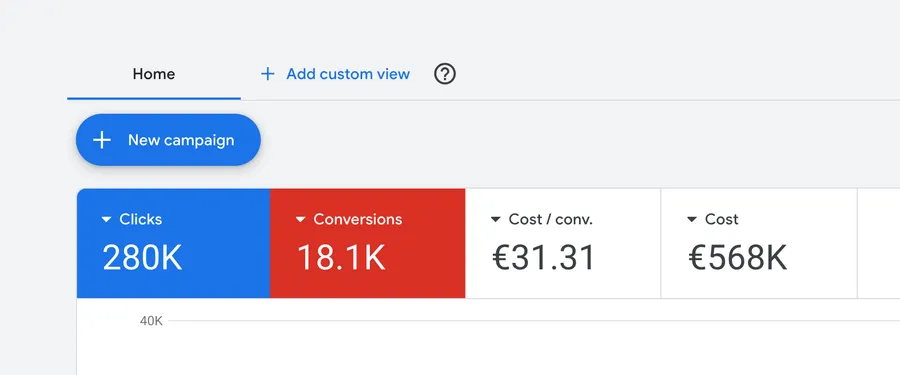
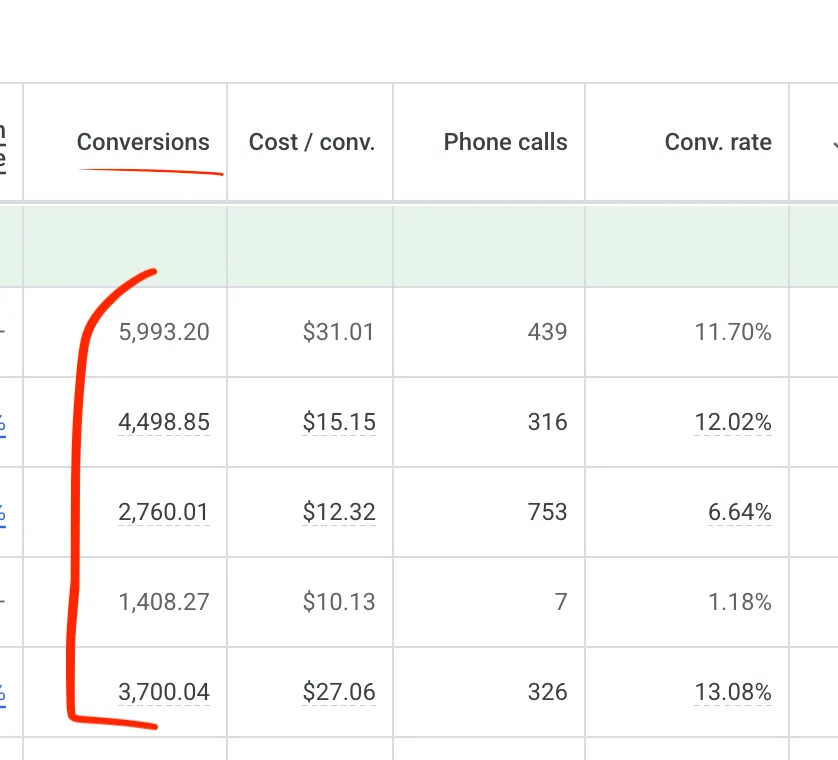
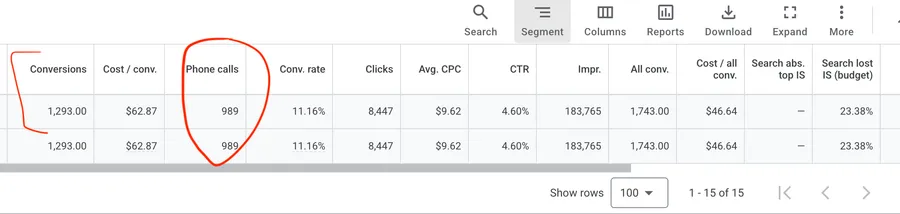
Nutritionist Google Ads work best when they target people who have already decided they want professional help and are choosing a practitioner. These are not awareness campaigns. They capture demand that already exists.
Campaigns built around your specialisation help attract people looking for the services you provide. Broad targeting wastes budget on irrelevant clicks. Tight, niche-specific campaigns capture the clients you actually want.
We build nutritionist Google Ads campaigns around your specialisation. If you focus on gut health, we target searches around IBS, SIBO, food intolerances, and digestive issues. If you specialise in sports nutrition, we target athletes, runners, and performance-focused searches. If your niche is women's health, we target PCOS, fertility nutrition, and hormonal balance searches. Each campaign speaks directly to the problem the searcher is trying to solve and positions you as the practitioner who can help.
Landing pages matter as much as the ads themselves. A click on a Google ad for "gut health nutritionist" that lands on your generic homepage is a wasted click. We build dedicated landing pages for each campaign that match the searcher's intent, demonstrate your expertise in their specific area, and make booking a consultation straightforward. No friction, no confusion, no wondering whether you actually specialise in what they need.
Google Ads for Online Programs and Courses
If you sell online nutrition programs, group coaching, or courses alongside clinical consultations, Google Ads can drive sales for those too. The campaign structure is different from clinic-based campaigns because the conversion is a purchase, not a booking, and the targeting often goes national rather than local. We build separate campaign structures for program sales that track revenue directly and optimise toward return on ad spend rather than cost per lead.
Nutritionist Website Design: Your Digital Shopfront
Nutritionist website design has a job that most healthcare websites do not: it needs to sell you as a person, not just a practice. Clients choosing a nutritionist are choosing an individual. They want to know your philosophy, your approach, your personality, your areas of expertise. A clinical-looking website with stock photos and generic copy about "holistic nutrition" does not do that work.
Effective nutritionist website design starts with clear positioning. Within ten seconds of landing on your site, a visitor should understand what you specialise in, who you work with, and what makes your approach different. That clarity drives everything else: the navigation structure, the service pages, the content hierarchy, the booking flow.
Your website also needs to handle multiple conversion paths. Some visitors are ready to book immediately. They need a prominent booking button and a frictionless scheduling system. Others are researching. They need content that builds trust and a way to stay connected, through email signup, social links, or downloadable resources, so you can nurture them until they are ready.
For nutritionists offering online consultations or programs, the website has to do even more. It becomes the storefront for your digital products, the hub for your content, and the platform that converts traffic from social media and Google into revenue. We design nutritionist websites that handle all of this without feeling cluttered or overwhelming, because a confused visitor does not book.
Booking System Integration
Most nutritionists use online booking systems like Cliniko, Practice Better, or similar platforms. Your website needs to integrate with whatever system you already use, not force you onto a new one. We build websites that connect with your existing booking tools so the experience feels seamless for clients and does not create extra admin work for you.
Nutritionist Facebook Ads and Instagram Marketing
Nutritionist Facebook ads and Instagram marketing serve a different purpose from search-based channels. Google captures people who are already looking. Social media creates awareness and builds the personal brand that makes people choose you when they are ready.
For nutritionists, Instagram is often the primary social platform. It is where food content thrives, where health-conscious audiences spend time, and where your personality and approach can come through in ways that a website alone cannot achieve. TikTok has become increasingly important too, particularly for reaching younger demographics interested in nutrition and wellness.
The challenge most nutritionists face with social media is the gap between followers and clients. Building a following is one thing. Converting that following into booked consultations is another problem entirely. We build nutritionist Facebook ads campaigns and Instagram strategies that bridge that gap through a combination of awareness content that grows your audience, engagement content that builds trust and connection, and conversion content that drives actual bookings.
Paid Social for Nutritionists
Nutritionist Facebook ads put your content in front of the right people, using interest, location and lookalike audiences built from people who have enquired, plus retargeting of your engaged followers.
For program launches and course sales, paid social becomes even more valuable. A well-structured launch campaign combining awareness, engagement, and conversion phases can fill a group program or generate course sales at scale in ways that organic posting alone cannot match.
Content That Converts on Social
The content that builds followers is not always the content that drives bookings. Recipe posts and general nutrition tips attract likes. But posts that show your clinical thinking, use de-identified case examples to explain your reasoning without promising results, explain your approach to specific conditions, or address common misconceptions in your niche are what move followers toward becoming clients. We help nutritionists develop content strategies that balance audience growth with client acquisition.
Niche Positioning: The Non-Negotiable for Nutritionist Marketing
Every nutritionist marketing strategy we build starts with niche positioning. Trying to market yourself as a general nutritionist who helps everyone with everything is the fastest way to get lost in a crowded market.
The nutritionists who build thriving practices are known for something specific. Gut health. Sports performance. Women's hormonal health. Paediatric nutrition. Functional nutrition for chronic conditions. Weight management through a non-diet approach. Vegan and plant-based nutrition. Each of these niches has its own audience, its own search behaviour, its own content opportunities, and its own competitive landscape.
Niche positioning does not mean turning away clients outside your specialty. It means your marketing speaks to a specific audience with specific problems, so the right people find you and immediately recognise that you understand their situation. A gut health nutritionist who writes deeply about IBS, SIBO, and food intolerances will attract general nutrition clients too. But a generalist who writes about everything will struggle to attract anyone.
Online Consultations and Digital Programs
The shift to telehealth has been transformative for nutritionists. Unlike many healthcare professions where in-person assessment is critical, nutrition consultations translate well to video calls. This means a nutritionist in regional Queensland can serve clients in Melbourne, a specialist in a narrow niche can draw from a national client base, and geographic limitations on practice growth largely disappear.
Marketing for online nutrition consultations requires different targeting than clinic-based marketing. Local SEO matters less. National keyword targeting and social media reach matter more. Your website needs to communicate clearly that you offer online consultations and make the booking process just as simple as an in-person visit.
Digital programs, courses, and group coaching represent another growth channel that most nutritionists underutilise. A well-designed six-week gut health program, a sports nutrition course for endurance athletes, or a group coaching program for women managing PCOS can generate significant revenue without requiring more clinical hours. Marketing these products is closer to e-commerce than healthcare marketing, and we build campaigns specifically designed for program sales.
Health Fund Coverage: A Marketing Angle Worth Using
Some private health funds offer rebates for nutritionist consultations under extras cover, though coverage varies significantly between funds and policy levels. Where your clients can claim rebates, this is worth communicating in your marketing. It reduces the perceived cost barrier and gives fence-sitters a practical reason to book.
We help nutritionists identify which funds offer coverage, communicate this clearly on their websites and in ad copy, and use it as a conversion driver without overstating what clients can expect to receive back.
Why Generalist Agencies Fail Nutritionist Marketing
Most marketing agencies that take on a nutritionist client treat it like any other small business. Run some Google Ads, post on social media, maybe write a few blog posts. The results are predictable: wasted budget, generic content that does not differentiate, and a steady trickle of leads who are price-shopping rather than looking for the right practitioner.
Nutritionist marketing requires understanding the private-pay model, the nutritionist-dietitian distinction, the role of personal brand in client acquisition, the importance of niche positioning, the content-to-client pipeline that drives most successful nutrition practices, and the compliance considerations around health claims. We bring that understanding because healthcare marketing is all we do. We are not learning your industry on your budget.