











Why Independent Optometry Practices Need Specialist SEO
Optometrist SEO faces a competitive challenge unique among healthcare verticals: corporate chains with national advertising budgets, prime retail locations, and aggressive price positioning that most independent practices cannot match through paid channels. SEO is the one area where independent practices can genuinely compete on a level playing field. Chains build one location page per store and spread their SEO effort across hundreds of sites. An independent practice can concentrate its entire SEO investment on its specific catchment, creating deeper local content and stronger geographic signals than any chain page can achieve.
But optometry seo is not just about outranking chains in local search. It is about changing the conversation from price to clinical quality. A patient searching for 'eye test near me' may not yet understand what your comprehensive examination involves and why the time you spend matters. Content that educates patients before they book can explain what retinal imaging reveals, what OCT scans detect, why binocular vision assessment matters and which conditions the examination screens for beyond simple refraction. This shifts the decision from the cheapest option to the most thorough care.
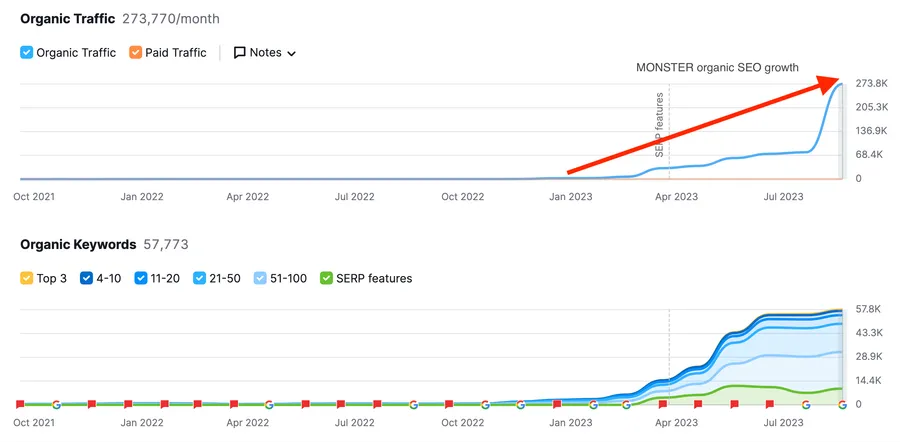
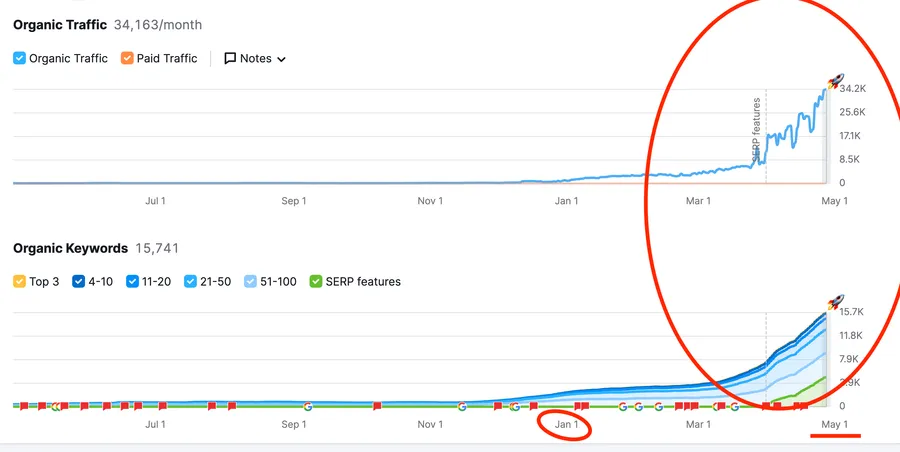
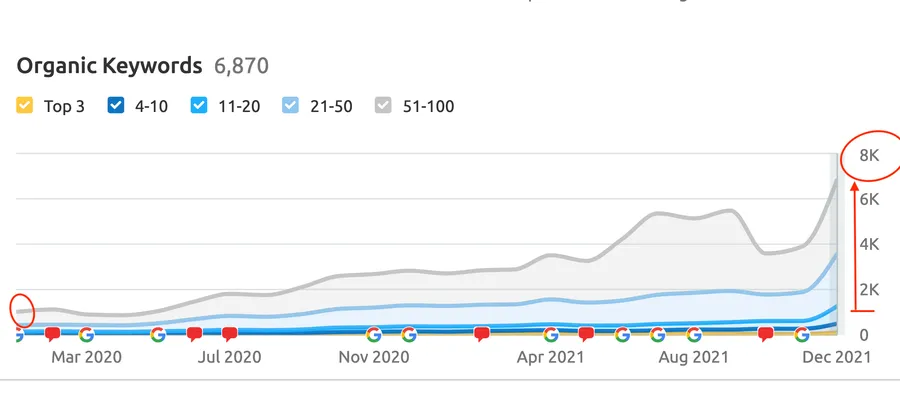
Our team has 10+ years of healthcare marketing experience. We understand chain competitive dynamics, bulk billing versus private fee positioning, specialist service opportunities, and the Ahpra compliance requirements that shape content creation for optometrists. The practices that invest in specialist optometry SEO build an organic asset that compounds over time and reduces their long-term vulnerability to chain advertising spend.
Local SEO: Where Independent Practices Win
Local SEO is the single most important channel for independent optometry practices. When a patient searches for an optometrist, Google shows the local map pack above organic results. Appearing in this map pack for your suburb and surrounding areas puts your practice in front of patients at the exact moment they are deciding where to book.
Local optometry SEO involves several interconnected elements. Your Google Business Profile needs to be fully optimised with accurate specialist categories, complete service listings covering both clinical and optical services, regular posts about seasonal eye health topics and practice updates, and an active review profile. Your website needs suburb-specific content that reinforces geographic relevance without resorting to doorway pages that violate Google's guidelines. Local citations across directories including HealthEngine, HotDoc, and White Pages need to be consistent in name, address, and phone number across every listing.
The competitive advantage for independent practices in local SEO is concentration. A chain like Specsavers has a single template page for each of its hundreds of locations. Your practice can create rich, detailed content about your specific community, your team, your equipment, and your clinical approach. This depth of local relevance is something chains cannot replicate at scale, and it is the foundation of effective healthcare SEO for optometry. Practices that invest in genuine local content consistently outrank chain location pages in their catchment, even when the chain has far greater overall domain authority.
Bulk Billing, Medicare Rebates, and Search Intent
The bulk billing decision fundamentally shapes your optometry SEO strategy. Patients searching for 'bulk billing optometrist' or 'free eye test Medicare' have different intent from those searching for 'comprehensive eye examination' or 'specialist optometrist'. Understanding these intent signals and creating content that addresses each appropriately is central to seo for optometrists in the Australian market.
Medicare optometry rebates are a significant driver of search behaviour. Many patients know they are entitled to a Medicare-funded eye test but are unclear about how often they can claim, what the rebate covers, which gap fees apply at different practices and whether they need a referral from their GP. Content that answers these questions clearly captures high-intent traffic from patients who are ready to book once they understand the process. Pages explaining Medicare eligibility for different age groups and clinical circumstances, bulk billing availability at your practice, and what your comprehensive examination includes beyond the minimum Medicare requirements help patients understand the genuine value proposition of choosing your practice over a chain alternative.
For practices that bulk bill standard consultations but charge privately for specialist services like dry eye clinics, myopia management, and orthokeratology, the SEO strategy needs to reflect this hybrid model. Separate content streams target bulk billing volume searches and specialist service value searches, ensuring your practice captures demand across both patient types without confusing the messaging or creating unrealistic expectations about fees.
Specialist Services: The SEO Advantage Chains Cannot Match
Specialist services represent the strongest organic growth opportunity for independent optometry practices, and this is where optometrist seo delivers some of its highest returns. Chains are built for volume: quick eye tests, frame sales, and contact lens dispensing at scale. They are not built around the specialist clinical time that independent practices can provide, and this creates a search opportunity with low competition and high patient value that independent practices are uniquely positioned to capture.
Myopia management content targets parents who are concerned about their child's worsening vision and want to understand their options beyond simply updating the prescription each year. Orthokeratology and myopia control spectacle and contact lenses are services that parents actively search for once they understand that progressive myopia can be slowed with appropriate intervention. SEO content that educates parents about the long-term risks of high myopia and explains the treatment options available captures these families at the research stage and positions your practice as the experienced local option they are looking for.
Dry eye treatment content reaches patients seeking relief from chronic symptoms that affect their quality of life and daily comfort. Many dry eye sufferers do not realise their symptoms have a treatable cause or that their local optometrist offers dedicated dry eye services including IPL therapy, meibomian gland expression, and ongoing management plans. SEO content that connects symptoms to treatment options captures patients who might otherwise suffer in silence or rely on over-the-counter drops indefinitely.
Children's vision content targets parents who prioritise expertise over convenience when choosing eye care for their children. Pages about paediatric eye exams, developmental vision milestones, early detection of amblyopia and strabismus, and school readiness vision assessments attract parents who actively seek specialist paediatric care. These patients are rarely price-sensitive and represent long-term practice relationships that generate value over many years of ongoing care.
Condition and Screening Content
Beyond routine eye examinations, independent optometry practices provide clinical screening services that patients may not associate with their local optometrist. Content covering glaucoma screening, macular degeneration monitoring, diabetic eye assessments, and therapeutic optometry services demonstrates the diagnostic depth that differentiates your practice from a retail-focused chain appointment.
Glaucoma content targets patients who have been identified as at risk, who have a family history of the condition, or who have been advised by their GP to have their intraocular pressure monitored regularly. Macular degeneration content reaches older patients and their families researching monitoring options and understanding what OCT imaging and retinal photography can reveal about disease progression. Diabetic eye screening content connects with patients managing diabetes who need regular retinal assessments to detect diabetic retinopathy, and who may not realise their optometrist can provide this essential screening without a specialist ophthalmology referral.
These condition pages also serve an important positioning function for your practice. When a patient lands on your glaucoma screening page and reads detailed, clinically authoritative content about tonometry, visual field testing, pachymetry, and OCT imaging, they understand that your practice offers genuine clinical capability well beyond basic refraction. This understanding shapes their perception of your practice and makes the value of comprehensive care tangible rather than abstract. It answers the unspoken question every prospective patient has: what makes this practice different from the chain down the road?
Contact Lens SEO in a Commoditised Market
Contact lens searches present a specific challenge for optometry SEO. Patients increasingly purchase lenses online from discount retailers, and chain optometry offers basic fitting as a loss leader to drive foot traffic. SEO content for contact lens services needs to focus on the clinical value that independent practices provide: thorough fitting assessments that go beyond auto-refraction, access to specialist lens types including multifocal, toric, scleral, and orthokeratology lenses, and proper follow-up care that ensures safe and comfortable long-term lens wear.
Content that explains why professional contact lens fitting matters can cover the difference between a proper corneal assessment and a quick measurement, the risks of poorly fitted lenses, including corneal ulcers and chronic discomfort, and the specialist options available for complex prescriptions and challenging corneal shapes. This helps patients understand why visiting your practice for lens fitting is worth more than ordering online based on an old prescription. This content captures patients who value safety and comfort over the lowest possible price, and who are willing to pay for the clinical expertise that ensures their lenses are right for their eyes. For practices offering speciality lenses like scleral lenses for keratoconus or post-surgical corneas, dedicated content targeting these niche searches can attract patients from well beyond your typical catchment who are searching for providers with specific fitting expertise that is not widely available.
Technical SEO for Optometry Websites
Many optometry websites run on outdated platforms with slow load times, poor mobile performance, and minimal structured data. Technical SEO forms the foundation that all content and local optimisation builds upon. Without a technically sound website, even strong content will underperform in search results because Google considers page experience a ranking factor alongside content relevance and authority.
We address Core Web Vitals including page speed and layout stability, implement healthcare-specific schema markup for optometry services and practitioner profiles, ensure proper mobile responsiveness across all page types including service pages and booking flows, and resolve crawl errors that prevent Google from indexing your content properly. For practices using Optomate, Sunix, or other optometry-specific practice management systems, we ensure online booking integration works smoothly without creating technical issues that affect site performance or user experience. A technically sound website also improves conversion rates because patients are more likely to book when pages load quickly and booking forms work reliably on their mobile device.
Measuring Optometry SEO Performance
Optometry SEO success should be measured in booked appointments and new patient registrations, not just keyword rankings and traffic numbers. Rankings and traffic are important leading indicators, but what matters to your practice is whether organic search is generating patients who book examinations and engage with your specialist services.
We track performance across multiple dimensions. Local pack rankings show whether you are visible when patients search in your catchment area. Service-specific rankings track visibility for specialist searches like myopia management and dry eye treatment. And conversion tracking connects organic visits to actual appointment bookings through call tracking, online booking attribution, and enquiry form submissions. Monthly reporting breaks this down by service line so you can see where organic search is contributing to practice growth and where your seo for optometrists investment should focus next.
This performance data also informs ongoing strategy. If dry eye content is generating strong organic traffic but converting poorly, we investigate whether the content needs a clearer call to action, whether the booking pathway creates friction, or whether the page is attracting informational searches that need different conversion tactics. SEO is not a static investment. It requires ongoing refinement based on actual performance data, and the practices that treat it as a living program rather than a one-time project consistently see stronger and more sustainable growth in organic patient acquisition. For independent optometry practices competing against chains with large marketing departments, this ongoing attention to SEO performance ensures your organic visibility continues to strengthen over time rather than stagnating while competitors invest.