











The Osteopathy Search Landscape
Osteopath SEO operates in a search environment that is fundamentally different from most allied health disciplines. When a patient has back pain, they do not search for osteopath. They search for back pain treatment, lower back pain relief, or back pain specialist near me. The same applies to neck pain, headaches, sciatica, pregnancy discomfort, and dozens of other conditions osteopaths treat daily. This means the largest organic opportunity for osteopathy practices sits in condition-based searches where patients have not yet chosen a profession.
At the same time, profession-specific searches like osteopath near me and osteopathy clinic carry strong intent from patients who have already decided they want osteopathic care. These searches have lower volume but higher conversion rates. An effective osteopath SEO strategy must capture both layers: the condition searches that represent the broader opportunity and the profession searches that represent the highest-intent traffic.
The competitive dimension adds complexity. On condition searches, you are not just competing against other osteopaths. You are competing against physiotherapy clinics, chiropractic practices, GP websites, and health information portals. Winning these rankings requires content that demonstrates genuine clinical depth in the osteopathic approach to each condition, not thin service pages with a paragraph of text and a booking button.
Understanding this search landscape is the first step in building an osteopath seo strategy that captures meaningful patient volume. Generic approaches that only target osteopath near me leave the vast majority of potential patients undiscovered. The practices that grow their organic traffic consistently are the ones that invest in condition-level content depth alongside strong local signals.
Condition Pages That Rank and Convert
The most valuable SEO asset an osteopathy practice can build is a library of condition-specific pages. Each page targets a condition your practice treats, explains the osteopathic approach to assessment and treatment, and captures organic traffic from patients searching for solutions to that problem.
Back pain is typically the highest-volume condition keyword for osteopathy practices. A strong back pain page explains how an osteopath assesses the whole body to understand why the pain exists, not just where it hurts. It covers how structural relationships between the pelvis, spine, and surrounding muscles influence lower back presentations. It addresses what patients can expect during their first appointment, how many sessions are typically needed, and how osteopathic treatment differs from other manual therapy approaches. This level of clinical depth is what separates pages that rank from pages that sit on page three.
The same approach applies to neck pain, headaches, sciatica, shoulder pain and pregnancy-related pain. Each page needs to be substantial enough to demonstrate genuine expertise, specific enough to target relevant search terms, and written in language patients understand. We develop these condition pages in collaboration with your clinical team, ensuring medical accuracy while maintaining SEO effectiveness and Ahpra compliance. This condition-led approach is the foundation of effective seo for osteopaths.
Pregnancy-related conditions deserve particular attention. Searches for pregnancy back pain, pregnancy osteopath, and prenatal pain relief attract expectant mothers who are actively seeking safe, hands-on care. Osteopaths who treat pregnant patients have a genuine advantage here because the whole-body approach resonates strongly with this audience. Content explaining how osteopathic assessment considers the biomechanical changes of pregnancy and how treatment is adapted for safety captures a patient group that many competing physiotherapy and chiropractic practices do not target as effectively.
Differentiating Osteopathy in Search Results
The single biggest challenge in osteopathy seo is differentiation. When a patient searches for back pain treatment near me, the search results show osteopaths, physiotherapists, chiropractors, and sometimes GPs. If your listing and your page content look identical to a physiotherapy clinic down the road, you have no competitive advantage in organic search.
Differentiation in SEO happens at two levels. First, your meta titles and descriptions need to communicate what makes osteopathy different. A meta description that says osteopathic whole-body assessment for back pain tells the searcher something specific about your approach that a generic manual therapy description does not. Second, your page content needs to articulate the osteopathic philosophy clearly: the whole-body examination, the assessment of how different regions influence each other, and the hands-on treatment approach that addresses underlying structural relationships rather than just the site of pain.
This is not about claiming osteopathy is superior to other professions. It is about helping patients understand what your approach involves so they can make an informed choice. Strong osteopath marketing through SEO depends on getting this differentiation right across every page.
The practical application of differentiation extends to how you describe your consultation process. Your content should describe the extended consultation time, the full-body assessment, and the way treatment addresses contributing factors rather than just the symptomatic area. These concrete details give patients a reason to choose your listing over a competitor, and they give search engines genuinely unique content that warrants higher rankings.
Local SEO for Osteopathy Practices
Local SEO is where most osteopathy patient acquisition happens in organic search. When a patient searches for osteopath near me or osteopath in a specific suburb, Google shows the local map pack above organic results. Appearing in this map pack for your suburb and surrounding areas is the single most important driver of patient acquisition.
Osteopathy local SEO involves several interconnected elements. Your Google Business Profile needs accurate categories, complete service listings including all conditions you treat and techniques you offer, regular posts, and active review management. Your website needs location-specific content that reinforces your geographic relevance for the areas you serve. Local citations across healthcare directories including Healthengine, HotDoc, and general business directories need consistent name, address, and phone number data. And your review profile needs to demonstrate patient satisfaction with volume and rating that exceeds local competitors.
For osteopathy practices with multiple locations, local SEO becomes a multi-site challenge. Each location needs its own Google Business Profile, location-specific pages on your website, and independent citation management. We build strategies that help each location rank in its own area without the locations competing against each other. This is where specialist healthcare SEO separates itself from the generalist approach.
Reviews carry particular weight for osteopathy local SEO. Prospective patients who are unfamiliar with osteopathic treatment rely heavily on reviews to build confidence. Reviews that describe the consultation experience, the thoroughness of assessment, and the practitioner's communication style provide social proof that converts uncertain searchers into booked appointments. We advise on ethical, Ahpra-compliant review generation approaches that build a steady stream of genuine patient feedback across Google and healthcare directories.
Cranial Osteopathy and Specialisation SEO
Osteopaths who offer cranial osteopathy, sports osteopathy, or paediatric osteopathy have additional SEO opportunities that most practices leave untapped. Each specialisation attracts distinct patient groups who search differently and respond to different messaging.
Cranial osteopathy SEO targets patients searching for gentle treatment approaches, with content that describes the session rather than promising results for infants, migraine or concussion. These searches represent audiences that other manual therapy professions rarely capture, giving osteopaths a genuine competitive advantage. Content needs to explain the cranial approach clearly while staying within Ahpra guidelines around evidence-based claims, particularly for infant treatment.
Sports osteopathy SEO captures athletes and active individuals searching for injury treatment, biomechanical assessment, and performance support. Keywords around hamstring injuries, shin splints, shoulder pain in athletes, and return-to-sport assessment attract patients who value sport-specific expertise. This content positions your practice as understanding athletic demands, training load management, and the role of whole-body assessment in sports injury recovery.
Paediatric osteopathy content targets parents researching posture and sport-related aches in older children, with claims kept to what the evidence supports. These parents research extensively before booking and respond to content that demonstrates genuine paediatric expertise with appropriately qualified claims. Each specialisation warrants dedicated pages that target specific keywords and address the concerns of each patient group. This depth of specialisation content is what makes osteopathy marketing through SEO particularly effective.
Ahpra Compliance in Osteopathy SEO Content
Every piece of content on your osteopathy website is advertising under Ahpra guidelines. This means condition pages, technique descriptions, blog posts, and practitioner profiles all need to comply with the Osteopathy Board of Australia's advertising requirements. The most common compliance issues in osteopathy SEO content involve treatment outcome claims that are not supported by acceptable evidence, particularly around cranial osteopathy and infant treatment, use of patient testimonials in any form, comparative claims about osteopathy being superior to other professions, and language that implies certain outcomes from manual therapy.
Our approach integrates Ahpra compliance from the start of content development, not as an afterthought review. We create osteopath practice seo content that explains your approach, describes your assessment process, and communicates the conditions you treat without crossing into prohibited territory. This is not a limitation on effectiveness. Compliant content that educates patients about the osteopathic approach converts well because it builds genuine understanding and trust. Agencies without experience in Ahpra-regulated healthcare frequently produce non-compliant content that risks regulatory attention and ultimately needs to be rewritten. Osteopathy marketing that ignores compliance is a liability, not a shortcut.
The compliance dimension also affects how technique content is written. Pages about cranial osteopathy, visceral osteopathy, or specific manual techniques need to describe what the treatment involves and who commonly seeks it without making claims about efficacy that exceed the available evidence base. This requires a nuanced understanding of both the Ahpra guidelines and the clinical realities of osteopathic practice, which is why specialist healthcare SEO expertise matters for this content.
EPC Referrals and the GP Pathway
GP chronic condition management plans are a significant patient acquisition channel for osteopathy practices. With a plan and a GP referral, patients can access Medicare rebates for up to five allied health services per calendar year, shared across all allied health providers, including osteopathy. Your osteopathy practice website should clearly communicate that you accept EPC referrals and explain how the referral process works.
From an SEO perspective, content about Medicare-funded osteopathy, EPC referral pathways, and how patients can access rebated treatment captures searches from patients researching their options. Many patients do not know osteopathy is eligible under EPC plans. Content that explains this pathway removes a cost barrier and drives appointments from patients who might otherwise assume osteopathic treatment is entirely out-of-pocket.
This content also supports your local SEO strategy by providing additional relevant pages that reinforce your geographic relevance and clinical scope. When a GP searches for an osteopath to include on a care plan, your website's clear communication about EPC acceptance and referral processes helps you become the preferred local referral option.
Measuring Osteopath SEO Performance
Osteopath SEO success should be measured across multiple layers that reflect how patients actually find and choose an osteopathy practice. Keyword rankings for both condition searches and profession searches show whether your visibility is growing for the terms that matter. Organic traffic trends show whether that visibility is translating into website visits. And conversion tracking, including call tracking and booking system integration, shows whether those visits are becoming real patient enquiries.
We track osteopathy seo performance with reporting that separates condition-keyword performance from profession-keyword performance. This distinction matters because the two search types have different volumes, different competition levels, and different conversion behaviours. A patient who searches for osteopath near me is further along their decision-making journey than a patient searching for back pain treatment, and your SEO strategy needs to account for both.
Monthly reporting breaks performance down by condition area, specialisation, and geographic location so you can see which parts of your organic strategy are delivering patients and where opportunities remain. This data also informs ongoing content decisions, helping us prioritise new condition pages and content updates where they will have the greatest impact on your practice growth.
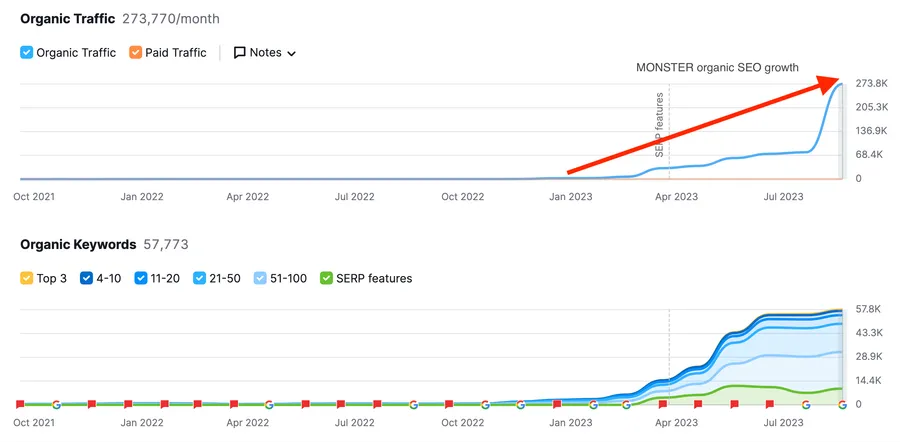
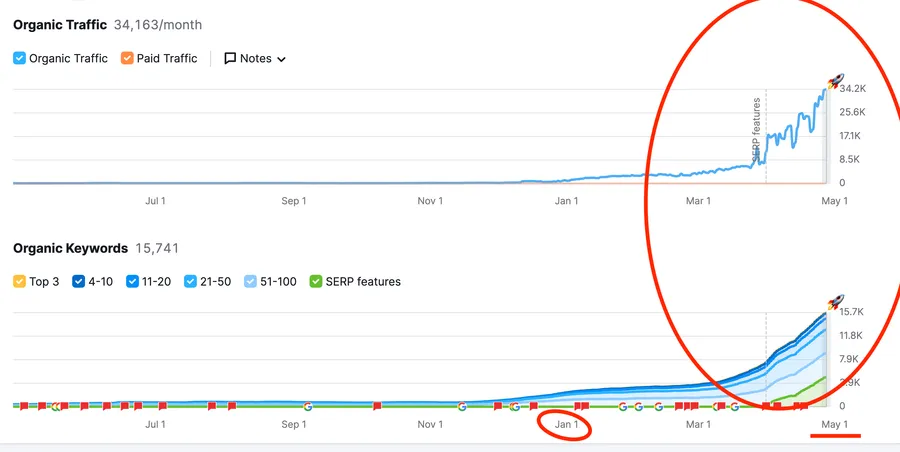
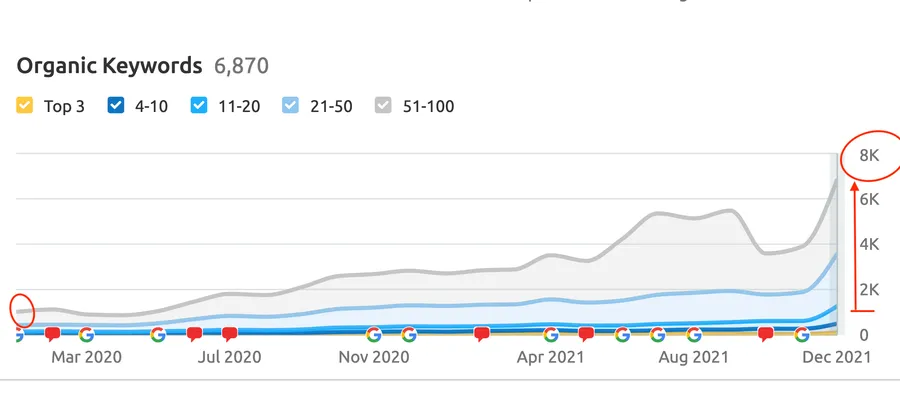
The long-term value of investing in osteopath seo is the compounding nature of organic traffic. Each condition page that ranks well, each local signal that strengthens your map pack position, and each review that builds social proof contributes to a growing stream of patient enquiries that you do not pay for on a per-click basis. Unlike paid advertising, where traffic stops the moment your budget runs out, organic rankings continue attracting patients month after month, making SEO one of the highest-return marketing investments for osteopathy practices over a twelve-month horizon and beyond.