











How Physio Patients Search
Patients searching for physiotherapy rarely type 'physiotherapist' into Google. They search for their problem. 'Lower back pain after sitting at desk'. 'Knee pain after running'. 'Shoulder pain sleeping on side'. 'Physio for ACL rehab near me'. These condition-specific, location-modified searches represent patients who are ready to take action. A patient in Sydney's northern beaches searching for 'neck pain physio Manly' has completely different intent from someone in Melbourne's south-east researching 'what does a physio do for sciatica'. Both are valuable, but each requires different content to capture.
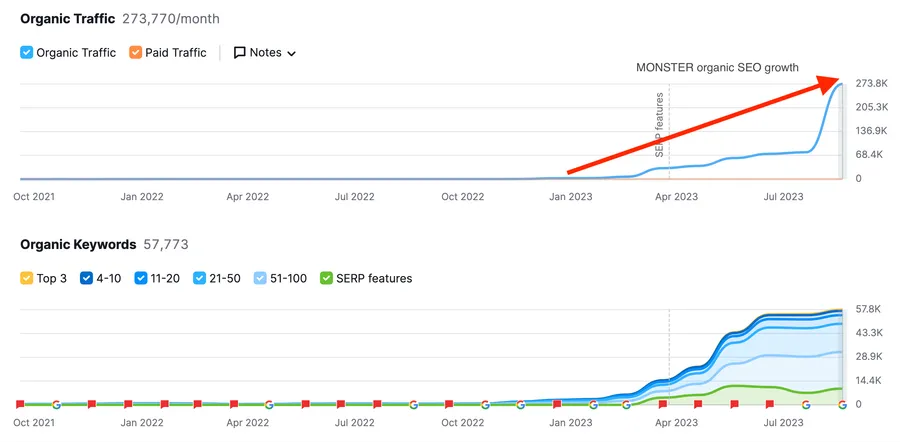
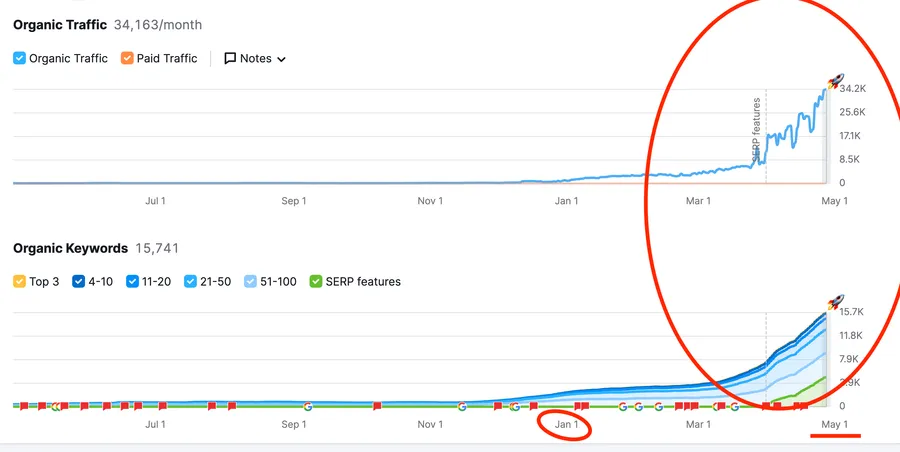
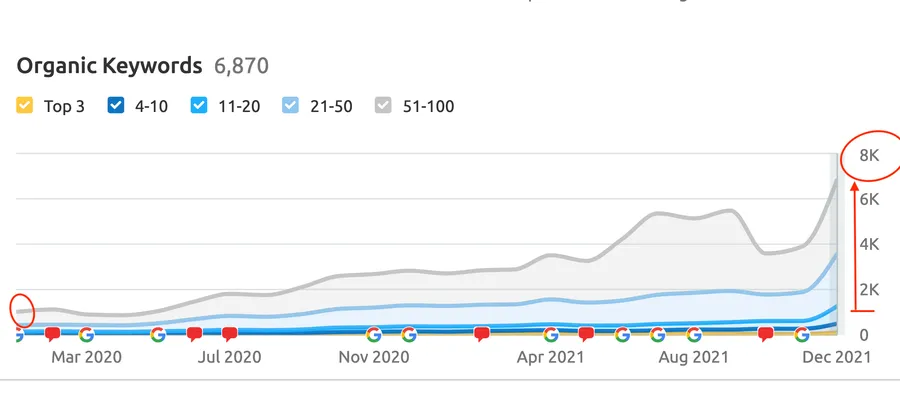
This search behaviour creates a significant physio marketing opportunity for clinics that build content around the conditions they treat. A clinic with a detailed page about sciatica management, written for patients and optimised for local search, will capture traffic that a clinic with only a generic services page will never see. The compound effect of building condition pages across all the problems you treat is significant organic growth over time. Most physio clinic websites have fewer than ten pages of content, which means the opportunity for clinics that invest in depth is substantial compared to more saturated healthcare verticals.
Our approach to SEO for physiotherapists starts with understanding your clinical strengths and the conditions that drive your most valuable patients. We then build a content strategy that systematically targets these conditions across the suburbs you serve, creating an organic acquisition channel that grows month over month without the per-click costs of paid advertising.
Local SEO for Physio Clinics
Effective SEO for physio clinics starts with understanding that physiotherapy is fundamentally local. Patients choose a physio based on proximity to their home, workplace, or gym. Google's local algorithms reflect this, weighting geographic proximity heavily in results for physio searches. A physio clinic in Brisbane's western suburbs competes primarily with clinics within a five-kilometre radius, not with practices across the city.
Local SEO for physiotherapy clinics involves multiple elements working together. Your Google Business Profile needs to be fully optimised with accurate categories, services, and business information. Your website needs location-specific content that signals relevance to each area you serve. Local citations across healthcare directories including HealthEngine, HotDoc, and general business directories need to be consistent. Reviews need to be actively managed with a structured collection process that does not breach Ahpra guidelines.
For clinics serving multiple suburbs, we build location-specific pages that target searches in each area. 'Physio in Bondi Junction', 'sports physio Parramatta', 'physiotherapist Canberra'. Each page is unique, relevant, and structured to rank in its target location. This suburb-level targeting is one of the most valuable physiotherapy SEO approaches and something that separates effective healthcare SEO from generic optimisation.
Suburb and Location Page Strategy
For physiotherapy clinics serving a catchment area that spans multiple suburbs, a dedicated location page strategy is one of the highest-return investments in seo for physiotherapists. Patients search with suburb-level specificity: 'physio Chatswood', 'physiotherapist Surry Hills', 'sports physio South Melbourne'. If your website does not have content targeting these specific suburb searches, you are invisible for patients who are ready to book in those areas.
Effective location pages are not thin templates with a suburb name swapped in. Each page should reference the specific area, the conditions and services most relevant to the local population, and practical information like parking, public transport access, and proximity to local landmarks. A location page for a physio clinic targeting Parramatta, for example, might reference the local sporting clubs, the commuter population seeking desk-related treatment, and the availability of after-hours appointments for workers in the CBD.
We prioritise suburb pages based on search demand, competitive difficulty, and patient value in each area. For clinics in Sydney, Melbourne, Brisbane, and other major cities, this typically means building ten to twenty suburb pages over the first twelve months, each earning its own organic traffic. The cumulative effect of this suburb-level targeting often accounts for a significant proportion of total organic patient enquiries.
Condition Pages That Rank and Convert
The foundation of effective physio clinic seo is condition-specific content. Each condition your clinic treats is a separate ranking opportunity with its own search volume and patient intent. Back pain, neck pain, shoulder impingement, plantar fasciitis, knee osteoarthritis, ACL rehabilitation, sciatica, tennis elbow, and post-surgical recovery all represent distinct search verticals with patients actively looking for treatment.
An effective condition page does more than list symptoms and treatments. It addresses the questions patients are actually asking. What is causing my pain? Will it get better on its own? What does treatment involve? How many sessions will I need? Should I see a physio or a doctor first? Pages that answer these questions comprehensively tend to rank well and support patient enquiries effectively because they build trust before the patient ever contacts your clinic.
We develop condition pages in collaboration with your clinical team. Our writers create patient-friendly content based on clinical input, ensuring accuracy while maintaining readability and SEO effectiveness. All content is reviewed against Ahpra guidelines before publication. The result is a library of condition content that positions your clinic as a knowledgeable, trustworthy option for patients researching their symptoms.
Sports Injury Content Strategy
Sports physio is one of the most competitive and valuable segments of physiotherapy marketing and SEO. Patients searching for sports injury treatment tend to be motivated, engaged, and often willing to pay for specialist care. Clinics that position themselves as sports physio specialists through dedicated content attract patients who value expertise over convenience.
The content strategy for sports physio differs from general physiotherapy content. Athletes and active people want specific information about their injury, recovery timelines, and return-to-sport protocols. They search for terms like 'ACL rehab physio', 'hamstring tear recovery time', 'running knee pain physio', and 'sports physio for shoulder impingement'.
We build sports injury content that addresses these specific searches with authoritative, detailed content. This includes pages for common sports injuries, sport-specific injury profiles, and rehabilitation pathway content that explains what treatment involves at each stage. For clinics near sporting precincts, local sports clubs, or in areas with high recreational activity, such as Sydney's eastern suburbs, Melbourne's bayside, or Brisbane's inner south, sports physio content often becomes the highest-traffic category on the entire website.
Post-Surgical Rehabilitation Content
Post-surgical rehabilitation is a growing search category for physiotherapy clinics. Patients who have undergone knee reconstructions, hip replacements, shoulder repairs, spinal procedures, or other orthopaedic surgeries actively search for physiotherapists who specialise in post-operative recovery. Search terms like 'physio after ACL surgery', 'hip replacement rehab physio near me', and 'post knee arthroscopy physiotherapy' represent patients who need treatment and are actively looking for a provider.
Post-surgical rehabilitation content needs to address the specific recovery pathway for each procedure. Patients want to know what physiotherapy involves after their particular surgery, how many sessions they are likely to need, what the expected recovery timeline looks like, and whether Medicare or private health insurance contributes to the cost. Content that answers these questions positions your clinic as a specialist in post-operative care and captures patients at a high-intent moment in their recovery journey.
For clinics located near hospitals or surgical centres, post-surgical rehabilitation pages can become a significant source of patient referrals. Surgeons and surgical practices often recommend physiotherapy providers to their patients, and clinics with strong organic visibility for post-surgical search terms reinforce those referral recommendations. This intersection of referral-based and search-based patient acquisition makes post-surgical content particularly valuable for seo for physiotherapists.
Practitioner Profile Pages
Patients choosing a physiotherapist care about who they will see. Experience with their specific condition, qualifications, clinical approach, and personality all factor into the decision. Yet most physio clinic websites have minimal practitioner pages with a headshot, a brief bio, and a list of areas treated.
Optimised practitioner profiles include detailed information about each physiotherapist's clinical interests, postgraduate qualifications, manual therapy skills, specific conditions they treat most frequently, and their treatment philosophy. These richer profiles rank for name searches, specialisation searches like 'sports physio [name]' or 'dry needling physio [suburb]', and help patients assess fit before making contact. For group practices, strong practitioner profiles also distribute organic visibility across the team rather than concentrating it on the practice name alone.
Practitioner profiles are particularly important for clinics where individual physiotherapists have distinct specialisations. A clinic might have one physio who focuses on sports injuries, another on post-surgical rehabilitation, and a third on chronic pain and women's health. Individual profile pages that reflect these specialisations create multiple organic entry points and help patients self-select the right clinician for their needs.
Review Strategy for Physio Clinics
Patient reviews directly influence both local search rankings and patient decision-making for physiotherapy clinics. Google's local algorithm uses review signals, including volume, recency, and rating, as ranking factors for the map pack. Patients also read reviews before booking, with most prospective patients checking Google reviews as part of their selection process.
A consistent feedback process helps clinics identify problems with booking, reception and access. Keep feedback requests focused on these administrative aspects rather than asking patients to describe their treatment or outcomes.
Ahpra compliance is critical in review management for physiotherapy clinics. While Ahpra restricts the use of testimonials in advertising, patient-initiated Google reviews that describe the booking experience, clinic environment, or administrative service are generally compliant. Clinics should not solicit reviews that reference clinical outcomes or treatment results, and should not selectively publish or promote reviews that could constitute testimonial advertising. We help physiotherapy clinics develop review processes that support local SEO performance while maintaining full compliance with Ahpra advertising guidelines.
Pilates, Hydrotherapy, and Specialist Service Pages
Many physiotherapy clinics offer specialist services that represent distinct search opportunities. Clinical Pilates, hydrotherapy, dry needling, shockwave therapy, and vestibular rehabilitation all have patients searching specifically for these treatments.
Each specialist service needs its own page with dedicated content explaining what the treatment involves, who it is suitable for, and how it fits within a broader treatment plan. These pages capture patients who have already decided they want a specific treatment and are now looking for a provider. A patient searching for 'clinical Pilates physio near me' has progressed past the research stage and is ready to book.
For clinics with Pilates studios or hydrotherapy pools, these pages also serve as differentiation content. Not every physio clinic offers these services, and patients actively seeking them are often high-value, long-term clients. A well-optimised Pilates or hydrotherapy page can attract patients who remain with your clinic for months or years of ongoing sessions.
NDIS, WorkCover, and DVA Pathways
Funded pathway searches represent a valuable and often overlooked segment of physiotherapy SEO. Patients searching for 'NDIS physio near me', 'WorkCover physiotherapy', or 'DVA physiotherapy' are looking for providers who accept their specific funding arrangement. These searches have clear intent and relatively low competition because many physio clinics that accept these pathways do not have dedicated content addressing them.
NDIS physiotherapy content should communicate your registration status, the participant groups you support, specific therapy supports funded under Capacity Building (Improved Daily Living), and how participants or their support coordinators can initiate services. WorkCover content should explain the claims process, what documentation is needed, and how your clinic works with insurers and case managers. DVA content should explain that Gold and White Card holders need a GP referral (D904), that treatment runs in cycles of up to 12 sessions or 12 months, and what services are covered.
Medicare chronic condition referral pages are another opportunity. Patients referred by their GP for physiotherapy under Medicare often search for information about the process, including how many sessions they can claim under a GP chronic condition management plan (up to five allied health services a year, shared across providers), and what out-of-pocket costs to expect. Content that addresses these questions captures patients at the referral stage when they are actively choosing a provider.
Google Business Profile for Physio Clinics
Your Google Business Profile is often the first interaction a potential patient has with your clinic. It appears in map results, local pack listings, and knowledge panels.
Optimising your Google Business Profile involves more than filling in your address and phone number. Service categories need to be comprehensive and accurate. Business descriptions need to incorporate key services and conditions. Photos should show your clinic, equipment, and team. Posts can highlight services, share health information, and promote seasonal offerings such as pre-season sports screening or workplace ergonomic assessments.
Effective Google Business Profile management is a core component of seo for physiotherapists because it directly controls whether your clinic appears in the map pack for local searches. We manage profile optimisation, category selection, service listings, and posting schedules as part of our physiotherapy SEO service to ensure your clinic maintains strong visibility in local results.
Technical SEO Foundations
A physio clinic website does not need to be technically complex, but it does need to get the basics right. Page speed, mobile responsiveness, proper heading structure, schema markup, and clean URL architecture all contribute to search engine performance. Most patients searching for physiotherapy are on mobile devices, which makes mobile performance particularly important for physio clinic websites.
Common technical issues we see on physio clinic websites include slow page speeds from unoptimised images, missing or incorrect schema markup for healthcare providers, poor mobile performance on booking pages, broken internal links, and thin content that provides little value to search engines or patients. These issues are often compounded on sites built with generic website builders that prioritise visual design over technical SEO fundamentals.
We address these technical foundations as part of every seo for physiotherapists engagement. Technical SEO is not glamorous work, but without it, the condition pages, location content, and practitioner profiles you invest in build on an unstable base. Getting the technical foundations right ensures that the content you create has the best possible chance of ranking and attracting patient enquiries.