











How Physio Patients Research
When someone has shoulder pain, they don't search for 'musculoskeletal physiotherapy services'. They search for 'shoulder pain treatment' or 'physio for rotator cuff'. This condition-based search behaviour shapes how physiotherapy websites should be structured.
We build physio websites with comprehensive condition pages that capture these searches and speak directly to what patients are experiencing. When someone lands on your 'back pain' page, they see content that addresses their specific situation, building confidence that you can help.
Specialisation Matters
Physiotherapy spans many specialisations, and patients often seek specific expertise. A serious runner wants a sports physio who understands running biomechanics. A pregnant woman wants a women's health physio with relevant experience. A stroke survivor needs a neurological physio with appropriate training.
We design websites that clearly communicate your specialisations. Whether you focus on sports injuries, women's health, aged care, or general musculoskeletal issues, your expertise is prominently displayed and explained.
Trust Before Booking
Physiotherapy involves physical contact and personal vulnerability. Patients need to trust you before they book. Your website must build this trust quickly.
Professional design signals competence. Practitioner profiles with photos and qualifications build personal connection. Clear explanations of what to expect in a first appointment reduce anxiety. Clear information about fees, access and appointment options helps patients decide whether the clinic suits their needs.
The Booking Moment
Every physio website has a critical moment: when a visitor decides to book. Friction at this point costs you patients. We design booking experiences that reduce friction and convert interested visitors into booked appointments.
Integration with Cliniko, Nookal, or your practice management system enables real-time online booking. Prominent booking buttons appear throughout the site. The path from any page to booked appointment is clear and simple.
Ahpra Compliance Reality
Physiotherapists operate under Ahpra advertising guidelines that restrict testimonials, outcome claims, and how qualifications are presented. We build compliance into the copywriting process from the start.
All content is reviewed against current guidelines before publication. The result is a website that converts effectively while protecting your registration from advertising complaints.
Building an SEO-Ready Physiotherapy Website
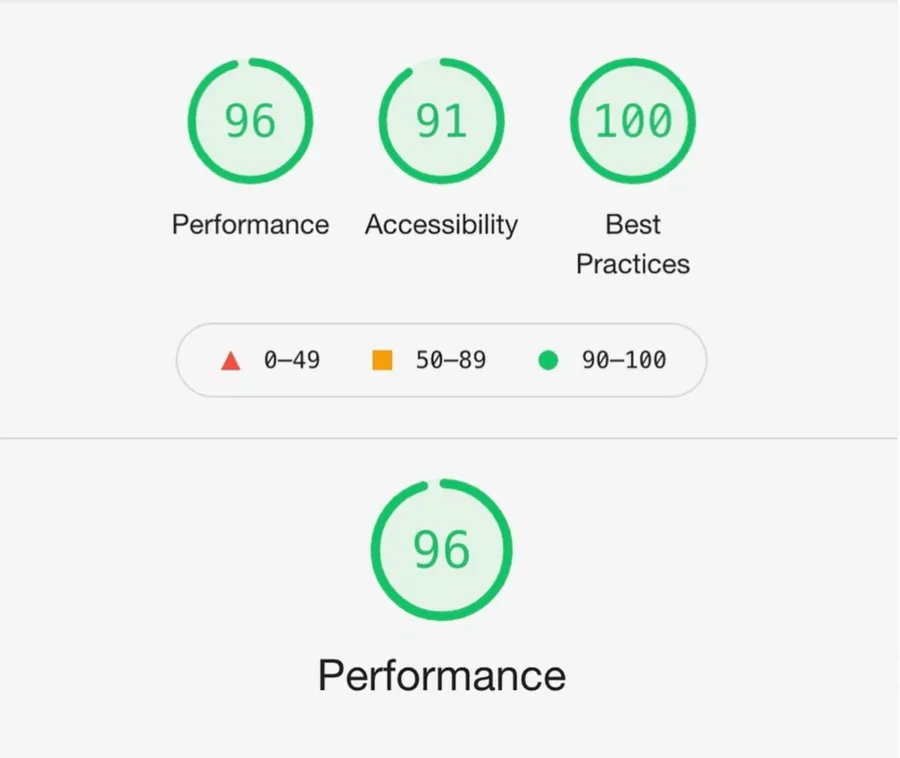
A well-designed physio website is only half the equation. The site architecture itself needs to support the organic search strategy that drives long-term patient acquisition. That means condition pages structured with proper heading hierarchy, internal linking between related services and locations, fast load times on mobile, and schema markup that helps Google connect your practice to the treatments and suburbs you serve. We build every physiotherapy website with this foundation in place so your site is ready to rank from launch day rather than needing a retrofit six months later. For practices ready to invest in organic visibility, our SEO for physiotherapists program builds directly on top of the technical foundations we set during the website build.