






Make referral and rebate information clinician-specific
Better Access provides eligible people with a limited number of rebated services, including up to ten individual sessions per calendar year. It is not an unlimited course of care or an automatic entitlement on booking. Explain referral requirements and fees through the appropriate practice information, without promising that every service or clinician qualifies.
Provisional psychologists cannot provide Medicare-rebated Better Access sessions. Their fees should not be described as a smaller Medicare gap. Clinical psychology endorsement also needs accurate wording, distinct from general registration and from an unsupported claim of superior outcomes. Assessment services, private therapy, NDIS work and group programs need their own eligibility and availability information.
How we would plan the audience and creative
Begin with the available appointment pathway, not a diagnosis to target. Creative can introduce a new clinician, explain how an initial appointment works or clarify telehealth arrangements. Use accurate credentials and service scope, with language that does not assume the viewer has a condition or needs treatment.
Build adult audiences within the practice's service coverage and let educational content reach people researching support. Do not upload client lists or segment audiences by condition page. Lookalikes from enquiry events and general website retargeting are fine. For child services, address adult decision-makers without inferring a child's diagnosis. Test clarity and enquiry suitability before broadening reach. A service with no capacity should not stay in rotation because it attracts inexpensive contacts.
Creative themes with a clear information purpose
- new clinician availability
- first psychology appointment
- telehealth appointment process
- adult service scope
- parent enquiry pathway
- assessment versus therapy
- referral information
We tailor these ideas to your services, audience and advertising requirements.
Audience and creative boundaries
Exclude health-condition targeting, client-list audiences and health-related remarketing from the plan. Keep crisis messaging, clinical testimonials and copy implying personal distress out of the creative.
What the landing page needs to answer
Show the available service, relevant clinician and referral information before the enquiry form. Make the response process clear and move any clinical screening into the secure practice system.
Match the enquiry without collecting a clinical history in marketing
A prospective client needs to understand age groups, service scope, telehealth availability and how the practice handles an initial enquiry. A referring GP needs a secure referral route and accurate information about accepting clinicians. The public form should not invite detailed accounts of trauma, risk or diagnosis merely to request a call. Collect clinical information in the practice's secure intake process.
The website should make clear whether it is a routine appointment service rather than an emergency or crisis service. Enquiry acknowledgements need realistic response expectations. Internally distinguish an appropriate enquiry, a waitlist request, a confirmed appointment and attendance, without giving those clinical categories to advertising platforms.
Plan a focused Meta advertising test
We plan an initial campaign around your services, appointment capacity and objectives, then use enquiry results to guide the next step.
Advertising and communication boundaries
Psychology is an Ahpra-regulated profession. Keep clinical testimonials and cure promises out of advertising, use current registration and endorsement details and treat health-related browsing and enquiry data as sensitive. Meta targeting must not infer a diagnosis, and consent alone does not override a platform's restrictions on health data.
Use: "Psychology appointments for adults, online and in [suburb]." Avoid: "Your anxiety is ruining your life, book now." The second statement asserts a personal health attribute and applies pressure.
Keep sensitive information out of audience and conversion data
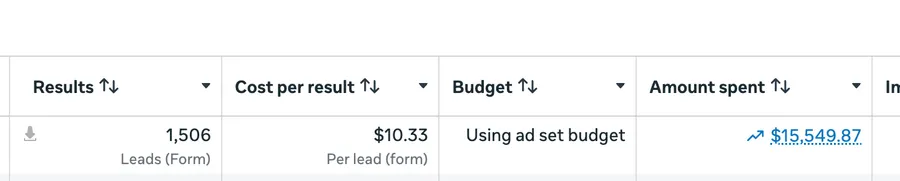
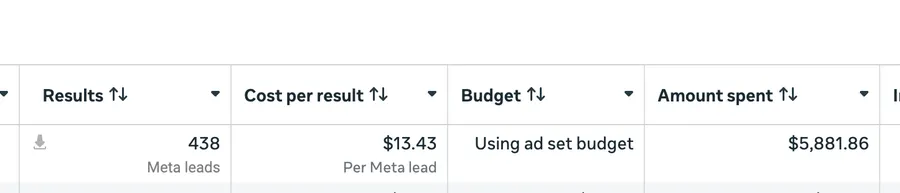
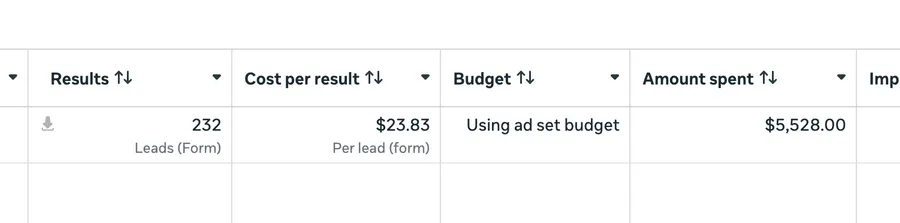
A platform can report a lead without proving that the enquiry was appropriate or that an appointment occurred. Agree internal stages for contactability, suitability and booking before judging creative. Compare platform attribution with the clinic or provider records and explain discrepancies rather than combining the numbers into a single result.
We keep health information out of pixels, server events, URLs and form data sent to ad platforms, and use only permitted signals. Where those are unavailable, we reconcile results against your own records.
How we would judge the work
Use aggregate practice records to review contactability, suitability and appointments. Treat platform-reported leads as an attributed contact measure, not proof of a clinically appropriate referral. Keep clinical categories out of event names and audience data.
Five mistakes to check in an audit
- The whole practice advertised as available. List actual clinician and service capacity rather than inviting enquiries to a closed waiting list.
- Provisional appointments described as a Medicare gap. Explain the actual fee and the lack of Better Access rebates for provisional psychologists.
- Assessment and therapy intent mixed. Testing, reports and ongoing therapy have different intake requirements. Give them distinct pages and booking routes.
- Sensitive histories in lead forms. Request contact details and a suitable contact method, then move clinical intake to an appropriate secure system.
- Crisis searches routed to a routine form. Exclude unsuitable urgent intent from paid acquisition and make service limitations clear on relevant pages.
Related service information and reading
See our marketing approach for psychology practices and healthcare Meta Ads service information. Related services: Google Ads for psychology practices, Website design for psychology practices.
For search-market context, see the mental health Google Ads benchmarks. These are search advertising references, not agency prices or promised results.
Further reading: Mental Health Marketing; NDIS Psychology Prices Rise to $252.99 in 2026-27: What It Means for Providers.
Check the applicable rules: Ahpra advertising guidance; Meta Ads healthcare policy guidance.
Book an account and creative review to discuss the services, capacity and enquiry pathways that matter for your organisation.
Updated 4 October 2026.