









Why Psychology Practices Need Specialist SEO
SEO for psychologists is not the same as SEO for a dental practice or a physiotherapy clinic. The search landscape is shaped by mental health stigma, Medicare complexity, presentation diversity, and AHPRA advertising rules that are stricter for psychology than for most registered health professions. A general SEO agency may improve your technical foundations, but without understanding how clients search for psychological support, how Medicare Mental Health Care Plans shape intent, and how the Psychology Board of Australia enforces advertising compliance, they will miss the opportunities that matter most.
Clients search for psychological support in patterns shaped by their presentation and readiness. Someone experiencing anxiety might search for 'anxiety psychologist near me' or 'how to know if I need therapy'. A parent worried about their child might search for 'child psychologist' or 'ADHD assessment for kids'. A couple in crisis might search for 'couples therapy' or 'relationship counselling'. Each pattern requires different content, different page structures, and a different tone. Our team has spent a decade working exclusively with healthcare providers, including psychology practices across Australia. We understand these patterns, the compliance environment, and how to build psychologist seo strategies that generate real client enquiries rather than just traffic numbers.
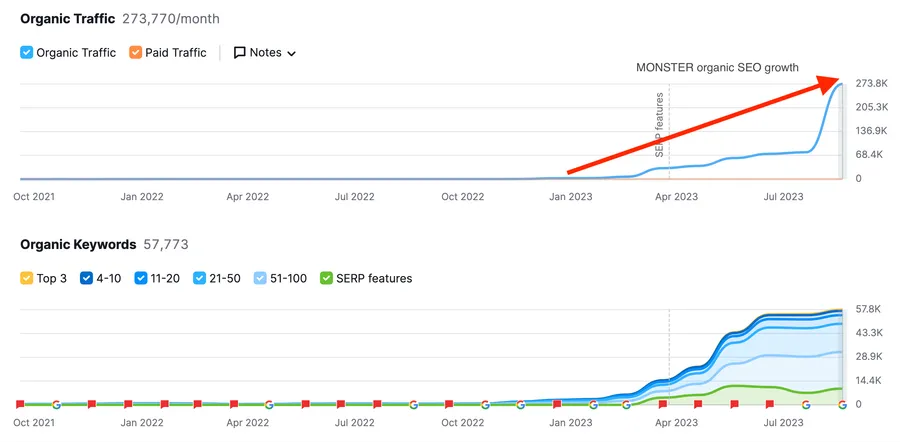
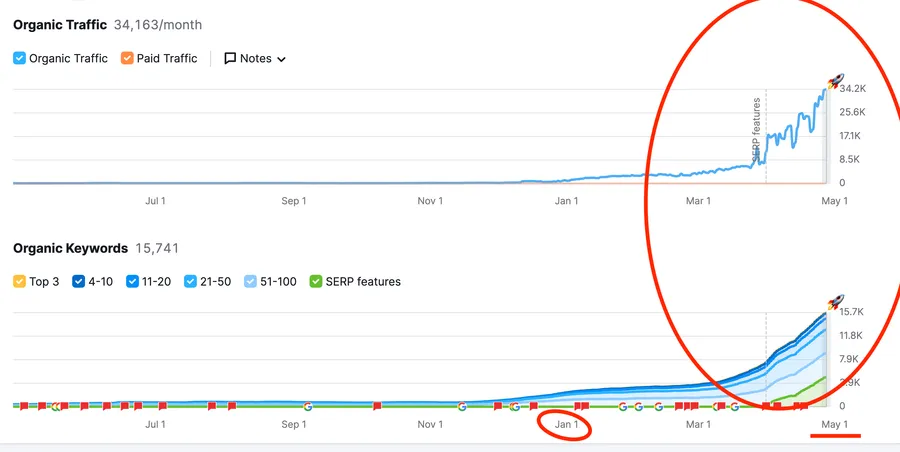
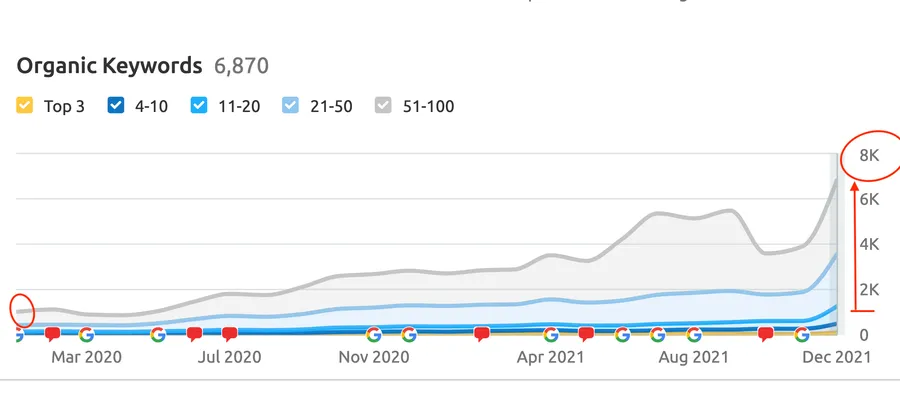
Psychology is also one of the lowest-competition SEO verticals in Australian healthcare. Most practices have not invested in organic search at all, relying instead on GP referrals, directory listings, and word of mouth. This means the window of opportunity for practices that move now is substantial. Ranking for core local and presentation-based keywords is achievable within months rather than the years it takes in saturated verticals like dental or cosmetic surgery. Practices that treat seo for psychologists as a genuine growth channel rather than an afterthought build an asset that compounds over time.
Presentation-Specific Content That Ranks
One of the most valuable psychology SEO strategies is developing dedicated pages for each presentation your practice treats. Anxiety, depression, trauma and PTSD, ADHD, couples therapy, child and adolescent psychology, grief, workplace stress, eating disorders, and OCD all represent distinct search verticals with their own keyword clusters and client intent.
A dedicated anxiety page, for example, should address what anxiety therapy involves, the therapeutic approaches your practice uses (CBT, ACT, EMDR), what clients can expect in their first session, and how to access services through a Medicare Mental Health Care Plan. This content captures clients at the research stage, when they are deciding whether to seek help and who to see. The practice that answers their questions most thoroughly earns their trust and their booking.
We build presentation pages that balance clinical accuracy with accessibility. Content needs to be warm enough that a person in distress finds it reassuring, detailed enough that it demonstrates genuine expertise, and structured well enough that search engines rank it above the generic directory listings and health information sites that currently occupy many psychology search results. This presentation-specific approach is what separates effective healthcare SEO from cookie-cutter optimisation.
Couples therapy and child psychology deserve particular attention as search verticals. Couples therapy is almost always privately funded since Medicare Better Access does not typically cover couples sessions unless one individual has a Mental Health Care Plan and the sessions address their individual diagnosis. This makes couples therapy a higher-margin, self-referred service line where SEO content needs to speak to both partners. Child psychology content targets parents who are worried about their child's behaviour, emotional regulation, or school performance. Parents searching for child psychologists prioritise expertise over convenience, making these high-converting pages for practices with paediatric specialists on their team.
Clinician Bio Pages as SEO Assets
Clients choosing a psychologist care deeply about who they will see. Modality, specialisation, gender, experience level, and clinical approach all influence the decision. Yet most psychology practice websites have thin clinician pages with a headshot, a paragraph of qualifications, and a list of conditions treated.
Optimised clinician bio pages include detailed information about each psychologist's therapeutic approach, the presentations they specialise in, the populations they work with, their training and endorsement status, and what a session with them involves. These richer profiles rank for name searches, modality searches ('EMDR psychologist'), and specialisation searches ('trauma psychologist Sydney'), driving enquiries to specific clinicians rather than just the practice.
For group practices, clinician pages also serve an internal routing function. When a prospective client finds a specific psychologist's page through organic search, they are already pre-qualified for that clinician's specialisation and approach. This reduces the administrative burden of matching clients to practitioners and increases the likelihood that the first session is a good fit. Psychology seo that overlooks clinician pages leaves significant ranking opportunities on the table.
The distinction between clinical psychologists and general psychologists matters here. Clinical psychologists hold an area of practice endorsement recognising additional postgraduate training, and their clients receive a higher Medicare rebate. General psychologists work across a broad range of presentations. Clinician bio pages should reflect this distinction accurately because clients searching specifically for a clinical psychologist are often doing so because they understand the rebate difference or have been referred for a complex presentation. Accurate positioning on each clinician's page ensures the right clients find the right practitioner.
Medicare Intent and the Mental Health Care Plan Search Journey
Medicare Better Access is the entry point for most Australians accessing psychology services. A GP prepares a Mental Health Care Plan that entitles the client to Medicare-rebated psychology sessions. The rebate covers part of the fee and the client pays the gap. This system creates a specific search journey that psychology SEO must capture.
Clients search for Medicare-related psychology information at multiple stages. Before seeing their GP: 'how to get a mental health care plan', 'Medicare psychologist', 'do I need a referral for a psychologist'. After receiving their MHCP: 'psychologist near me bulk bill', 'psychologist accepting new clients', 'clinical psychologist Medicare rebate'. And during treatment: 'how many Medicare psychology sessions', 'additional psychology sessions Medicare'.
Content that addresses these queries clearly, explaining the MHCP process, session limits, the difference between clinical and general psychologist rebates, and gap payment expectations, captures clients at each stage of this journey. It also positions your practice as transparent and accessible, which matters enormously in mental health where trust is the primary conversion factor. Practices that provide this information openly on their website reduce the phone calls that ask basic funding questions and attract clients who arrive with realistic expectations about costs and session structures.
Local SEO for Psychology Practices
Despite the growth of telehealth, most psychology clients still prefer a local practitioner. Local SEO ensures your practice appears in the map pack when someone searches for a psychologist in your area. For psychology practices, local SEO involves several interconnected elements that need to work together.
Your Google Business Profile needs to be fully optimised with accurate categories, complete service listings, regular posts, and a strong review profile. AHPRA restricts testimonial use for psychologists, but Google reviews that comment on administrative experience, appointment availability, and practice environment are generally compliant and contribute to local rankings. Your website needs suburb-specific content that reinforces geographic relevance. And local citations across directories including HealthEngine, HotDoc, and AHPRA-compliant professional directories need to be consistent and up to date.
We manage all of these elements as part of our psychology practice seo service, ensuring your practice maintains strong local visibility across your entire catchment area. For practices with multiple locations, we build location-specific strategies that help each site rank in its own area without cannibalising the others. Review strategy deserves particular care for psychology practices. While AHPRA prohibits clinical testimonials, reviews that describe the booking process, the practice environment, or the professionalism of administrative staff still contribute to local rankings and patient trust without crossing compliance boundaries.
Telehealth, EAP, NDIS, and Referral Pathway SEO
Telehealth has permanently changed the geography of psychology practice. Clients in regional areas with limited local access, clients managing anxiety who find leaving home difficult, and clients who simply prefer video sessions all represent audiences that mental health seo can reach beyond your physical catchment. Telehealth-specific landing pages targeting broader geographic areas, content addressing common questions about telehealth effectiveness and privacy, and Google Business Profile service areas that extend beyond your clinic's suburb all contribute to capturing telehealth demand. For many practices, telehealth has become the highest-margin service line because it removes the constraint of your clinic's postcode while maintaining the same Medicare rebate structure.
SEO for psychology practices that offer telehealth should target state-level and even national keywords alongside local terms, particularly for specialist presentations like EMDR therapy, perinatal psychology, or forensic assessments where local options may be scarce. The content approach for telehealth pages differs from in-person service pages. Telehealth content needs to address platform privacy, session format expectations, and the clinical evidence supporting remote delivery of psychological interventions. Clients considering telehealth for the first time have questions that in-person service pages do not answer, and dedicated content that addresses these concerns converts at higher rates than generic service pages that mention telehealth as an afterthought.
Beyond individual client searches and Medicare pathways, psychology practices serve clients through Employee Assistance Programs, NDIS funded supports, workers compensation, and GP referral networks. Each pathway involves different decision-makers and different search behaviour that psychologist seo can capture. EAP providers and HR managers search for psychology providers in specific geographic areas who can deliver workplace-related support. Content that clearly communicates your EAP availability, session delivery format, and areas of workplace psychology expertise captures these organisational referrals. NDIS support coordinators and plan managers search for registered psychology providers who work with specific participant groups. Content targeting NDIS psychology searches should communicate your registration status, the participant populations you support, and the specific services you deliver under Capacity Building funding categories.
GP referral pathways also benefit from SEO investment. When a GP searches for a psychologist to refer a patient to, practices with strong local visibility, clear information about clinical specialisations, and easy-to-find referral processes are more likely to receive those referrals. Building content that serves referring GPs alongside prospective clients strengthens both channels simultaneously.
AHPRA Compliance in Psychology SEO Content
Every piece of content on your psychology website is technically advertising under AHPRA guidelines. The Psychology Board of Australia applies particular scrutiny to mental health advertising given the vulnerability of the populations psychologists serve. Testimonials about clinical services are prohibited. Claims about treatment outcomes must be carefully qualified. Content must not create unreasonable expectations of benefit.
Our psychology SEO content is built around creating material that ranks and builds trust while meeting AHPRA requirements. This is not about watering down your content. It is about presenting your services, expertise, and clinical approach in a way that is both compliant and compelling. We communicate credibility through professional credentials, clinical endorsement status, modality expertise, and educational content rather than relying on client reviews or outcome claims that would breach advertising guidelines.
We have worked within these guidelines for over a decade and understand which content approaches attract regulatory scrutiny and which allow you to build genuine authority in organic search without compliance risk. Psychologist marketing that ignores these boundaries creates both regulatory and reputational exposure that no ranking improvement justifies.
Measuring Psychology SEO Performance
Psychology SEO success should be measured in client enquiries and booked initial sessions, not just keyword rankings and traffic numbers. Rankings and traffic are important leading indicators, but what matters to your practice is whether organic search is filling caseloads with appropriate clients who match your clinicians' specialisations and availability.
We track performance across multiple layers. Keyword rankings by presentation show whether visibility is growing for the searches that matter. Organic traffic trends show whether that visibility is translating into website visits. And conversion tracking, including call tracking and booking system integration, shows whether those visits are becoming real client enquiries. Monthly reporting breaks performance down by presentation and clinician so you can see which areas of your practice are benefiting most from seo for psychologists and where opportunities remain.
This data also informs ongoing strategy. If anxiety-related pages are converting well but trauma content is underperforming, we investigate whether the content needs strengthening, whether local competition has shifted, or whether the conversion pathway needs adjustment. SEO is not a set-and-forget investment. It requires ongoing attention, content refinement, and strategic adjustment based on actual performance data. The practices that treat psychology practice seo as an ongoing program rather than a one-time project consistently see stronger and more sustainable results.