









Why Allied Health Practices Need Profession-Specific SEO
Allied health SEO is not a single discipline. It is fourteen or more distinct SEO challenges bundled under one umbrella. A physiotherapy SEO strategy targeting sports injuries and post-surgical rehabilitation operates in a completely different keyword landscape to a speech pathology SEO campaign focused on paediatric language delays and feeding difficulties. A psychology practice optimising for anxiety and depression searches faces different competition than an occupational therapy practice targeting sensory processing or aged care home modifications.
The mistake most agencies make is treating allied health as a single vertical. They build one set of pages, target a handful of generic keywords, and wonder why the practice ranks for almost nothing. The reality is that each profession within allied health has its own patient search patterns, its own competitive landscape, its own regulatory considerations under Ahpra, and its own conversion dynamics shaped by funding streams like Medicare CDM, NDIS, WorkCover, DVA, and private pay.
Our approach to seo for allied health starts with understanding these distinctions. We map the keyword universe for each profession your practice serves, identify the conditions and populations that drive the highest-value patient enquiries, and build content architectures that give each discipline room to rank on its own terms. This profession-specific foundation is what separates effective allied health practice seo from generic optimisation that fails to capture the searches that actually produce booked appointments.
The Allied Health Sub-Verticals We Optimise
Our allied health SEO experience spans every major profession in Australia. We build and manage campaigns for physiotherapists across sports, musculoskeletal, neurological, women's health, and aged care streams. We run speech pathology SEO campaigns targeting paediatric language, articulation, fluency, feeding, and adult communication disorders. We optimise for occupational therapists serving paediatric sensory, school readiness, aged care, NDIS capacity building, and workplace rehabilitation populations.
Beyond these three, we manage SEO for psychologists across Medicare, NDIS psychosocial, EAP, and private pay streams. We build campaigns for dietitians, exercise physiologists, osteopaths, podiatrists, chiropractors, myotherapists, and counsellors. We also work with optometrists and acupuncturists. Each profession gets a dedicated keyword strategy, dedicated content, and dedicated performance tracking because lumping them together produces generic results that rank for nothing specific.
This breadth matters because cross-pollination of insight is where a lot of our edge comes from. Understanding what works in physiotherapy SEO informs our exercise physiology campaigns. Speech pathology conversion patterns teach us about paediatric OT search behaviour.
Condition-Based SEO vs Profession-Based SEO
One of the most important strategic decisions in allied health SEO is the balance between condition-based and profession-based content. Patients rarely search for a profession directly. They search for help with a condition. A parent does not search for an occupational therapist. They search for help with their child's handwriting difficulties or sensory sensitivities. An adult recovering from surgery does not search for a physiotherapist. They search for ACL rehabilitation or shoulder surgery recovery exercises.
This means the highest-converting allied health SEO content targets conditions, symptoms, and outcomes rather than professional titles. Condition pages capture patients at the moment they recognise they need help, before they have even determined which type of practitioner to see. Once they land on your condition page and see that your practice treats exactly what they are dealing with, the conversion path from page visitor to booked patient becomes natural.
Profession-based content still has its place. People searching for a physiotherapist near me or a psychologist in Melbourne already know what they want and carry strong booking intent. Location pages and profession landing pages capture this direct-search demand. The effective allied health practice seo strategy addresses both: condition content for early-stage searchers and profession-plus-location content for those ready to book. We build content architectures that serve both audiences without creating internal competition between pages.
Ahpra Compliance Across Allied Health Professions
Ahpra regulates advertising for registered health practitioners across physiotherapy, occupational therapy, psychology, osteopathy, podiatry, chiropractic, optometry, and several other allied health professions. Each profession has its own national board that enforces advertising guidelines, and while the core principles are consistent, the practical application varies by discipline. Content for a chiropractic practice faces different scrutiny than content for a podiatry clinic, particularly around scope-of-practice claims and treatment efficacy statements.
Every piece of SEO content we create for Ahpra-registered allied health professions is reviewed against the current advertising guidelines before publication. We avoid unsubstantiated outcome claims, restricted testimonial use, comparative superiority claims, and scope-of-practice overreach. This is not about watering down your content. It is about communicating clinical expertise, practitioner qualifications, and service capabilities in ways that are both compliant and compelling. SEO for allied health practices demands this discipline.
For non-registered allied health professions such as exercise physiology, dietetics, myotherapy, and counselling, the regulatory landscape differs. While these professions are not Ahpra-regulated, they have their own professional association codes. Exercise and Sports Science Australia, Dietitians Australia and various counselling bodies each set advertising standards. We understand these distinctions and create content appropriate for each profession's regulatory environment, ensuring your allied health marketing stays clean regardless of registration status.
Multi-Discipline Clinic SEO Architecture
Multi-disciplinary allied health clinics present one of the most interesting SEO architecture challenges in healthcare. A clinic offering physiotherapy, occupational therapy, speech pathology, psychology, and dietetics under one roof needs each profession to rank independently while benefiting from the authority of the parent brand. Get the site structure wrong and professions cannibalise each other's rankings. Get it right and each discipline reinforces the others through internal linking and shared domain authority.
The architecture we build for multi-discipline clinics gives each profession its own content ecosystem: dedicated service pages, condition-specific content, practitioner profiles, and location pages. Internal linking connects related conditions across professions, so a page about developmental delay in the OT section links naturally to related speech pathology and psychology content. This cross-linking builds topical authority across the whole site while keeping each profession's content focused enough to rank for discipline-specific searches.
The cross-linking strategy for multi-discipline clinics deserves particular attention because it directly influences how search engines understand the breadth and depth of your clinical offering. When a physiotherapy page about post-surgical ACL rehabilitation links to your exercise physiology page covering return-to-sport conditioning, and that page links to your dietetics content on recovery nutrition, you create a content network that mirrors actual patient care pathways. Search engines interpret these internal links as topical relationships, and sites that demonstrate interconnected clinical expertise across professions build stronger authority signals than sites where each discipline exists in isolation. For allied health clinics offering paediatric services across speech pathology, occupational therapy, and psychology, cross-linking between related condition pages is especially valuable. A page about autism spectrum support in your OT section should link to your speech pathology content on social communication and your psychology content on behavioural strategies. This interconnected structure captures patients regardless of which profession they search for first and guides them toward the full scope of services your clinic provides for their child's needs. The result is longer session durations, more pages per visit, and stronger engagement signals that reinforce your organic rankings across every discipline.
For clinics serving multiple funding streams, the architecture also needs to accommodate NDIS, Medicare CDM, WorkCover, and private pay pathways without creating duplicate content. We build funding-stream landing pages that sit above profession pages in the hierarchy, allowing patients to navigate by how they are funded rather than requiring them to understand which profession they need. This structure captures funding-specific searches like NDIS occupational therapy or bulk bill psychology while maintaining clean, crawlable site architecture that search engines can parse effectively. Multi-disciplinary allied health digital marketing fails when the website tries to be everything to everyone on a single page.
Medicare CDM, NDIS, and Funding-Specific SEO
Funding streams shape allied health search behaviour in ways that most SEO agencies do not understand. A patient with a GP chronic condition management plan, the Medicare plan that replaced the GP Management Plan from 1 July 2025, has been referred by their GP for a specific number of allied health sessions. They search differently because they already know they are eligible for rebated care. Searches like bulk bill physiotherapist, Medicare psychologist near me, and CDM dietitian carry specific intent that generic service pages fail to capture.
NDIS creates an entirely different search dynamic. Participants, families, and support coordinators all search for NDIS-registered allied health providers, but their queries differ. A participant might search for NDIS speech pathologist Parramatta. A support coordinator might search for NDIS OT provider capacity building. A parent might search for NDIS therapy for autism Sydney. Each of these queries represents a different decision-maker at a different stage, and seo for allied health needs content that speaks to each of them.
WorkCover, DVA, and CTP referrals follow yet another pattern. These are typically case-manager driven, but the initial provider research often happens online. Content that addresses return-to-work programs, workplace injury rehabilitation, and veteran health services captures these searches and positions your practice for case-manager referrals. We build funding-specific content across all streams, ensuring your practice appears regardless of how the patient is funded and who is making the referral decision.
Local SEO for Allied Health Practices
Local SEO is the single most impactful ranking factor for most allied health practices. When a patient or parent searches for a speech pathologist near me or a physiotherapist in Parramatta, Google shows the local map pack above organic results. For practices serving a defined geographic catchment, local allied health SEO delivers the most direct return on investment.
Effective local SEO for allied health involves several interconnected elements. Your Google Business Profile needs profession-specific categories, complete service listings across all disciplines your practice offers, regular posts showcasing your team and services, and active review management. Your website needs suburb-specific content that reinforces geographic relevance for each profession. Local citations across health directories need to be consistent and current. And your review profile needs to demonstrate patient satisfaction without breaching Ahpra guidelines around clinical outcome descriptions.
For multi-location allied health practices, local SEO becomes more complex. Each location needs its own Google Business Profile, its own location-specific content, and its own citation profile. We build location-specific strategies that help each site rank in its own catchment area without cannibalising the other locations. A practice with clinics in both inner-city Sydney and western suburbs like Blacktown or Penrith gets targeted local SEO strategies for each site, ensuring both locations capture demand in their own areas.
Measuring Allied Health SEO Performance
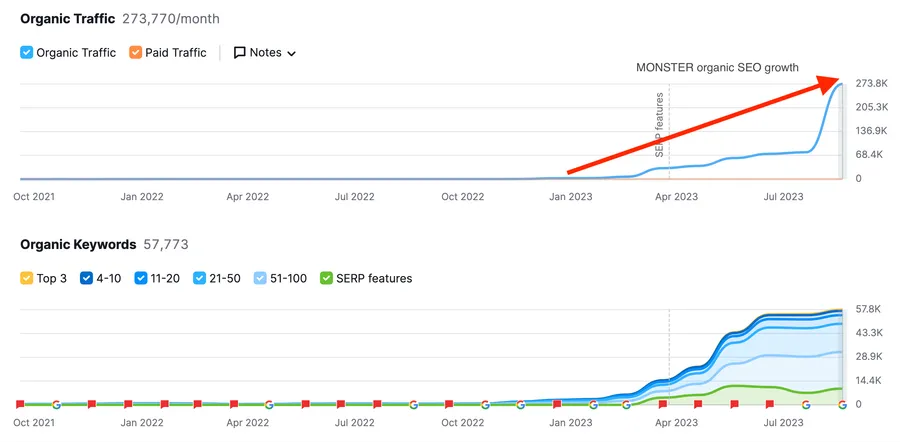
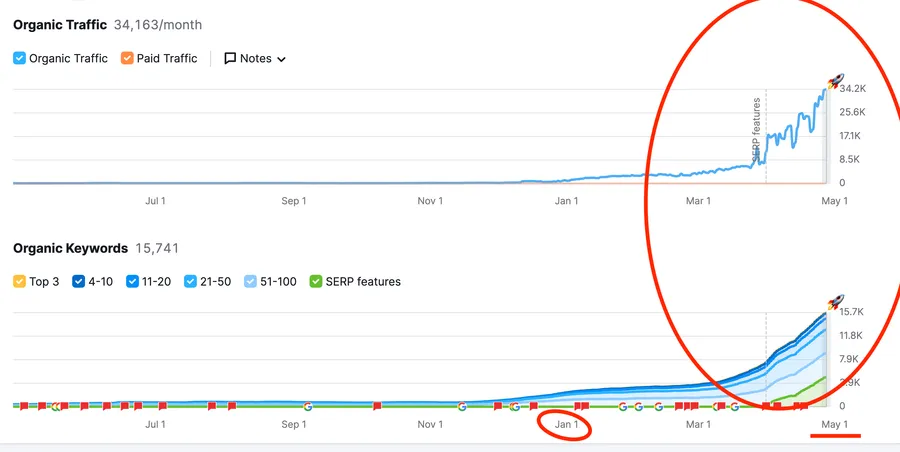
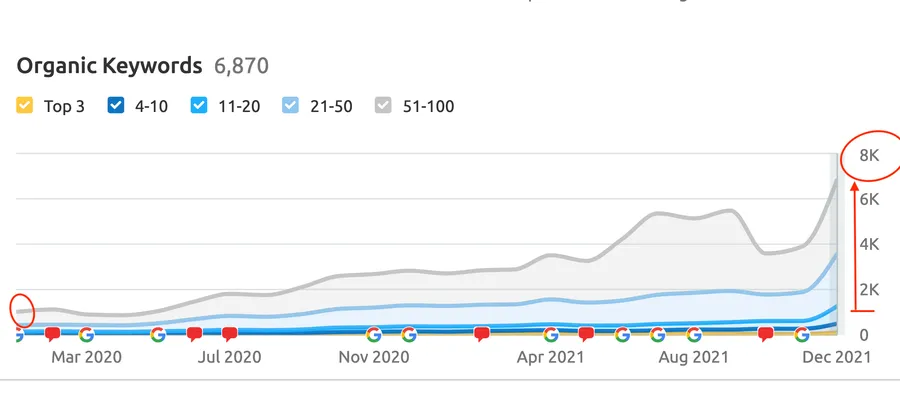
Allied health SEO success should be measured by whether organic search is contributing to practice growth, not just whether rankings and traffic are improving. We connect SEO performance to actual patient bookings through integration with practice management platforms like Cliniko, Halaxy, Nookal, and Power Diary. This means you can see which professions, conditions, and funding streams are generating real patient contacts from organic search.
Call tracking with dynamic number insertion identifies which organic landing pages generate phone calls and how those calls convert to booked appointments. Online booking integration tracks appointment requests originating from organic search. Form submission attribution connects enquiry forms to the specific pages and search terms that brought the patient to your site. Together, these data points create a clear picture of allied health SEO return on investment, broken down by profession and service line.
Monthly reporting presents this data in a format designed for practice owners and managers. You see which professions are growing organically, which condition pages are driving the most valuable enquiries, and where new opportunities exist. For multi-discipline clinics, reporting breaks down performance by profession so you can compare organic acquisition across physiotherapy, speech pathology, psychology, and every other discipline your practice serves. This level of attribution is what turns seo for allied health practices from an abstract ranking exercise into a measurable growth channel that justifies ongoing investment.