































What Speech Pathology Marketing Actually Involves
Speech pathology marketing is the work of getting the right clients onto your caseload from the right referral sources at a cost your practice can sustain. For most Australian speech pathology practices, that means speech pathology Google Ads capturing parents actively searching for help with speech delays, stuttering, feeding concerns, and language disorders. It means speech pathology SEO so your clinic ranks when families search for a speech pathologist in their area. It means speech pathology Facebook ads reaching parents of young children before they have started actively searching. It means a speech pathology website design that converts worried visitors into booked assessments. And it means content and referrer strategies that build relationships with paediatricians, GPs, schools, childcare centres, and NDIS support coordinators.
The marketing that works for a paediatric early intervention practice looks nothing like the marketing that fills an adult dysphagia caseload, and neither works the way a generalist marketing agency assumes they should. The speech pathology landscape in Australia is shaped by funding complexity, regulatory frameworks, and referral dynamics that generalist agencies simply do not understand. Our approach to speech pathology marketing always starts with these fundamentals.
The Speech Pathology Marketing Landscape in Australia
Speech pathology in Australia operates across a funding landscape more complex than almost any other allied health profession. Your clients might be funded through NDIS Capacity Building plans, Medicare chronic condition management (CDM) referrals under item 10970, private health insurance extras, Department of Veterans Affairs, aged care packages, school funding programs, or direct private pay. Each funding stream brings its own constraints, its own client demographics, and its own marketing implications.
NDIS alone has transformed the economics of speech pathology practice in Australia. Before the scheme, most practices ran predominantly on private pay and Medicare CDM plans with five sessions per calendar year. Now, many practices derive a large share of their revenue from NDIS participants whose plans fund twenty, forty, or more hours of speech pathology annually. That shift has changed everything about how practices acquire clients, manage caseloads, and think about growth. Marketing for speech pathologists today must account for this reality, and for what comes next: from 1 January 2028, children aged 8 and under with developmental delay or autism and low to moderate support needs will be supported through Thriving Kids and mainstream services instead of the NDIS.
The clinical scope of speech pathology adds another layer of complexity. A single practice might offer early intervention for toddlers with speech delays, literacy support for school-age children, feeding and swallowing therapy for infants with oral motor difficulties, augmentative and alternative communication (AAC) for children and adults with complex communication needs, stuttering therapy, voice therapy for teachers and performers, and adult dysphagia management for aged care residents. Marketing all of these services under one umbrella without diluting each message is a challenge that demands genuine understanding of the profession.
Speech Pathology SEO: Ranking for How Parents Actually Search
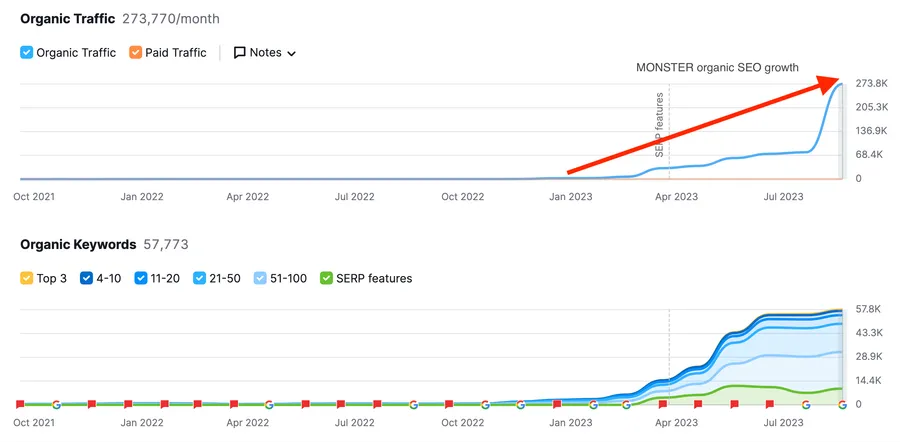
Speech pathology SEO is the highest-value long-term channel for most practices because it captures families at the exact moment they are looking for help. But effective speech clinic SEO requires understanding that parents do not search the way clinicians think. Parents do not type speech pathologist near me as their first search. They type my 2 year old isn't talking, is my child a late talker, when should a toddler start speaking, tongue tie and speech delay, or child won't eat solid foods. These are the searches that drive initial awareness, and ranking for them positions your practice as the expert answer at the moment a parent transitions from concern to action.
Beyond parent-facing searches, speech pathology SEO also targets professional referral queries. GPs, paediatricians, and ENT specialists search for speech pathology services when they need to refer patients. Aged care facility managers search for dysphagia assessment providers. NDIS support coordinators search for registered speech pathology providers in specific areas. Each of these audiences searches differently and needs different content to convert.
Our speech pathology SEO programs layer local SEO, including Google Business Profile optimisation, directory consistency across HealthEngine and HotDoc, and suburb-specific landing pages, with condition-specific content that establishes genuine clinical authority. We build service pages for each area of your practice that answer the questions families and referrers actually ask. And we handle the technical SEO that stops Google from overlooking your site: Core Web Vitals, structured data markup, crawl efficiency, and mobile performance that matters because most parents are searching from their phones.
Speech Pathology Google Ads: Capturing High-Intent Searches
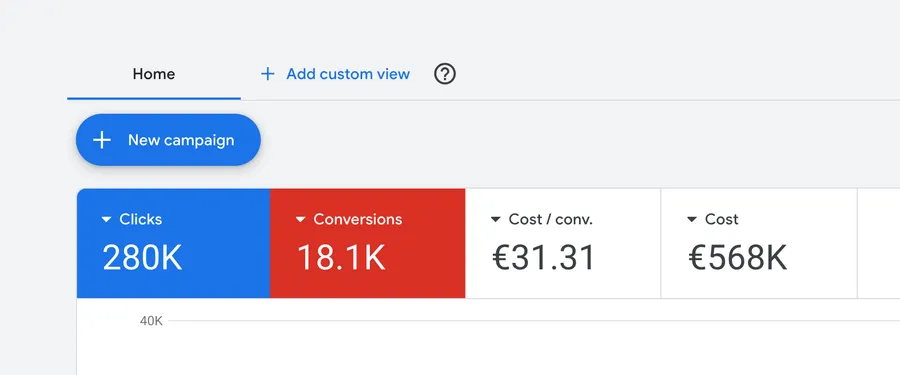
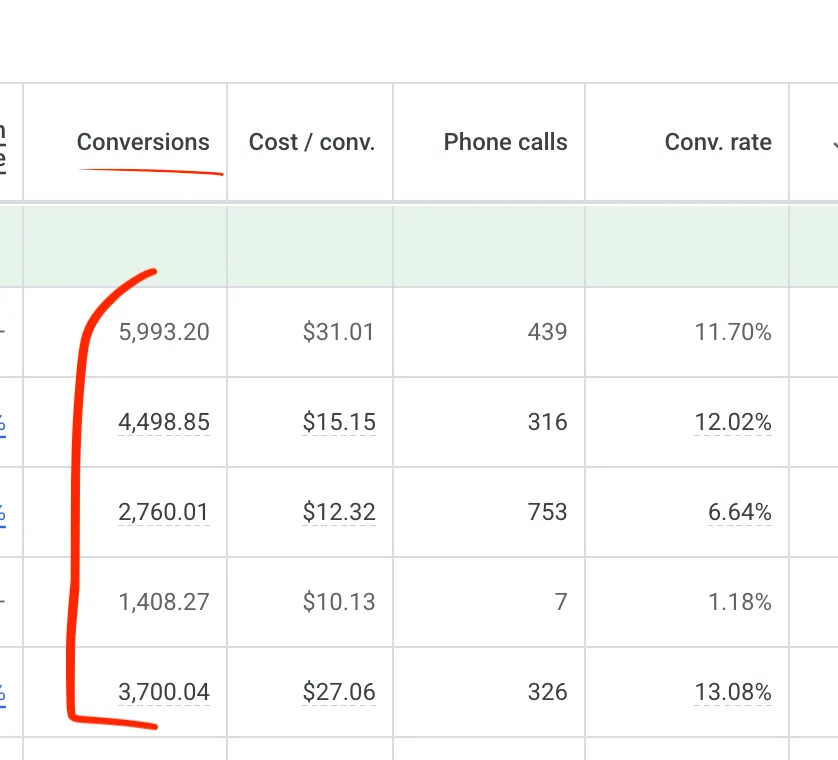
Speech pathology Google Ads capture parents and referrers at the moment of highest intent, when they have moved beyond research and are ready to book an assessment. The challenge is structuring campaigns that segment fundamentally different search intents without wasting budget on clicks that will never convert.
Paediatric speech therapy searches carry strong emotional intent. A parent searching for speech delay assessment or toddler not talking speech therapist is worried and motivated. These searches convert at high rates when the landing page addresses their concern directly, communicates your expertise with their specific issue, explains what a first appointment involves, and makes booking straightforward. We build paediatric speech pathology Google Ads campaigns with ad groups structured around specific concerns: speech delays, language disorders, stuttering, feeding difficulties, literacy support, and autism-related communication needs.
NDIS-specific searches require separate campaign structures. Queries like NDIS speech pathologist near me or speech pathology NDIS provider come from participants, families, or support coordinators looking for a registered provider. These searchers need to see your NDIS registration status, the participant groups you support, and whether you have availability. Mixing NDIS and private pay messaging in the same ad groups wastes budget and confuses both audiences.
Adult and aged care speech pathology searches are lower volume but high value. Dysphagia assessment, swallowing therapy, and stroke speech therapy searches come from facility managers, discharge coordinators, and family members arranging care. These campaigns need professional messaging that speaks to the referrer rather than the patient.
For practices already performing well in speech pathology Google Ads, we focus on protecting that position through quality score optimisation, landing page refinement, negative keyword management to filter out student and career searches, and bid strategy adjustments that maintain visibility in competitive suburban markets.
Speech Pathology Website Design: Converting Parents and Referrers
Speech pathology website design must solve a problem unique to the profession: converting visitors who arrive with vastly different needs, different emotional states, and different levels of understanding about what speech pathology even involves. A worried parent needs to feel understood and reassured. A support coordinator needs to confirm your NDIS registration and service scope quickly. A GP needs referral pathway information. An aged care facility manager needs to assess your clinical capabilities for dysphagia management. This is exactly why speech pathology marketing cannot follow a generic playbook.
Effective speech pathology website design creates clear pathways for each visitor type. For parents, that means service pages written in plain language that explain what speech pathology can help with, what a first appointment looks like, how much sessions cost, and which funding streams you accept. For professional referrers, it means dedicated referral information, clear credential presentation, and easy contact options. For NDIS participants and their coordinators, it means prominent NDIS registration status, supported participant groups, and service agreement information.
Practice management system integration matters for speech pathology websites. Whether you use Cliniko, Halaxy, Power Diary, or another system, online booking needs to work within your actual workflow. We design speech pathology websites that integrate with your scheduling systems rather than bolting on generic booking widgets that create double-handling for your admin team. The best website in the world fails if the booking process falls apart at the last step.
Mobile performance is non-negotiable. Most parent searches happen on mobile devices, often late at night when a parent is lying in bed worrying about their child's development. Your website needs to load fast, read clearly, and make it simple to call or book from a phone screen.
Speech Pathology Facebook Ads: Reaching Parents Before They Search
Speech pathology Facebook ads serve a fundamentally different purpose from Google Ads. Rather than capturing existing search intent, Facebook and Instagram campaigns build awareness among parents who have not yet recognised a concern or taken action on one. For paediatric speech pathology practices, Meta is where you plant the seed that eventually grows into an assessment booking.
The targeting capabilities of Meta advertising are particularly valuable for speech pathology. You can reach parents of children in specific age brackets in your geographic service area, which means showing developmental milestone content to parents of eighteen-month-olds, literacy readiness information to parents of four and five-year-olds, and feeding milestone content to parents of infants. This age-specific targeting lets you reach families at the exact developmental stage where your services become relevant.
The creative approach matters enormously. Fear-based messaging about speech delays does not work and is not ethical. What works is educational content that helps parents understand what is typical, what might warrant a professional opinion, and what speech pathology assessment actually involves. Carousel posts explaining speech milestones by age, short videos demonstrating language-building activities, and informational posts about when to seek help all perform well because they provide genuine value before asking anything in return.
For NDIS speech pathology marketing on Meta, campaigns can target adults likely to be participants, carers, or support professionals. These campaigns tend to focus on service awareness, availability for new participants, and the specific supports your practice offers under NDIS Capacity Building plans.
NDIS Speech Pathology Marketing: A Channel That Demands Its Own Strategy
NDIS speech pathology marketing is not a subset of your general marketing. It is a separate acquisition channel with its own decision-makers, its own conversion pathway, and its own competitive dynamics. The person choosing your practice for an NDIS participant is often not the participant themselves. It might be a parent managing their child's plan, a support coordinator sourcing providers across a region, a plan manager comparing options, or an early childhood partner recommending services during plan development.
Each of these decision-makers requires different messaging. Parents searching for an NDIS speech pathologist want to know you are registered, you have availability, you work with their child's specific needs, and you understand how plan funding works. Support coordinators want to know your service scope, your geographic coverage, your waitlist status, and whether you provide the reports and documentation their role requires. Plan managers want straightforward service agreements and clear invoicing.
Your NDIS speech pathology marketing needs to address all of these pathways. Search campaigns targeting NDIS speech pathologist near me and related queries capture families searching directly. Directory presence on the NDIS Provider Finder and platforms like Kinora and Clickability ensures coordinators can find you. Content demonstrating your expertise with specific NDIS participant groups, whether early intervention, school-age, or adult, builds the credibility that drives referrals from within the scheme.
Pricing transparency also matters. NDIS price limits set the ceiling for what you can charge, and participants and coordinators know those limits. Your marketing should communicate value within that framework rather than treating NDIS pricing as something to work around.
Paediatric vs Adult Caseloads: Two Different Businesses
Most Australian speech pathology practices skew heavily paediatric, but the practices that serve adult populations face entirely different marketing challenges. Paediatric speech pathology is driven by parental concern about developmental milestones. The marketing is emotional, the decision-maker is the parent, the channels are search and social, and the content needs to educate and reassure.
Adult speech pathology marketing targets professional referrers more than patients. Hospital discharge coordinators placing stroke patients into community rehabilitation. Aged care facility managers needing regular dysphagia assessment rounds. ENT specialists referring voice disorder patients. Neurologists referring patients with progressive conditions affecting communication or swallowing. The marketing is clinical, the channels are narrower, the content is more technical, and the relationship building matters more than advertising volume.
Feeding and swallowing services bridge both populations and represent a growing area for many practices. Paediatric feeding therapy for children with oral motor difficulties, sensory-based feeding aversion, or conditions affecting safe swallowing is driven by parental concern. Adult dysphagia management in aged care and post-acute settings is driven by institutional need and clinical referral. Marketing these services requires understanding both audiences and building separate pathways for each.
Medicare CDM Items and Private Revenue
Medicare chronic condition management (CDM) remains a significant referral and funding pathway for speech pathology, particularly for families not eligible for NDIS. Since 1 July 2025 a GP chronic condition management plan, which replaced the GP Management Plan and Team Care Arrangement, gives eligible patients up to five allied health sessions per calendar year, shared across all disciplines, with speech pathology claimed under item 10970. Children with a paediatrician or psychiatrist diagnosis of a complex neurodevelopmental disorder, including autism, or an eligible disability can also access up to 20 lifetime treatment sessions under items 82000 to 82035. The rebate covers a portion of the session fee, with families paying the gap.
For marketing purposes, CDM referrals represent GP-driven acquisition. Your relationship with local GPs, your visibility in GP referral networks, and your reputation for providing quality reports back to referring doctors all influence how many CDM referrals your practice receives. Marketing that strengthens GP relationships through professional outreach, clear referral information on your website, and timely clinical correspondence supports this channel more effectively than advertising ever could.
Private pay revenue, where families pay the full session fee without Medicare or NDIS subsidy, depends on perceived value and accessibility. Practices that communicate their expertise clearly, explain what makes their approach effective, and position their services as a worthwhile investment attract private pay families who might otherwise wait for a Medicare plan or NDIS approval. Your website and content marketing carry the heaviest load in this channel.
Waitlist Management and Marketing
Extended waitlists are a structural reality for many Australian speech pathology practices. Demand for paediatric services consistently outstrips supply, and families can face waits of three to twelve months for an initial assessment at popular practices. This creates a marketing paradox: you need to keep your pipeline active for when capacity opens, but you also need to manage the frustration of families who cannot access services immediately.
Smart waitlist management starts with transparency. Your website should communicate current wait times honestly. Your booking process should set expectations at the point of enquiry rather than after a family has invested emotional energy in choosing your practice. And your marketing should shift focus based on where capacity actually exists. If your paediatric caseload is full but your adult or feeding services have availability, campaigns should redirect accordingly.
Waitlists also create a recruitment marketing imperative. If demand exceeds capacity because you cannot hire enough speech pathologists, the constraint on your growth is staffing, not enquiries. We build employer brand campaigns, optimise careers pages, and run recruitment advertising targeting speech pathologists considering their next role. For many practices, recruitment marketing sits alongside client acquisition as an equally important investment.
Telehealth Speech Pathology: Expanding Geographic Reach
Telehealth has permanently expanded the geographic reach of speech pathology practice in Australia. Medicare telehealth item numbers, NDIS acceptance of telepractice, and improved family comfort with video-based therapy mean that your potential client base is no longer limited to your physical catchment area. Practices in metropolitan areas can serve regional and rural families. Solo practitioners can build caseloads across state boundaries.
Marketing telehealth speech pathology requires specific positioning. Families need to understand which services work well via telepractice, what a telehealth session involves, what technology they need, and how outcomes compare to in-person therapy. SEO content targeting telehealth speech pathology and speech therapy online captures families specifically seeking remote services. Google Ads campaigns can target broader geographic areas than you would for in-clinic services. And your website needs a clear telehealth pathway that explains the process and makes booking a virtual appointment straightforward.
Why Generalist Agencies Fail Speech Pathology Practices
A generalist marketing agency will treat a speech pathology practice the same way they treat a restaurant or a dental clinic. They will chase broad keywords that do not convert, build websites that do not communicate funding streams, write content that does not understand the difference between articulation and phonological disorders, and burn through budgets learning the industry at your expense.
The symptoms are familiar. Poor keyword targeting that wastes budget on speech pathology degree and speech pathology salary searches. Landing pages that do not mention NDIS, Medicare, or any funding pathway. Ad copy that sounds like it was written for a gym membership. Content so thin and generic that it fails to demonstrate any clinical understanding. No awareness of the referral ecosystem that drives the majority of speech pathology client acquisition.
The fix is not just better execution of the same playbook. It is bringing genuine understanding of how speech pathology practices operate, how families find and choose speech pathologists, how NDIS and Medicare funding actually works, how referral networks function, and how the economics of paediatric versus adult versus aged care services shape practice strategy. That knowledge is what separates a speech pathology marketing partner from a marketing agency that happens to list a speech pathologist on its client page.
DVA fee briefings for allied health practices
For practices providing DVA-funded care, our DVA allied health fees briefing explains the funding changes to consider alongside service capacity and referral planning. Our update on the withdrawn DVA allied health cap covers the later policy change. Check the schedule for your profession before updating patient information.