
































What Corporate Health Marketing Actually Involves
Corporate health marketing is the work of positioning your occupational health, workplace wellness, or corporate health services in front of the HR directors, WHS managers, procurement officers, and executives who commission these programs. It is not patient marketing. The buyer is not the end user. The decision process involves committees, tenders, budget cycles, and internal business cases that can stretch across three to twelve months. And the channels that reach these buyers, LinkedIn advertising, corporate health SEO, corporate health Google Ads, targeted content marketing, and professional corporate health website design, operate by entirely different rules than the channels that attract individual patients to a GP clinic.
Corporate health providers need a distinct approach to business enquiries. These organisations may deliver pre-employment medicals, workplace injury management, employee assistance programs, health screening services, flu vaccination programs, mental health first aid training, ergonomic assessments and executive health checks. Each of these service lines attracts a slightly different buyer persona, but the underlying marketing challenge is the same: reach the right person inside the right organisation at the right stage of their buying process, and give them the evidence they need to choose you over the competition.
Corporate Health SEO
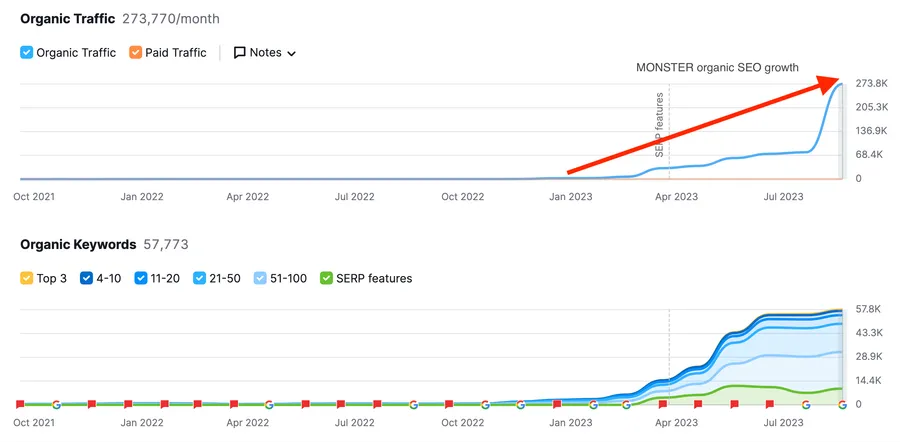
Corporate health SEO is the foundation of any sustainable B2B marketing program in this space. When an HR manager searches for corporate health providers in Melbourne or a WHS officer researches workplace health screening programs, appearing in those results positions you as a credible option at the moment they are actively evaluating providers. Unlike paid channels, organic rankings compound over time. The content you publish today continues generating enquiries months and years later.
The keyword landscape for corporate health SEO splits across several distinct territories. Service-specific searches like pre-employment medical providers, workplace flu vaccination programs, and corporate health checks carry strong commercial intent because the searcher already knows what they need. Broader searches like corporate wellness marketing ideas or workplace wellbeing strategy sit higher in the funnel and attract buyers who are still scoping the market. And location-based searches like occupational health services Sydney or corporate health Brisbane capture buyers who need a provider in their area.
Our corporate health SEO programs address all three tiers. We build service pages that target transactional keywords with content that demonstrates genuine expertise, not thin marketing copy but detailed explanations of how your programs work, what outcomes clients can expect, and why your approach differs from competitors. We create educational content, guides on building a business case for workplace wellness, analyses of workers compensation trends, and thought leadership on emerging occupational health topics, that captures higher-funnel searches and positions your brand as a knowledgeable authority. And we handle local SEO, including Google Business Profile optimisation and location-specific landing pages, so you appear for geographic queries in the regions you serve.
Technical SEO matters here too. Corporate health websites tend to be smaller than consumer-facing sites, which means every page needs to pull its weight. We ensure your site architecture, internal linking, structured data, and Core Web Vitals all support your ability to compete for the B2B keywords that drive real enquiries. Ignoring this undermines even the most well-funded corporate health marketing effort.
Corporate Health Google Ads
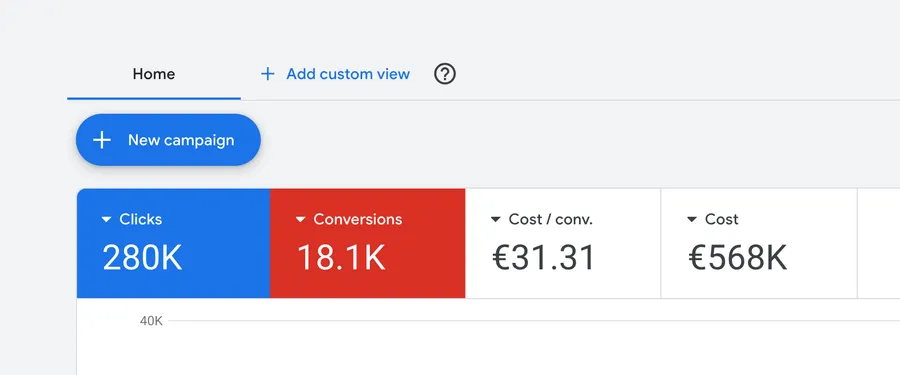
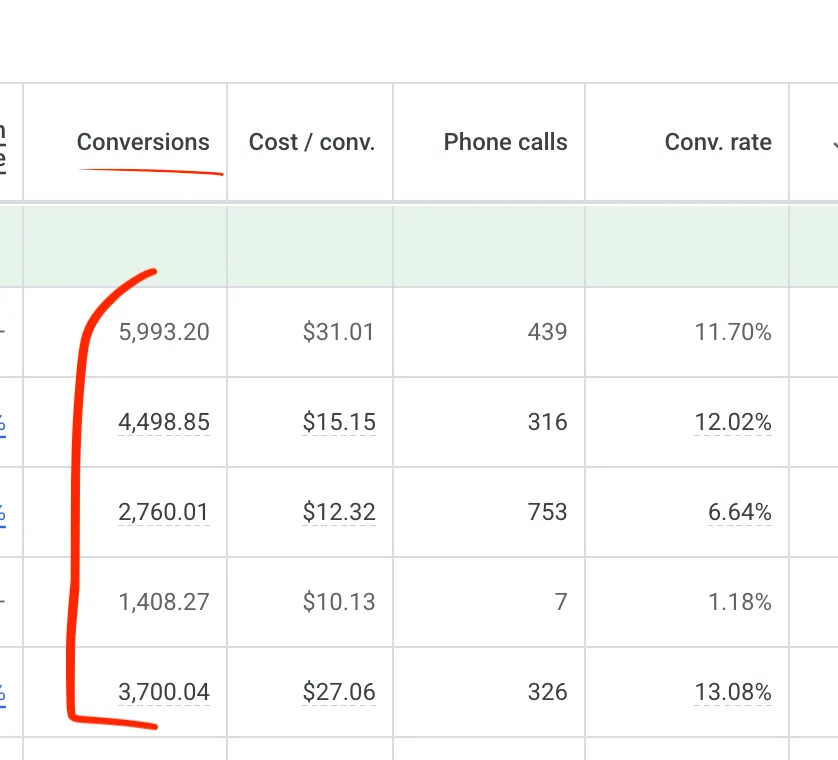
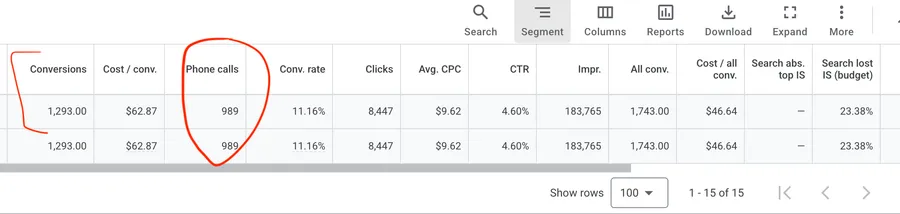
Corporate health Google Ads fill a gap that SEO cannot cover immediately: capturing in-market buyers who are searching right now. When someone searches for corporate health checks provider or workplace flu vaccination program quote, they have moved past the research phase and are actively comparing options. A well-structured Google Ads campaign puts your organisation in front of these buyers before your competitors reach them.
The challenge with corporate health Google Ads is that B2B search volumes are lower than consumer health queries. You will not see the thousands of monthly searches that a GP or dentist might target. But the value per conversion is dramatically higher. A single corporate health contract can be worth tens or hundreds of thousands of dollars annually, which means even modest search volumes can produce significant revenue when campaigns are structured properly.
We build corporate health Google Ads campaigns around service-specific ad groups: pre-employment medicals, workplace injury management, health screening programs, EAP services, flu vaccination campaigns, and mental health training. Each ad group gets tailored ad copy that speaks to the buyer's priorities, not generic wellness language but specific messaging about compliance, risk reduction, workforce productivity, and cost management. Landing pages are designed for corporate buyers, featuring case studies, accreditation badges, and enquiry forms that collect the information your sales team needs to qualify and follow up.
Bid strategy for corporate health Google Ads differs from consumer healthcare. We target exact and phrase match keywords to avoid wasting budget on irrelevant consumer health searches. We use dayparting to concentrate spend during business hours when decision-makers are researching. And we implement conversion tracking that goes beyond form fills to measure actual qualified leads, because in B2B, volume means nothing if the enquiries are coming from individuals looking for personal health checks rather than corporate programs.
Corporate Health Website Design
Corporate health website design serves a fundamentally different purpose than a consumer healthcare website. Your visitors are not patients researching symptoms or looking for the nearest clinic. They are professionals conducting due diligence on potential suppliers. An HR director evaluating your website is assessing whether your organisation has the capability, credibility, and professionalism to serve their workforce. A procurement officer is looking for evidence that you can deliver at scale and meet contractual requirements. Your corporate health website design needs to answer these questions convincingly.
Effective corporate health website design prioritises three things: credibility signals, case study evidence, and frictionless enquiry pathways. Credibility signals include accreditation logos, industry memberships, client logos where permitted, team qualifications, and professional design that reflects enterprise-level capability. Case studies are the centrepiece of any strong corporate health website. They show prospective clients that you have delivered measurable results for organisations similar to theirs, covering metrics like reduced absenteeism, improved health screening participation rates, lower workers compensation claims, or successful tender outcomes. And enquiry pathways need to be designed for how corporate buyers make contact: downloadable capability statements, request-a-quote forms, meeting booking tools, and clear pathways for procurement teams working through formal evaluation processes.
We design corporate health websites that function as your most effective sales tool. Service pages are written for business audiences, explaining what you deliver, how you deliver it, and what outcomes clients achieve, not vague wellness promises but specific, measurable results. The site architecture guides different buyer personas to the content most relevant to them, whether that is an HR manager exploring health screening options, a WHS officer researching injury management providers, or a procurement team comparing submissions for a corporate wellness tender.
Corporate Health LinkedIn Marketing
LinkedIn is the primary social channel for corporate health marketing, and it is not close. Facebook and Instagram have their place in consumer healthcare, but the buyers commissioning corporate health programs spend their professional time on LinkedIn. HR directors, WHS managers, occupational health consultants, and C-suite executives are all active on the platform and receptive to professional content that helps them do their jobs better.
Corporate health LinkedIn marketing operates on two levels: organic thought leadership and paid advertising. On the organic side, regular posting of industry insights, case study snapshots, workplace health data, and expert commentary builds your brand's authority over time. When a buyer eventually starts evaluating providers, the organisation whose name they have seen consistently in their LinkedIn feed has a trust advantage that no cold outreach can replicate. Company pages, personal profiles of your leadership team, and employee advocacy all contribute to this presence.
On the paid side, LinkedIn's targeting capabilities are unmatched for B2B. You can target by job title, company size, industry, seniority level, and geographic location, which means you can put your corporate health message directly in front of HR directors at companies with 200-plus employees in your service area. Sponsored content promoting case studies, whitepapers, and capability statements generates qualified leads that are already pre-disposed to your expertise. Lead generation forms within LinkedIn reduce friction even further, capturing contact details without requiring the buyer to visit your website.
We build LinkedIn strategies for corporate health providers that coordinate organic and paid activity. Organic content warms the audience and builds recognition. Paid campaigns target specific buyer segments with offers designed to generate leads. And retargeting ensures that anyone who has engaged with your content or visited your website continues to see your brand throughout their extended decision process.
Supporting Tenders and Procurement With Marketing
A significant share of corporate health contracts, particularly in government, large enterprise, and the resources sector, are awarded through formal tender or request-for-proposal processes. Marketing does not stop at lead generation in these cases. Your digital presence, content library, and brand positioning directly influence whether you make the shortlist and how your submission is evaluated.
Procurement teams research potential suppliers online before the tender even opens. They look at your website, your case studies, your accreditations, and your published thought leadership. A strong digital presence signals capability and professionalism. A weak one raises questions about whether you can deliver at the scale the tender requires. By the time you receive the RFP, the impressions formed during that initial research are already shaping evaluation.
We help corporate health providers build the digital infrastructure that supports tender success. Capability statements available for download, case studies structured around the metrics that procurement teams care about, service descriptions detailed enough to map against tender requirements, and a website that communicates the scale and professionalism of your operation. This is not separate from your marketing strategy. It is integral to it.
Using Case Studies in Corporate Health Marketing
In corporate health marketing, case studies do more heavy lifting than almost any other content format. A whitepaper establishes your expertise. A blog post builds your SEO. But a case study proves you can deliver. When a WHS manager is building an internal business case for a new corporate health provider, the evidence they need most is proof that you have done this before, for an organisation like theirs, with results they can present to their leadership team.
Effective case study marketing for corporate health goes beyond a logo and a testimonial quote. The strongest case studies include the client's challenge, your approach, specific measurable outcomes, and the scale at which you delivered. Metrics like percentage reduction in workplace injuries, participation rates in health screening programs, cost savings on workers compensation premiums, or improvements in employee engagement scores give buyers the data points they need to justify the investment.
We help corporate health providers develop, structure, and distribute case studies across their marketing channels. On your website, case studies sit as cornerstone content that supports every service page. In Google Ads, they serve as landing page evidence that increases conversion rates. On LinkedIn, case study snippets drive engagement and generate leads. And in email nurture sequences, they keep prospects engaged by demonstrating ongoing results across a range of clients and industries.
Why Generalist Agencies Fail Corporate Health Providers
Most corporate health providers who hire a generalist marketing agency end up disappointed. The pattern repeats itself. The agency applies consumer healthcare tactics, building campaigns designed to attract individual patients rather than corporate buyers. SEO targets keywords that individuals search, not the terms HR managers and procurement officers use. Google Ads campaigns run broad match keywords that burn budget on irrelevant consumer clicks. Website design follows a clinic template rather than a B2B structure built for case studies and capability statements. And social media strategy defaults to Facebook and Instagram rather than prioritising LinkedIn where corporate decision-makers actually spend their time.
The fundamental problem is that corporate health marketing is B2B marketing for a health services business, and most healthcare agencies only know B2C. They have no experience with the tender process, no understanding of how procurement committees evaluate suppliers, no instinct for the content formats that build credibility with HR directors, and no strategy for nurturing leads through sales cycles that can stretch across six to twelve months.
The fix is not just better execution. It starts with understanding that your buyer is not a patient. Your competitors are not clinics. Your sales cycle is not a same-day booking. And your marketing channels are not the same platforms that fill a dental chair. That understanding shapes every decision we make, from keyword selection to content strategy to campaign structure.