

































What Hair Transplant Marketing Actually Requires
Hair transplant marketing sits in a category of its own within cosmetic surgery. The patient psychology is different. The research phase is longer. The scepticism is deeper. And the competition includes offshore clinics in Turkey and Thailand offering procedures at a fraction of Australian prices. Marketing a hair transplant clinic in this environment means doing more than running ads and hoping for calls. It means building credibility that survives months of comparison shopping.
We have spent over a decade in healthcare marketing, and hair transplant clinic marketing is among the most nuanced work we do. The patients are predominantly men aged 25 to 55, though female hair loss is a growing segment with its own concerns and messaging needs. They have been marketed to their entire adult lives with miracle serums, thickening sprays, and exaggerated transformation photos. By the time they seriously consider a hair transplant, they have built up a filter for hype. Your marketing has to get through that filter with substance.
The Research Phase Is Your Marketing Window
Most hair transplant patients research for three to twelve months before booking a consultation. Some take longer. During that time, they compare clinics, read forums, watch procedure videos, study the difference between FUE and FUT techniques, and visit two or three clinics before deciding. That research phase is where your marketing either builds enough trust to earn a consultation or loses the patient to a competitor who did it better.
This is why we build hair transplant marketing strategies around education, not persuasion. Content that explains candidacy factors honestly. Pages that walk through what FUE actually involves, what the recovery timeline looks like, and what twelve months post-procedure realistically looks like. Patients doing serious research can tell the difference between a clinic that understands their concerns and one running generic cosmetic surgery copy.
The clinics that win the research phase are the ones that answer the hard questions publicly. What happens if the transplant does not achieve full density? How many grafts are realistic for a given Norwood stage? What does a natural hairline actually look like versus an obvious one? Patients fear looking obvious more than almost anything else. Marketing that addresses the naturalness concern directly, with clinical specificity, builds the kind of trust that converts researchers into booked consultations.
Hair Transplant Clinic Google Ads
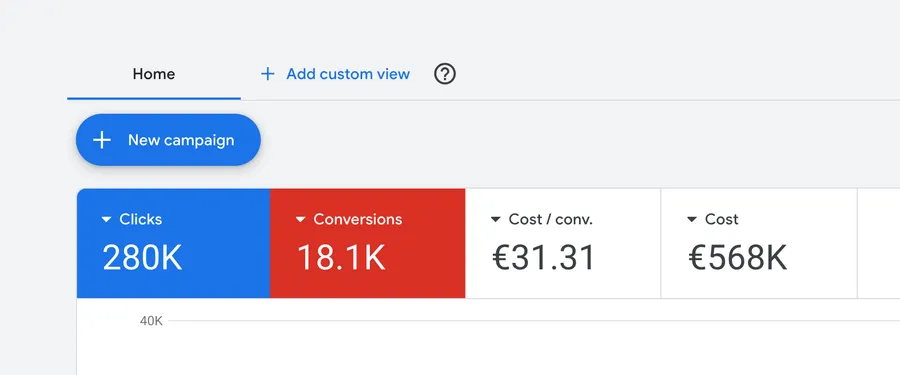
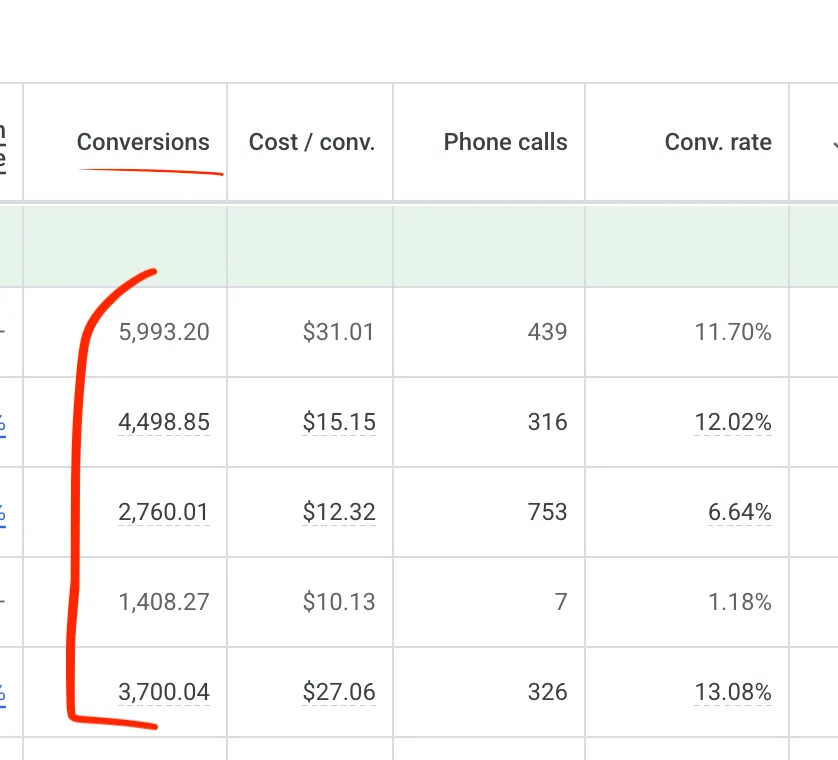
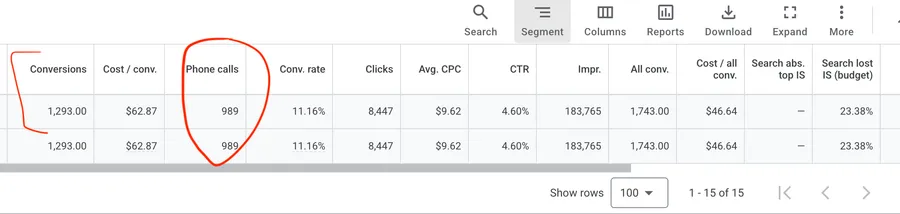
Hair transplant clinic Google Ads is where most clinics start, and for good reason. Patients searching "hair transplant Melbourne" or "FUE clinic Sydney" are signalling high intent. They have moved past the research phase and are actively looking for a provider.
The challenge is cost. Hair transplant Google Ads keywords are expensive in Australian metros, and the competition includes clinics with large budgets running broad match campaigns that inflate CPCs for everyone. We build campaigns that target the specific long-tail searches where intent is clearest and competition is thinnest, then expand into broader terms as the account builds quality score and conversion data. Phrase match and exact match on procedure-specific terms. Negative keyword lists that exclude searches for pricing comparisons or overseas options. Ad copy that pre-qualifies by setting realistic expectations rather than making promises the consultation cannot keep.
We also structure campaigns to capture the adjacent searches that matter. PRP therapy, beard transplants, eyebrow transplants, and non-surgical hair restoration all represent entry points to your clinic. A patient who books a PRP consultation today may become a hair transplant patient in twelve months. Building those pathways into your Google Ads structure means you are not just buying consultations, you are building a pipeline.
Hair Transplant Clinic Website Design
Your website is where the research phase either ends in a consultation booking or ends with the patient moving to the next tab. Hair transplant clinic website design needs to do something that most cosmetic surgery websites fail at: build trust with a deeply sceptical audience.
The websites that convert best for hair transplant clinics share common traits. Doctor credentials front and centre, not buried on an about page (and the title 'surgeon' only where the doctor holds specialist registration in surgery). Technique pages that explain FUE and FUT with clinical detail, not marketing fluff. Realistic timeline information that tells patients they will wait 9 to 12 months for full results. Clear differentiation from budget competitors and offshore options, focused on safety, technique precision, and aftercare standards.
We design hair transplant websites around the actual patient journey. A man in his early thirties researching options for the first time needs different content than a woman investigating diffuse thinning solutions. The site architecture should guide each patient type toward relevant information without forcing them through generic pages that do not speak to their situation. Online consultation booking that reduces friction. Before and after presentation that works within Ahpra guidelines. Team photography that feels clinical and credible rather than stock and generic.
Hair Transplant Facebook Ads and Meta Campaigns
Hair transplant Facebook ads reach patients earlier in their journey than Google Ads. These are people who have not yet typed a search query but are aware of their hair loss and open to learning about solutions. Facebook and Instagram campaigns work well for building awareness, especially when the creative is practitioner-led and educational rather than polished marketing imagery.
Educational content reaches adults researching hair restoration, with factual information about assessment, practitioner qualifications and follow-up. Separate landing pages can explain different services, such as separate pages for men and women.
Ahpra compliance matters on Meta just as much as on Google. We build creative that shows results without crossing into testimonial territory, sets realistic expectations about outcomes and timelines, and positions the clinic on expertise rather than guarantees. The campaigns that perform best are the ones that feel honest. Patients scrolling through Instagram have seen enough exaggerated transformations to spot marketing spin instantly.
Hair Transplant TikTok Ads
Hair transplant TikTok ads are a newer channel but one that is producing real results for clinics willing to invest in authentic video content. TikTok's audience skews younger than Facebook, which aligns well with the growing segment of men in their mid-twenties to early thirties who are researching hair restoration options earlier than previous generations.
The content that works on TikTok is raw and educational. Day-of procedure footage. Week-by-week recovery updates. Honest commentary from surgeons about what patients can and cannot expect. We help clinics develop TikTok content strategies that build awareness and drive consultation interest while staying within Ahpra advertising requirements.
Male and Female Hair Loss Marketing
Male and female hair loss patients are fundamentally different audiences. Men typically notice recession or crown thinning in their twenties or thirties and may live with it for years before seeking treatment. The emotional processing has often already happened. They want information about techniques, credentials, and realistic outcomes. Their biggest fear is looking like they had work done.
Women experiencing hair loss face a different set of pressures. Female pattern hair loss, postpartum thinning, and stress-related shedding all carry social stigma that male hair loss does not. Women researching hair restoration are often more private about it, more cautious in their research, and more likely to explore non-surgical options like PRP before considering transplantation. Marketing that lumps male and female patients together underperforms because it speaks to neither audience properly.
We build separate campaign structures for each audience. Different ad creative, different landing pages, different email nurture sequences. The investment in segmentation pays for itself in consultation quality. When a patient arrives already feeling understood by your marketing, the consultation starts from a position of trust rather than starting from scratch.
Competing Against Medical Tourism
The elephant in the room for Australian hair transplant clinics is Turkey. And Thailand. And increasingly other Southeast Asian destinations offering FUE procedures at prices that Australian clinics cannot and should not try to match.
Competing on price against medical tourism is a losing strategy. Competing on safety, surgeon qualifications, follow-up care, and the ability to manage complications locally is a winning one. We help clinics articulate that value proposition clearly. Not by disparaging overseas options, but by making the case for local expertise. Ahpra-registered doctors. Australian standards of care. Local follow-up appointments. Accountability if something goes wrong. These are genuine differentiators, and the patients who value them are the ones you want in your chair.
The Consultation Conversion Problem
Hair transplant clinics often have a consultation conversion problem they do not recognise as a marketing problem. Patients book consultations at two or three clinics, attend all of them, and then go silent for weeks or months. The clinic assumes the patient chose a competitor. Often the patient just was not ready.
Marketing can fix this. Lead nurture sequences that stay in contact after the consultation without being pushy. Educational content that continues answering questions the patient did not ask in the room. Follow-up that respects the timeline of someone making a significant decision about their appearance. Hair transplant decisions involve significant financial commitment and the prospect of a visible change that cannot be undone. Patients need time. Marketing that maintains the relationship during that time, rather than going silent after the consultation, converts at significantly higher rates over 6 to 12 months.