






























What Non-Surgical Aesthetics Marketing Actually Involves
Non-surgical aesthetics marketing is the work of attracting patients who will book treatments, return for maintenance, and build a long-term relationship with your clinic, at a cost per acquisition that makes commercial sense for the business. For most Australian aesthetics clinics that means Google Ads capturing patients searching for laser treatments, skin rejuvenation, fat reduction, and device-based procedures. It means SEO so your clinic ranks for treatment-specific and location-based searches. It means non-surgical aesthetics website design that converts browsers into booked consultations. It means Instagram, Facebook, and TikTok campaigns reaching beauty-conscious audiences before they start searching. And it means retention systems that turn first appointments into recurring revenue through packages, memberships, and treatment stacking.
We plan marketing for medispas, cosmetic clinics, dermatology practices, nurse-led clinics and doctor-led treatment centres around their services, clinical teams and local markets. The marketing that fills a boutique skin clinic in Bondi does not work for a multi-room laser centre in suburban Melbourne, and neither works the way a generalist agency assumes they should.
Non-Surgical Aesthetics Google Ads That Convert
Non-surgical aesthetics Google Ads sit at the centre of most clinic acquisition strategies because they capture patients at the exact moment they are searching for treatments. Someone typing 'laser skin rejuvenation near me' or 'fat freezing Sydney' is not casually browsing. They have already decided they want the treatment. They are choosing a provider.
The challenge in non-surgical aesthetics Google Ads is twofold. First, the compliance layer. TGA Schedule 4 restrictions mean you cannot name certain products in advertising. Ahpra guidelines restrict how you present outcomes and testimonials. Campaigns that work for a day spa will attract regulatory attention for a registered health practice. Second, the competition layer. Every clinic in your catchment is bidding on similar treatment terms, often with similar device-based messaging that fails to differentiate one provider from another.
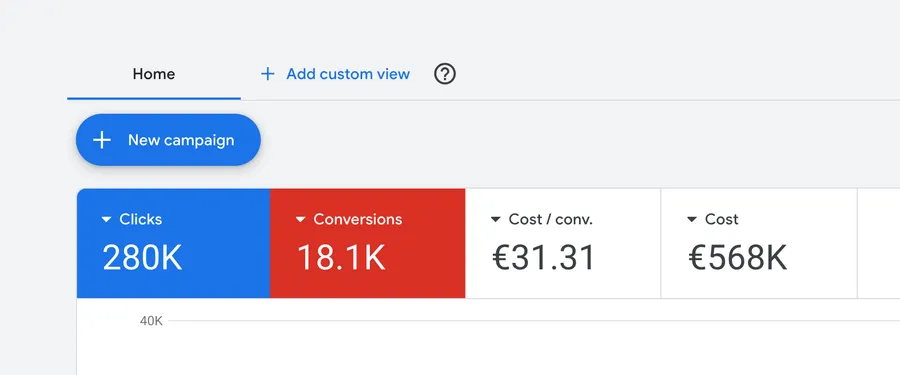
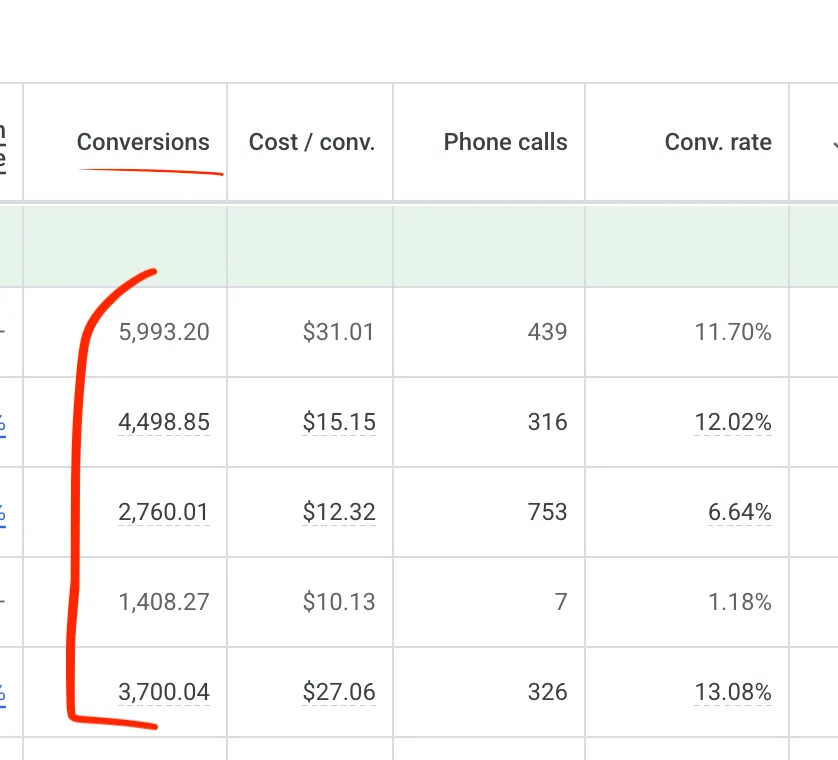
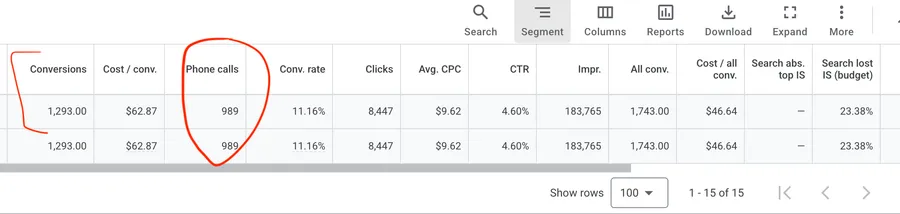
We build non-surgical aesthetics Google Ads campaigns that solve both problems. Compliant ad copy that passes regulatory scrutiny while still converting. Treatment-specific landing pages that differentiate your practitioners and approach rather than simply marketing the same devices your competitors have. Conversion tracking that measures consultation bookings, not just clicks. And bid strategies that prioritise patient quality over lead volume, because a patient who converts to a treatment package is worth considerably more than one who books a single session and disappears.
Non-Surgical Aesthetics Facebook Ads and Social Advertising
Non-surgical aesthetics Facebook ads and Meta advertising operate differently from search campaigns. They reach patients during the discovery and consideration phases, before they have decided on a specific treatment or started comparing providers. This makes them essential for cosmetic clinics building awareness, launching new treatment offerings, and reaching adults considering their first treatment.
Instagram remains the primary discovery channel for non-surgical aesthetics. Patients follow clinics, save treatment posts, and share results content with friends long before they book a consultation. TikTok has emerged as the second major discovery platform, particularly for audiences under 35 who are researching treatments like chemical peels, microneedling, PRP facials, and LED therapy for the first time.
Effective non-surgical aesthetics Facebook ads and Instagram campaigns need to navigate Ahpra restrictions on before-and-after imagery and testimonial content while still creating the aspirational, visual content that drives engagement. We build Meta campaigns that showcase practitioner expertise, demonstrate treatment processes, and communicate the natural-looking results patients actually want, all within compliance guidelines. We pair these with non-surgical aesthetics TikTok ads that use the platform's authentic, education-first format to build trust with adult audiences (campaigns must exclude under 18s).
Non-Surgical Aesthetics Website Design for Conversion
Most aesthetics clinic websites convert poorly. They showcase devices rather than practitioners. They list treatments without addressing the questions patients actually have. And they make booking harder than it needs to be. Good non-surgical aesthetics website design converts far more visitors into bookings, and every visitor a weak site loses is advertising spend wasted.
What makes non-surgical aesthetics website design convert? Treatment pages that explain what the experience involves, what results to realistically expect, and how many sessions a typical course includes. Practitioner profiles that build confidence in who will be performing the treatment, not just what device will be used. Clear booking pathways integrated with your clinic management system so patients can self-schedule without calling. Package and membership information presented in a way that communicates value without overwhelming first-time visitors. And visual content handled within Ahpra guidelines that still looks aspirational rather than clinical.
We design aesthetics clinic websites around these conversion fundamentals. The goal is a site that does the heavy lifting of education and trust-building so that by the time a patient books, they have already chosen your clinic over the alternatives.
Aesthetics Marketing: Medispa vs Cosmetic Clinic vs Dermatology
There is no generic aesthetics clinic and there should not be a generic aesthetics marketing strategy. A nurse-led medispa offering skin treatments and laser in a retail setting competes in a completely different market from a doctor-led cosmetic clinic performing advanced procedures, which competes differently again from a dermatology practice offering medical-grade aesthetic treatments alongside clinical dermatology.
For medispas, the marketing challenge is differentiating from beauty therapists and salons offering overlapping services at lower price points while staying within scope-of-practice positioning. For cosmetic clinics, it is establishing the practitioner credibility and clinical authority that justifies premium pricing in a crowded market. For dermatology practices adding aesthetic services, it is reaching the cosmetic audience without diluting the medical brand that drives referral revenue.
We build aesthetics marketing strategies around the actual positioning and economics of each clinic model. Audience targeting, messaging, channel mix, and conversion pathways all change depending on whether you are a volume-based skin clinic or a boutique injectable practice. Getting this wrong means attracting the wrong patients with the wrong expectations at the wrong price point.
SEO for Non-Surgical Aesthetics Clinics
SEO for non-surgical aesthetics clinics combines local search optimisation with treatment-specific content authority. Patients search in two patterns. Location-based searches like 'skin clinic near me' or 'laser treatment Brisbane' where they want to find a provider in their area. And treatment-research searches like 'how does fat freezing work' or 'microneedling vs chemical peel' where they are still deciding which treatment is right for them.
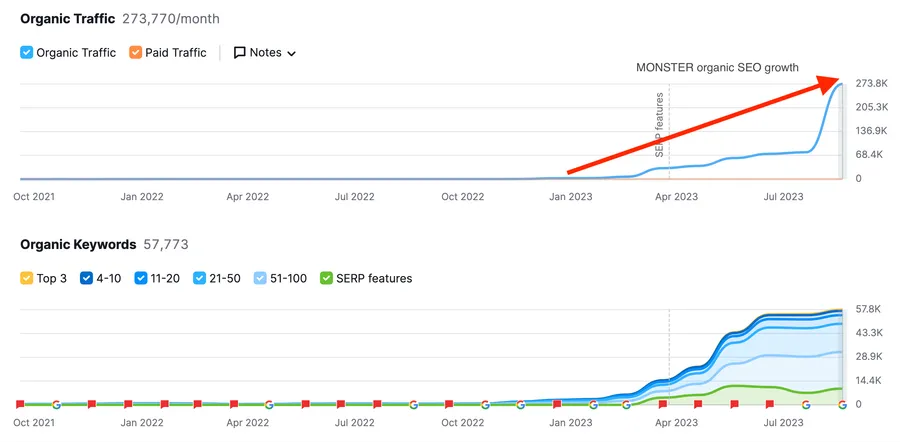
Our SEO programs address both. Local SEO ensures your Google Business Profile is optimised, your local citations are consistent, and your suburb-specific landing pages rank for the locations you serve. Content SEO builds deep treatment pages that answer the questions patients actually ask, creating organic authority that positions your clinic as the trusted resource during the research phase. Technical SEO handles the Core Web Vitals, structured data, and crawl efficiency work that stops Google from ignoring a site it should be ranking.
The aesthetics SEO landscape is competitive. Clinics, directories, and media publications all compete for the same treatment-related searches. Winning requires more than a blog post a month. It requires a systematic content strategy built around the treatment categories that drive your revenue.
Seasonal Campaigns and Treatment Stacking
Non-surgical aesthetics follows seasonal patterns that smart marketing anticipates. Winter is peak season for laser treatments, chemical peels, and any procedure requiring sun avoidance during recovery. Spring campaigns target patients preparing skin for summer. Autumn is ideal for launching treatment courses that deliver results by the holiday season. Understanding these cycles allows us to build campaign calendars that align advertising spend with natural demand patterns rather than spending the same amount every month regardless of seasonal intent.
Treatment stacking, where patients combine multiple treatments for comprehensive results, represents significant revenue opportunity. A patient who comes for skin tightening may also benefit from skin rejuvenation and body contouring. Marketing that educates patients about complementary treatments increases average patient value without requiring additional acquisition spend. We build cross-selling pathways into website content, email sequences, and social campaigns that encourage patients to explore the full breadth of what your clinic offers.
Ahpra and TGA Compliance in Aesthetics Advertising
Compliance in non-surgical aesthetics marketing is not optional, and the regulatory environment has become stricter. Ahpra's advertising guidelines prohibit testimonials in advertising for regulated health services. Before-and-after imagery must meet specific requirements around matched conditions, absence of enhancement, and appropriate clinical context. TGA Schedule 4 restrictions prevent naming certain products in advertising material, a constraint that fundamentally shapes how injectable treatments can be marketed.
Our team reviews every ad, landing page, and piece of website content against both Ahpra and TGA requirements before anything goes live. We know which claim types attract regulatory attention, how to present treatment results without crossing into testimonial territory, and how to build compliant content that still looks aspirational rather than clinical. The distinction matters. Clinics that ignore compliance risk regulatory letters, mandatory content takedowns, and reputational damage. Clinics that over-correct produce marketing so conservative it fails to convert. We sit in the middle, creating campaigns that are both compliant and commercially effective.
Why Generalist Agencies Fail Aesthetics Clinics
The pattern is consistent. A non-surgical aesthetics clinic hires a generalist marketing agency. The agency runs broad campaigns with generic beauty messaging. Ad copy names products it should not name. Before-and-after content does not meet Ahpra requirements. The website reads like a device brochure rather than a patient-focused conversion tool. Social content looks like stock photography rather than authentic clinic culture. And reporting tracks vanity metrics like impressions and reach rather than consultation bookings, treatment conversions, and patient lifetime value.
The fix is not just better execution. It is bringing genuine non-surgical aesthetics industry knowledge to the work. How aesthetic patients discover and research treatments. How the patient journey differs between laser, skin, and body treatments. How TGA and Ahpra actually enforce the rules. How loyalty programs and membership models drive retention economics. And how social platforms function as both discovery channels and trust-building tools in this uniquely visual industry. That knowledge is what separates an aesthetics marketing agency from a marketing agency that happens to have a clinic on its client list.
Doctor-led clinics, nurse-led clinics and medical spas
Explain who provides each service, their qualifications and how a consultation works. A clinic offering cosmetic injections needs to describe its prescribing arrangements accurately. Booking pages should lead to a consultation rather than invite visitors to choose a prescription-only product.
Keep skin and device treatment information separate from consultations involving prescription medicines. Do not use medicine names, treatment-category terms, prices or results imagery to promote prescription-only products to the public. Marketing for regulated health services should not use patient testimonials about clinical outcomes.
Consultation information and ongoing care
Explain consultation fees and how proposed treatment costs are discussed after assessment. Keep follow-up and appointment reminders relevant to the care already agreed with the patient. Measure enquiries through to attended consultations and rebookings, with separate reporting for each clinic location and service.