






Separate reconstruction from elective cosmetic pathways
Reconstructive enquiries may arrive through a GP or another treating specialist. Their landing pages need referral information and an accurate description of the work undertaken. Do not imply that a procedure is fully Medicare-funded or that private hospital and practitioner gaps disappear because an item may apply. Eligibility, rebates and out-of-pocket costs require individual confirmation.
Elective cosmetic surgery has its own required referral, two-consultation and cooling-off pathway. A person may research independently, but that is not the same as being able to self-refer into the first surgical consultation. Explain the steps clearly. The specialist plastic surgeon title depends on relevant specialist registration, so check titles against the register rather than treating a fellowship acronym as the only evidence.
How we would structure the search account
Group campaigns by clinical pathway before individual procedure. Reconstructive work needs the correct referral and funding explanation, while elective cosmetic work needs its own assessment and cooling-off information. Within those groups, separate procedures when the destination and available capacity genuinely differ.
Keep practice-name searches visible as their own category. Research terms can inform content, but do not assume every broad procedure search is ready for a consultation. Review local and regional demand against the practice's referral network, hospital arrangements and follow-up requirements. Use intake feedback to exclude irrelevant work, especially where the practice has a narrow subspecialty. The account should reflect that scope instead of buying every plastic surgery query.
Search themes to assess against your service scope
- specialist plastic surgeon [area]
- plastic surgery consultation [area]
- reconstructive surgery referral
- breast reconstruction consultation
- hand surgery consultation [area]
- breast reduction consultation [area]
- plastic surgery referral information
We tailor these ideas to your services, audience and advertising requirements.
A starter negative-keyword review
Review jobs, training, university, equipment and procedure-video terms as negatives. Exclude procedures outside scope and irrelevant cosmetic travel or finance intent. Use specialist titles only where current registration supports them.
What the landing page needs to answer
Provide pathway-specific referral information, the registered specialist's details, consultation locations and accurate funding caveats. Keep reconstructive and cosmetic enquiry routes understandable to both patients and referring clinicians.
Design the enquiry around a specialist practice
Give referring clinicians a secure referral route and give prospective patients plain-language information about what the practice offers. A page for hand surgery should not send someone through an elective cosmetic enquiry script. Likewise, a cosmetic researcher should be able to understand the referral requirement before calling reception.
Specialist practice systems and hospital bookings may not expose completed appointments to advertising tools. We check which integrations are available before setting up attribution. Reconcile enquiries and consultations through the practice's own records, preserving referral documents and clinical histories in the clinical system. We report theatre bookings only when your practice records confirm them.
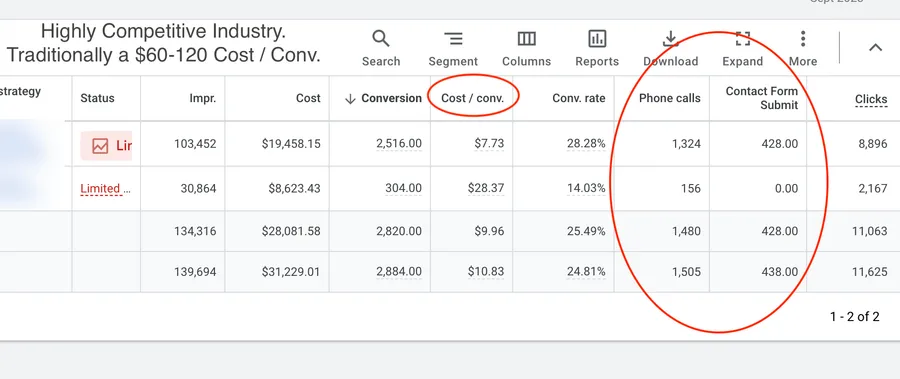
What the available search-cost data can tell you
We set a test around the services and locations you can take on, forecast clicks conservatively and review real enquiries before expanding. Ad spend sits separately from management.
Advertising and communication boundaries
Ahpra and Medical Board rules apply, with additional cosmetic surgery requirements for the elective service. Keep adult-only targeting for cosmetic campaigns, avoid clinical testimonials and protect specialist titles. Funding claims, procedure comparisons and images need clinical review. A campaign cannot promise a surgical outcome or shortcut a required assessment.
Use: "Referral information for a specialist plastic surgery consultation." Avoid: "Fully funded reconstruction, guaranteed results." Neither funding nor outcomes can be established by the advertisement.
Understand which enquiries become appointments
Agree which actions count before changing bids. A call-button click, an answered call, a submitted form and a confirmed appointment are different events. Check booking completion data against the actual system and deduplicate enquiries across phone and form. We report confirmed bookings separately from calls and form enquiries, and explain any gaps in tracking.
We track calls without recording every conversation, and any recording runs through a consent process. Clinical notes, diagnoses and referral documents stay out of analytics and advertising audiences.
How we would judge the work
Report qualified referral or consultation enquiries and attended consultations by pathway. Do not infer operation bookings from forms. Use internal practice reconciliation when hospital or specialist software cannot expose a reliable booking event.
Five mistakes to check in an audit
- Reconstructive and cosmetic terms share a landing page. Separate the pathways so referral requirements and funding information match the enquiry.
- Medicare eligibility presented as full cover. Explain that eligibility and possible gaps need confirmation rather than promising a fully funded private procedure.
- Surgeon titles inferred from a credential acronym. Verify relevant specialist registration and use the precise title supported by it.
- Allied health booking assumptions. Check the actual specialist practice system and workflow before promising online appointments or direct booking attribution.
- Consultation enquiries reported as operations. Keep enquiry, attended consultation and subsequent treatment stages separate in internal reporting.
Related service information and reading
See our marketing approach for plastic surgery practices and healthcare Google Ads service information. Related services: Meta Ads for plastic surgery practices, Website design for plastic surgery practices, SEO for plastic surgery practices.
For search-market context, see the broader cosmetic surgery Google Ads benchmarks. These are search advertising references, not agency prices or promised results.
Further reading: Cosmetic Surgery Marketing; Allied Health Referrals.
Check the applicable rules: Ahpra advertising guidance; TGA advertising requirements; Google Ads healthcare policy guidance.
Get a free Google Ads audit to discuss the services, capacity and enquiry pathways that matter for your organisation.
Updated 4 October 2026.