











The Ahpra and TGA Compliance Challenge
Cosmetic surgery advertising in Australia is governed by the National Law, Ahpra's advertising guidelines and the Ahpra and Medical Board guidelines for advertising cosmetic surgery, with the TGA's Therapeutic Goods Advertising Code applying wherever implants, devices or medicines are referenced. These regulations restrict how cosmetic procedures can be promoted, what claims can be made, and how patient outcomes can be discussed. For SEO, this creates a specific challenge: you need to produce detailed, authoritative content that ranks well in search results, but every word must meet regulatory requirements that are stricter for cosmetic surgery than for most other medical disciplines.
Common compliance pitfalls include using before-and-after imagery in ways that constitute an inducement to seek treatment, publishing patient testimonials that reference therapeutic outcomes, making claims about being the leading surgeon in any area, guaranteeing surgical results, and referencing TGA-regulated substances or devices by brand name in advertising material. The TGA restrictions on naming specific injectable products, implant brands, and medical devices add an additional layer of complexity that does not apply to most other healthcare verticals.
Our team reviews all content against current Ahpra and TGA guidelines before publication, ensuring your website builds authority without creating compliance risk. Practices that work with agencies unfamiliar with these rules often cycle through content revisions, face ad rejections on related paid campaigns, or worse, receive formal compliance notifications from the Medical Board or Ahpra directly. Starting with compliant content from day one means your cosmetic surgery SEO efforts build momentum rather than creating problems that need to be unwound later.
Procedure Pages That Rank and Convert
The foundation of cosmetic surgery SEO is a comprehensive set of procedure pages. Each surgical and non-surgical service you offer should have its own dedicated page targeting the specific searches patients use when researching that procedure. In competitive markets like Sydney, Melbourne, and Brisbane, these procedure pages are where the organic ranking battle is won or lost.
A rhinoplasty page, for example, needs to address what patients are actually searching for: the procedure itself, the difference between open and closed rhinoplasty approaches, recovery timelines at each stage, potential risks and complications, candidacy criteria, and what to expect during an initial consultation. Patients searching for rhinoplasty information are doing serious research, often across multiple surgeon websites over several weeks. They want clinical substance, not marketing copy that reads like an advertisement.
We structure procedure pages to cover these topics thoroughly while naturally incorporating target keywords. The page needs to satisfy both the patient looking for genuine information and the search engine evaluating content quality and relevance. Thin pages with a paragraph of text and a contact form do not rank in competitive cosmetic surgery markets, where the top-ranking pages typically contain one thousand words or more of detailed, clinically accurate content. Effective cosmetic surgery SEO requires this depth and clinical substance on every procedure page, whether it covers breast augmentation, abdominoplasty, or blepharoplasty.
Recovery and Risk Content as an SEO Strategy
Some of the highest-volume cosmetic surgery searches are recovery-related. Rhinoplasty recovery time, breast augmentation recovery week by week, how long after a facelift can I exercise, and abdominoplasty swelling timeline are all searches with significant volume that indicate genuine patient interest from people who are seriously considering a procedure, not just casually browsing.
Recovery content serves a dual purpose. It captures organic traffic from patients who are already considering a procedure and researching what to expect after surgery. It also demonstrates your practice's transparency and commitment to informed consent, which is a quality signal that Google values under its E-E-A-T framework. Practices that publish detailed, honest recovery information, including realistic timelines for returning to work, exercise, and normal activities, build more trust than those that gloss over the reality of surgical recovery.
Risk content follows the same logic. Patients respect surgeons who are upfront about potential complications including infection, scarring, asymmetry, and revision rates. From an SEO perspective, comprehensive risk information demonstrates expertise and builds the kind of authoritative content that search engines favour. Ahpra guidelines actually support this approach, as they require that advertising not create unrealistic expectations about outcomes. Honest risk disclosure is both compliant and effective from an organic search perspective.
Surgeon Profiles and E-E-A-T
Google's E-E-A-T framework (Experience, Expertise, Authoritativeness, Trustworthiness) is particularly relevant to cosmetic surgery SEO. Google wants to ensure that medical content, especially content about surgical procedures, is created or overseen by qualified professionals. Surgeon profiles are a critical element of demonstrating this to both search engines and prospective patients.
An optimised surgeon profile goes beyond a headshot and a list of qualifications. It details the surgeon's training pathway, FRACS fellowship status, areas of surgical specialisation, professional memberships with bodies like ASPS or ASAPS, academic appointments, and approach to patient care and consultation. The profile connects to the procedure pages the surgeon performs, creating a clear relationship between the surgeon's expertise and the clinical content on your website. This internal linking structure reinforces E-E-A-T signals throughout your site.
These profiles also rank independently. Patients frequently search for surgeons by name, particularly after receiving a referral from their GP or hearing about a surgeon through personal networks. A well-optimised profile ensures your own website ranks ahead of third-party directories, review aggregators, and RealSelf-style platforms for your surgeon's name searches. Controlling this first impression matters, because the content on your own profile page is within your control, while third-party listings are not.
Non-Surgical Aesthetics and Content Strategy
Many cosmetic surgery practices also offer non-surgical treatments: skin tightening, laser resurfacing, chemical peels, and other aesthetic services. These services have their own search patterns, their own patient demographics, and their own compliance requirements that differ from surgical procedure content.
Non-surgical content needs a different approach than surgical procedure pages. Treatment descriptions tend to be shorter and more focused on the experience and expected downtime. Search volumes are often higher for generic terms like anti-wrinkle injections near me, and the competitive landscape includes medspas, beauty clinics, and nurse injector practices alongside surgical practices. The TGA adds complexity here because prescription-only injectables cannot be promoted at all: brand names, generic terms like 'anti-wrinkle injections' and 'dermal fillers', prices and results imagery are all treated as advertising, and an 'education only' disclaimer does not change that. Injectable content therefore stays concern-led and consultation-led.
We build content strategies that position your practice's non-surgical offerings with the clinical authority that comes from a surgical background. Patients choosing between a medspa and a surgeon-led clinic value the oversight and clinical expertise that a surgical practice provides. Your content should communicate this advantage clearly, explaining who performs each treatment, what qualifications they hold, and how complications are managed within a surgical practice environment. This differentiation helps your non-surgical pages rank against competitors with higher treatment volumes but lower clinical authority.
The Cosmetic Surgery Patient Journey and Search Behaviour
Cosmetic surgery patients typically move through distinct research phases that can span weeks or months. Early-stage patients search for general information: what is rhinoplasty, breast augmentation options, types of facelift, and am I a candidate for liposuction. Mid-stage patients search for specifics: recovery details, potential risks, candidacy criteria, and what to expect during a consultation. Late-stage patients search for surgeons: rhinoplasty surgeon Sydney, cosmetic surgeon reviews Melbourne, and facelift specialist Brisbane.
An effective SEO strategy covers all three phases. Informational content captures early researchers and establishes your practice as a trusted resource before the patient has narrowed their shortlist. Detailed procedure and recovery content engages mid-stage patients doing deep research and comparing surgical approaches. Surgeon profiles and location-specific pages capture patients who are ready to book a consultation and want to confirm they are choosing the right practitioner.
This layered approach means your practice appears multiple times throughout a patient's research journey, building familiarity and trust that makes them more likely to choose you when they are ready to book. The patient who first finds your rhinoplasty information page, then returns to read your recovery guide, and finally visits your surgeon profile has had three trust-building interactions with your practice before they ever pick up the phone. This compounding exposure is the fundamental advantage of organic search over paid advertising for cosmetic surgery practices.
Lead Quality and Consultation Qualification
Cosmetic surgery SEO should prioritise enquiry quality over raw enquiry volume. A practice that receives fifty consultation enquiries per month but only converts ten into surgical patients has a different problem from a practice that receives twenty highly qualified enquiries and converts fifteen. The SEO strategy, and specifically the content that drives organic traffic, directly influences where on that spectrum your practice sits.
Content that emphasises candidacy criteria, realistic expectations, consultation processes, and the commitment involved in surgical procedures naturally pre-qualifies patients before they enquire. A breast augmentation page that clearly explains what the consultation involves, what questions the surgeon will ask, and what the patient should consider before proceeding filters out patients who are not ready to commit, while reassuring patients who are serious about moving forward.
This approach also reduces the administrative burden on your practice. Consultation time is expensive, and surgeons who spend their time with well-researched, pre-qualified patients rather than casual enquirers operate more efficiently. The right SEO content strategy positions your website as a thorough information resource that educates patients before they contact you, resulting in consultation requests from patients who have already done their homework and are genuinely interested in proceeding.
Before-and-After Content Strategy Within Ahpra Rules
Before-and-after imagery is one of the most powerful trust-building tools in cosmetic surgery marketing, but it is also one of the most heavily regulated. Ahpra guidelines restrict the use of before-and-after images that could constitute an inducement to seek treatment, require that such images not create unrealistic expectations, and prohibit using patient images as testimonials of therapeutic outcomes. The TGA adds further restrictions when images relate to devices or substances covered by the Therapeutic Goods Act.
Despite these restrictions, compliant before-and-after content is possible and valuable for SEO. The approach requires careful framing: images should be presented in the context of patient education rather than promotional showcasing, accompanied by balanced information about risks and variability in outcomes, and labelled with appropriate disclaimers. Results galleries structured this way satisfy both regulatory requirements and patient expectations for visual evidence of surgical quality.
From an SEO perspective, properly structured before-and-after galleries create additional indexable pages, generate image search traffic, and provide the kind of unique, practice-specific content that search engines value. We help cosmetic surgery practices build compliant gallery structures with proper image alt text, schema markup, and page architecture that capture image search traffic while meeting every Ahpra and TGA requirement. The galleries should be organised by procedure category and include enough clinical context to serve as genuinely educational content rather than purely promotional material.
Breast, Facial, Body, and Hair Transplant SEO
Each category of cosmetic surgery has its own keyword landscape, patient demographics, and content requirements. Building category-level content strategies ensures your practice ranks across the full spectrum of procedures you offer, not just the one or two procedures with the highest awareness.
Breast procedures including augmentation, reduction, lift, and revision have high search volumes and intense competition from both specialist breast surgeons and general cosmetic surgeons, making SEO for this category particularly demanding. Breast augmentation alone has dozens of long-tail keyword variations covering implant types, placement options, sizing considerations, and recovery specifics. Each of these variations represents an organic ranking opportunity that a comprehensive content strategy should capture.
Facial procedures like rhinoplasty, facelift, blepharoplasty, and otoplasty attract patients with very specific aesthetic concerns who research extensively before choosing a surgeon. These patients often compare multiple surgeons and look for evidence of specialisation in their specific procedure. Body procedures including abdominoplasty, liposuction, body lift, and post-bariatric surgery often target patients at particular life stages, such as post-pregnancy or significant weight loss, and the content needs to address the unique considerations for each patient group.
Hair transplant searches continue to grow year on year across Australia, with FUE and FUT technique comparisons driving significant search volume. Practices offering hair transplant alongside traditional cosmetic surgery procedures can capture this growing search segment with dedicated content that addresses the specific concerns of hair loss patients, including candidacy assessment, donor area considerations, and realistic timeline expectations for visible improvement.
Local SEO for Cosmetic Surgeons
Despite the willingness of some patients to travel for cosmetic surgery, the majority begin their search with local intent. Cosmetic surgeon Sydney, rhinoplasty Melbourne, breast augmentation Brisbane, and facelift Perth are all high-value local searches that drive consultation enquiries from patients who prefer a surgeon within their city or region.
Local SEO for cosmetic surgeons involves Google Business Profile optimisation with accurate medical categories, local citation management across healthcare directories and medical association listings, location-specific landing pages that target city and suburb-level searches, and a review response strategy that demonstrates professionalism. Your Google Business Profile is often the first thing patients see when comparing surgeons in their area, so it needs to accurately represent your practice, feature your key procedures, display your surgeon's qualifications, and be actively managed with regular posts and timely responses to reviews.
For practices with consulting rooms in multiple locations, such as a primary surgical suite in the CBD and satellite consultation rooms in suburban locations, each location needs its own local SEO strategy. This includes separate Google Business Profiles, location-specific website pages, and independent citation management that avoids confusing search engines about your practice's geographic presence. The goal is to appear in local search results for each area you serve while maintaining a cohesive brand presence across locations.
Measuring Cosmetic Surgery SEO Performance
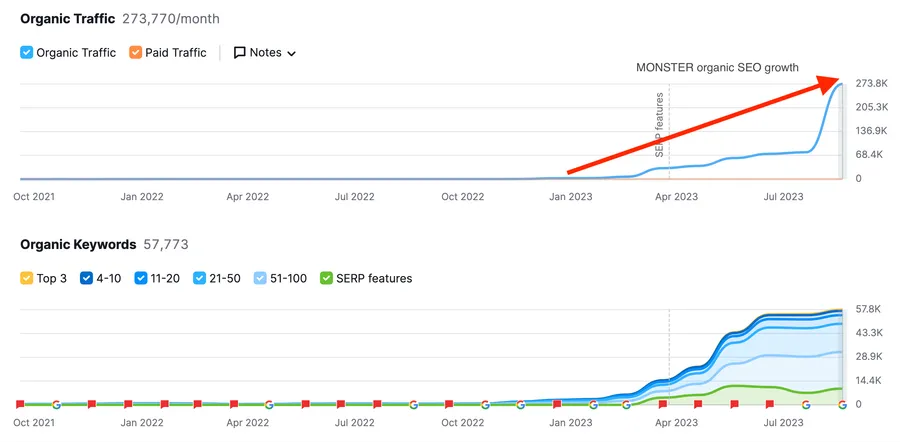
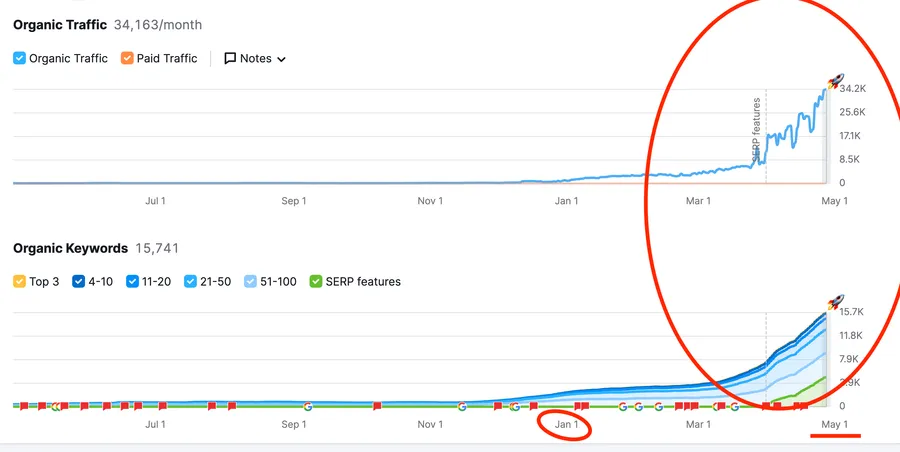
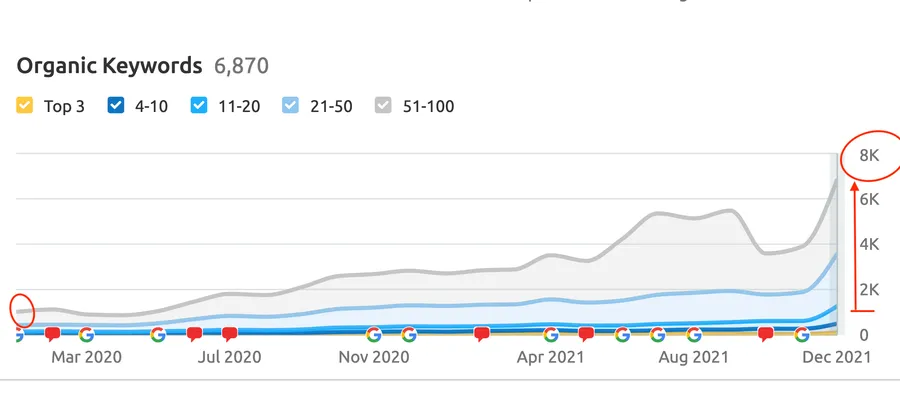
Cosmetic surgery SEO performance should be measured across metrics that reflect the patient acquisition journey, not just raw traffic numbers. Keyword rankings for procedure-specific searches show whether your visibility is growing for the terms that matter. Organic traffic trends show whether that visibility is translating into website visits from genuinely interested patients. And conversion tracking, including call tracking and consultation booking form submissions, shows whether those visits are becoming real consultation enquiries.
We track cosmetic surgery SEO performance with reporting that separates procedure-level performance, so you can see which procedures are generating the most organic interest and where opportunities remain. A practice might rank well for rhinoplasty but have limited visibility for body contouring procedures, which indicates where content investment should focus next. Monthly reporting breaks down performance by procedure category, geographic location, and search type so you can see the full picture of your organic growth trajectory and make informed decisions about ongoing content priorities.