




Organise around treatment pathways and chair capacity
General care, emergency appointments, orthodontic enquiries and implant assessments need their own explanations. Only advertise treatment your team actually provides. A general dentist with an interest in cosmetic work should not be presented as a specialist without the relevant registration. Practitioner biographies should make qualifications and roles clear without relying on superlatives.
Private health arrangements, preferred-provider status and the Child Dental Benefits Schedule are distinct. Explain which arrangements your practice accepts and how eligibility is checked, without implying universal cover or no gap for every visit. An enquiry about a rebate is not yet an accepted treatment plan. For complex care, report assessment bookings and treatment decisions as separate stages rather than calculating a return from every form submission.
How we would structure the search account
Separate emergency, routine new-patient and longer-consideration treatment campaigns. Emergency campaigns should use the hours reception can answer and the locations with urgent capacity. Implant or orthodontic assessment searches need a different page and enquiry route, with their own cost and booking report.
Keep brand demand visible but separate so existing patients searching the practice name do not make new-patient acquisition appear cheaper. Review search terms for treatment, location and urgency. Start with the services the practice can deliver reliably, then expand after checking booked appointment quality rather than click-through rate alone. A busy campaign that fills the wrong appointment type can disrupt the diary without helping the practice.
Search themes to assess against your service scope
- dentist [suburb]
- emergency dentist [area]
- dental check-up [suburb]
- family dentist [area]
- dental implant consultation
- orthodontic consultation [area]
- tooth replacement assessment
- weekend dentist [area]
We tailor these ideas to your services, audience and advertising requirements.
A starter negative-keyword review
Starter negatives include jobs, dental courses, dental supplies, wholesale and training. Review free-care and public dental queries against your actual offer. Do not exclude emergency or weekend intent merely because it is expensive if the practice provides that service.
What the landing page needs to answer
Emergency pages need current hours and a staffed phone route. Routine pages need a usable booking option. Complex-care pages need assessment information, the relevant clinician and a clear explanation that suitability is determined clinically. Keep funding claims specific and omit clinical testimonials.
Give reception the right next step
Emergency pages need accurate opening hours and a working phone route. A form that nobody checks overnight must not suggest immediate care. Implant and orthodontic pages need an explanation of the assessment, relevant clinician details and a way to ask about suitability. Family dentistry pages should make parking, access and new-patient booking straightforward.
Dental booking software can offer different appointment types and lengths, but availability depends on the practice's configuration. Test the chosen booking route before promising it in an ad. If a complex consultation requires a call first, say so. Use confirmed appointments and attendance to judge enquiries, with treatment acceptance kept in the practice's own reporting rather than sent as sensitive advertising data.
What the available search-cost data can tell you
The Q3 2026 Australian search dataset, pulled on 13 August 2026, totals 374,850 estimated average monthly searches in the dental keyword set. This is national demand, not your local catchment. The search-volume-weighted average CPC across the priced terms is $11.74. High-range top-of-page bids across the priced keywords run from $8.47 to $33.98. The published stabilised CPL reference is $55 to $85, an indicative market benchmark.
We set a test around the services and locations you can take on, forecast clicks conservatively and review real enquiries before expanding. Ad spend sits separately from management.
Advertising and communication boundaries
Ahpra rules apply to dental advertising, including treatment claims, protected titles and testimonials about clinical care. We keep patient testimonials out of website and advertising content. Do not build campaigns around making people unhappy with their appearance or encouraging unnecessary treatment. Public reviews on independent platforms are different from republishing them in practice advertising.
Use: "Discuss tooth replacement options at a dental assessment." Avoid: "Hate your smile? Get the perfect result now." The consultation should inform a decision rather than manufacture insecurity or guarantee an appearance.
Understand which enquiries become appointments
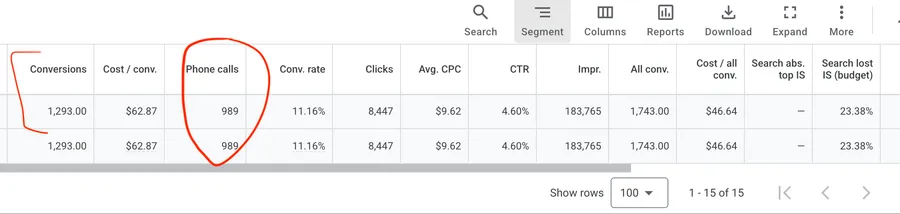
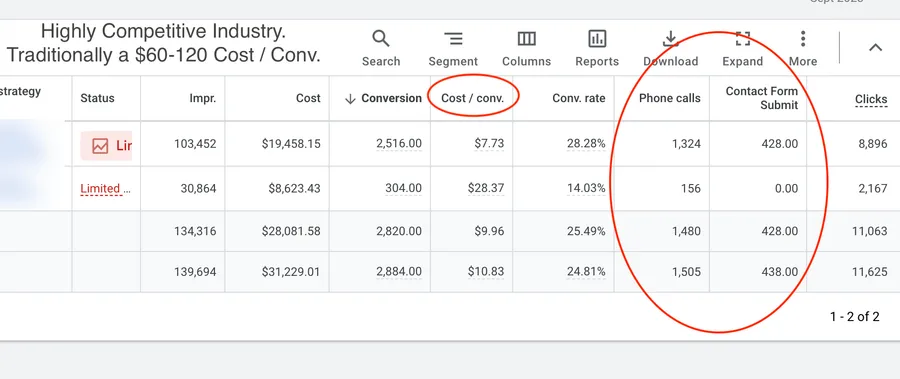
Agree which actions count before changing bids. A call-button click, an answered call, a submitted form and a confirmed appointment are different events. Check booking completion data against the actual system and deduplicate enquiries across phone and form. We report confirmed bookings separately from calls and form enquiries, and explain any gaps in tracking.
We track calls without recording every conversation, and any recording runs through a consent process. Clinical notes, diagnoses and referral documents stay out of analytics and advertising audiences.
How we would judge the work
Separate answered calls, valid new-patient enquiries, appointments booked and attended consultations. Review treatment acceptance internally where relevant, without sending treatment details to advertising platforms. A low form cost alone is not evidence that a campaign fills appropriate chair time.
Five mistakes to check in an audit
- Emergency ads when nobody answers. Match call advertising to staffed hours and distinguish an enquiry from a confirmed urgent appointment.
- Implants and check-ups share one budget. Separate assessment-led treatment from routine appointments so cost and booking quality can be interpreted properly.
- Generic bookings for complex care. Confirm that the offered appointment type and duration suit the enquiry instead of sending every visitor to the same diary slot.
- Clinical review widgets on landing pages. Do not republish patient testimonials about care. Use factual practitioner, service and access information.
- Health fund logos treated as a coverage promise. Explain the actual arrangements and eligibility checks. A logo alone does not establish the visitor's entitlement.
Related service information and reading
See our marketing approach for dental practices and healthcare Google Ads service information. Related services: Meta Ads for dental practices, Website design for dental practices, SEO for dental practices.
For search-market context, see the dental Google Ads benchmarks. These are search advertising references, not agency prices or promised results.
Further reading: Dental Marketing Guide; Best Dental SEO Agencies in Australia 2026.
Check the applicable rules: Ahpra advertising guidance; Google Ads healthcare policy guidance.
Get a free Google Ads audit to discuss the services, capacity and enquiry pathways that matter for your organisation.
Updated 4 October 2026.