










The Dual Nature of Dermatology Marketing
Dermatology practices face a unique marketing challenge: serving two distinct patient populations with fundamentally different motivations. Medical dermatology patients seek specialist expertise for conditions that need specialist care. Cosmetic dermatology patients want aesthetic improvement from a qualified professional. These audiences search differently, evaluate differently, and convert differently.
Effective Google Ads for dermatology requires campaign architecture that respects this duality. A single campaign trying to serve both audiences inevitably compromises on messaging, wastes budget on mismatched intent, and delivers suboptimal results for both patient types.
Medical Dermatology Campaign Strategy
Patients searching for medical dermatology services typically have a specific condition they want addressed by a specialist. They've often seen their GP, tried over-the-counter treatments, and obtained a GP referral, which they need to claim a Medicare rebate for a specialist consultation. Keywords for medical campaigns include condition-specific searches (psoriasis dermatologist, severe acne treatment, eczema specialist) and referral-pathway searches (dermatologist referral, skin specialist near me).
Messaging for medical campaigns emphasises qualifications, experience with specific conditions, and the specialist nature of care. These patients want confidence they're seeing someone with genuine expertise, not a cosmetic clinic that also does some medical work. Landing pages should lead with credentials, include condition-specific information, and make the referral process clear. Many dermatologists are booked months ahead, so medical campaigns usually support services with capacity, such as a new location, a new dermatologist's books, procedural lists or urgent lesion pathways, rather than general consultations.
Skin Cancer Screening Campaigns
Australia's skin cancer rates create consistent demand for screening services. Skin check campaigns require particular attention to seasonality: searches spike during summer months and around awareness campaigns. Smart dermatology practices increase skin check budgets during high-intent periods rather than maintaining flat spending year-round.
Messaging for skin checks balances appropriate urgency with sensitivity. Patients are often anxious about what a skin check might reveal. Copy that's too aggressive about skin cancer risk can deter bookings rather than encourage them. We've found approaches that motivate action while acknowledging patient concerns perform significantly better than fear-based messaging.
Cosmetic Dermatology Campaign Strategy
Cosmetic dermatology patients search differently. They research treatments (laser skin resurfacing, chemical peels, pigmentation and acne scarring treatment) and compare providers. They evaluate based on results, aesthetic sensibility, and practice environment. They're often willing to pay premium prices for the assurance of dermatologist care versus nurse-injector alternatives.
Campaigns for cosmetic services need positioning that justifies the dermatology difference. Why should a patient choose a dermatologist for cosmetic treatments when cosmetic clinics might charge less? The answer lies in understanding skin at a deeper level, managing complications if they occur, and access to treatments that need specialist assessment. This positioning must come through clearly in ad copy and landing pages.
Ahpra Compliance in Dermatology Advertising
Dermatology advertising faces strict Ahpra guidelines around claims, testimonials, and before-after imagery. Medical dermatology campaigns must avoid implied guarantees about treatment outcomes. Cosmetic dermatology faces additional restrictions around creating unrealistic expectations or using imagery that could be considered inducement.
We build campaigns that work within these constraints while still driving results. Compliant doesn't mean ineffective. It means crafting messages that build confidence through legitimate means: credentials, experience, approach to care, and practice quality. Practices that try to push compliance boundaries often face advertising complaints that damage reputation far more than any short-term patient gains.
Measuring What Actually Matters
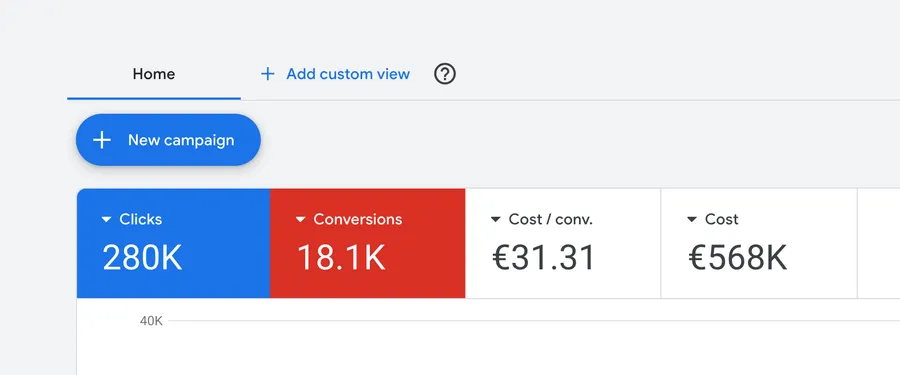
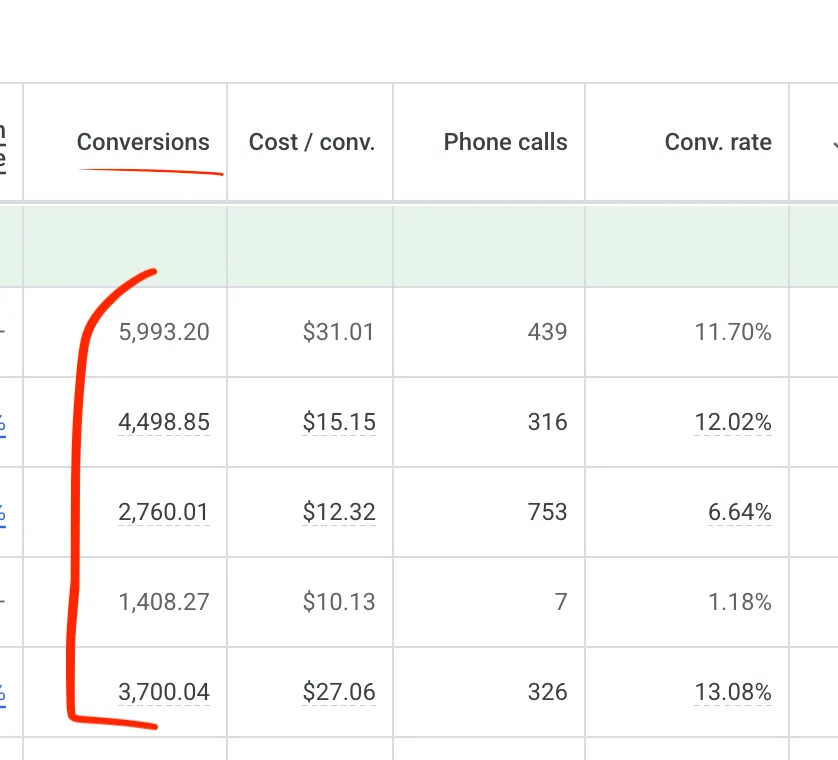
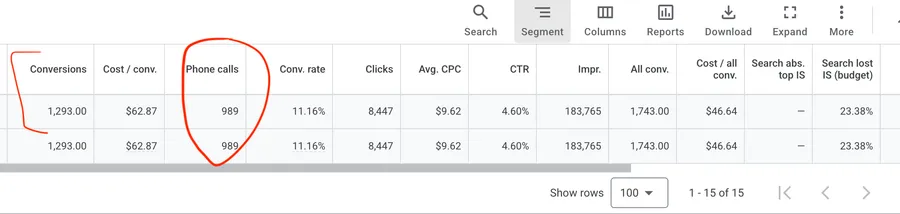
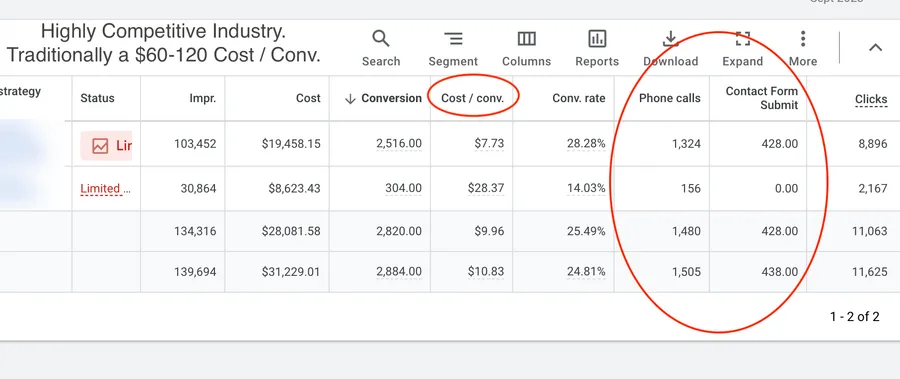
Clicks and enquiries don't pay the practice's overheads. Booked appointments do. We implement tracking that follows patient journeys from search through to consultation, providing clear visibility into which campaigns, conditions, and keywords actually generate the appointments your practice needs. This appointment-level data enables optimisation decisions that genuinely improve practice performance.