











Why Dermatology Practices Need Specialist SEO
Dermatology SEO is not general healthcare SEO applied to a skin clinic website. The search landscape is split across two distinct verticals: medical conditions and cosmetic procedures. Each has different search intent, patient demographics and conversion pathways. A general SEO agency may improve your technical foundations, but without understanding the medical-cosmetic split, skin cancer seasonality, TGA device advertising rules, and how to communicate specialist credentials in a competitive market, they will miss the opportunities that matter most.
Medical dermatology searches are condition-driven. Patients search for 'dermatologist for eczema', 'psoriasis specialist near me', 'skin cancer check', 'mole mapping', and 'acne dermatologist'. These searches carry strong clinical intent and often come from patients who have a GP referral or are seeking one. Cosmetic dermatology searches are procedure-driven: 'laser skin rejuvenation', 'cosmetic dermatologist', 'chemical peel specialist'. These searches are more competitive because your practice competes not just with other dermatologists but with GP-led clinics, cosmetic nurses, and cosmetic clinics offering similar-sounding services without specialist oversight.
Our team has 10+ years of healthcare marketing experience. We understand these search dynamics, the compliance environment that shapes content creation, and how to build dermatologist SEO strategies that capture organic demand across both sides of the practice. The practices that invest in specialist dermatology SEO now are building an organic asset that compounds over time, reducing their long-term dependence on paid advertising and referral networks.
Condition Pages That Establish Clinical Authority
The foundation of medical dermatology SEO is condition-specific content. Patients searching for help with acne, eczema, psoriasis, rosacea, dermatitis, or other skin conditions want to find a specialist who understands their problem. Generic condition descriptions copied from medical references do not rank and do not convert. Effective condition pages demonstrate genuine specialist expertise through clinical depth that patients and search engines both value.
An effective acne page, for example, should cover the types of acne your practice treats, the diagnostic approach, treatment options from topical therapies through to oral medications and procedural interventions, what patients can expect from treatment timelines, and how to access specialist care through a GP referral. This content captures patients during active research, positions your practice as the authority on the condition, and pre-qualifies patients before they enquire.
Eczema and psoriasis pages serve a different audience. These patients are often managing chronic conditions and searching for specialist management rather than a first-time diagnosis. Content that addresses long-term treatment strategies, biological therapies, phototherapy options, and the role of a dermatologist in ongoing condition management speaks directly to patients who need specialist care beyond what their GP can provide. The search volume for chronic skin condition keywords is substantial and year-round, making these pages reliable sources of organic traffic.
We build condition pages that balance clinical depth with patient accessibility. Content needs to be thorough enough that it demonstrates Fellowship-level expertise, clear enough that patients understand it, and structured well enough that search engines rank it above the health information sites and directory listings that currently occupy many condition-specific search results.
Skin Cancer SEO and Seasonal Demand
Skin cancer screening is one of the highest-volume search categories in Australian healthcare SEO. Searches for skin cancer checks, mole mapping, and suspicious mole assessment follow strong seasonal patterns, rising sharply in late spring and peaking through summer as Australians become more sun-aware.
Dedicated skin cancer pages should cover what a skin cancer check involves at a dermatology practice, how mole mapping and total body photography work, who should consider regular screening based on risk factors, the difference between a skin check at a GP-led clinic versus a Fellowship-trained dermatologist, and how to access urgent appointments for concerning lesions. These pages serve dual purposes: they rank for screening searches throughout the year and they capture the seasonal surge in awareness-driven demand that peaks in the Australian summer months.
Skin cancer surgery content, including Mohs micrographic surgery, excision techniques, flap and graft reconstruction and post-operative care, targets a different audience: patients who have already been diagnosed and are researching surgical options or looking for a dermatologist who performs Mohs surgery. This content tends to be less seasonal but represents higher clinical value per patient. A comprehensive dermatology SEO strategy addresses both screening intent and treatment-specific searches, building visibility across the full patient journey from awareness through diagnosis to treatment.
Cosmetic Dermatology SEO Within Compliance
Cosmetic dermatology SEO sits in a compliance environment that many practices find difficult to navigate in their content. Ahpra restrictions on before-and-after imagery in advertising, prohibitions on testimonial use, and TGA rules around device-based treatment claims all limit the creative approaches available. At the same time, you are competing for cosmetic patients against providers who may operate under lighter regulatory oversight or who simply ignore compliance requirements in their content.
Effective cosmetic dermatology content demonstrates expertise without making prohibited claims. Procedure pages for laser treatments, chemical peels, and skin rejuvenation should explain what the procedure involves, who is a suitable candidate, what recovery looks like, how many sessions are typically required, and why specialist-delivered care matters for safety and clinical outcomes. This content captures patients during their research phase and positions your practice as the clinically credible option in a market crowded with non-specialist providers.
TGA compliance adds a specific layer for content involving therapeutic devices. Claims about device performance must align with TGA registration and approved indications. You cannot make claims that go beyond what the device is registered for, and you cannot attribute outcomes to specific device brand names in ways that constitute advertising for the device manufacturer. We build cosmetic dermatology content that works within both Ahpra and TGA frameworks while still generating the search visibility your practice needs. Dermatology marketing that ignores these requirements creates regulatory exposure that no ranking improvement is worth.
Local SEO for Dermatology Practices
Local SEO is critical for dermatology practices because most patient searches carry geographic intent. Whether a patient is searching for a dermatologist, a skin cancer check, or a cosmetic procedure, Google's local pack typically sits above traditional organic results.
Local dermatology SEO involves several interconnected elements. Your Google Business Profile needs complete service listings covering both medical and cosmetic services, accurate specialist categories, regular posts about seasonal services and practice updates, and an active review profile. Your website needs suburb-specific content that reinforces geographic relevance without resorting to thin doorway pages. Citations across healthcare directories including HealthEngine, HotDoc, and specialist directories need to be consistent in name, address, and phone number across every listing.
For practices with multiple locations, each site needs its own local SEO strategy. We build location-specific content and Google Business Profile optimisation for each clinic, ensuring strong visibility in each geographic area without locations competing against each other in search results. Multi-location dermatology practices also benefit from location-specific condition content that targets suburb-level searches for common presentations in each catchment area.
The Specialist Advantage in SEO
One of the most valuable assets a dermatology practice has for SEO is genuine specialist expertise. Fellowship-trained dermatologists registered with Ahpra as specialists and members of the Australasian College of Dermatologists have clinical depth that non-specialist competitors cannot match. Effective SEO for dermatologists translates this expertise into search visibility that reflects the genuine clinical difference between a specialist and a non-specialist provider.
Content written from a specialist perspective naturally contains the depth, nuance, and clinical accuracy that both patients and search engines value. A dermatologist writing about psoriasis management covers biological therapies, phototherapy protocols, and long-term treatment strategies that a GP-led skin clinic or generic health website cannot credibly address. This depth creates content that ranks because it genuinely deserves to, not because of technical manipulation or keyword stuffing.
We help dermatology practices translate their clinical expertise into content that serves both patients and search engines. Practitioner profiles that communicate Fellowship credentials, subspecialty interests, and research involvement clearly. Condition pages that demonstrate specialist-level understanding of pathophysiology, diagnosis, and treatment options. And procedure pages that explain treatments with the clinical authority that only a specialist practice can credibly deliver. This specialist advantage is the most sustainable competitive advantage in dermatology SEO because it cannot be replicated by non-specialist competitors regardless of their marketing budget.
Teledermatology and Expanded Reach
Teledermatology has grown rapidly in Australia, accelerated by Medicare telehealth item numbers and patient demand for more accessible specialist care. SEO can help practices capture this expanding market. Patients in regional areas with limited dermatologist access, patients seeking second opinions on diagnoses, and patients who prefer initial consultations via video all search for teledermatology services. Content targeting these searches extends your geographic reach well beyond your physical catchment and into areas where dermatologist access is genuinely limited.
Teledermatology landing pages, content addressing how remote dermatology consultations work for different conditions, and Google Business Profile service area extensions all contribute to capturing this growing segment of demand. For dermatologists offering teledermatology, these pages often represent some of the fastest-growing organic traffic sources because competition for teledermatology keywords remains relatively low compared to in-person dermatology searches. Practices that establish strong teledermatology content early gain a first-mover advantage that becomes harder for competitors to challenge as their content authority builds over time.
SEO also supports the GP referral channel that drives most medical dermatology volume. When a GP searches for a dermatologist to refer a patient to, practices with strong local visibility, clear information about subspecialty focus areas, and well-structured referral information are more likely to receive that referral. Your website should make it straightforward for referring GPs to understand your clinical expertise, your current wait times, your referral process, and any urgent pathways available for suspected melanomas or acute presentations. Condition-specific content that GPs can reference when explaining a referral builds confidence in sending patients your way. Professional positioning through SEO content, specialist directory listings, and industry presence keeps your practice visible when a GP is choosing between multiple dermatologists in the area. For cosmetic dermatology, referrals are less relevant because these patients are almost entirely self-referred. This makes direct acquisition through SEO, Google Ads, and Meta advertising even more critical for building your cosmetic patient base.
Measuring Dermatology SEO Results
Dermatology SEO success should be measured in patient enquiries across both medical and cosmetic service lines, not just aggregate traffic or ranking numbers. Rankings and traffic matter as leading indicators, but what matters to your practice is whether organic search is generating the right mix of patients across conditions, procedures, and locations.
We track dermatology SEO performance across multiple dimensions. Condition-specific rankings show whether visibility is growing for medical searches like eczema, psoriasis, and skin cancer checks. Procedure-specific rankings track cosmetic visibility for laser treatments, chemical peels and skin rejuvenation. Local rankings monitor map pack presence across your catchment. And conversion tracking connects organic visits to actual patient enquiries through call tracking and booking system integration.
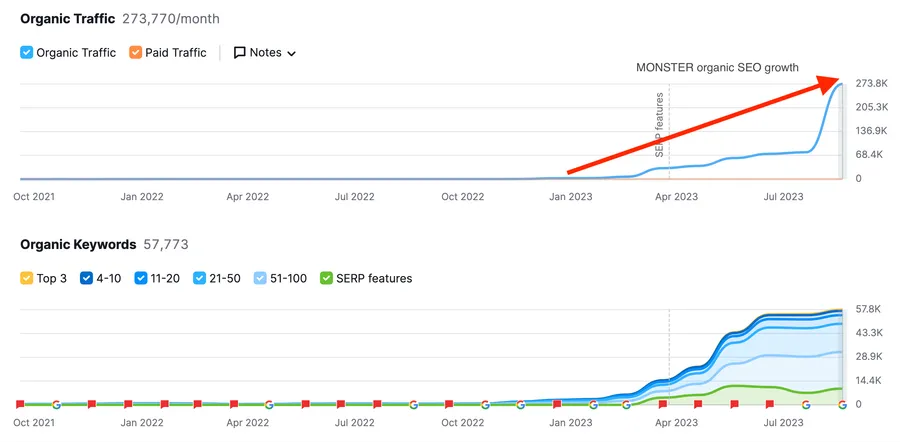
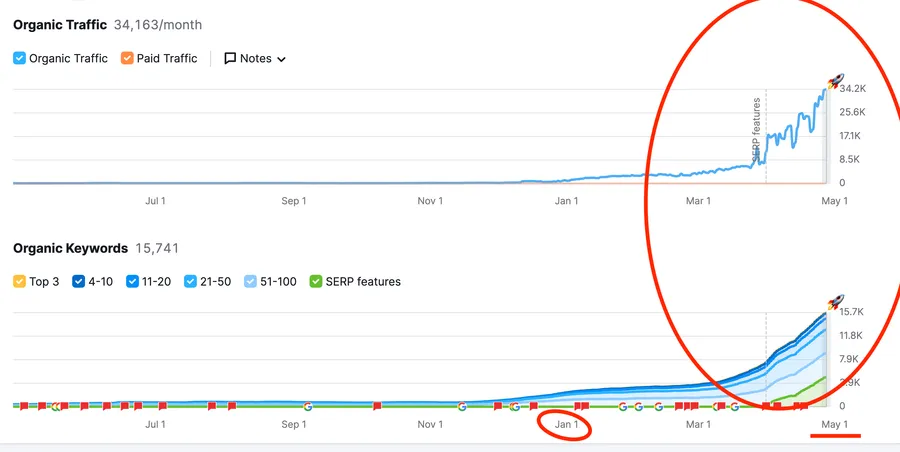
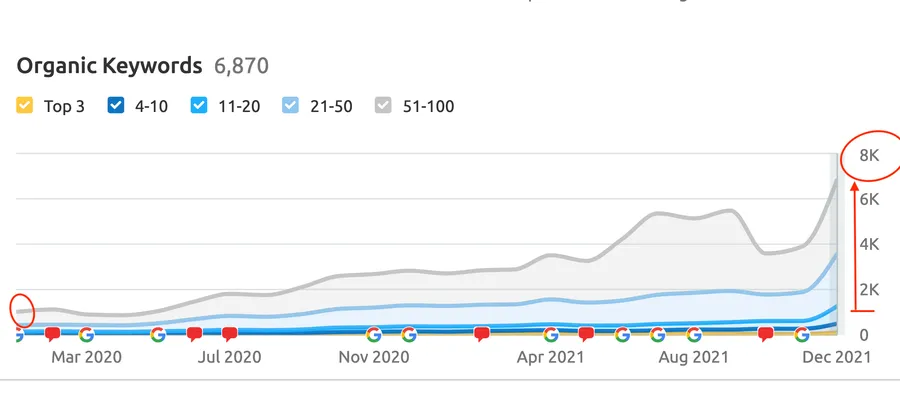
Monthly reporting breaks this down by service line so you can see where organic search is contributing to practice growth and where investment should focus next. This level of measurement keeps your SEO investment accountable. It also informs ongoing strategy, because understanding which condition pages convert well and which procedure pages need strengthening allows us to continuously refine the content approach rather than guessing at what works. Seasonal reporting adjustments account for the natural fluctuations in skin cancer screening demand, so you can distinguish between genuine ranking changes and expected seasonal patterns. The practices that treat dermatology SEO as an ongoing, data-informed program consistently see stronger and more sustainable organic growth than those that invest in a one-time content push and then step back.