











Understanding How Patients Search for a Doctor
When someone searches for a doctor, they are not browsing. They need care. Maybe they have moved to a new area. Maybe their previous doctor has retired. Maybe they are holding a referral to a specialist and choosing where to take it. Maybe they need an appointment today and their usual practice is booked out. These are high-intent searches from people ready to act.
The challenge is that Google Ads for doctors is not like running ads for a restaurant or a retail store. Healthcare advertising in Australia operates under strict Ahpra guidelines: claims must be factual, testimonials are prohibited in advertising, and outcome or comparative claims are tightly restricted. On top of those regulations, every ad and landing page is subject to Google's Healthcare and Medicines policy and Google's ad review. Write to that policy and your ads clear review and keep serving. Get it wrong and individual ads are disapproved until the copy is fixed. This is the Google Ads side of a wider effort, and it works best as part of our full doctor marketing program.
Our team has spent a decade navigating this landscape for medical practices across Australia. We know which approaches clear review and which get flagged. More importantly, we know which approaches actually convert patients.
Passing Google's Ad Review
Before a single click is bought, your ads have to clear review. Google treats healthcare as a sensitive category, so ad copy and landing pages are held to its Healthcare and Medicines policy and reviewed to a higher standard than most industries. For an ordinary GP or specialist advertising in-person consultations, this is the bar that matters: there is no special certification to obtain, but every ad still has to be written to the policy to clear review and keep serving.
This is where many practices stumble when they run their own ads. Copy that reads naturally to a doctor can trip a policy flag and get the ad disapproved until it is reworded. We write to the policy from the first draft and manage approvals end to end, so your campaigns serve rather than sit waiting on a review queue. Repeated serious policy violations can cause wider account issues, which is exactly why a policy-led build matters.
Certification is a separate matter that applies only to specific services: pharmacies, prescription-drug services, telehealth and telemedicine, and addiction treatment. If your practice advertises any of those, Google requires healthcare advertiser certification before those ads can run, and we manage that process for you. A standard GP or specialist promoting in-person appointments does not need it.
The Specialty and Billing Factor
One of the biggest mistakes we see is treating every doctor the same in Google Ads. A bulk billing GP in a competitive suburb faces completely different dynamics than a private specialist who relies on referrals.
GP and bulk billing practices typically compete on accessibility: 'bulk billing doctor near me', 'doctor accepting new patients', 'same day appointment'. The patient is often price-sensitive and values convenience. Campaigns need to emphasise availability and bulk billing or no out-of-pocket arrangements where they apply.
Specialists and private practices attract a different patient. These patients search by specialty and condition: 'dermatologist near me', 'skin cancer check near me', 'private cardiologist Sydney'. They are often willing to pay for expertise, and for specialists who operate in private hospitals, known-gap or no-gap arrangements for in-hospital procedures can be worth stating where they apply (private health insurance cannot cover consultations in rooms). Campaigns should emphasise the doctor's field, credentials, and the conditions they treat, always within the bounds of what Ahpra allows you to claim.
We build campaigns around your specialty and billing model because the messaging, keywords, and landing page experience need to match what your ideal patients are looking for.
Local Targeting and Negative Keywords
Medical practices are inherently local. A patient in Melbourne's eastern suburbs is unlikely to travel across the city for a routine consult, though they may travel further for a sought-after specialist. Effective Google Ads for doctors requires precise geographic targeting plus disciplined negative keywords.
We use a combination of radius targeting around your practice and postcode-based targeting for your natural catchment and referral zones. We then layer on negative keywords to strip out the searches that look relevant but never convert: job seekers, students, suppliers, medico-legal queries, and patients searching for conditions or roles you do not handle.
This precision means you only pay for clicks from patients who can realistically become patients at your practice.
Tracking What Actually Matters
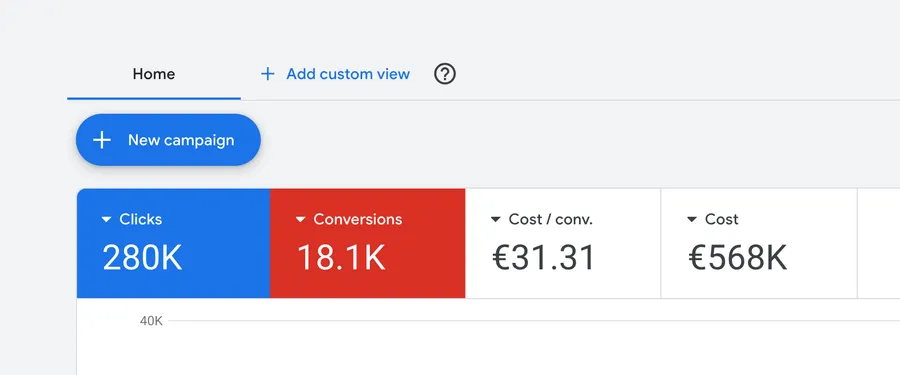
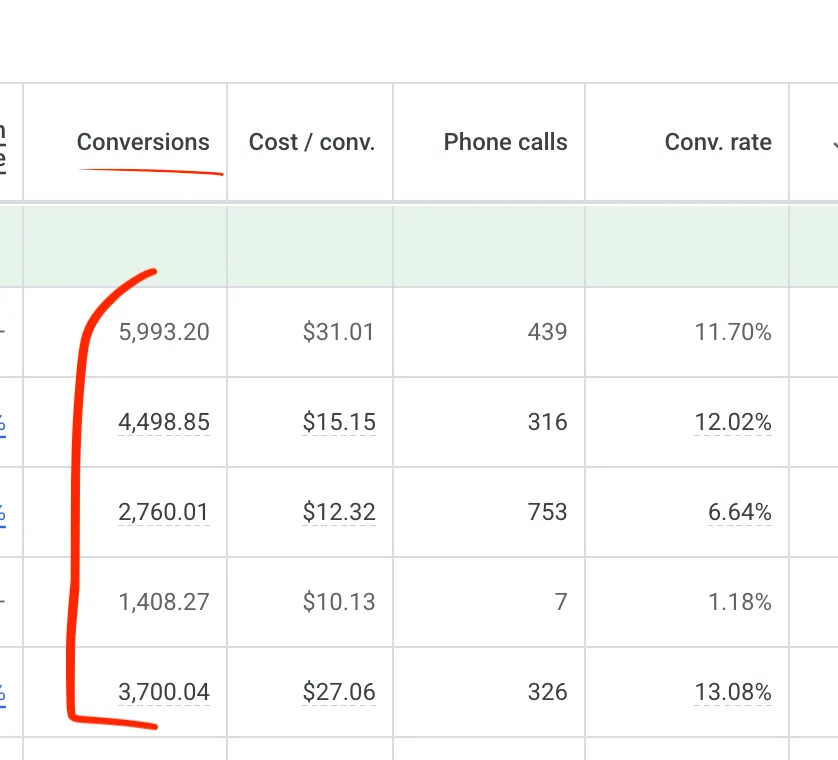
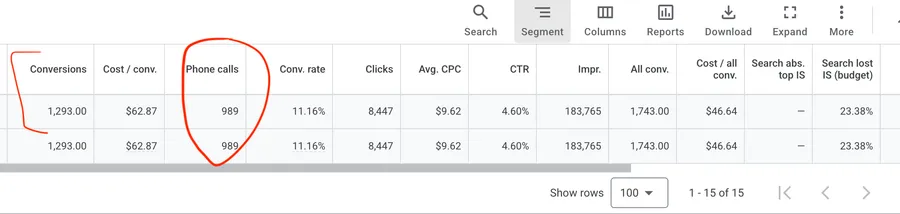
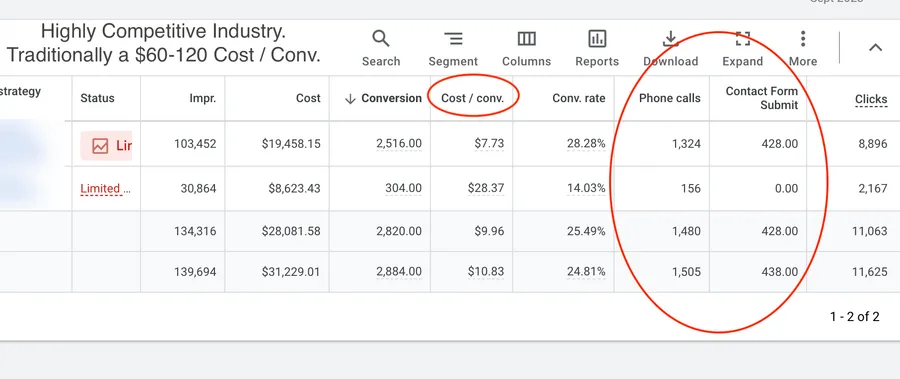
Clicks and impressions are easy to measure. Booked consults are what matter. We implement tracking that follows the patient journey from ad click through to booked appointment, including call tracking for the phone enquiries that make up so much of medical demand.
Integration with HotDoc, HealthEngine, or your practice management system means we can report on real conversions. You will know your actual cost per new patient, not just your cost per website visit.
This data also feeds back into campaign optimisation. Keywords and ads that generate booked consults get more budget. Those that generate clicks but not bookings get refined or paused.
General practice services and billing models
For a GP clinic, group campaigns around the appointments you can provide and explain your billing model on the destination page. A person searching for bulk billing needs different information from someone choosing a private consultation. Check location targeting against your catchment and current appointment capacity before increasing spend.