











Medical Website Design Built for Patient Conversion
Medical website design is its own discipline. A site for doctors has to do more than look professional. It has to reassure patients, satisfy referrers, meet AHPRA advertising guidelines, and turn research into booked appointments. We approach every project as medical website design for doctors first, applying what we've learned across general practice and specialty fields rather than reaching for a generic template.
If you want to see the full range of work we do for medical practices, our marketing for doctors hub covers websites, SEO, Google Ads, and Meta Ads as one connected strategy.
The Patient Research Journey
Before a patient books with a doctor, they research. They search for the condition or service they need, read about the doctor, check credentials, and visit the website. Your website is often the deciding factor between you and another practice.
What are patients looking for? First, they want to confirm you treat their condition or offer the service they need. Then they look at the doctor to find someone they feel comfortable with. They want to understand what to expect, how appointments work, and whether a referral is required. Finally, they want to book or enquire quickly and easily.
A doctor's website built without understanding this journey will frustrate potential patients. Pages that hide booking options, vague service information, or doctor profiles with no photos all create friction that sends patients elsewhere.
The Importance of Doctor Profiles
For many patients, choosing a practice is really about choosing a doctor. They want to find someone who seems approachable, experienced, and qualified. Strong doctor profiles are one of the most important elements of any doctor's website.
Effective profiles include a professional photo, qualifications, special interests, and a brief biography that gives patients a sense of the doctor's approach. Areas of focus, languages spoken, and how to make an appointment should all be clearly visible. For specialists, the profile also reassures referring doctors that they are sending patients to the right person.
Our team has seen practices where adding proper doctor profiles significantly increased new patient bookings. Patients want to feel like they know their doctor before walking through the door.
Booking and Referrer-Friendly Information
For general practice, online booking has become expected. Many patients want to book an appointment at 10pm on a Sunday night rather than wait until Monday morning to call. Patient-facing online booking platforms like HotDoc or HealthEngine embed directly on the site, with booking buttons visible on every page and working flawlessly on mobile, and those bookings sync back into your practice management system.
For specialists, online booking matters less. Many specialist appointments are referral-gated and handled by phone intake, so the website's job is to make referral and enquiry effortless rather than push self-service booking. It also serves the referrers themselves. General practitioners deciding where to send a patient want clear referral information: how to refer, what you treat, expected wait times, and where you consult. A dedicated referrer section with downloadable referral details makes you the easy choice.
Local SEO and Search Visibility
When patients search for a doctor, they search by condition, service, and location: 'doctor in [suburb]', '[condition] specialist near me', or '[procedure] [city]'. Your website needs to be built with these searches in mind.
Technical SEO best practices are built into every site we create. Schema markup helps search engines understand your practice details. Location pages for multi-site practices help each location rank for its local area. Service and condition pages targeting specific searches attract patients looking for exactly what you offer.
Combined with ongoing SEO work and Google Business Profile optimisation, a properly built website becomes a significant source of new patient enquiries.
Accessibility and Mobile Speed
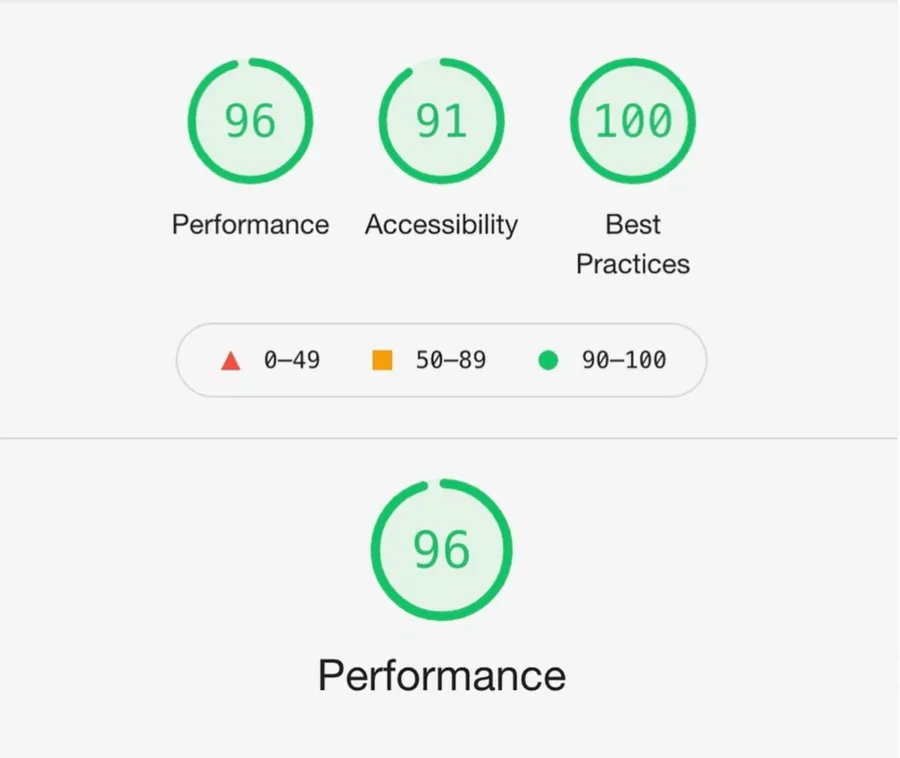
A doctor's website should work for everyone, including older patients and those using assistive technology. We build to WCAG accessibility standards so your content is readable, navigable, and usable for the widest possible audience. This is good practice, and it widens the pool of patients who can comfortably reach you.
Speed matters just as much. Many patients arrive on mobile, often on slower connections. Sites that load quickly keep patients engaged and convert better. We optimise every site for Core Web Vitals so it loads fast and feels effortless on any device.
Built to AHPRA Advertising Guidelines
AHPRA advertising guidelines apply to every doctor's website. Claims must be factual. Testimonials about clinical care are not permitted and prohibited claims must be avoided. Before and after imagery has specific requirements.
We build compliance into every website from the start, then review every page against Medical Board guidelines before publication. This approach protects your registration while still creating compelling content that attracts patients.
Compliance doesn't mean boring. It means being specific, factual, and clear about what patients can expect from you.