

































What Health Screening Marketing Actually Involves
Health screening marketing is the work of reaching people who feel perfectly fine and convincing them to invest in finding out whether they actually are. Unlike most healthcare marketing, you are not targeting someone with a problem to solve. Your ideal patient has no symptoms, no referral, and no urgency. They are busy, they feel healthy, and there is always something more pressing than a check-up they might not need. The entire marketing challenge sits in that gap between feeling fine and wanting proof.
For most Australian screening clinics, effective health screening marketing means SEO that captures the research phase when someone starts wondering whether they should get checked, Google Ads that target high-intent searches for specific tests and health assessments, a website designed to convert cautious researchers into booked patients, Meta campaigns that build awareness among health-conscious demographics who have not yet thought to search, and corporate marketing that reaches HR decision-makers buying executive health programs. What works for one screening service rarely transfers directly to another without adaptation.
The Prevention Paradox
Traditional healthcare marketing is built around solving problems. A patient has a toothache, searches for a dentist, and books. A patient notices a skin lesion, searches for a dermatologist, and books. The marketing job is straightforward: capture existing demand from people already motivated to act.
Health screening inverts this entirely. Your ideal patient has no problem. They have no symptoms driving them to action. They are not in pain, not worried about a specific lump, not reacting to a diagnosis. They are simply the kind of person who wants to know. Health-conscious professionals. People with a family history of something they would rather catch early. People who just turned 40 or 50 and want a proper baseline.
Marketing to this audience requires a different psychological approach. Fear-based messaging backfires. Telling healthy people they might have hidden cancer does not motivate bookings; it creates anxiety that most people manage by avoiding the topic entirely. What works is messaging built around control and agency. The peace of mind that comes from actually knowing rather than assuming. Framing screening as the responsible, proactive choice for people who already invest in their health through exercise, nutrition, and lifestyle. Positioning a comprehensive health assessment as the logical next step for someone who takes their wellbeing seriously.
Health Screening Clinic Google Ads
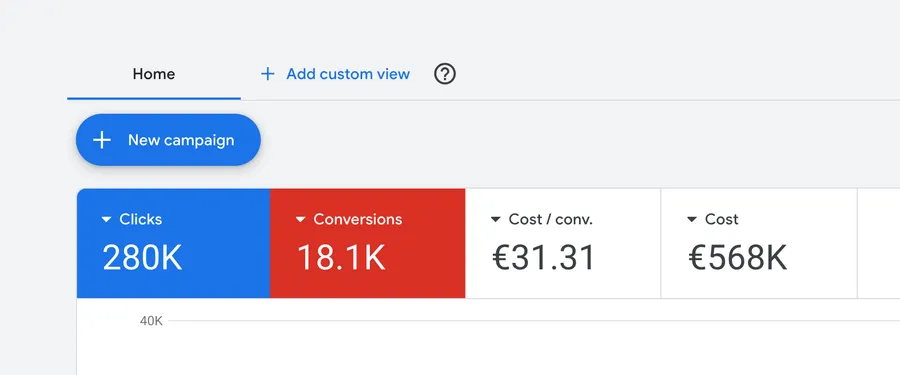
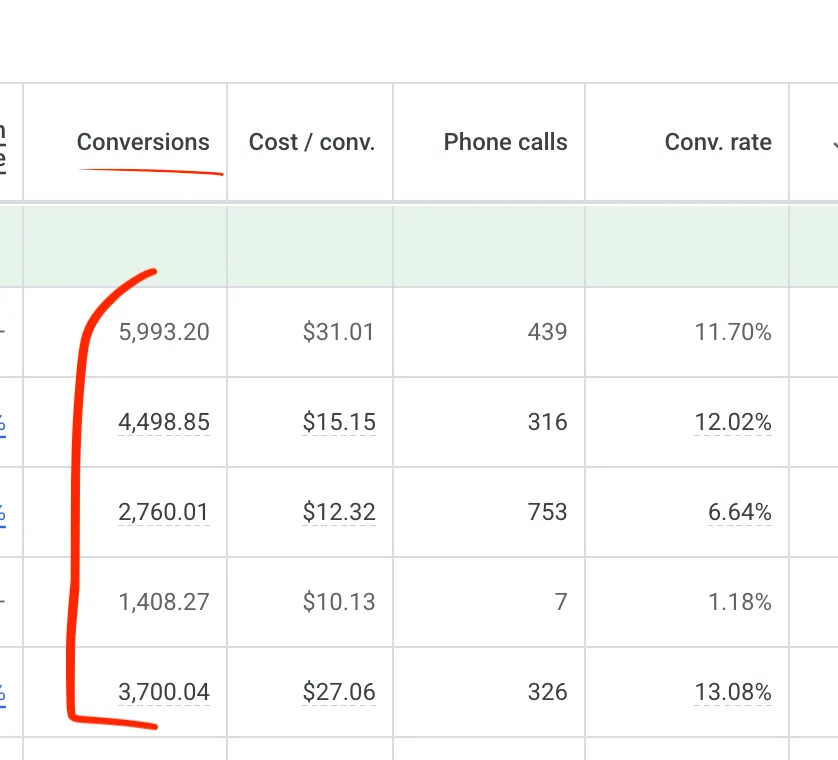
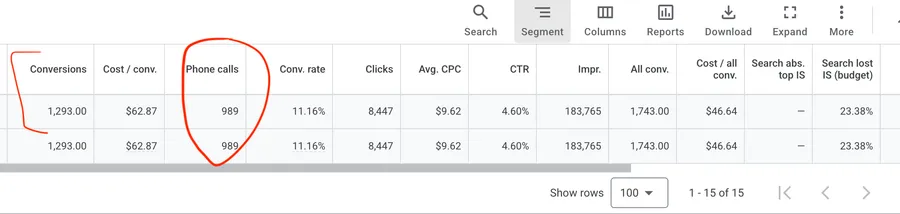
Google Ads work exceptionally well for health screening because the people searching have already decided they want to be screened. They are typing queries like 'full body health check', 'executive health assessment Sydney', 'full body MRI scan', or 'comprehensive blood test near me'. That is bottom-of-funnel intent that converts at rates most healthcare categories would envy.
Health screening clinic Google Ads need a specific structure to perform. Campaigns should be segmented by screening type because someone searching for a cardiac calcium score has a very different intent and price sensitivity from someone looking at a general wellness panel. Location targeting matters because screening is not something people travel interstate for. Ad copy needs to communicate what is included, how long it takes, and what makes your assessment genuinely comprehensive rather than a brief GP-style check-up.
We also build campaigns around the seasonal patterns that drive screening demand. January brings the new year health resolution crowd. Heart awareness month lifts cardiac screening searches. Corporate budget cycles create spikes in executive health enquiries. Layering these seasonal surges onto an always-on baseline campaign is how we keep screening clinics consistently booked rather than lurching between feast and famine.
Health Screening Clinic Facebook Ads
Health screening clinic Facebook ads serve a different purpose from Google. On Google, you capture demand that already exists. On Facebook and Instagram, you create it. Most people who would benefit from a comprehensive health assessment have never actively searched for one. They know screening exists in a vague sense, but it has not occurred to them to book one for themselves.
Meta campaigns reach these people before the search happens, targeting the age brackets where screening makes clinical sense, with clear information about appointments, eligibility and the questions to discuss with a clinician.
The creative approach matters enormously. Clinical imagery and medical language underperform on Meta. What works is messaging that speaks to the lifestyle identity of the audience. Screening as something smart, successful, health-conscious people do. Not a medical procedure to dread, but an investment in knowing.
The Corporate Opportunity
Executive health programs and corporate wellness screening represent a B2B revenue stream that most screening clinics undermarket. The economics are compelling: corporate contracts bring volume, predictability, and higher average transaction values. A single corporate client sending twenty executives through an annual health assessment is worth more than months of individual bookings.
But the marketing is completely different. The decision-maker is not the person being screened. It is the HR director, the CEO, or the CFO evaluating employee benefits. They care about staff retention, duty of care, productivity, and the optics of investing in their people. Your marketing needs to make the business case, not the health case.
We help screening providers build corporate acquisition channels that reach these decision-makers through LinkedIn campaigns, targeted content marketing, and direct outreach support. The messaging frames executive health screening as a competitive advantage in talent acquisition, a tangible demonstration of employee value, and a risk management strategy that catches health issues before they become extended absences.
Health Screening Clinic Website Design
Health screening clinic website design carries more conversion weight than in almost any other healthcare category. Your website is doing the heaviest lifting in the entire patient journey because screening patients research extensively before booking. They are spending discretionary money on something they hope will show nothing wrong. Every element of the website either builds the confidence to book or gives them a reason to close the tab and think about it later.
Effective screening websites need to do several things that most healthcare websites skip. They need to clearly explain what each screening package includes, in plain language, so patients understand exactly what they are paying for. They need to communicate the difference between your comprehensive assessment and the brief Medicare-funded check-up their GP offers, or the free national screening programs (bowel, breast, cervical and, for eligible people, lung cancer), which target specific cancers in specific age groups. They need to present the clinical team's credentials in a way that justifies the premium. They need to explain what the report covers and what happens if something abnormal or incidental is found, without patient stories or testimonials.
Online booking integration is non-negotiable. Screening patients are often booking outside business hours, during the evening research session that finally tips them from considering to committing. If they cannot book at 10pm on a Tuesday without calling anyone, you lose a meaningful percentage of conversions. We build screening websites around these conversion fundamentals rather than around visual awards that do not translate to bookings.
SEO for Health Screening Services
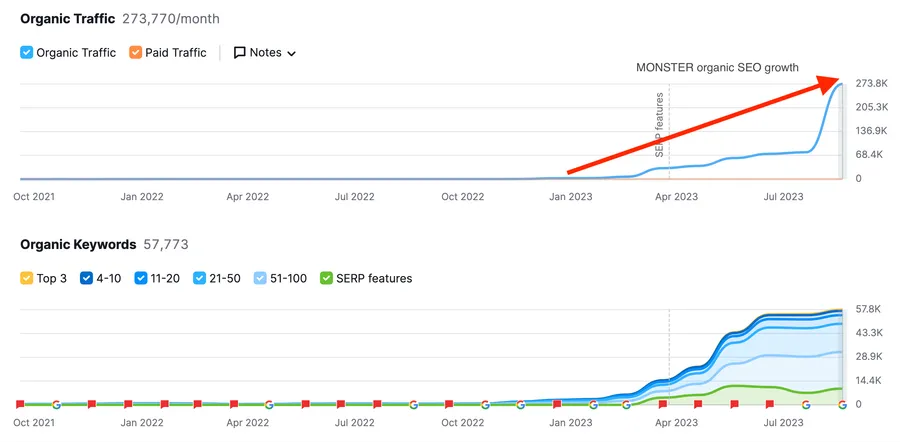
SEO for health screening targets a different set of queries from most healthcare categories. Treatment-seeking patients search for specific conditions and symptoms. Screening patients search for tests, packages, and assessments. The keyword intent is informational before it becomes transactional: people research what screening involves, whether they need it, what it costs, and what it covers before they search for a provider to book with.
This means content strategy for screening SEO needs to cover the full research funnel. Top-of-funnel content answering questions like 'do I need a full body health check', 'what does an executive health assessment include', and 'how often should you get a health check'. Mid-funnel content comparing screening options, explaining specific tests like calcium scoring and genetic panels, and addressing the GP-versus-dedicated-screening question. Bottom-of-funnel pages for each screening package you offer, optimised for the location and service queries that convert to bookings.
We build screening SEO programs that capture patients at every stage of this research journey, moving them from initial curiosity through to booking with content that answers their real questions rather than thin service descriptions that assume they have already decided to book.
Full Body MRI and Emerging Screening Services
Full body MRI clinics are a newer segment in the Australian screening market, and they need careful marketing because RANZCR recommends against whole body MRI screening for people at low risk. Patients considering a full body MRI scan are typically younger, more affluent, and more digitally engaged than traditional screening demographics. They have often heard about the technology through social media, podcasts, or word-of-mouth rather than through a GP recommendation.
This changes the marketing approach. Content marketing explaining what a full body MRI can and cannot detect builds trust with an audience that has done enough research to ask sophisticated questions. Google Ads targeting 'full body MRI' and related queries capture high-intent traffic at premium price points.
Similar dynamics apply to other emerging screening services: genetic testing for hereditary cancer risk, advanced cardiac imaging with calcium scoring and CT angiography, hormonal panels and metabolic assessments. Each attracts a specific patient profile and requires marketing that speaks to their particular motivations and concerns. We build campaigns tailored to each service line rather than running generic screening marketing that treats all tests as interchangeable.
Ethical Considerations in Screening Marketing
Marketing screening to healthy people carries ethical responsibilities that we take seriously. There is a line between encouraging proactive health management and creating anxiety that drives unnecessary testing. Responsible health screening marketing sits firmly on the encouragement side of that line.
We explain what each screening service offers, its limits and what happens next, so people can make an informed choice without feeling pressured.