





























Dual-Audience Expertise
Healthcare professionals evaluate devices differently than consumers. We create separate strategies for reaching clinicians who recommend and patients who use your devices.
Medical devices live in two worlds: the clinical setting where professionals recommend them and the consumer market where patients choose them. We help you build presence in both while navigating TGA requirements that other agencies find daunting.
Reach clinicians and consumers with TGA-compliant campaigns
Serve both professional and consumer audiences effectively
Translate clinical evidence into compelling content
Rank for device searches from professionals and consumers
Supporting medical device companies across Australia
Let's TalkTrusted by 100+ Australian and Global businesses in healthcare
Why Medical Device Companies Choose Us
Medical devices are not standard consumer products. Marketing them requires specialised knowledge we have built over years.
Healthcare professionals evaluate devices differently than consumers. We create separate strategies for reaching clinicians who recommend and patients who use your devices.
Medical device advertising in Australia faces specific TGA requirements. We know what claims you can make, how to present clinical evidence, and what gets your ads rejected.
Wearables, home diagnostics, and wellness devices require consumer marketing that builds trust and communicates value. We help you reach health-conscious Australians ready to invest in their health.
Getting healthcare professionals to recommend your device requires different marketing than reaching consumers. We build awareness among prescribers and referrers.
Your device has evidence supporting it. We help you communicate that evidence effectively to both professional and consumer audiences within regulatory guidelines.
Many medical devices sell directly to consumers online. We build marketing strategies that drive traffic and optimise conversion for medical device e-commerce.
Medical Device Marketing Expertise
Hospital procurement committees do not respond to the same marketing as consumers browsing wearables. Your marketing needs to know who it is talking to and what they need to hear.
Medical device marketing is fundamentally different from the practice marketing and consumer health campaigns most agencies understand. The buyers are not patients. They are hospital procurement teams evaluating tenders, practice managers comparing cost-per-use economics, and clinicians assessing clinical evidence against existing workflows. The sales cycles stretch from three months for a Class I consumable to twelve months or longer for capital equipment. The regulatory framework is TGA, not AHPRA. And the marketing channels that move the needle, LinkedIn, trade publications, conference presence, clinical content, bear almost no resemblance to the Google-and-Meta playbook that works for allied health practices.
We have spent years learning how medical devices actually reach market in Australia. Not the theory, the reality: how procurement committees shortlist vendors, what clinical evidence formats clinicians actually read, which digital channels influence device adoption at each stage of the buying cycle, and how TGA advertising requirements shape what you can and cannot say. That experience is what separates medical device marketing that generates qualified leads from marketing that generates impressions nobody acts on.
A hospital does not buy a medical device the way a consumer buys a fitness tracker. Capital equipment purchases involve clinical evaluation committees, procurement department review, budget approval from finance, and sometimes board-level sign-off. Even lower-value consumables and accessories go through established supplier agreements and group purchasing organisations. Understanding this buying cycle is not optional for effective medical device marketing. It is the foundation.
We structure campaigns around the actual decision-making process your buyers follow. Early-stage awareness content reaches clinicians through the channels they already use: LinkedIn, specialist publications, conference networks, and peer recommendations. Consideration-stage content delivers the clinical evidence summaries, case studies, and comparison data that evaluation committees request. Late-stage content supports the procurement team with the commercial information they need to justify the purchase internally. Each stage requires different messaging, different formats, and different channels. Running a single Google Ads campaign and hoping it covers the entire buying cycle is how most device companies waste their marketing budget.
Medical device Google Ads work differently from healthcare practice advertising. You are not targeting patients searching for a nearby provider. You are targeting clinicians and procurement professionals researching specific device categories, comparing specifications, and evaluating alternatives. The search volumes are lower, the keywords are more technical, and the cost per click reflects a commercial audience with genuine purchasing authority.
We build medical device Google Ads campaigns around the way healthcare professionals actually research devices online. That means targeting the specific clinical and technical terms your buyers use, not broad consumer health keywords that attract the wrong audience. It means landing pages built for a professional audience: clinical evidence front and centre, technical specifications accessible without marketing fluff, and clear pathways to request a demonstration or clinical evaluation. And it means conversion tracking that accounts for the long sales cycle. A clinician who clicks your ad today may not request a demo for six weeks. Attribution models built for e-commerce will miss this entirely.
For device companies running Google Ads that land on blog posts instead of dedicated product or service pages, the fix is straightforward but important. Blog content serves an awareness function. But when a clinician searches for a specific device category with commercial intent, they need to land on a page that moves them toward evaluation, not a page that teaches them something they already know.
Medical device Facebook ads serve a different function depending on whether your device targets consumers or professionals. For consumer health devices, wearables, home diagnostics, and wellness technology, Meta campaigns build awareness among health-conscious Australians before they start searching. The targeting capabilities let you reach specific demographics and interest groups with creative that introduces your device and establishes credibility.
For B2B medical devices, Facebook and Instagram play a smaller role, but LinkedIn becomes essential. Hospital procurement teams, practice managers, and specialist clinicians spend professional time on LinkedIn in ways they do not on Meta platforms. We build LinkedIn campaigns that reach the specific professional audiences who influence device purchasing decisions: department heads, biomedical engineers, practice owners, and clinical directors. The content formats that work on LinkedIn, thought leadership, clinical evidence summaries, conference presentations, and case studies, align naturally with what B2B device buyers want to see.
The key insight across both channels is that medical device social advertising is rarely about driving an immediate purchase. It is about building familiarity and credibility so that when the buying cycle begins, your device is already on the shortlist.
Medical device website design presents a challenge most web agencies do not appreciate. Your website serves at least two fundamentally different audiences: clinicians evaluating clinical evidence and technical specifications, and commercial decision-makers evaluating cost, support, and supply chain reliability. Many device companies also need to serve consumers directly, adding a third audience with entirely different information needs.
We design medical device websites around these distinct user journeys. Clinical audiences need rapid access to evidence summaries, peer-reviewed study references, indication details, and comparison data. They are evaluating your device against alternatives and they have limited patience for marketing language. Commercial audiences need pricing structures, warranty information, service agreements, training and implementation details, and case studies demonstrating return on investment. Consumer audiences, where relevant, need plain-language explanations of how the device works, what it costs, and where to buy it.
Structuring a medical device website that serves all these audiences without confusing any of them requires deliberate information architecture. Separate navigation pathways for professionals and consumers. Content depth that matches each audience's expertise level. Calls to action appropriate to each stage of the buying cycle: download a clinical summary, request a demonstration, speak with a product specialist, or purchase directly. Most medical device websites fail because they try to be one thing for everyone. The result is a site that converts nobody well.
Medical device advertising in Australia is regulated by the Therapeutic Goods Administration, and the rules differ significantly from the AHPRA guidelines that govern practitioner marketing. TGA requirements vary by device classification. Class I devices face lighter restrictions than Class IIb or Class III devices, and active implantable medical devices have their own specific requirements. Understanding where your device sits in this classification system determines what claims you can make, what evidence you need to reference, and what approvals are required before advertising.
We build TGA compliance into every campaign from the start. Ad copy is reviewed against the Therapeutic Goods Advertising Code before it goes live. Clinical claims are matched to the evidence base your device actually has, not aspirational language that invites regulatory scrutiny. Comparative claims are handled within the specific rules the TGA applies to device advertising. And we maintain awareness of the TGA's evolving enforcement approach, because what passed without comment two years ago may attract attention today.
For device companies that have previously worked with generalist agencies, TGA compliance is often the area where the most damage has been done. Ads making unsupported claims. Landing pages with comparative language that lacks substantiation. Social content that blurs the line between clinical evidence and marketing assertion. Cleaning this up is usually the first thing we do.
Content marketing for medical devices operates on a different model from content marketing in consumer healthcare. The content that drives device adoption is clinical: white papers, case studies with measurable outcomes, clinical evidence summaries, and peer-reviewed publication references. This is the material that evaluation committees review, that clinicians share with colleagues, and that Key Opinion Leaders reference when endorsing a device category.
KOLs matter enormously in medical device adoption. A respected specialist who uses your device and speaks about it at conferences, publishes on it, or recommends it to peers creates influence that no advertising campaign can replicate. We help device companies identify, engage, and support KOLs in ways that feel authentic rather than transactional. That means providing KOLs with the clinical evidence, case study support, and content they need to speak credibly about your device, not scripting their endorsement.
Trade conferences remain a significant marketing touchpoint for medical devices in Australia. Events like AAPM, ACEM conferences, and specialty-specific meetings are where clinicians discover new devices, attend demonstrations, and form the opinions that drive adoption. We build marketing programs that integrate conference presence with digital campaigns, so the awareness generated at a conference converts into leads and evaluations in the weeks that follow, rather than dissipating the moment the event ends.
The pattern is predictable. A medical device company hires a generalist digital agency. The agency runs Google Ads targeting broad healthcare keywords. They build a website that looks polished but fails to serve clinical decision-makers. They create social content that reads like consumer health marketing. They have no understanding of TGA advertising requirements, device classification, or procurement cycles. Within six months, the device company has spent its marketing budget on impressions from the wrong audience, leads that never convert because they are not qualified, and content that clinicians ignore because it lacks the clinical depth they expect.
Medical device marketing requires specific knowledge that generalist agencies do not have: how hospital procurement works, what TGA compliance demands, which channels reach device buyers at each stage of the adoption cycle, how clinical evidence should be presented to professional audiences, and what a twelve-month sales cycle means for campaign measurement and attribution. We have built that knowledge through years of working in this space, and it shapes every campaign we run.

What We Deliver
From professional channel development to consumer growth, every service designed for health technology success
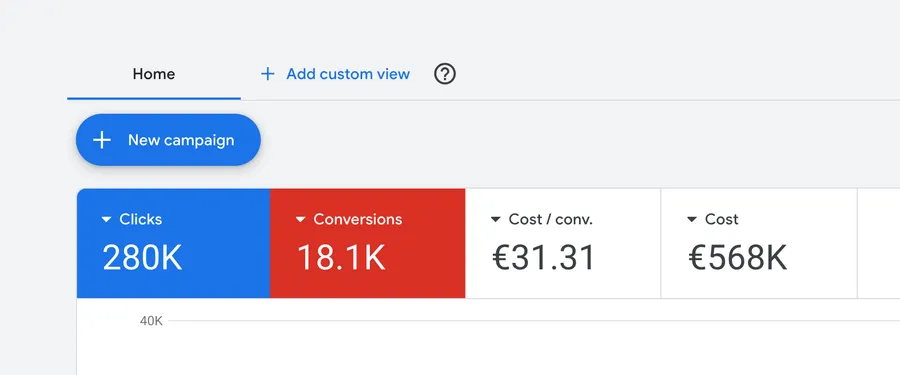
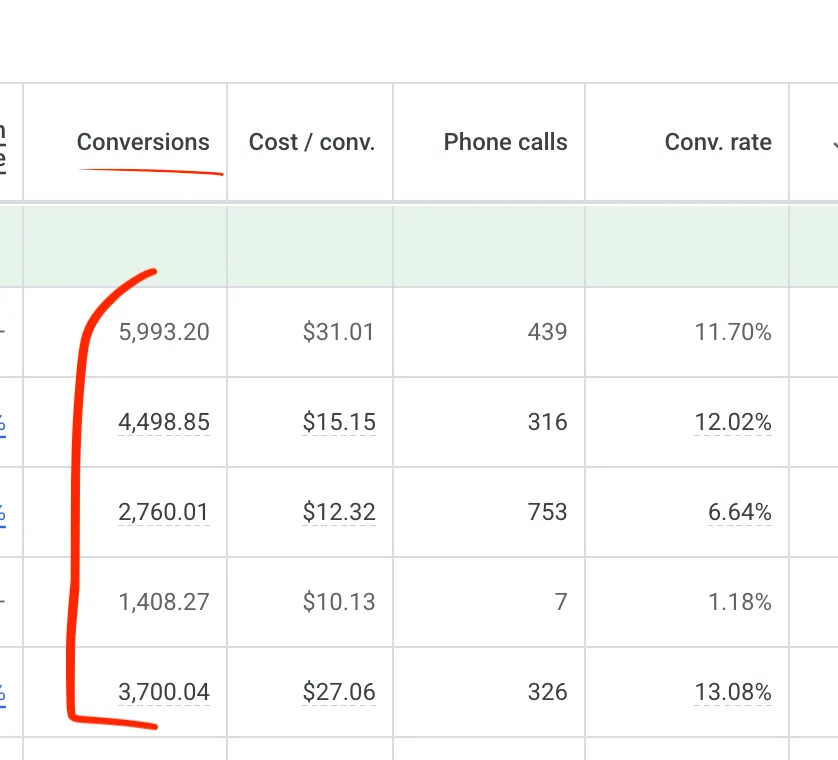
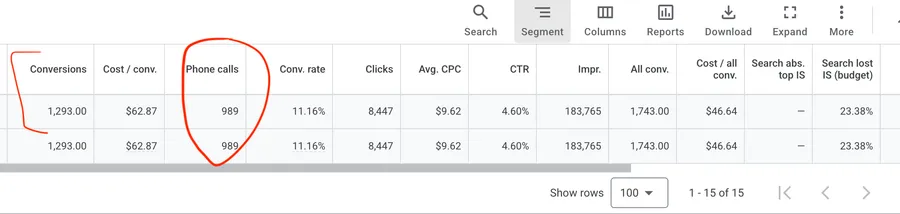
Google Ads campaigns informed by first-party data across healthcare accounts. We benchmark, optimise, and outperform at a level most agencies can't seem to match.
Explore Google AdsFacebook and Instagram campaigns built to reach your ideal patients. 44,000+ leads generated.
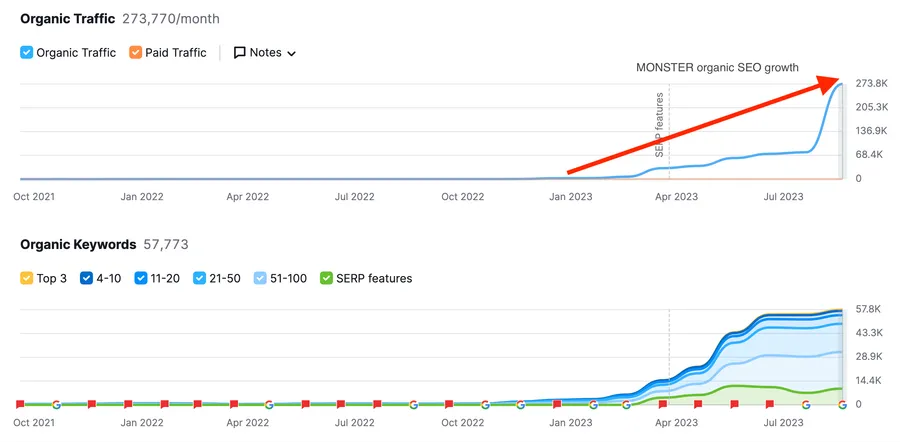
Explore Meta AdsHealthcare SEO strategies to rank for high-intent local searches. Done for 100+ medical practices.
Explore SEO ServicesConversion-optimised medical websites with seamless booking integrations and AHPRA compliance built in.
Explore Website DesignData-driven A/B testing and funnel optimisation to maximise patient booking conversion rates.
Explore CRO ServicesPurpose-built campaign pages that convert ad clicks into booked appointments. Every element tested and optimised.
Explore Landing PagesCustom dashboards and transparent reporting that show exactly where your marketing dollars go.
AHPRA-compliant medical copywriting that educates patients and builds trust.
Automated patient nurture sequences to keep patients engaged between appointments.
Full-service social media management. AHPRA-compliant content that builds your brand.
Review generation and response management for healthcare practices.
End-to-end healthcare marketing strategy. We audit, plan, and build a roadmap tailored to your practice goals and budget.
Reach younger patient demographics. Authentic video content for cosmetic, dental, and allied health.
Reach patients researching health topics in AI conversations. Early mover advantage.
Streamline your practice with automated workflows, CRM integrations, and smart booking systems.
Not sure which services fit your healthcare practice?
Book a Free Strategy CallMedical Marketing Results
Case Study
“We went from launch to $1M ARR in seven weeks.”
Mitchell — Founder, Rumen
New telehealth clinic needed rapid patient acquisition and efficient operations to scale in the medical weight loss market.
Full-funnel digital strategy with automated bookings, patient management, and retention-focused campaigns.
350 to 6,500 patients in 15 months. $1M ARR in 7 weeks. 90% admin workload reduction through automation.
Client Results
Medical practices across Australia share how they transformed patient acquisition with AHPRA-compliant marketing that delivers measurable outcomes.
"Casey and his team have been a true partner to Better Rehab, helping to grow the business through successful campaigns. Casey shows high levels of expertise and we've been lucky to have him on board as the 'Marketing Engine'."
"We went from 350 to 6,500 patients in under 15 months. Admin load cut by over 90% and patient retention jumped by more than 450%."
"They have single-handedly grown my business. We're now turning away $60,000 every week in organic leads. Because, we just don't have the capacity."
"Since going with Casey and his team, we have had nothing but wins. They've got awesome results with low lead costs and have taken the time to really understand our business."
"If you're looking for a highly experienced, knowledgeable and ideas-driven marketing agency, look no further. He's helped transform our business from a fairly humble start-up to a fast growing service provider."
"Super impressed with his promptness, communication, professionalism, and knowledge of the full suite of digital marketing. You and your team are second to none!"
"As an experienced health professional I am a hard sceptic. Casey and his team over delivered on my project with an A+ website design having actively listened to every point I was seeking."
"Working with Casey and his team was nothing short of exceptional. The final product exceeded all expectations, both visually and functionally. It was a seamless experience from start to finish."
"Casey and his team were an absolute lifesaver. They understood exactly what our vision and goals were and did not fall short of delivering an exceptional piece of work."
"The communication was quick, clear and easily understandable. They balance patience and efficiency really well, resulting in a superb end product. Highly recommended."
"Casey was so empathetic and patient in listening to my ideas. He goes above and beyond. If you want a marketing agency that REALLY wants to help you grow your business, pick Casey and his team."
"Excellent company to deal with and their web design is incredible. Would use them again and again."
"They show high levels of expertise and we've been lucky to have them on board as the 'Marketing Engine'. Would definitely recommend to anyone looking to invest in growth."
Go-to-Market Strategy
Getting a device registered is only half the challenge. Building the commercial pipeline that turns regulatory approval into revenue requires a different kind of marketing expertise.
How your device reaches end users shapes everything about your marketing strategy. Distributor models require marketing that supports your channel partners with clinical content, lead generation, and brand awareness they can leverage in their own sales conversations. Direct-to-hospital models need campaigns that reach procurement committees and clinical evaluation teams within specific facilities and health networks. Direct-to-practitioner models target individual clinicians making purchasing decisions for their own practice, a faster cycle but one that requires reaching a fragmented audience across thousands of individual businesses.
Many device companies operate across multiple sales models simultaneously, selling capital equipment direct to hospitals while moving consumables through distributors and accessories through e-commerce. We build marketing programs that support each channel without creating internal competition, ensuring your distributor partners, your direct sales team, and your online store all receive the marketing support they need.
New device launches face a specific marketing challenge: building clinical credibility and commercial pipeline from zero. The first twelve months after TGA registration are critical. Clinicians need to see evidence. Procurement teams need to understand the value proposition. Early adopters need support that turns their experience into case studies and peer referrals. We build launch programs that sequence awareness, clinical evidence distribution, KOL engagement, and demand generation in a way that builds sustainable pipeline rather than a burst of attention that fades before procurement cycles complete.
Launch timelines need to account for the reality of healthcare buying cycles. A device that receives TGA registration in January will not have a full procurement pipeline by March. We set realistic expectations and build campaigns that compound over time, so that each quarter's marketing investment builds on the previous quarter's awareness and credibility.
Australian device companies expanding into international markets face marketing challenges that compound regulatory complexity with unfamiliar buyer behaviour and competitive landscapes. We help Australian medtech companies build their domestic marketing foundation first, then extend that into export markets where the clinical evidence travels but the commercial messaging needs local adaptation. This includes market-specific website localisation, regulatory-compliant advertising for each jurisdiction, and digital campaigns targeting healthcare professionals in new geographies.
Not every medical device sale involves a twelve-month procurement cycle. Consumables, replacement parts, and accessories often sell direct to practitioners or consumers through e-commerce channels. We build e-commerce marketing strategies for medical device companies that balance the clinical credibility required for healthcare products with the conversion optimisation that drives online revenue. This includes TGA-compliant product listings, search campaigns targeting reorder and replenishment behaviour, and retention marketing that builds recurring revenue from your existing customer base.
Common Questions
Answers from years of supporting health technology commercialisation
Through separate strategies for each audience. Professional marketing focuses on clinical evidence and practice integration. Consumer marketing addresses different concerns like ease of use and value. We build both channels with appropriate messaging and targeting.
Our team understands TGA requirements for medical device advertising. We know what claims you can make, how to present evidence, and what comparative statements are permitted. Campaigns are built for compliance from the start.
Yes. We have supported medical device launches from market entry through growth phases. Launch marketing requires building awareness from zero and establishing credibility in new categories.
Through targeted content, advertising, and communication that reaches clinicians in relevant specialties. We understand how healthcare professionals evaluate devices and build marketing that addresses their specific concerns.
Yes. Many consumer health devices sell directly online. We build marketing strategies that drive traffic and optimise conversion for medical device e-commerce, including trust-building and regulatory compliance.
By translating clinical evidence into consumer-friendly language while maintaining accuracy and compliance. Consumers need to understand why your device works without requiring clinical expertise.
We work across the spectrum from consumer wearables to professional diagnostic equipment. Each category has different marketing requirements, and we tailor our approach accordingly.
Still have questions? We're here to help.
Book a free strategy callReady to Grow?
Tell us about your medical device, your target market, and your commercialisation goals. We will share what we have learned from supporting health technology companies and whether we can help you grow.
We'll get back to you within 24 hours
By submitting, you agree to our Privacy Policy
Book a free strategy session with Australia's healthcare marketing specialists. No obligations, just actionable insights for your practice.
Start typing to search across all pages
No results found. Try a different search term.