









Industries

SEO for Mental Health Clinics

Mental Health Clinic SEO Built for Australian Practices

Patients searching for mental health support search by condition, by clinician type, and by funding pathway. Anxiety psychologist near me, ADHD assessment, psychiatrist who bulk bills, NDIS psychologist. With a decade of healthcare SEO experience, we build mental health SEO campaigns that target each search pattern separately, rank your clinic for condition-specific queries, and connect you with patients at the moment they decide to seek help.

Condition-specific content for anxiety, depression, PTSD, ADHD, and more
Clinician profile optimisation across disciplines
AHPRA-compliant content strategies

Trusted by 100+ Australian and Global businesses in healthcare

MiXray Cannon Hill
Optiplex Children's
Better Rehab
Health Care Providers Association
HotDoc
XR Health

Our Director Has Been Seen On

Healthcare SEO Specialists

Why Mental Health Clinics Trust Mental Health Clinic SEO

Mental health SEO requires understanding multi-discipline clinic structures, crisis-sensitive content, AHPRA compliance, and the fragmented way patients search for mental health support.

Condition-Specific Content Strategy

Patients search by condition: anxiety, depression, PTSD, OCD, ADHD, eating disorders. Each condition page needs clinical depth, appropriate sensitivity, and AHPRA-compliant language to rank and convert without making outcome claims.

Multi-Discipline Clinician Profiles

Mental health clinics employ psychologists, psychiatrists, social workers, and occupational therapists. Each discipline attracts different searches. We optimise individual clinician profiles so patients find the right practitioner for their needs.

Medicare Mental Health Care Plan Intent

Patients actively search for information about Medicare Mental Health Care Plans, rebate amounts, and session limits. Content targeting these queries positions your clinic at the start of the patient journey when they are researching how to access subsidised care.

Crisis-Sensitive Content Frameworks

Content about conditions like suicidal ideation, self-harm, and acute anxiety requires careful handling. We develop content frameworks that include appropriate crisis helpline information and content warnings while still serving SEO objectives.

Group Therapy and Program Pages

Many mental health clinics run group therapy programs, workshops, and structured treatment programs. These are distinct ranking opportunities that capture searches from patients interested in group-based support for specific conditions.

Telehealth Mental Health SEO

Telehealth has expanded the geographic reach of mental health clinics. We build content and landing pages that capture telehealth-specific searches, positioning your clinic for patients who prefer or require remote sessions.

NDIS Psychosocial Disability Content

NDIS participants with psychosocial disability search for providers through specific pathways. Dedicated content targeting NDIS-related mental health searches connects your clinic with participants and their support coordinators.

Local SEO for Mental Health Clinics

Local search visibility ensures your clinic appears in map results and near me searches. We optimise your Google Business Profile, manage local citations, and build suburb-specific content for your catchment area.

Measurable Organic Growth

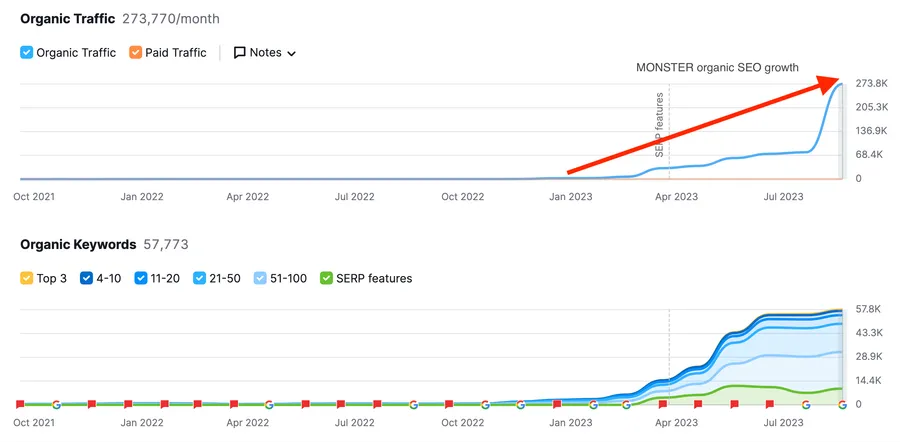
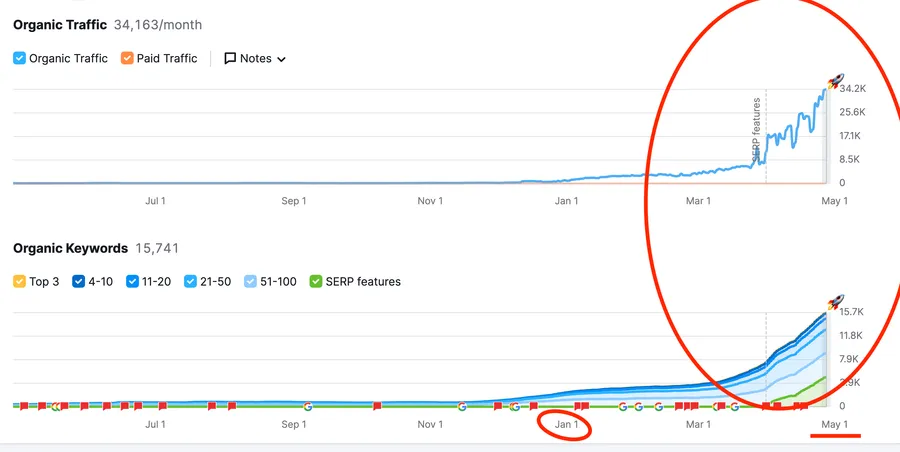
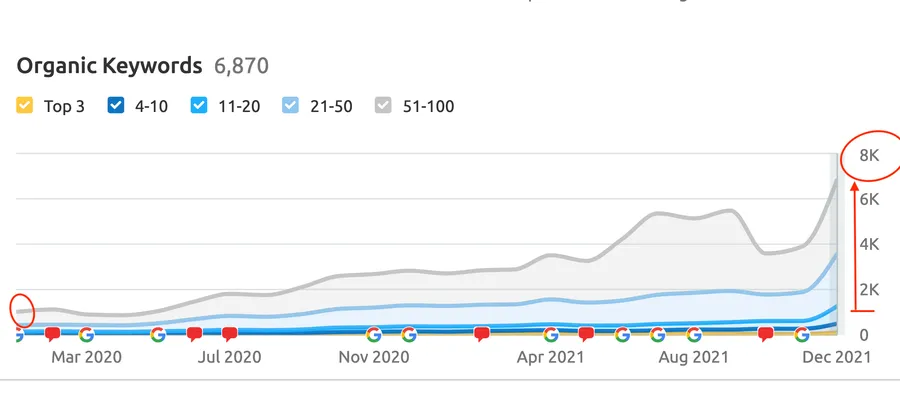
Monthly reporting tracks keyword rankings by condition and clinician, organic traffic trends, and patient enquiry attribution from organic search. You see which conditions and clinicians are generating enquiries and where opportunities remain.

How We Work

The Strategy Behind

A structured SEO process designed for multi-discipline mental health clinics with complex service offerings, multiple clinician types, and sensitive content requirements.

1

Mental Health SEO Audit

In-depth audit covering your clinic website's technical health, existing condition content, clinician profiles, local SEO presence, Google Business Profile, and current keyword rankings across conditions and disciplines.

2

Condition and Discipline Keyword Mapping

Keyword research organised by condition (anxiety, depression, PTSD, ADHD, OCD, eating disorders) and by clinician discipline (psychologist, psychiatrist, social worker). Each segment gets its own keyword map with search volume, competition, and priority.

3

Content Strategy and Creation

Development of condition pages, clinician profiles, program descriptions, and funding pathway content. All content is AHPRA-compliant, crisis-sensitive where required, and structured for both patient readability and search visibility.

4

On-Page and Local SEO Implementation

Optimisation of existing pages, internal linking between conditions and clinicians, schema markup for medical content, Google Business Profile optimisation, and local citation building across mental health directories.

5

Ongoing Optimisation and Reporting

Monthly performance tracking across conditions, clinicians, and funding pathways with rankings, organic traffic, and enquiry attribution. Continuous content updates and technical maintenance to sustain and grow organic visibility.

The Complete Guide

What Makes Mental Health SEO Different

Mental health clinic SEO has specific requirements around crisis sensitivity, multi-discipline content, AHPRA compliance, and fragmented patient search behaviour that general SEO approaches miss.

Why Mental Health Clinics Need Specialist SEO

Mental health SEO is not general healthcare SEO with softer language. The search landscape is fragmented across conditions, clinician disciplines, therapeutic modalities, and funding pathways in ways that no other healthcare vertical matches. A patient searching for ADHD assessment has entirely different intent from someone searching for grief counselling or NDIS psychologist. Each search pattern requires different content, different page structures, and different messaging that acknowledges the sensitivity of the moment. General SEO agencies may improve your technical foundations, but without understanding how mental health patients search, how multi-discipline clinics operate, and how crisis-sensitive content needs to be handled, they will miss the opportunities that matter most.

Our team has spent a decade working exclusively with healthcare providers, including mental health clinics across Australia. We understand the clinical structure of multi-discipline practices, the regulatory environment under AHPRA, and the fragmented way patients research and choose mental health support. Mental health practice seo requires this depth of knowledge to capture demand across every condition and clinician your clinic serves. The clinics that invest in specialist mental health SEO build an organic acquisition channel that compounds month over month, generating patient enquiries from search without ongoing ad spend.

Condition Pages That Rank and Reassure

The foundation of effective seo for mental health clinics is comprehensive condition-specific content. Patients do not just search for psychologist near me. They search for their specific concern: anxiety psychologist Sydney, PTSD treatment Melbourne, OCD specialist Brisbane, ADHD assessment near me, eating disorder treatment, depression help. Each of these searches represents a patient at a different point in their journey, with different levels of urgency and different expectations about what they will find.

Effective condition pages need to do two things simultaneously. They need to rank for the target keyword by providing genuine depth, clinical accuracy, and structured content that search engines recognise as authoritative. And they need to reassure the patient that your clinic understands their condition, offers appropriate treatment, and provides a safe environment to seek help. These goals are not in tension. Content that genuinely helps patients understand their condition, what treatment involves, and what to expect from their first appointment is exactly the kind of content Google ranks well.

We develop condition pages in collaboration with your clinical team, ensuring accuracy while maintaining readability and SEO effectiveness. Each condition page is structured to address the questions patients actually ask: What does this condition look like? What are the treatment options? How long does treatment take? What happens in the first session? Can I use my Mental Health Care Plan? This patient-centred approach to content development serves both search performance and clinical responsibility.

Clinician Profiles as SEO Assets

Mental health patients choose practitioners, not just clinics. Unlike most healthcare verticals where patients are largely indifferent to which specific clinician they see, mental health patients want to assess therapeutic fit before booking. They search for individual clinicians by name, by discipline, and by specialisation. Psychologist who specialises in trauma, child psychiatrist near me, and clinical social worker NDIS are all common search patterns that lead patients directly to individual practitioner profiles.

Most mental health clinic websites treat clinician profiles as thin biographical pages with a headshot, a list of qualifications, and a paragraph of generic copy. These pages underperform in search because they lack the depth and specificity that search engines need to rank them. We build clinician profiles that include detailed information about each practitioner's areas of clinical focus, therapeutic modalities they use, the conditions they treat, their approach to the therapeutic relationship, and how to book with them specifically.

For clinics with large teams spanning psychologists, psychiatrists, and social workers, we build scalable profile templates that ensure consistency while highlighting each clinician's unique expertise. Provisionally registered psychologists working under supervision can also benefit from profile pages that explain their role, their areas of focus, and the lower out-of-pocket cost that often comes with seeing a provisional practitioner. These profiles help patients who are cost-sensitive find appropriate care within your clinic without needing to look elsewhere.

Clinician profiles also serve an important internal function for multi-discipline clinics. When your website clearly communicates each practitioner's areas of focus, the patients who enquire are more likely to be appropriate matches for the clinician they are requesting. This reduces the administrative burden of redirecting patients between practitioners and improves the first-session experience for both clinician and patient. Well-optimised clinician profiles are one of the highest-converting page types on mental health clinic websites, because the patient who arrives at a specific practitioner's profile has already self-selected for therapeutic fit.

Medicare Mental Health Care Plan Content

A significant volume of mental health searches in Australia relate to Medicare Mental Health Care Plans. Patients search for how to get a mental health care plan, how many psychology sessions Medicare covers, what the Medicare rebate is for psychology, and whether they need a GP referral to see a psychologist. These are high-intent informational queries from people at the very start of their journey toward accessing mental health support. Content that answers these questions positions your clinic as the helpful, authoritative resource patients find first.

We develop dedicated content targeting Mental Health Care Plan intent. This includes comprehensive guide pages that explain the process from GP appointment through to accessing sessions, FAQ content addressing common questions about session limits and rebate amounts, and landing pages that connect the funding information to your clinic's services. This content does not just generate traffic. It captures patients at the point where they are actively working out how to access care, and your clinic is the one that helped them understand the process.

Psychology clinic seo that accounts for funding pathway searches outperforms strategies that only target condition and location keywords. The Medicare pathway is how most Australians access subsidised mental health care, and the search volume around these questions is substantial. Clinics that own this informational territory with thorough, accurate content establish themselves as trusted authorities before the patient has even decided which provider to book with. When they do decide, they are far more likely to choose the clinic that already helped them understand the system.

Crisis-Sensitive Content and Responsible Publishing

Mental health SEO content will inevitably address topics that carry clinical risk: suicidal ideation, self-harm, acute anxiety, and psychological crisis. This content requires a fundamentally different approach from standard healthcare SEO. Every condition page, blog post, and resource that touches on crisis topics must include appropriate crisis helpline information, follow responsible messaging guidelines, and avoid content that could inadvertently cause harm to vulnerable readers.

This is not optional and it is not a footnote. Crisis-safe content publishing is a baseline requirement for responsible mental health clinic seo. We develop content frameworks that integrate crisis resources naturally into condition pages and educational content. Lifeline, Beyond Blue, and other crisis services are referenced where clinically appropriate. Content about high-risk topics is reviewed for language that could be triggering or harmful. And we work with your clinical team to ensure that content about sensitive conditions reflects current clinical understanding and responsible communication practices.

Search engines increasingly reward content that demonstrates genuine expertise, authority, and trustworthiness, and crisis-appropriate mental health content meets all three criteria. The care you take with sensitive topics signals to both Google and to patients that your clinic operates with clinical integrity. This is a competitive advantage that clinics with thoughtless, template-based content cannot replicate. It also protects your clinic from reputational risk, because content about sensitive mental health topics that lacks appropriate safeguards can attract negative attention from both regulators and the public.

NDIS Psychosocial Disability and Specialist Pathway SEO

NDIS participants with psychosocial disability represent a distinct patient population that searches for mental health providers through different pathways. They search for NDIS psychologist, NDIS-registered mental health provider, psychosocial disability support, and similar terms that indicate a specific funding and service context. Their support coordinators also search on their behalf, often looking for registered providers with capacity in specific geographic areas.

Dedicated NDIS content on your clinic's website captures these searches and connects your practice with participants who need your services. This includes landing pages explaining your NDIS registration status, the mental health services available under NDIS funding, how participants can access your clinic through their plan, and what the intake process involves. For clinics that serve both NDIS and non-NDIS patients, clear content separation helps patients self-select the right pathway and reduces administrative overhead from enquiries that do not match your service model.

Mental health marketing that overlooks NDIS search intent leaves a significant patient segment unaddressed. The NDIS represents a growing funding pathway for mental health services in Australia, and participants actively search for providers who understand the NDIS framework and can work within their plan. Content that speaks directly to NDIS participants and their support coordinators, using the language and concepts they are familiar with, converts at higher rates than generic clinic pages that mention NDIS as an afterthought.

Group Therapy, Programs, and Structured Treatment SEO

Many mental health clinics run group therapy programs, structured treatment courses, and therapeutic workshops alongside individual sessions. These represent distinct SEO opportunities because they attract different search queries from different patient profiles. Group therapy for social anxiety, DBT skills group, anger management program near me, and parenting after separation course are all searches with real volume that most mental health clinic websites fail to target.

Program and group therapy pages need specific content that condition pages do not cover. Session structure, group size, duration, facilitator credentials, what participants can expect, and how to enrol all need to be addressed on the page. These pages also tend to have seasonal or cyclical relevance as programs open and close, which means content needs to be maintained and updated regularly. We build program pages that rank for relevant searches, provide enough detail for patients to assess fit, and include clear enrolment pathways.

For clinics running multiple concurrent programs, we create content architectures that organise group offerings by condition, modality, and audience in ways that both patients and search engines can navigate. A well-structured programs section on your website serves as a secondary conversion pathway for patients who may not be ready for individual therapy or who prefer a group setting. It also signals to search engines that your clinic offers comprehensive mental health services beyond one-on-one sessions.

Telehealth Mental Health and Geographic Expansion

Telehealth has permanently expanded the geographic reach of mental health clinics. A clinic in Melbourne can now serve patients across Victoria or nationally, depending on practitioner registration. This creates both opportunity and competition. Your potential patient base has expanded, but so has the number of clinics competing for those patients. Effective telehealth SEO for mental health clinics means building content and landing pages that capture telehealth-specific searches: online psychologist, telehealth psychiatrist, video therapy sessions, and similar queries.

The content approach for telehealth mental health differs from location-based SEO. Instead of suburb-specific landing pages, you need content that addresses the questions patients have about remote mental health care. Is telehealth therapy as effective as in-person sessions? How does a telehealth psychology appointment work? What technology do I need? Can I use my Mental Health Care Plan for telehealth sessions? Content that answers these questions while positioning your clinic as an experienced telehealth provider captures a growing segment of mental health searches.

For clinics operating hybrid models with both in-person and telehealth sessions, the website needs to make this distinction clear and allow patients to choose their preferred format during booking. Telehealth content also opens up opportunities to rank for state-wide or national searches rather than just local suburb-based terms, significantly expanding the addressable search market for your clinic's mental health seo strategy. The clinics that establish strong telehealth content early will hold those rankings as remote mental health care continues to grow, making this one of the most forward-looking investments in your overall mental health clinic seo program. Whether your clinic serves a single suburb or an entire state, telehealth content ensures your organic reach matches the full geographic scope of your services and practitioner availability.

Client Results

Trusted by healthcare leaders

Medical practices across Australia share how they transformed patient acquisition with AHPRA-compliant marketing that delivers measurable outcomes.

"Casey and his team have been a true partner, helping to grow the business through successful campaigns. Casey shows high levels of expertise and we've been lucky to have him on board as the 'Marketing Engine'."
"We went from 350 to 6,500 patients in under 15 months. Admin load cut by over 90% and patient retention jumped by more than 450%."
"They have single-handedly grown my business. We're now turning away $60,000 every week in organic leads. Because, we just don't have the capacity."
"Since going with Casey and his team, we have had nothing but wins. They've got awesome results with low lead costs and have taken the time to really understand our business."
"If you're looking for a highly experienced, knowledgeable and ideas-driven marketing agency, look no further. He's helped transform our business from a fairly humble start-up to a fast growing service provider."
"Super impressed with his promptness, communication, professionalism, and knowledge of the full suite of digital marketing. You and your team are second to none!"
"As an experienced health professional I am a hard sceptic. Casey and his team over delivered on my project with an A+ website design having actively listened to every point I was seeking."
"Working with Casey and his team was nothing short of exceptional. The final product exceeded all expectations, both visually and functionally. It was a seamless experience from start to finish."
"Casey and his team were an absolute lifesaver. They understood exactly what our vision and goals were and did not fall short of delivering an exceptional piece of work."
"The communication was quick, clear and easily understandable. They balance patience and efficiency really well, resulting in a superb end product. Highly recommended."
"Casey was so empathetic and patient in listening to my ideas. He goes above and beyond. If you want a marketing agency that REALLY wants to help you grow your business, pick Casey and his team."
"Excellent company to deal with and their web design is incredible. Would use them again and again."

Marketing Manager

National Allied Health Clinic

Complete Mental Health SEO Management

Everything Inside Our Mental Health SEO

From condition-specific content to clinician profile optimisation and crisis-safe publishing, comprehensive SEO management for mental health clinics.

Condition Page Development

Dedicated, clinically informed pages for each condition your clinic treats. Anxiety, depression, PTSD, OCD, ADHD, eating disorders, and more. Each page targets relevant keywords and addresses the questions patients ask before seeking help.

Clinician Profile Optimisation

Detailed, search-optimised profiles for every clinician in your practice. Psychologists, psychiatrists, social workers, and OTs each get profiles that rank for name, discipline, specialisation, and location searches.

Google Business Profile Management

Ongoing management of your clinic's Google Business Profile including category optimisation, regular posts, Q&A management, and review response strategy tailored to the sensitivity of mental health services.

Crisis-Safe Content Publishing

All content addressing sensitive topics includes appropriate crisis helpline information and follows responsible messaging guidelines. Content about suicide, self-harm, and acute distress is handled with clinical care.

Funding Pathway Landing Pages

Dedicated pages for Medicare Mental Health Care Plans, NDIS psychosocial disability services, private health fund rebates, and self-pay options. Each page captures funding-specific search intent.

Technical SEO Maintenance

Ongoing technical health management including page speed optimisation, mobile performance, crawl error resolution, schema markup for medical practitioners, and site architecture improvements.

Competitor and Gap Analysis

Regular analysis of competing mental health clinics in your area. Identify condition content gaps, clinician visibility opportunities, and keyword targets where your clinic can gain organic share.

Monthly SEO Reporting

Clear monthly reports showing keyword rankings by condition and clinician, organic traffic trends, and patient enquiry attribution. Reporting designed for clinic directors who want clarity on which services are generating organic demand.

Common Questions

Mental Health SEO
Answered

What mental health clinic directors and practice managers ask us most about search engine optimisation for mental health websites.

Mental health SEO requires condition-specific content strategies across anxiety, depression, PTSD, ADHD, and other conditions, each with different patient intent and sensitivity requirements. It also involves multi-discipline clinician optimisation, crisis-sensitive content frameworks, and funding pathway content for Medicare Mental Health Care Plans and NDIS that general healthcare SEO does not address.

Most mental health clinics see measurable improvements in condition-specific rankings and organic traffic within 3 to 6 months, with significant growth in patient enquiries typically occurring over 6 to 12 months as condition content, clinician profiles, and site authority build. SEO compounds over time, meaning returns increase as your content footprint expands.

All content addressing high-risk topics like suicidal ideation, self-harm, and acute psychological distress includes appropriate crisis helpline information and follows responsible messaging guidelines. Content is reviewed for potentially triggering language and developed in collaboration with your clinical team to ensure it is both accurate and safe for vulnerable readers.

Yes. Clinician profile optimisation is a key part of mental health SEO because patients choose practitioners based on fit. We build detailed, search-optimised profiles for psychologists, psychiatrists, social workers, and other clinicians that rank for name searches, discipline searches, and specialisation queries in your geographic area.

All content we create meets AHPRA advertising guidelines. We avoid outcome guarantees, restricted testimonial usage, and comparative claims. Mental health content requires particular care around treatment claims and patient expectations. We have worked within AHPRA guidelines for over a decade and create content that is compliant, clinically accurate, and effective for search.

Yes. Dedicated condition pages are one of the highest-value mental health SEO strategies. Pages targeting anxiety, depression, PTSD, OCD, ADHD, eating disorders, and other conditions each capture distinct search intent from patients researching their specific concern. These pages also help patients assess whether your clinic treats their condition before they enquire.

Thousands of Australians search for information about Mental Health Care Plans each month, including how to access one, what the Medicare rebate covers, and how many sessions are available. Content targeting these queries captures patients at the start of their journey toward accessing care, positioning your clinic as the resource that helped them understand the process.

Yes. NDIS participants with psychosocial disability and their support coordinators search for registered mental health providers through specific queries. Dedicated NDIS landing pages explaining your registration status, available services, and intake process capture these searches and connect your clinic with participants who need your expertise.

They serve different functions and work well together. Google Ads delivers immediate visibility for high-intent searches while SEO builds long-term organic traffic that compounds over time. Most mental health clinics benefit from running both, using ads for immediate patient enquiries while building organic presence for sustained growth across condition and clinician searches.

Monthly reports break performance down by condition, clinician, and funding pathway. You see keyword rankings for each condition your clinic targets, organic traffic trends, and patient enquiry attribution from organic search. Reporting is structured for clinic directors and practice managers who need clarity on which services are generating organic demand.

Yes. Group therapy programs, structured treatment courses, and workshops represent distinct SEO opportunities with their own search queries. We create dedicated program pages that rank for relevant searches, provide enough detail for patients to assess fit, and include clear pathways to enrol or enquire about upcoming sessions.

Still have questions? We're here to help.

Book a free strategy call
Ready to Grow Organic Traffic?

Got 20 Minutes to Talk

Join the 100+ healthcare organisations our team has helped grow. Let us discuss how a structured mental health SEO strategy can help your clinic rank for condition-specific searches across every discipline and funding pathway.

Ready to Grow Your Practice?

Book a free strategy session with Australia's healthcare marketing specialists. No obligations, just actionable insights for your practice.