

































What NDIS Daily Living Support Marketing Actually Requires
NDIS daily living support marketing is the work of building trust at scale for services that are deeply personal. Assistance with Daily Life sits under the Core Supports budget category in NDIS plans, covering personal care, meal preparation, household tasks, and the routines that help participants live independently at home. When a family is choosing who will shower their adult child, prepare meals for a parent with a disability, or help a young person with daily routines, they are looking for evidence that your organisation can be trusted with someone they love.
That trust needs to be established before a family ever contacts you. NDIS daily living support marketing covers the full range of channels families and support coordinators use when selecting providers: SEO so your organisation appears when families search for daily assistance in their area, Google Ads capturing high-intent searches from self-managed and plan-managed participants, a website designed to convert anxious researchers into confident enquiries, Facebook and Instagram campaigns building awareness among families and referral networks, and a review strategy that lets existing participants do the convincing for you.
Marketing approaches for allied health clinics or other NDIS service types do not translate to core supports. The trust threshold is higher, decision-makers are often family members rather than participants, and NDIS pricing constraints remove price as a differentiator entirely. Our approach to ndis daily living support marketing always starts with these fundamentals.
The Assistance with Daily Life Landscape
Assistance with Daily Life is one of the largest NDIS funding categories, covering personal care including showering, dressing, and grooming; meal preparation and household tasks; overnight supports; and complex care for participants with higher needs. The market has grown significantly as more participants enter the scheme, attracting thousands of registered and unregistered providers. Families in most metropolitan areas have dozens of options. In regional areas the opposite problem exists: too few providers and different marketing challenges around geographic coverage and workforce availability.
The pricing structure shapes everything. NDIS price limits set maximum hourly rates for different support categories, times of day, and support intensity. You cannot compete on price because everyone charges the same rates or close to them. Competition happens on trust, reliability, worker quality, communication, and the confidence families feel when they interact with your organisation. Your marketing needs to make those qualities visible to families comparing providers online.
NDIS Daily Living Support SEO: Local Trust and Visibility
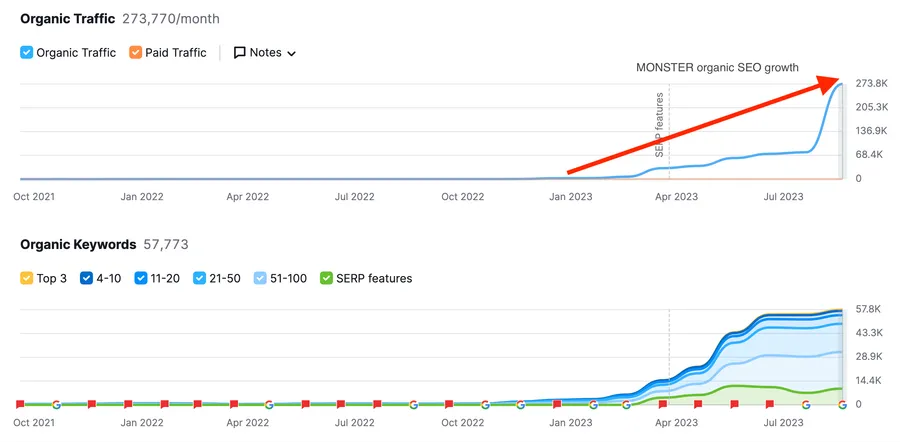
SEO for daily living support providers is fundamentally local. Families search for personal care providers in their suburb, city, or region using queries like NDIS daily living support followed by a location, personal care provider near me, or help with daily tasks NDIS. Ranking for these searches means being visible at the moment a family is actively looking for help.
We build daily living support SEO programs around three layers. Google Business Profile optimisation ensures your listing appears in the map pack with accurate service descriptions and a strong review profile. Location-specific landing pages for every suburb and region you service provide genuine content rather than thin duplicated pages that Google ignores. And deep authority content covers topics families research during their decision-making process: what support workers do during a typical visit, how workers are screened, what happens when a worker is unavailable, how matching works, and how service agreements operate. Ranking for these questions positions your organisation as helpful and knowledgeable before a family has spoken to anyone on your team.
NDIS Daily Living Support Google Ads: Reaching Families Ready to Choose
NDIS daily living support Google Ads campaigns target families and participants actively searching for providers. Someone typing NDIS personal care provider or daily living support near me has a funded plan and is ready to select a provider. The challenge is reaching them efficiently as click costs in the NDIS sector rise year on year.
We structure campaigns around geographic precision and service specificity. Geographic targeting ensures ads appear only where you can deliver services, preventing wasted spend. Service-specific ad groups tailor messaging to different support types: personal care campaigns emphasise worker quality and screening, household support campaigns highlight reliability, and community access campaigns focus on engagement and social outcomes.
Landing pages matter as much as the ads. A family clicking a daily living support ad who lands on your homepage will likely bounce. They need a page that directly addresses their search, communicates your approach, and makes it straightforward to enquire. We build dedicated landing pages that convert at rates well above generic homepage traffic because they answer the specific question the family was asking.
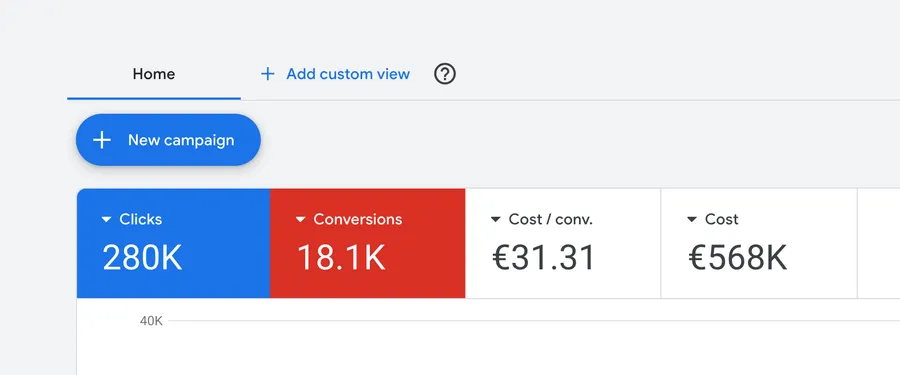
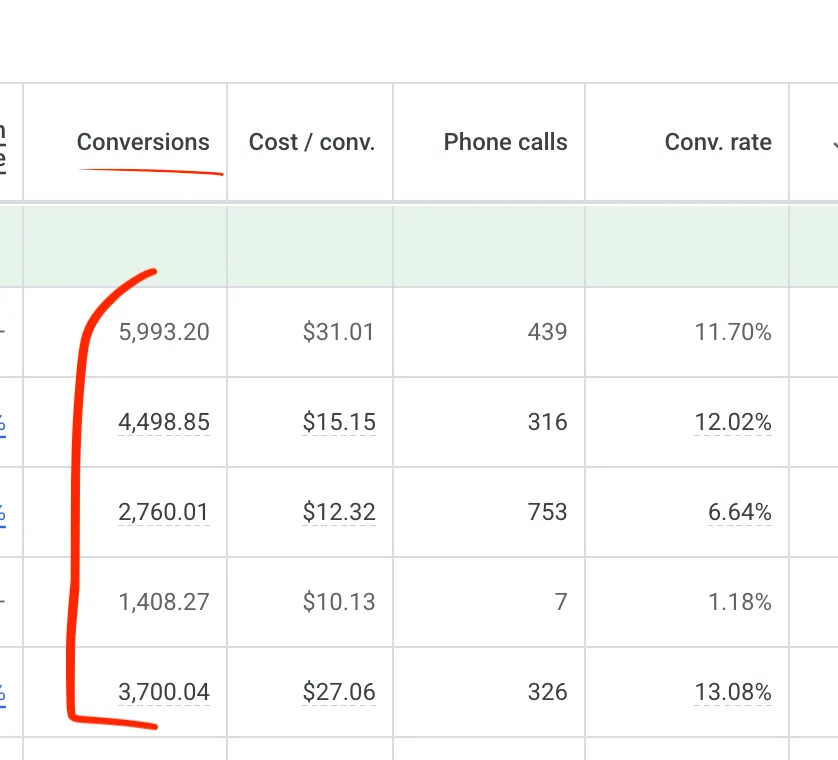
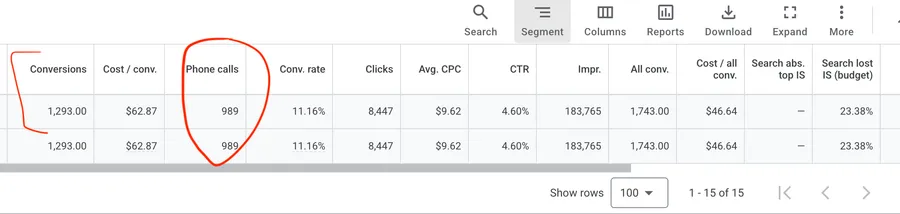
For providers already running NDIS daily living support Google Ads, we often find accounts burning budget on broad match keywords pulling irrelevant NDIS searches, missing negative keywords for job seekers rather than service seekers, and sending traffic to pages that do not convert. Restructuring around intent, geography, and dedicated landing pages typically improves cost per enquiry within the first month.
NDIS Daily Living Support Website Design: Converting Trust Into Enquiries
NDIS daily living support website design serves one purpose: making anxious families feel confident enough to contact you. Families arriving at your website carry real anxiety about who will provide intimate personal care to their family member. Your website needs to address that anxiety directly.
Effective daily living support websites lead with people, not processes. Families want to see your team and get a sense of who will be entering their home. They need specific detail about worker screening, training, and matching rather than vague quality claims. Genuine reviews from participants and families, practical explanations of how services work day-to-day, and easy contact options with clear next steps all contribute to converting researchers into enquiries.
The technical side matters too. Mobile responsiveness is essential because families often research providers on their phones during evenings and weekends. Accessibility compliance is not optional for an organisation serving people with disabilities. And your site needs to clearly explain how participants can use their Core Supports funding whether they are self-managed, plan-managed, or NDIA-managed (NDIA-managed participants can only use registered providers).
NDIS Daily Living Support Facebook Ads: Building Awareness and Trust
NDIS daily living support Facebook ads reach families before they start actively searching on Google, building awareness among parents and carers of people with disabilities, participants themselves, and the professional networks that influence provider choice.
Facebook and Instagram work well for daily living support because trust-building content performs strongly on these platforms. Worker spotlight posts, behind-the-scenes training content, participant achievement stories shared with appropriate consent, and educational content about NDIS funding all build the familiarity that precedes a formal enquiry.
NDIS daily living support Facebook ads introduce your team and services to local audiences, with creative that explains support arrangements, service coverage and how to enquire.
Compliance matters. Content should respect participant dignity, use appropriate language, avoid inspiration narratives the disability community rejects, and comply with NDIS Quality and Safeguards Commission expectations. We build campaigns that perform commercially while respecting these standards.
The Staff Recruitment Challenge
For daily living support providers, participant acquisition and staff recruitment are two sides of the same coin. You cannot accept more participants than you can staff. Support worker shortages affect daily living support providers acutely because personal care requires workers with specific qualities: reliability, empathy, physical capability, and the interpersonal skills to build genuine rapport with participants.
The recruitment challenge is compounded by participant growth. As more Australians receive NDIS plans with daily living support funding, demand for workers grows while providers compete for the same pool. Marketing that generates enquiries you cannot staff wastes money and damages the reputation you have built.
We integrate recruitment marketing into the broader strategy: employer branding that positions your organisation as a desirable workplace, job advertising that reaches people with the right qualities, and social media content showcasing your culture and the meaningful nature of support work. Strong employer branding and strong participant-facing branding reinforce each other. Families want providers that attract good workers, and good workers want organisations that families trust.
Rostering Complexity and Service Reliability
Daily living support involves complex rostering across participants, locations, worker availability, and service types. A single missed shift can damage trust that took months to build. Your website and communications should give families confidence that you have the infrastructure to maintain consistent service.
Rostering capability is a genuine differentiator. Families who have experienced unreliable providers are specifically looking for organisations that can demonstrate how they manage scheduling, handle cancellations, provide backup workers, and maintain continuity of care. Content explaining your rostering approach and backup protocols speaks directly to one of the biggest anxieties families carry when choosing a new provider.
NDIS Pricing, Service Agreements, and Compliance
NDIS daily living support marketing must account for the regulatory framework shaping service delivery. The NDIS Pricing Schedule 2026-27 sets maximum rates (a standard weekday daytime support worker hour is capped at $73.58). From July 2027, providers of personal care and daily living supports will also need to be registered, so unregistered providers should plan for that now. Service agreements define terms between providers and participants. The NDIS Quality and Safeguards Commission oversees provider conduct, including marketing practices.
Your marketing should demonstrate compliance without making it the centrepiece. Mentioning registration status, NDIS Worker Screening Check requirements, quality management systems, and incident reporting builds confidence without turning your website into a compliance manual. Families care about what compliance means for their family member in practical terms.
Service agreements deserve particular attention. Many families do not understand what a service agreement involves or what to look for when reviewing terms. Educational content explaining agreements in plain language positions your organisation as transparent and reduces onboarding friction because families arrive already understanding the basics.
Why Generalist Agencies Fail NDIS Providers
Most daily living support providers that hire a generalist marketing agency end up frustrated. The pattern repeats: no understanding of NDIS funding categories, so marketing targets people without funded plans who cannot become participants. Zero awareness of the trust dynamics in personal care, so messaging sounds like it is selling a product rather than building confidence. Cookie-cutter SEO that ignores the local, suburb-level search behaviour of families looking for home-based support. Google Ads campaigns that waste budget on support worker job seekers instead of service seekers. And no understanding of the compliance landscape, rostering challenges, or pricing constraints that shape how daily living support providers actually operate.
The fix is genuine understanding of the NDIS ecosystem, the trust requirements of personal care services, the operational constraints that limit growth, and the regulatory framework that governs marketing practices. That knowledge separates a daily living support marketing partner from an agency that adds NDIS to its list of industries served.