






























Virtual Environment Showcase
Families want to see where their family member will stay. Virtual tours, photos of rooms and common areas, and clear facility information help families imagine the experience before visiting.
When a parent searches for respite at midnight, they carry worry and guilt alongside their exhaustion. They need to see that your facility is safe, your staff are capable, and their family member will be genuinely cared for. We help you provide that reassurance before they ever make contact.
Show families your facility with virtual tours and room photos
Prove participants enjoy meaningful activities during stays
Reach families during school holiday and seasonal planning
Rank locally for NDIS respite and short-term accommodation
Reach carers and families across Facebook and Instagram
Build family reviews that drive future bookings
Helping respite providers build trust and fill bookings
Talk to UsTrusted by 100+ Australian and Global businesses in healthcare
Trust-Building for Respite
Respite is a high-stakes decision. Families need comprehensive reassurance. Your online presence is where that trust-building begins.
Families want to see where their family member will stay. Virtual tours, photos of rooms and common areas, and clear facility information help families imagine the experience before visiting.
Respite is not just accommodation. It is engagement, activities, and care. Social media showing real activities demonstrates that participants enjoy meaningful experiences during their stay.
Families worry about safety. Clear information about your staffing, supervision, emergency procedures, and quality indicators addresses these concerns directly.
Respite demand peaks around school holidays and seasonal breaks. We time campaigns to capture families during planning periods when they are actively researching options.
Respite facilities serve specific geographic areas. We build strong local presence in search and social media within your service radius.
Happy families become repeat bookers. We help you maintain relationships between stays, encouraging return bookings and building the consistent utilisation your facility needs.
Understanding Respite Marketing
Families researching respite carry complex emotions. Understanding this context shapes how we approach NDIS respite care marketing.
NDIS respite care marketing is the work of connecting your Short Term Accommodation (STA) service with the families and carers who need it most, at the moment they are ready to make one of the hardest decisions they will face. Unlike most healthcare marketing, respite sits at an emotional intersection that few other services occupy. The person searching is rarely the person receiving the service. A parent, sibling, or ageing carer is looking for somewhere safe to leave someone they love, often while carrying guilt about needing a break in the first place. That emotional weight shapes every aspect of how respite providers need to present themselves online.
For most NDIS respite providers in Australia, effective marketing means a respite care website design that shows families exactly what their family member will experience, not generic stock photography but your actual rooms, your actual staff, your actual activities. It means respite care Google Ads that capture searches from carers during the planning windows when they are finally ready to book. It means respite care Facebook ads that reach families in the carer support groups and community networks where they spend their limited personal time. And it means SEO that ensures your facility appears when someone searches for NDIS respite care in your specific area. We have worked with respite providers across Australia and learned that the marketing approaches that fill beds are fundamentally different from what works for other NDIS services, because the decision-making process is different, the audience is different, and the emotional stakes are higher. Practitioners who invest in ndis respite care marketing see the strongest returns when this is solid.
Respite care serves two audiences simultaneously, and your marketing needs to speak to both. The participant, the person with disability who will stay at your facility, has their own preferences, interests, and needs. But in most cases, the booking decision is driven by a carer, parent, or family member who is evaluating providers on behalf of someone they love deeply.
Carers researching respite are driven by a combination of exhaustion and protectiveness. They need a break. They may have been providing full-time support for years with limited help. Their GP, their support coordinator, or a family member has suggested respite, and they have finally reached the point where they are willing to consider it. But willingness does not mean readiness. The trust barriers are enormous. They are asking themselves whether their family member will be safe, whether staff will understand their specific needs, whether routines will be maintained, whether the experience will be positive or distressing.
Your marketing needs to address both sides. For carers, that means clear safety information, staff qualifications, supervision ratios, and transparent communication about how you handle specific needs and routines. For participants, it means showing that respite is something to look forward to, not something to endure. Activity photos, social outings, recreation programs, and evidence of genuine engagement tell participants and their families that a stay with you is a positive experience. The numbers from our ndis respite care marketing campaigns confirm this consistently.
Not all respite looks the same, and your marketing should reflect the specific types you offer. Centre-based respite, where participants stay overnight at a dedicated facility, is the most common model. In-home respite, where support workers come to the participant's own home, appeals to families not yet ready for an unfamiliar environment. Holiday respite and community-based programs position the stay as something enjoyable rather than purely functional.
Emergency respite serves a different audience entirely. When a carer faces a medical emergency, a family crisis, or reaches breaking point, they need a provider who can respond quickly. Marketing emergency respite requires different messaging, emphasising availability and rapid response. Planned respite, which makes up the bulk of most providers' bookings, involves families scheduling stays well in advance around school holidays or regular intervals. Marketing planned respite is about visibility during planning windows and building enough trust that families commit weeks or months ahead. This is exactly why ndis respite care marketing cannot follow a generic playbook.
Respite care website design has one job above all others: show families what your facility actually looks and feels like. A carer researching options at eleven o'clock at night, exhausted and anxious, needs to see your rooms, your common areas, your outdoor spaces, and your activity program. They need to imagine their family member there and feel that it would be a positive experience.
Generic healthcare website templates fail respite providers because they are built for clinical services, not for accommodation and lifestyle experiences. A respite website needs virtual tours or walkthrough videos, photo galleries of real spaces rather than renders or stock images, clear information about room types and sleeping arrangements, and details about daily routines, meals, and activities. It also needs practical information about what to bring, how drop-off and pick-up work, and how families can stay in contact during the stay. We integrate this insight into every ndis respite care marketing program we run.
Booking systems matter more for respite than for most NDIS services. Families need to see availability, check dates against school holiday calendars, and book with confidence that their preferred dates are secured. Integration with your occupancy management system, whether that is a purpose-built platform or a spreadsheet your admin team maintains, reduces friction and prevents the double-bookings that damage family trust. We build respite websites that connect your actual availability with the booking experience families expect.
NDIS compliance shapes every page. Your website must accurately represent your registered service types, your capacity, and the NDIS funding categories that apply to respite stays. Short Term Accommodation sits under NDIS Core Supports, and families need to understand how their plan funding works with your pricing before they commit to a booking.
Respite care Google Ads capture families at the moment they are actively searching for options. These are high-intent searches from people who have moved past the consideration stage and are comparing providers. The searcher typing NDIS respite care near me or short term accommodation disability has already decided they need respite. Your job is to be visible and credible when they make that search. This is precisely the kind of detail that separates effective ndis respite care marketing from wasted spend.
Campaign structure for respite Google Ads looks different from other NDIS services. We separate campaigns by respite type, planned versus emergency, by geography to target your actual service area, and by audience intent. A search for school holiday respite carries different intent from NDIS emergency respite, and the ad copy and landing pages need to reflect that difference. Strong ndis respite care marketing connects these operational realities to campaign strategy.
Seasonal budget management is critical. Respite search volume is not evenly distributed through the year. Demand spikes before school holidays, around Christmas and Easter, and during winter when carer fatigue tends to accumulate. We scale budgets to match these patterns rather than running flat spend year-round, which means your investment is concentrated in the periods when families are actively planning and ready to book.
Landing pages for respite Google Ads need to do more work than a standard service page. A family clicking through from a search ad needs immediate reassurance, visual evidence of your facility, clear information about availability, and a low-friction way to enquire or book. We build dedicated landing pages for respite campaigns that address the specific concerns driving each search.
Respite care Facebook ads serve a different function from search advertising. Carers do not always begin their respite research with a Google search. Many first encounter the idea of respite through carer support groups on Facebook, through posts shared by other families, or through targeted content that appears in their feed during an especially difficult week. Facebook and Instagram advertising reaches carers before they have started actively searching, planting the idea and building familiarity with your facility over time. Providers who understand this run more effective ndis respite care marketing campaigns.
The creative approach for respite Facebook ads needs sensitivity. Carers scrolling their feed in the twenty minutes of quiet they get each day do not respond well to clinical messaging or hard-sell advertising. Content that acknowledges the reality of caring, that validates the need for a break, and that shows what respite looks like for participants who genuinely enjoy the experience performs far better than promotional material focused on your facility's features and credentials. It is one of the less obvious but most impactful aspects of ndis respite care marketing.
Targeting for respite Facebook ads combines demographic and interest data with carer-specific signals. We reach people engaged with disability support pages, carer support communities, NDIS information groups, and local family networks. Lookalike audiences built from your existing family database extend reach to new carers with similar profiles. And retargeting ensures that families who visited your website but did not book see gentle follow-up content that keeps your facility in consideration.
For providers running school holiday programs or themed respite weekends, Facebook ads are particularly effective for promoting specific events. A targeted campaign announcing your summer holiday program, complete with activity details and photos from previous programs, can fill available spots weeks before they would otherwise book out.
Respite care SEO builds the organic visibility that reduces your dependence on paid advertising over time. When families search for NDIS respite care in your area, your facility should appear in both the map pack and organic results. Local SEO, including Google Business Profile optimisation, directory consistency, and location-specific content, is the foundation of respite SEO because families search by geography above almost everything else. Providers who understand this run more effective ndis respite care marketing campaigns.
Content strategy for respite SEO targets the questions families actually ask during their research. Pages addressing topics like what to expect during your first respite stay, how NDIS STA funding works, preparing your family member for respite, and the difference between in-home and centre-based respite attract organic traffic from families early in their decision-making process. This content also demonstrates the depth of your understanding and builds the trust that ultimately drives bookings.
We build suburb-specific and region-specific landing pages that target the geographic terms families use when searching, because a provider in Geelong should not be competing for visibility in Sydney. Technical SEO, structured data for local businesses, and review management round out a respite SEO program that compounds in value over months and years.
Respite providers face a challenge that most healthcare services do not: occupancy management. You have a fixed number of beds, and revenue depends on keeping them filled consistently rather than filling appointment slots. Empty beds on a Tuesday night cost the same to maintain as occupied beds, so your marketing needs to drive not just total enquiries but the right distribution of bookings across the week and the year.
We build marketing strategies that integrate with your occupancy patterns. When you have midweek capacity to fill, targeted campaigns promote the availability and flexibility of off-peak stays. When school holiday periods are booking up, campaigns shift to waiting-list messaging and alternative date suggestions. This integration between your operational reality and your marketing activity is what separates respite-specific marketing from generic NDIS advertising.
Every piece of respite marketing you publish is read by someone under stress. A parent who has been providing round-the-clock care for a child with complex needs. An ageing carer whose own health is declining but who cannot imagine anyone else looking after their adult son or daughter. A sibling who has stepped into a caring role after a parent's death. These are people carrying emotional weight that most marketers never think about.
The tone of your marketing matters enormously. Language that is too clinical feels cold. Language that is too promotional feels manipulative. Language that implies carers should feel guilty, even unintentionally, drives people away. Effective respite marketing validates the carer's need for a break, normalises the use of respite services, presents the experience from the participant's perspective as something positive, and makes the booking process feel manageable rather than overwhelming.
We write and design respite marketing with this emotional context at the front of every decision. From ad copy to website content to social media posts, the tone remains warm, respectful, and grounded in the reality that families experience. This is not just a values position. It converts better. Families respond to marketing that demonstrates genuine understanding of their situation far more than they respond to marketing that simply lists facility features.
Most marketing agencies that take on a respite provider apply the same playbook they use for every other client. The result is predictable: clinical messaging that fails to address family emotions, stock photography that looks nothing like your facility, campaigns that target the wrong audience, no understanding of NDIS funding categories, and zero awareness of the seasonal booking patterns that drive respite demand. The campaigns run, the spend goes out, and the beds stay empty on the nights when you need them filled.
NDIS respite care marketing requires a specific understanding of how families make respite decisions, how STA funding works, how occupancy management differs from appointment-based services, and how the dual audience of carers and participants shapes every aspect of messaging. That is what we bring. Not a template applied to your industry, but a genuine understanding of the emotional, operational, and regulatory landscape that respite providers navigate every day.

Trust and Visibility
From virtual tours to seasonal campaigns, we build the marketing systems that turn anxious researchers into confident, repeat bookers.
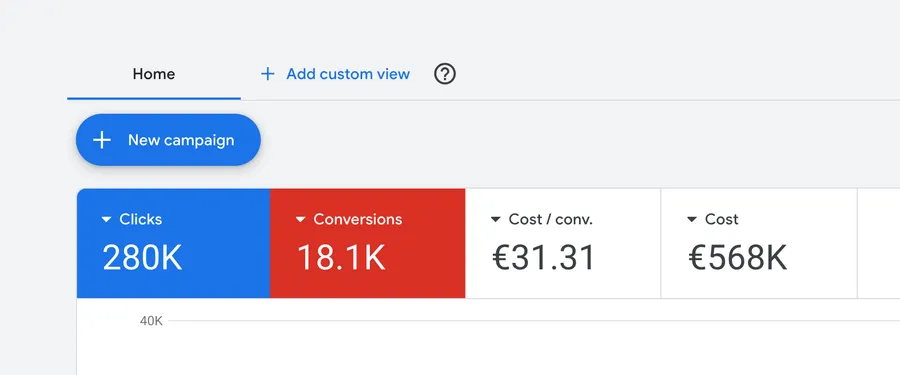
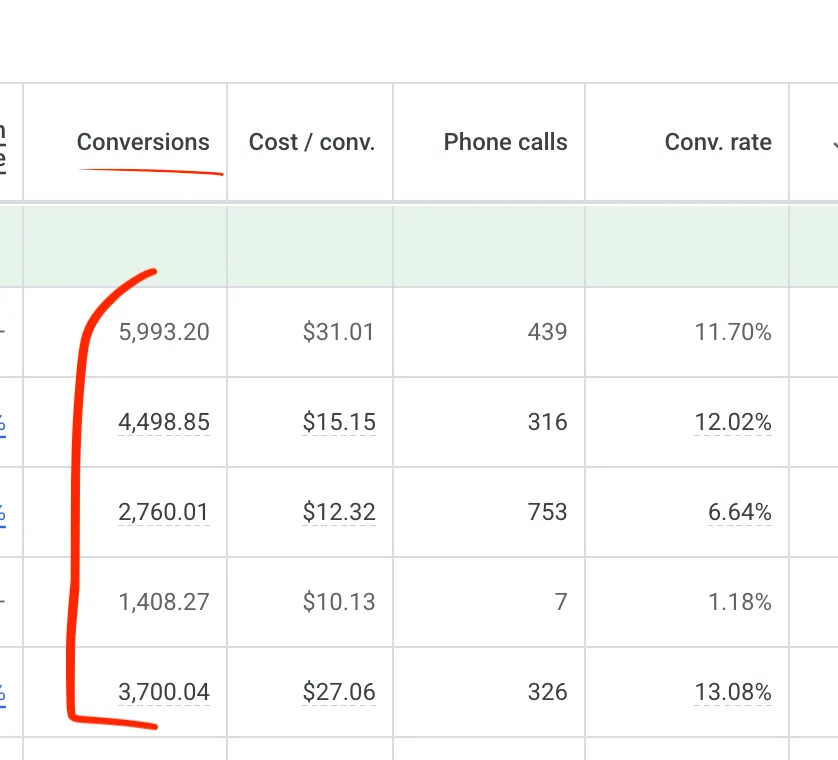
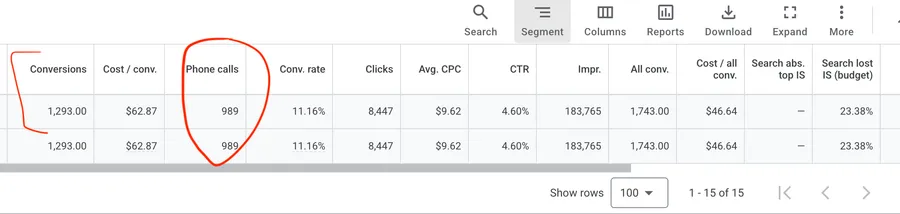
Google Ads campaigns informed by first-party data across healthcare accounts. We benchmark, optimise, and outperform at a level most agencies can't seem to match.
Explore Google AdsFacebook and Instagram campaigns built to reach your ideal patients. 44,000+ leads generated.
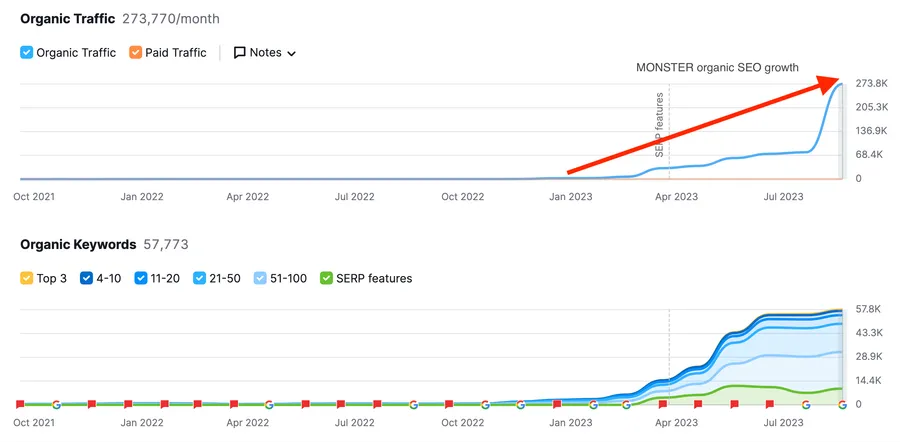
Explore Meta AdsHealthcare SEO strategies to rank for high-intent local searches. Done for 100+ medical practices.
Explore SEO ServicesConversion-optimised medical websites with seamless booking integrations and AHPRA compliance built in.
Explore Website DesignData-driven A/B testing and funnel optimisation to maximise patient booking conversion rates.
Explore CRO ServicesPurpose-built campaign pages that convert ad clicks into booked appointments. Every element tested and optimised.
Explore Landing PagesCustom dashboards and transparent reporting that show exactly where your marketing dollars go.
AHPRA-compliant medical copywriting that educates patients and builds trust.
Automated patient nurture sequences to keep patients engaged between appointments.
Full-service social media management. AHPRA-compliant content that builds your brand.
Review generation and response management for healthcare practices.
End-to-end healthcare marketing strategy. We audit, plan, and build a roadmap tailored to your practice goals and budget.
Reach younger patient demographics. Authentic video content for cosmetic, dental, and allied health.
Reach patients researching health topics in AI conversations. Early mover advantage.
Streamline your practice with automated workflows, CRM integrations, and smart booking systems.
Not sure which services fit your healthcare practice?
Book a Free Strategy CallMedical Marketing Results
Case Study
“We went from launch to $1M ARR in seven weeks.”
Mitchell — Founder, Rumen
New telehealth clinic needed rapid patient acquisition and efficient operations to scale in the medical weight loss market.
Full-funnel digital strategy with automated bookings, patient management, and retention-focused campaigns.
350 to 6,500 patients in 15 months. $1M ARR in 7 weeks. 90% admin workload reduction through automation.
Client Results
Medical practices across Australia share how they transformed patient acquisition with AHPRA-compliant marketing that delivers measurable outcomes.
"Casey and his team have been a true partner, helping to grow the business through successful campaigns. Casey shows high levels of expertise and we've been lucky to have him on board as the 'Marketing Engine'."
"We went from 350 to 6,500 patients in under 15 months. Admin load cut by over 90% and patient retention jumped by more than 450%."
"They have single-handedly grown my business. We're now turning away $60,000 every week in organic leads. Because, we just don't have the capacity."
"Since going with Casey and his team, we have had nothing but wins. They've got awesome results with low lead costs and have taken the time to really understand our business."
"If you're looking for a highly experienced, knowledgeable and ideas-driven marketing agency, look no further. He's helped transform our business from a fairly humble start-up to a fast growing service provider."
"Super impressed with his promptness, communication, professionalism, and knowledge of the full suite of digital marketing. You and your team are second to none!"
"As an experienced health professional I am a hard sceptic. Casey and his team over delivered on my project with an A+ website design having actively listened to every point I was seeking."
"Working with Casey and his team was nothing short of exceptional. The final product exceeded all expectations, both visually and functionally. It was a seamless experience from start to finish."
"Casey and his team were an absolute lifesaver. They understood exactly what our vision and goals were and did not fall short of delivering an exceptional piece of work."
"The communication was quick, clear and easily understandable. They balance patience and efficiency really well, resulting in a superb end product. Highly recommended."
"Casey was so empathetic and patient in listening to my ideas. He goes above and beyond. If you want a marketing agency that REALLY wants to help you grow your business, pick Casey and his team."
"Excellent company to deal with and their web design is incredible. Would use them again and again."
"They show high levels of expertise and we've been lucky to have them on board as the 'Marketing Engine'. Would definitely recommend to anyone looking to invest in growth."
Demand Management
Respite demand fluctuates seasonally. Smart marketing smooths these variations and maintains consistent utilisation.
Respite demand follows predictable patterns that most providers already recognise but few incorporate into their marketing. School holiday periods, particularly the long summer break and the mid-year winter holidays, drive the largest booking spikes. Families plan around these dates weeks or months in advance, which means your marketing needs to be visible during the planning window, not just during the holiday itself. We launch seasonal campaigns six to eight weeks before each school holiday period, targeting carers during the window when they are actively researching and comparing options. This is a recurring theme in ndis respite care marketing across every market we operate in.
Christmas and Easter carry additional complexity. Families may be navigating extended family gatherings where caring responsibilities become more difficult, or they may need respite to allow the primary carer to travel. These periods often book out first, and your marketing should reflect limited availability and encourage early booking to avoid disappointment. When done properly, ndis respite care marketing integrates these principles into every campaign.
Between peak periods, many respite facilities carry unused capacity that directly affects financial sustainability. Marketing during these quieter stretches shifts focus from seasonal urgency to the ongoing benefits of regular respite. Messaging highlights the positive impact of consistent breaks on carer wellbeing, the familiarity and routine that regular stays build for participants, and the flexibility of midweek or shorter stays that families might not have considered. Targeted offers for first-time stays during off-peak periods lower the barrier for families who have been considering respite but have not yet taken the step. We see this pattern repeatedly across our ndis respite care marketing engagements.
The most efficient respite marketing builds a pipeline of families who return regularly. A family who has used your service once, seen that their family member was safe and happy, and experienced the benefit of a break themselves is far more likely to book again than a new prospect is to book for the first time. We build communication strategies that maintain the relationship between stays: activity updates, availability alerts for preferred dates, and helpful content about managing caring responsibilities. This ongoing nurture turns one-off bookers into regulars who provide the consistent occupancy your facility needs to operate sustainably. This directly influences ndis respite care marketing performance month over month.
Common Questions
Practical answers from a team that understands the respite market
Respite marketing speaks to two audiences at once: the carer making the booking decision and the participant who will experience the stay. Most NDIS service marketing targets the participant directly, but respite decisions are driven by exhausted family members who need reassurance about safety, engagement, and quality before they will entrust someone they love to your care. The emotional weight of that decision shapes every aspect of messaging, channel selection, and creative approach. It also means visual content carries more weight than in other NDIS categories, because families need to see your facility before they can trust it. Practices investing in ndis respite care marketing need to get this right first.
Visual evidence is everything. Virtual tours or walkthrough videos, photo galleries of actual rooms and common areas, activity program details, staff profiles with qualifications, and clear information about daily routines, meals, and sleeping arrangements. Families researching late at night need to see your facility and imagine their family member there feeling comfortable and engaged. Your respite care website design should also include practical booking information, NDIS STA funding guidance, what-to-pack checklists, and a simple enquiry process that does not feel overwhelming for a stressed carer making a difficult decision. Our ndis respite care marketing methodology accounts for this from day one.
Respite care Google Ads are highly effective because they capture families at the point of active decision-making. Someone searching for NDIS short term accommodation or respite care near me has already decided they need the service. The key is campaign structure: separating planned respite from emergency respite, targeting your specific service area, and scaling budgets to match seasonal demand patterns around school holidays and peak booking periods rather than running flat spend year-round. Well-structured respite Google Ads campaigns typically deliver some of the lowest cost-per-enquiry results we see across NDIS services. Getting ndis respite care marketing right depends on understanding this.
Respite care Facebook ads reach carers before they start actively searching, which makes them valuable for building awareness and familiarity. Many carers first encounter respite options through carer support groups and community pages on Facebook. Campaigns that acknowledge the reality of caring, validate the need for a break, and show participants genuinely enjoying activities perform significantly better than promotional content focused on facility features. Facebook is also particularly effective for promoting specific programs like school holiday respite or themed weekends, where visual content showing previous events drives strong booking responses. It is a key factor in ndis respite care marketing performance.
Every piece of your marketing is read by someone under stress. Language that is too clinical feels cold, and language that is too promotional feels manipulative. Effective respite marketing validates the carer's need for a break without implying guilt, normalises the use of respite as a positive choice for the whole family, and presents the participant's experience as something enjoyable. We write all respite content with this emotional context guiding tone and word choice, because sensitivity is not just respectful, it converts better.
Yes, they require entirely separate strategies. Emergency respite serves families in crisis: a carer hospitalisation, a family breakdown, or a carer who has reached breaking point. Messaging for emergency respite emphasises availability, rapid response, and your capacity to accept bookings at short notice. Planned respite marketing focuses on trust-building over longer timeframes, seasonal visibility, and helping families establish regular booking patterns. Campaign structure, ad copy, landing pages, and even the tone of your messaging should be distinct for each type, because the emotional state of the person reading is fundamentally different.
Most providers experience occupancy dips between school holiday peaks, and those empty beds cost the same to maintain as full ones. Off-peak marketing shifts messaging from seasonal urgency to the benefits of regular respite: consistency for participants who enjoy routine, wellbeing benefits for carers who build regular breaks into their schedule, and the flexibility of midweek or shorter stays that families might not have considered. Targeted campaigns offering first-time trial stays during quieter periods lower the barrier for families considering respite. Ongoing communication with past families also drives return bookings during off-peak windows.
Critical. Families search for respite by location above almost everything else. A carer in Bendigo is not going to book a facility in Frankston, so your visibility needs to be concentrated in the areas you actually serve. Your Google Business Profile, local directory listings, and location-specific website content determine whether you appear when a carer searches for NDIS respite care in your area. We build suburb-specific and region-specific landing pages, optimise your map pack presence, and manage review profiles to ensure your facility has strong local visibility within your actual service radius.
Support coordinators are a significant referral channel for respite providers. They recommend facilities they trust to the families they work with, and a strong recommendation from a coordinator carries enormous weight with carers who are anxious about the decision. Building coordinator relationships requires professional visibility through industry networks, consistent service quality that earns word-of-mouth referrals, and marketing materials coordinators can share with families. A strong online presence matters too, because coordinators will check your website and reviews before recommending you to a family in their care.
Respite falls under Short Term Accommodation (STA) in NDIS Core Supports. Participants need STA funding in their plan to access respite services, and the amount of STA funding varies significantly between plans. Your marketing should clearly explain how STA funding works, what is included in your pricing, what additional costs families might expect, and how to check whether a plan includes sufficient STA budget. This transparency reduces enquiry friction and helps families self-qualify before contacting you, which means your team spends less time on enquiries that cannot proceed due to funding gaps.
Your messaging needs parallel tracks running through every channel. For carers and families, focus on safety, staff qualifications, supervision ratios, communication during stays, and the practical details that address their protective instincts. For participants, focus on activities, social opportunities, fun experiences, and the independence that respite provides. Website content, social media, and advertising should reflect both perspectives simultaneously, showing that your facility is a place where participants genuinely thrive and families can feel at ease. Getting this balance right is what separates effective respite marketing from generic NDIS promotion.
Social media is one of the most effective channels for respite marketing because it provides the ongoing visual evidence families need to make their decision. Regular posts showing real activities, outings, creative programs, and genuine participant engagement demonstrate that your facility delivers what it promises. Families who follow your social accounts over weeks or months build the familiarity and trust that dramatically shortens the booking decision when they are ready. It also gives carers shareable content to show other family members who are involved in the decision and may need convincing.
Holiday periods book out quickly, so your marketing needs to start well before families have finalised their plans. We launch seasonal campaigns six to eight weeks before each school holiday period, targeting families during the planning window when they are comparing options and checking availability. As your capacity fills, messaging shifts to waiting-list registration and alternative date suggestions. Post-holiday campaigns then target families who missed out, encouraging them to book ahead for the next period. This cycle builds a predictable demand pattern your team can plan around and your operations can staff for.
Generalist agencies apply the same playbook they use for every client. They do not understand the dual audience of carers and participants, the emotional complexity of respite decisions, how STA funding works, or the occupancy management challenges that distinguish respite from appointment-based services. The result is clinical messaging that fails to connect with anxious families, campaigns targeting the wrong audience, and no awareness of seasonal booking patterns. NDIS respite care marketing requires specific knowledge that most agencies simply do not have.
Still have questions? We're here to help.
Book a free strategy callReady to Fill Your Facility?
Tell us about your respite facility, your capacity patterns, and your growth objectives. We will show you how to build the family confidence that converts research into bookings.
We'll get back to you within 24 hours
By submitting, you agree to our Privacy Policy
Book a free strategy session with Australia's healthcare marketing specialists. No obligations, just actionable insights for your practice.
Start typing to search across all pages
No results found. Try a different search term.