











Understanding How Families Search for Respite
Respite care SEO starts with understanding who is searching and what they need to see. The person typing a respite query into Google is almost never the person who will use the service. A parent, an ageing carer, or a sibling is searching on behalf of someone they love, often late at night after a difficult day when they have finally acknowledged they need a break. Their searches are local and specific: 'NDIS respite care near me', 'short term accommodation disability Sydney', 'respite care Gold Coast'. They include a location because respite is not something families will travel hours for. They need a facility within a manageable distance, somewhere they can drop off and pick up their family member without adding logistical stress to an already exhausting situation.
Support coordinators also drive respite referrals. When a coordinator is working with a participant who has STA funding in their plan, they search for facilities that meet the participant's needs in the relevant geographic area. Coordinators use more structured terminology: 'NDIS STA provider', 'short term accommodation disability', 'registered respite provider'. They evaluate facilities against NDIS Quality and Safeguards Commission standards and look for evidence of quality care, appropriate staffing, and activity programming. An effective ndis respite seo strategy must capture both audiences, serving the emotional needs of families alongside the professional evaluation criteria of coordinators, because referrals flow through both channels and each requires different content.
The timing of respite searches also differs between audiences. Families tend to search in the evenings and on weekends, often during the limited quiet moments they have after a long day of caring. Coordinators search during business hours as part of their professional workflow. Understanding these patterns helps inform when content is published, how pages are structured, and what information appears first on each page to match the mindset of whoever is reading it at that moment.
Local SEO Foundations for Respite Facilities
Respite facilities serve defined geographic areas, making local SEO the foundation of any effective respite care seo program. When a family searches for respite in their area, your facility needs to appear in both the local map pack and organic search results. This requires a Google Business Profile optimised with accurate facility information, quality photos of your actual rooms and common areas, regular posts demonstrating ongoing activities, and active review management that shows families what other carers have experienced.
Beyond your Google Business Profile, local SEO for respite providers involves building consistent directory listings across NDIS provider directories, disability service platforms, and local business directories. Each listing reinforces your facility's name, address, and contact information, building the local authority signals search engines use to determine which facilities to show for location-based queries. We create suburb-specific and region-specific landing pages that target the geographic terms families and coordinators use, establishing your facility's relevance in every part of your service area. This location-layer approach is what separates specialist respite care seo and sta provider seo from generic content marketing that fails to capture the geographic specificity driving respite search behaviour.
Review management is particularly important for respite providers because families rely heavily on the experiences of other carers when making their booking decision. Reviews that describe the participant's experience, staff responsiveness, communication quality during the stay, and the overall environment carry significant weight. We advise on compliant, ethical approaches to building your review profile that demonstrate genuine family satisfaction without compromising participant privacy or NDIS Quality and Safeguards Commission expectations around how providers represent their services.
Seasonal Content Strategy for School Holiday Demand
Respite search demand is not evenly distributed through the year, and your respite care seo strategy needs to account for this. Demand spikes before school holiday periods, particularly the long summer break, the mid-year winter holidays, Christmas, and Easter. Families plan respite around these dates weeks or months in advance, which means your content needs to be ranking before the planning window opens, not scrambling to appear once the holiday is already underway.
We develop and publish seasonal content six to eight weeks before each major school holiday period. Pages targeting searches like 'school holiday respite NDIS', 'summer respite program disability', and 'Easter respite care near me' are prepared, optimised, and indexed well ahead of the demand curve. This content includes details about your holiday program activities, staffing arrangements during peak periods, and booking availability. Between peak periods, content shifts to the benefits of regular respite, midweek availability, and shorter-stay options that families might not have considered. This year-round approach to seasonal respite care marketing ensures your organic visibility matches the natural demand patterns of the respite market rather than leaving bookings to chance.
Activity-themed content adds another seasonal dimension. If your facility runs specific programs during school holidays, such as outdoor adventure weekends, creative arts programs, or community exploration activities, dedicated pages for these programs attract organic traffic from families searching for activity-based respite rather than just accommodation. These families often have higher booking intent because they are looking for an experience their family member will genuinely enjoy, not just somewhere safe to leave them while the carer takes a break.
Trust-Building Content That Converts Carers Into Bookers
Ranking in search results is only half the equation for respite care seo. When a family clicks through to your website, they need to see enough to trust you with someone they love. This is a higher trust threshold than almost any other healthcare service, because the carer is leaving a vulnerable person in your care, often for the first time. The content on your website needs to address this directly.
Resource pages that explain what to expect during a first respite stay, how to prepare a family member for an overnight visit, what daily routines look like at your facility, and how families can stay in contact during the stay all serve a dual purpose. They attract organic traffic from families in the research stage of their decision-making process, and they build the trust that converts a website visitor into a genuine booking enquiry. This is where short term accommodation seo and conversion optimisation intersect: content that answers the questions carers actually have both ranks well in search results and reduces the anxiety that prevents families from taking the next step. Activity showcase content is equally important. Families want evidence that respite involves genuine participant engagement, not just accommodation. Pages and posts showing recreation programs, community outings, creative activities, and social experiences demonstrate that a stay at your facility is something their family member can look forward to.
Emergency Respite and Crisis-Driven Search Patterns
Not all respite searches follow the planned booking cycle. Emergency respite serves families facing sudden crisis: a carer hospitalisation, a family breakdown, or a carer who has reached breaking point and cannot continue without immediate support. These searches carry different intent and urgency from planned respite research. Someone searching for 'emergency respite care NDIS' or 'urgent disability respite near me' needs a facility that can respond quickly, and your website needs dedicated content addressing this need.
We build separate content for emergency respite that communicates your availability for short-notice bookings, your intake process for urgent placements, and what families can expect when arranging care at short notice. This content targets crisis-driven search terms that planned respite pages do not capture, expanding your organic reach into a segment of respite care marketing that many providers overlook. The emotional tone of emergency respite content differs from planned respite content. Families in crisis need clear, direct information about how to access help immediately, not lengthy educational guides about the benefits of regular breaks. Our respite care seo approach segments these audiences so each receives the right content at the right moment. Separate landing pages, distinct calls to action, and different levels of information depth ensure that a family in crisis finds the rapid response details they need, while a family planning ahead receives the comprehensive information that supports a considered decision.
STA Funding Content and Participant Self-Qualification
Many families researching respite do not fully understand how NDIS Short Term Accommodation funding works. They may not know whether their family member's plan includes STA, what the funding covers, what additional costs they might face, or how booking processes interact with their plan management arrangements. Content that explains STA funding clearly (including the 2026-27 split into support worker hours plus a daily accommodation rate, and the usual limits of 14 days per stay and 28 days a year), in terms families can understand, serves two SEO purposes: it attracts organic traffic from funding-related searches, and it helps families self-qualify before contacting you.
Pages addressing topics like 'how does NDIS STA funding work', 'what does respite cost with NDIS', and 'how to check if your plan includes short term accommodation' capture research-stage traffic from families early in their decision-making process. This content also reduces the volume of enquiries from families whose plans do not include adequate STA funding, saving your intake team time and ensuring the enquiries that do come through are more likely to convert into actual bookings. Transparent funding content aligns with NDIS Quality and Safeguards Commission expectations for how NDIS respite providers communicate pricing and services, making it a compliance asset alongside its SEO value. For families who are new to the NDIS or who have recently received STA funding in a plan review, this content serves as a critical bridge between knowing they have funding and understanding how to actually use it for respite bookings at your facility.
Return Bookings and Long-Term SEO Value
The most efficient respite care seo outcome is not just attracting first-time bookers but building a pipeline of families who return regularly. A family who has used your service once, seen that their family member was safe and happy, and experienced the personal benefit of a break is far more likely to book again. While repeat bookings are primarily driven by service quality, your organic visibility contributes to this cycle by keeping your facility present in search results when families plan their next stay.
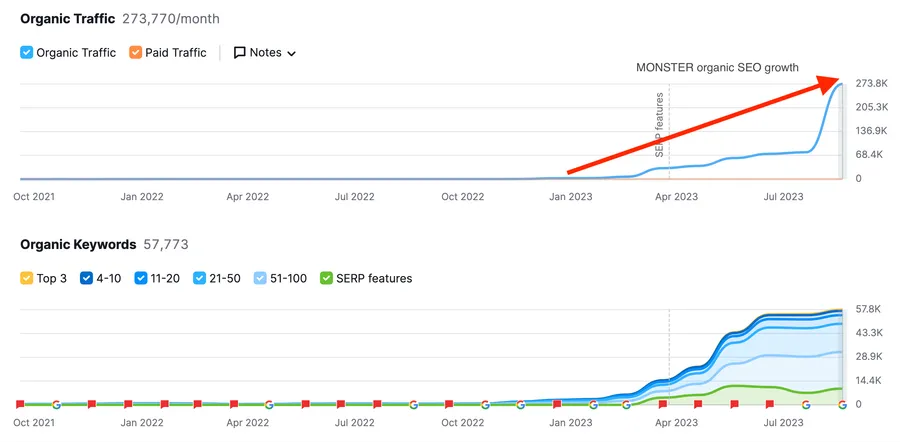
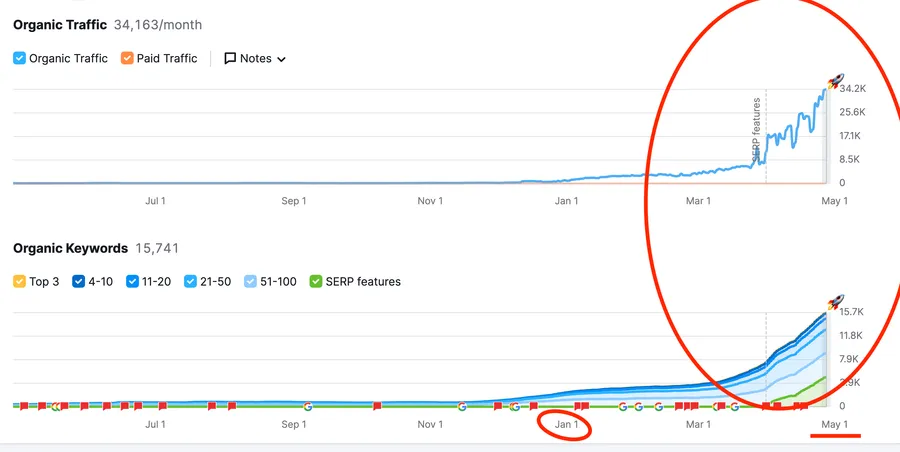
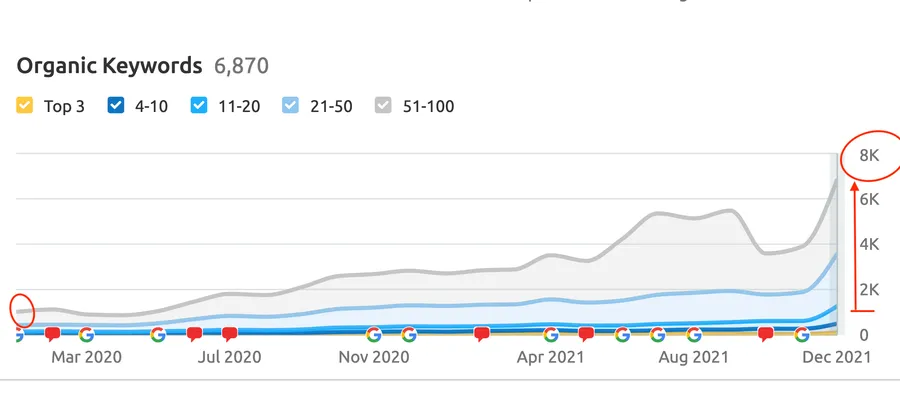
Content that supports return bookings includes seasonal program announcements, activity updates, and resource pages about the benefits of establishing a regular respite routine. This ongoing content creation also feeds your broader healthcare SEO program by keeping your website fresh, expanding your keyword footprint, and demonstrating to search engines that your site is actively maintained and regularly updated. Over time, this compounding content strategy reduces your dependence on paid advertising by building a growing stream of organic traffic from families and coordinators who find your facility through search. For seo for respite care providers, this long-term compounding effect is what makes organic search one of the highest-return marketing investments a respite facility can make, alongside seasonal sta provider seo campaigns that capture peak demand as ndis respite seo visibility builds across every period of the year.
Measuring Respite SEO Performance Against Occupancy
Respite care seo success should ultimately be measured against occupancy rates and booking quality, not just rankings and traffic. We track performance across keyword rankings for respite and STA searches in your service area, organic traffic growth segmented by seasonal period, and enquiry attribution that connects website visits to actual booking contacts. This level of tracking lets you see whether your SEO investment is contributing to the bed nights that drive your facility's financial sustainability.
Monthly reporting breaks down performance by search category and seasonal period. You see which terms are driving the most booking enquiries, how organic visibility shifted before and during school holiday peaks, and where competitor activity may be affecting your position. This data informs both your respite care marketing strategy and operational decisions about staffing, program development, and capacity management. If organic enquiry volumes spike before summer but drop off in autumn, we adjust the content strategy to strengthen off-peak visibility and help smooth the demand fluctuations that most respite facilities experience throughout the year.
We also monitor competitor activity, tracking how other respite facilities in your service area are ranking, what content they are publishing, and how their review profiles are growing. This competitive intelligence helps you maintain your organic position and respond proactively to changes in the local provider landscape before your bookings are affected. Combined with occupancy-aligned reporting, this analysis gives your management team the data they need to make informed decisions about where marketing investment delivers the strongest return for your facility.