









Understanding NDIS Search Behaviour
NDIS SEO starts with understanding who is searching and why. Unlike most industries where there is a single buyer persona, NDIS providers serve multiple audiences who search in fundamentally different ways. A provider in Western Sydney faces different search patterns than one servicing regional Queensland, but the multi-audience dynamic is consistent across the country.
Participants search for specific services near them. They use terms like 'NDIS support worker Parramatta', 'NDIS physio near me', or 'community access NDIS Brisbane'. Their searches tend to be direct and location-specific, and they often include suburb or city names because they need services delivered locally.
Families search differently. A parent researching SIL options for an adult child might search 'supported independent living providers Melbourne', 'what is SIL NDIS', or 'SIL providers near Dandenong'. These searches are often more research-heavy and comparison-oriented, with families spending significant time evaluating providers before making contact.
Support coordinators search with professional terminology. They might search for 'SDA provider Hunter Valley', 'NDIS plan management services Perth', or specific provider types by registration group. They are assessing providers against participant needs and often comparing multiple options against NDIS Quality and Safeguards Commission standards.
Plan managers and other referral sources add another layer. They search for providers to recommend to participants, often using more specific NDIS terminology and registration categories. Local Area Coordinators (LACs) also search when helping participants connect with services in their region.
An effective ndis provider marketing strategy accounts for all of these search behaviours and creates content pathways that serve each audience appropriately. The content a participant needs to see differs substantially from what a support coordinator evaluates, and your website must serve both.
Service-Line SEO for SIL, SDA, Plan Management and Support Coordination
Most NDIS provider websites have a single services page that lists everything they offer. From an SEO perspective, this is a missed opportunity. Each service line represents a distinct set of search queries, and a single page cannot rank effectively for all of them.
We build dedicated pages for each NDIS service line. Supported Independent Living (SIL) pages that explain your SIL model, daily routines, staff-to-participant ratios, and the locations where you deliver SIL services. These pages target searches like 'SIL provider Sydney', 'supported independent living NDIS', and 'SIL housing near me'. The content addresses the questions families and support coordinators ask when evaluating SIL options: how your rostering works, what participant involvement looks like in daily decisions, and how you handle transitions into a new SIL arrangement.
Specialist Disability Accommodation (SDA) pages detail your properties, design categories (improved liveability, fully accessible, robust, high physical support), location, and enrolment process. SDA searches are highly specific and often filtered by design category and region. Plan management pages explain fee structures, portal access, provider payment timelines, and the practical benefits of using a plan manager. Support coordination pages outline your approach, experience, caseload capacity, and intake process.
Each page is optimised for relevant keywords, structured for readability, and designed to help the specific audience most likely searching for that service take the next step. This service-line approach creates multiple entry points to your website as part of a comprehensive healthcare SEO strategy, each targeting a distinct segment of NDIS search demand.
Location Page Strategy for Multi-Region NDIS Providers
NDIS services are delivered locally, and search intent reflects this. Participants and families almost always include a location in their searches. If you serve multiple suburbs or regions, your website needs content that establishes your presence in each area. A provider covering Greater Melbourne needs different location content than one servicing the NSW Central Coast or regional South Australia.
We create location-specific pages for each area you serve. These are not thin, duplicated pages with just a suburb name swapped out. Each location page includes relevant local information, the specific services available in that area, and content that demonstrates genuine presence and capability. A page for your services in Logan, for example, would reference local NDIS demand, the specific service lines you deliver in that area, and how participants and families in Logan can make contact.
For providers serving wide geographic areas, we build a tiered location strategy. State or region-level pages provide broad coverage for searches like 'NDIS provider Victoria' or 'disability services South East Queensland'. Suburb-level pages target the specific local searches that attract the highest-quality enquiries: 'NDIS support worker Blacktown', 'SIL provider Geelong', or 'plan management Townsville'. The difference between metro and regional NDIS markets also matters. Regional areas often have fewer competing providers but smaller search volumes, so keyword strategy needs to account for this balance.
This tiered approach ensures your website captures NDIS search demand across your entire geographic footprint, whether you operate from a single office in one city or deliver services across multiple states.
NDIS Terminology and How It Affects Keyword Strategy
The NDIS has its own vocabulary, and search behaviour reflects this. SIL, SDA, core supports, capacity building, plan management, support coordination, community access, daily living support, assistive technology: these terms are used by participants, families, and professionals in their searches. But the way different audiences use NDIS terminology varies significantly.
A participant might search for 'help with daily living NDIS' while a support coordinator searches for 'core support daily activities provider Adelaide'. A family member might search for 'disability support services near me' without using NDIS-specific terminology at all. Someone new to the NDIS might search for 'what does a support coordinator do' or 'how to use my NDIS plan for physiotherapy', using exploratory language rather than system-specific terms.
Our keyword strategy accounts for this variation. We target both NDIS-specific terminology and plain-language equivalents, ensuring your website appears regardless of how someone phrases their search. This breadth of targeting is particularly important for reaching families and participants who may be new to the NDIS and unfamiliar with the system's specific terminology. It also captures searches from people in the pre-planning stage who are researching what supports exist before their NDIS planning meeting.
Registration groups add another layer of terminology. Providers registered under specific NDIS registration groups can target searches that reference those categories directly. We map your registration groups to relevant search terms and build content that aligns with how each group is searched for by coordinators, plan managers, and participants researching their options.
NDIS Quality and Safeguards Commission Compliance in Content
All NDIS provider marketing must align with the NDIS Quality and Safeguards Commission requirements. The Commission oversees provider registration, complaints, and reportable incidents, and it sets expectations for how providers communicate with participants and the public. Unlike AHPRA-regulated health professions, NDIS provider advertising is governed by the Commission's Practice Standards and Code of Conduct rather than health practitioner advertising rules.
This means NDIS SEO content must avoid making unsubstantiated claims about outcomes, avoid language that could be seen as pressuring vulnerable people into choosing a provider, and accurately represent the services, qualifications, and capacity your organisation offers. Content should not promise specific participant outcomes or imply that your services will achieve particular results. Instead, effective NDIS content explains what you do, how you do it, and what participants can expect from your intake and service delivery processes.
We build NDIS provider content that demonstrates competence and builds trust without crossing compliance boundaries. Service pages explain your approach and what participants can expect. Team pages introduce your support workers and management with genuine, human profiles. Content addresses common concerns and questions openly, with clear information about your registration status, qualifications, and quality frameworks. This trust-building content serves a dual purpose: it helps with SEO by providing the substantial, useful content that search engines reward with higher rankings, and it gives visitors the confidence they need to make an enquiry.
Google Business Profile for NDIS Providers
Your Google Business Profile is a critical touchpoint for NDIS searches. When someone searches for NDIS services in their area, Google frequently shows the local map pack, and your Business Profile determines whether you appear there. For a provider in an area like Penrith or the Gold Coast, appearing in the map pack puts you in front of participants and families at the exact moment they are looking for support.
For NDIS providers, Google Business Profile management includes selecting the right primary and secondary categories from Google's available options, writing a clear business description that incorporates your key service lines and service areas, posting regular updates about your services and organisation, managing reviews promptly and professionally, and ensuring your contact information and service areas are accurate across all profiles.
Providers with multiple locations need separate Business Profiles for each office, each optimised for its local area. A provider with offices in both inner-city Brisbane and Ipswich needs each profile to reflect the specific services available at that location and the suburbs it serves. We manage multi-location profiles to ensure consistency while allowing each location to target its specific service area effectively.
Reviews are particularly important in the NDIS space. Families and participants rely heavily on the experiences of others when choosing a provider. Reviews that describe the intake process, staff reliability, communication quality, and overall experience help prospective participants assess your organisation. We advise on compliant, ethical approaches to review generation that build your profile without compromising participant privacy or Commission standards.
Intake Conversion and Participant Enquiry Paths
Driving organic traffic to your NDIS provider website is only valuable if that traffic translates into participant enquiries. The intake process for NDIS services can be complex, involving plan details, service agreements, and coordination between multiple parties. Your website needs to make the initial contact step as straightforward as possible for every audience.
We optimise intake conversion paths on NDIS provider websites. This means clear calls to action on every service page, accessible enquiry forms that do not overwhelm visitors with unnecessary fields, phone numbers prominently displayed for those who prefer to call, and content that answers enough questions for visitors to feel ready to take the next step. Accessibility is critical: NDIS provider websites must be usable for people with a range of disabilities, including those using assistive technology, screen readers, or alternative input devices.
For providers offering multiple services, we create service-specific conversion paths. A family enquiring about SIL has different information needs than a support coordinator referring a participant for plan management. Each path addresses the specific concerns and questions of that audience. A support coordinator making a referral wants to see registration details, service capacity, and a quick way to submit participant information. A family member wants reassurance, clarity about what happens next, and the ability to speak with someone before committing.
Location-Based NDIS Market Differences
The NDIS provider landscape varies significantly across Australian states and regions, and effective ndis seo accounts for these differences. Metro areas like Sydney, Melbourne, and Brisbane have high provider density and strong search competition, meaning SEO needs to be sharper and more targeted to stand out. Regional and remote areas like the NSW North Coast, Far North Queensland, or rural Victoria often have fewer providers and lower search volumes, but the participants searching in those areas have fewer alternatives and higher conversion intent.
State-level differences in NDIS rollout maturity, provider mix, and participant demographics also affect search behaviour. Western Australia and Queensland have seen significant growth in new provider registrations over the past two years, increasing competition in markets that were previously less saturated. South Australia and Tasmania have distinct regional dynamics where a handful of providers serve large geographic areas. Understanding these market differences informs both keyword strategy and content prioritisation for each region you serve.
We tailor ndis provider seo strategies to reflect the specific competitive landscape in your service areas. This means different content depth, different keyword priorities, and different location page strategies depending on whether you are competing in a crowded inner-city market or establishing visibility in a regional area where organic search is still an untapped channel for most providers.
Measuring NDIS SEO Performance
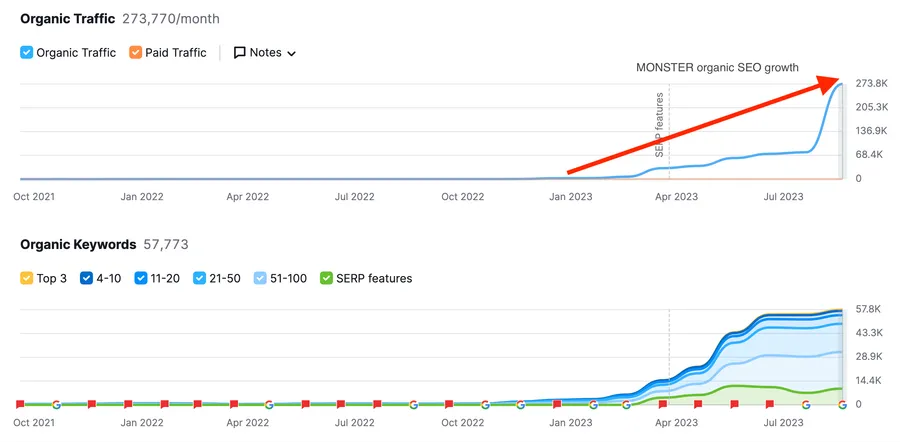
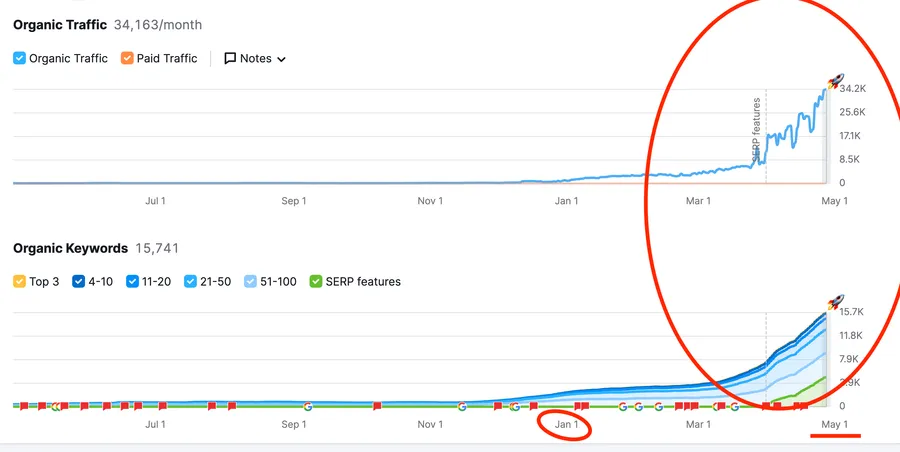
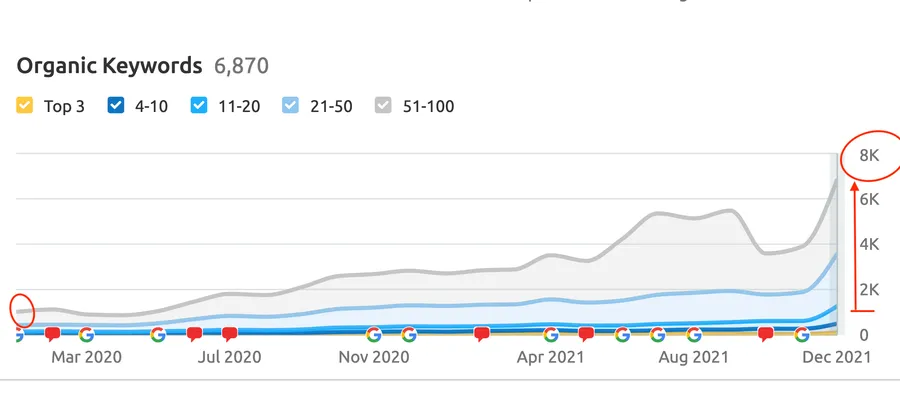
NDIS SEO success should be measured in participant enquiries, not just rankings and traffic. We track performance across multiple layers: keyword rankings by service line and location, organic traffic growth, and enquiry attribution that connects website visits to actual intake contacts. This level of tracking tells you whether your SEO investment is generating real participant interest, not just page views.
Monthly reporting breaks down performance by service line and location. You see which services are generating the most organic interest, which locations are growing, and where new opportunities exist. This data informs both SEO strategy and broader business decisions about service expansion and marketing investment. If SIL-related pages are generating strong enquiry volumes in one region but underperforming in another, we investigate whether the content needs strengthening, whether local competition has shifted, or whether the conversion pathway needs adjustment.
We also track competitor visibility, monitoring how competing providers are ranking and what content they are creating. This competitive intelligence helps you stay ahead of the market and respond to shifts in the NDIS provider landscape in your area. As an ndis marketing agency with a decade of healthcare experience, we bring this level of analysis to every engagement and use it to continuously refine your SEO strategy based on what the data shows.