











The Relationship Challenge
Support coordination is fundamentally about relationships. Families are choosing someone to guide them through one of the most complex systems they will ever encounter. They need to trust that person before they commit. Your website must begin building that trust before any direct contact.
This shapes every aspect of effective support coordination website design. Team profiles matter more than corporate messaging. Approach descriptions matter more than service lists. Personal connection matters more than professional credentials alone.
Introducing Your Coordinators
Families want to know who they will be working with. Not just qualifications, but personalities. What motivates your coordinators? How do they approach their work? What makes them passionate about supporting participants?
We design team sections that introduce coordinators as people, not just professionals. Photos showing genuine warmth. Bio copy that reveals personality. Video introductions where possible. This human-first approach builds trust before any conversation takes place.
Explaining Coordination Value
Many families visiting your website do not fully understand what support coordinators do. They know they have funding for it. They may know they are struggling with the NDIS. But they do not necessarily understand how a coordinator would help.
Your website must explain coordination value in accessible terms. What does a coordinator actually do day-to-day? How do they help families navigate the system? What difference does professional coordination make? We write content that answers these questions without overwhelming visitors.
Demonstrating Local Knowledge
Support coordination requires understanding the local context. Families want coordinators who know their regional NDIS office, understand the local provider landscape, and can recommend services in their area. Your website should demonstrate this local expertise.
We create location-specific content showing you understand the areas you serve. This might be pages for specific regions, content showing you know the local services and community supports participants can choose from, or testimonials from families in different service areas. This local emphasis builds confidence.
Building Trust Through Social Proof
Testimonials and case studies matter for support coordination more than most services. Families facing difficult decisions want to know others in similar situations have been helped. Stories of successful coordination build confidence that you can help them too.
We help coordinators gather and present social proof effectively. Family testimonials that speak to specific challenges, and case studies showing coordination outcomes, used only with written consent and with identifying details removed unless the participant chooses otherwise. These elements provide reassurance at decision moments.
Simple Contact Paths
Families ready to connect should find it easy to do so. Some prefer calling to speak with someone directly. Others prefer forms to make initial contact on their own schedule. Your website should accommodate both preferences.
We design multiple contact paths with appropriate context. Prominent phone numbers with click-to-call functionality. Simple contact forms that capture essential information. Consultation booking where appropriate. Each path guides families toward connection.
Mobile Performance
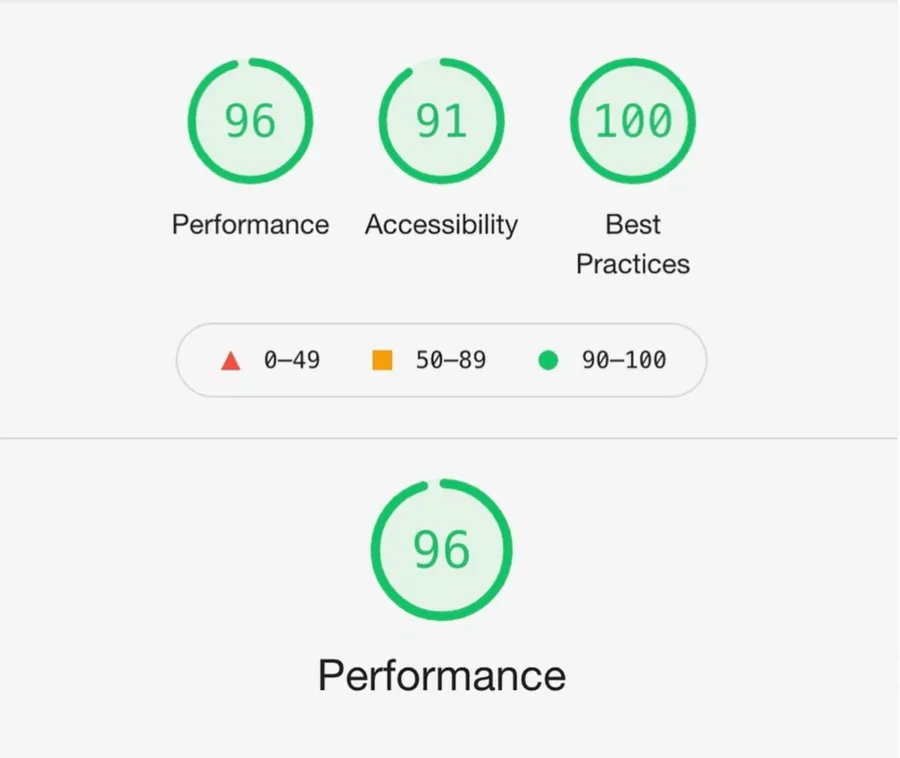
Families research support coordinators on phones at all hours. A parent looking for help at 11pm. A participant checking options between appointments. Your website must perform flawlessly on mobile devices.
Every website we build is mobile-first. Fast loading. Easy navigation. Forms that work on small screens. Mobile excellence ensures you never lose a potential participant to a poor mobile experience.