









Understanding NDIS Therapy Search Behaviour
NDIS therapy services SEO starts with understanding how families, participants, and support coordinators search for therapy under the NDIS. Unlike general healthcare SEO where a single service page might suffice, NDIS therapy providers deliver multiple clinical disciplines, each attracting its own search demand from audiences who use different terminology and carry different concerns.
A parent searching for occupational therapy for their child with autism might type NDIS OT near me, paediatric occupational therapy NDIS, or sensory processing therapy followed by their suburb. A family seeking speech pathology for a child with a developmental delay uses entirely different keywords: NDIS speech pathologist, speech therapy for kids, or early intervention speech pathology. Psychology, physiotherapy, exercise physiology, and dietetics each generate their own keyword clusters with minimal overlap.
Support coordinators add another layer. They search with professional terminology and assess providers against specific Capacity Building line items in a participant's plan. Their searches include terms like NDIS allied health provider, Improved Daily Living therapy, and capacity building therapy followed by a region name. Plan managers searching on behalf of participants use similar professional language.
Effective NDIS therapy SEO captures all of these patterns across every discipline. Each therapy type needs its own content targeting its own keywords, and each must speak to the specific concerns of the audience searching for that service. A parent researching OT for sensory processing has different information needs from one seeking psychology for anxiety management, and your content must reflect those differences to rank and convert effectively.
Discipline-Specific Service Pages
The foundation of NDIS therapy SEO is a dedicated, comprehensive page for each therapy discipline your practice delivers. A single services page listing OT, speech, physio, and psychology cannot rank effectively for any individual discipline because search engines cannot determine which therapy the page is most relevant for, and families cannot find the specific information they need.
Each discipline page should explain what the therapy involves in accessible language, which conditions and participant groups it serves, what a typical session looks like, how NDIS Capacity Building funding covers it, who delivers the service within your team, and how families can get started. For occupational therapy, this means explaining sensory processing support, fine motor development, daily living skills, and equipment recommendations. For speech pathology, it covers communication support, social skills, literacy, and feeding and swallowing. Each discipline has its own clinical scope that needs genuine, useful content rather than generic descriptions.
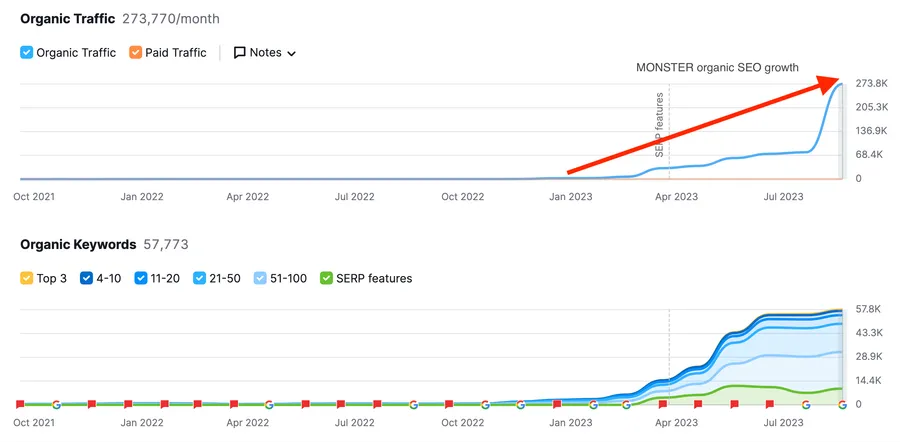
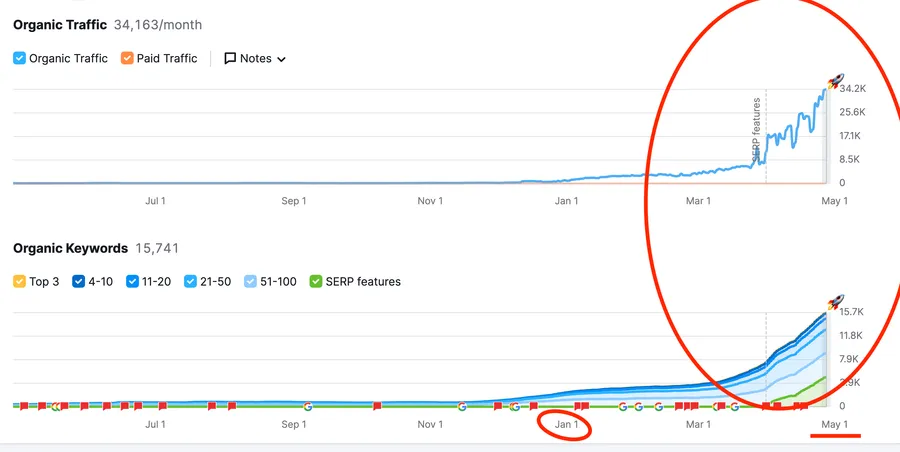
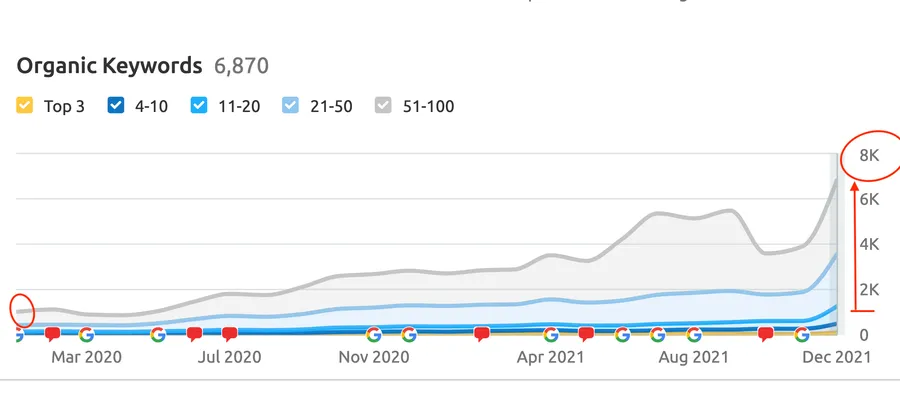
These pages become the primary ranking targets for discipline-specific searches. When optimised with relevant keywords, proper heading structure, internal links, and schema markup, they create multiple entry points to your website, each capturing a distinct segment of NDIS therapy search demand. This is how NDIS therapy SEO builds compounding returns over time, with each discipline page independently attracting organic traffic and generating enquiries for that specific service.
Capacity Building Funding and Content Strategy
NDIS therapy services fall under the Capacity Building budget category, specifically within the Improved Daily Living support class. Understanding this funding structure is important for SEO because it shapes how participants and their support networks search for and access therapy.
Capacity Building funds are allocated for specific purposes and cannot be redirected as flexibly as Core Supports funding. A participant with Improved Daily Living funding in their plan has been allocated therapy specifically, but they still choose which provider delivers it. This means your SEO content needs to explain how your therapy services align with Capacity Building funding, what participants can use this funding for, and how the process works from plan allocation through to service delivery.
Content that addresses common funding questions performs well for both SEO and conversion. Families frequently search for questions like how does NDIS therapy funding work, what does Improved Daily Living cover, and can I use my NDIS plan for occupational therapy. Pages that answer these questions clearly attract organic traffic from families in the research phase and position your practice as knowledgeable and transparent about the funding system. This educational content is a core component of effective NDIS therapy SEO because it captures searchers before they have chosen a provider and builds trust through practical helpfulness.
Early Intervention and the NDIS Early Childhood Approach
Early intervention therapy generates significant search demand from families concerned about their child's development. Under the NDIS Early Childhood Approach, children younger than nine can access early intervention supports including OT, speech pathology, physiotherapy, and psychology before or during their NDIS plan development.
Families searching for early intervention are often at the beginning of their NDIS journey. They may not understand the system yet, and their searches reflect this: early intervention therapy for toddlers, speech delay assessment, my child is not talking yet, and developmental delay help are common early-stage queries. These informational searches represent a valuable audience because families researching early intervention often become long-term therapy participants once their child enters the NDIS.
We build early intervention content that captures these searches and guides families through the process. Developmental milestone guides, signs-to-watch content for different age groups, and explanations of how early intervention therapy works under the NDIS all rank for high-volume informational searches while demonstrating clinical expertise. This content supports your SEO by establishing your practice as a trusted resource families return to when they are ready to book an assessment. It also supports broader marketing goals by attracting families who may need multiple therapy disciplines once their child enters the NDIS system.
School-Based Therapy and Therapy Assistants
School-based therapy delivery is a growing model for NDIS therapy providers, and it attracts its own search demand. Families and schools search for on-site therapy services that reduce the disruption of pulling children out of class for clinic appointments. Terms like NDIS school-based therapy, occupational therapy at school, and speech pathologist school visits represent a distinct keyword cluster.
Therapy assistants working under clinical supervision are increasingly common in NDIS therapy delivery, particularly for school-based and in-home programs. Content explaining how therapy assistants operate within your clinical framework, what qualifications they hold, and how clinical oversight works addresses a topic families often have questions about. This content ranks for searches about therapy assistant services while reassuring families about the clinical quality of the support their family member receives.
For SEO purposes, school-based therapy and therapy assistant content expands your keyword coverage into areas most NDIS therapy provider websites neglect entirely. Competitors without this content miss these searches, giving you an advantage in a content gap that is straightforward to fill with genuine, useful information about how these delivery models work within your practice. Building these pages is an important part of a comprehensive SEO strategy for NDIS therapy providers.
Clinic Versus Mobile and Telehealth SEO
NDIS therapy providers increasingly deliver services across multiple models: clinic-based sessions at fixed locations, mobile therapy delivered in participants' homes or schools, and telehealth consultations for families in regional areas or those who prefer online sessions. Each delivery model generates distinct search patterns.
Clinic-based searches are location-specific: NDIS OT Parramatta, speech pathologist clinic near me, or physiotherapy NDIS followed by a suburb name. Mobile therapy searches include modifiers like in-home, mobile, or visiting: NDIS mobile OT, in-home speech therapy, or visiting physiotherapist NDIS. Telehealth searches target families seeking remote access: NDIS telehealth therapy, online speech pathology NDIS, or telehealth occupational therapy.
We build separate content for each delivery model, ensuring your website ranks for searches regardless of how families prefer to access therapy. Clinic location pages target suburb-level searches around each practice location. Mobile therapy content targets the broader service areas your therapists travel to. Telehealth pages capture searches from families seeking online therapy, particularly in regional and remote areas where local options are limited. This multi-model approach helps you capture demand across every way families search for and access therapy services, regardless of whether they prefer clinic visits, home-based sessions, or online consultations.
Service Agreements, Progress Reporting, and Trust Content
NDIS therapy involves formal service agreements, regular progress reporting, and ongoing communication between therapists, families, support coordinators, and plan managers. Families navigating this for the first time often search for guidance on what to expect from the administrative side of NDIS services.
Educational content explaining what therapy service agreements involve, how progress reports work, what happens at plan reviews, and how families can communicate with their therapy team addresses questions that sit at the intersection of therapy services and NDIS administration. This content performs well for SEO because it targets searches most competitor websites ignore, and it performs well for conversion because it demonstrates transparency and professionalism.
Progress reporting content is particularly valuable. Families and coordinators searching for how NDIS therapy progress reports work or what should be in an NDIS therapy report are looking for providers who take reporting seriously. Content explaining your approach to progress measurement, goal tracking, and report preparation positions your practice as thorough and accountable, qualities that influence both families and the coordinators who recommend providers to participants.
Service agreement content deserves similar attention. Many families entering their first NDIS therapy arrangement do not understand what a service agreement covers, what their cancellation obligations are, or how pricing relates to the current NDIS Pricing Schedule. Educational content addressing these questions ranks for searches that competitors ignore while reducing the administrative friction your intake team experiences during onboarding. Families who arrive already understanding the basics convert faster and require less hand-holding through the enrolment process.
Measuring NDIS Therapy SEO Performance
NDIS therapy SEO performance should be measured by discipline, location, and delivery model. Aggregate traffic numbers hide the detail that matters: which therapy types are generating organic demand, which locations are growing, and whether your SEO is driving enquiries for services where you have clinical capacity.
Monthly reporting breaks down keyword rankings by therapy discipline, organic traffic to each service page and location page, and enquiry attribution from organic search. You see whether your OT page is ranking and converting, whether your speech pathology content is capturing local searches, and whether new early intervention content is attracting families in the research phase.
We also track how organic search aligns with your practice's capacity across disciplines. If your physiotherapy team has availability but your OT team is at capacity, SEO strategy can shift content and optimisation priority toward the disciplines where growth is both possible and desirable. This capacity-aware approach helps your SEO investment generate enquiries your practice can actually serve, rather than building demand you cannot fulfil. Competitive tracking monitors how other therapy providers in your areas rank and what content they publish, so your strategy adapts as the market shifts around you.
For practices expanding into new disciplines or opening additional clinic locations, performance data guides where to invest next. If your SEO is generating strong organic traffic for OT and speech but limited visibility for psychology, we prioritise psychology content to close that gap. This data-driven approach to expansion ensures every new discipline or location page builds on what your existing organic presence has established rather than starting from scratch.