

































What Pain Management Clinic Marketing Actually Involves
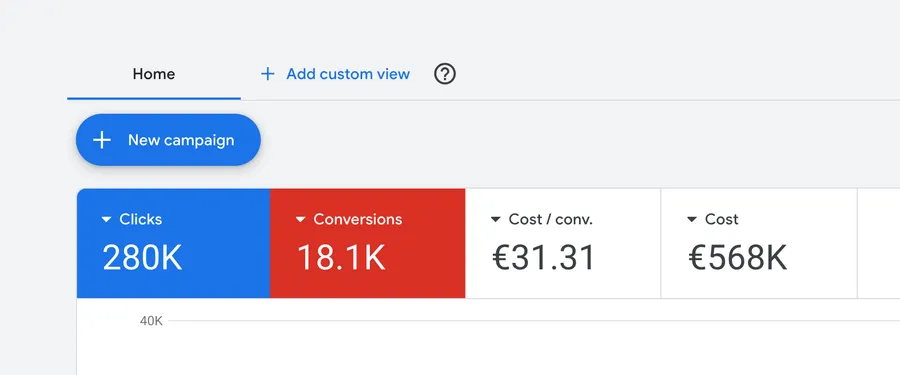
Pain management clinic marketing is the work of reaching two distinct audiences: patients who are actively searching for help with chronic or complex pain, and the GPs and specialists who refer those patients to you. For most Australian pain management clinics, that means SEO targeting condition-specific and procedure-specific searches, pain management Google Ads capturing high-intent queries from patients ready for specialist care, a website designed around patient psychology and the multidisciplinary model, pain management Facebook ads and Meta campaigns building awareness among chronic pain sufferers before they search, and referrer marketing that keeps your clinic front of mind with the practitioners who send you patients. We have spent over a decade marketing healthcare services, and we have learnt that pain management sits in its own category. The patient journey is longer, the scepticism runs deeper, and the messaging needs to be more careful than almost any other medical specialty.
The Exhausted Patient: Understanding Who You Are Marketing To
By the time a patient reaches a multidisciplinary pain clinic, they have usually been suffering for years. They have tried over-the-counter medications, physiotherapy, chiropractors, acupuncture, massage, TENS machines, dry needling, and various other treatments. Some have had surgery that did not resolve their pain. Many have seen multiple GPs and specialists. They may have spent thousands of dollars on treatments that made no lasting difference.
This history fundamentally shapes how they respond to marketing. They are deeply sceptical of promises. They have heard claims before and been disappointed. Generic pain relief messaging does not resonate because they have already tried the generic solutions. The patient who has tried everything is not looking for another promise. They are looking for evidence that you understand what they have been through and that your approach is genuinely different from what has already failed them.
Effective pain management marketing acknowledges this journey explicitly. It speaks to patients who have been let down rather than those encountering pain treatment for the first time. It offers hope while being honest about what comprehensive pain management can and cannot achieve. And it positions the biopsychosocial model of pain, the understanding that chronic pain involves physical, psychological, and social factors, as the reason your approach works when single-modality treatments have not.
Pain Management Google Ads: Capturing High-Intent Searches
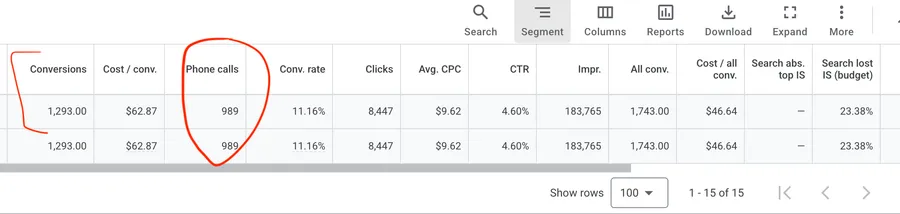
Pain management Google Ads target patients at the moment they are actively searching for specialist help. These are patients typing 'pain management specialist near me', 'chronic back pain treatment', 'nerve block for sciatica', or 'pain clinic that takes WorkCover'. The intent behind these searches is high, but the competitive environment is complicated. You are competing against physiotherapy clinics, chiropractors, acupuncture practitioners, supplement companies, and device manufacturers, all bidding on variations of the same pain-related keywords.
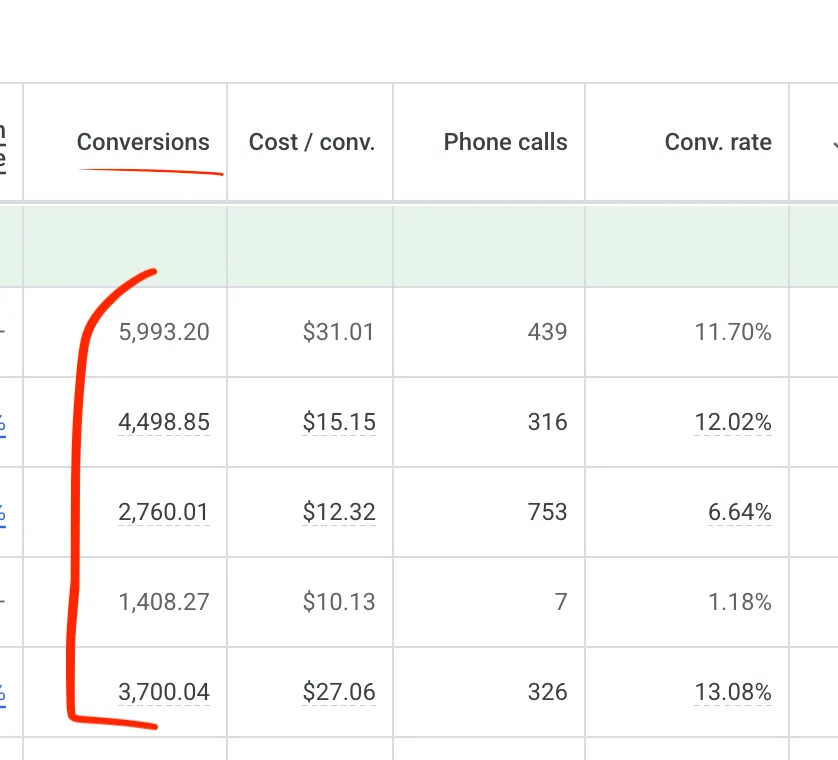
Our pain management Google Ads campaigns are built around the searches that indicate readiness for specialist care rather than general pain relief. We separate campaigns by intent level and condition type. A patient searching for 'radiofrequency ablation lower back' is a very different prospect from someone searching for 'back pain relief'. The first is likely already educated about interventional procedures and looking for a specialist to perform one. The second might be better served by a physiotherapist. Your ad spend should reflect this difference.
We also build campaigns targeting specific referral pathways. WorkCover patients searching for approved pain management providers. TAC patients looking for transport accident injury treatment. Post-surgical patients referred for pain management after operations that did not resolve their symptoms. Each pathway has different search behaviour, different compliance requirements, and different conversion expectations.
Pain Management Website Design: Converting Sceptical Visitors
Pain management website design has to solve a problem most healthcare websites do not face: your visitors do not trust you yet. They have been to other provider websites, booked appointments, and been disappointed. Your website needs to break through that scepticism before it can convert.
What makes pain management website design convert? First, clinical credibility communicated clearly. Your team page should show the full multidisciplinary team, including pain specialists, physiotherapists, psychologists, exercise physiologists, and occupational therapists, with their qualifications and areas of focus. Patients need to see that your clinic offers genuine breadth of expertise, not a single practitioner doing everything. Second, procedure and condition pages that go deep. Patients researching nerve blocks, epidural injections, radiofrequency ablation, spinal cord stimulators, or intrathecal pumps want detail. They want to understand what the procedure involves, who it is suitable for, what the evidence says, and what outcomes are realistic. Thin 150-word descriptions do not build the confidence needed to book with a new specialist. Third, clear pathways for different patient types. A WorkCover patient has different needs from a private patient. Someone referred by their GP for a pain management program has different questions from someone researching interventional options. Your website should guide each of these visitors to the right information without forcing them through a generic funnel.
Pain Management Facebook Ads and Social Campaigns
Pain management Facebook ads reach chronic pain sufferers earlier in their decision journey, before they have started searching for a specialist. Many people living with chronic pain have stopped actively looking for solutions. They have settled into a routine of managing as best they can, sceptical that anything new will help. Social advertising can interrupt that resignation with messaging that acknowledges their experience and introduces a different approach.
Meta campaigns for pain management work best when they speak directly to the lived experience of chronic pain. The sleep disruption. The inability to work or exercise. The frustration of being told 'the scans look normal' when the pain is very real. The isolation that comes from a condition other people cannot see. This is not fear-based marketing. It is recognition-based marketing that helps patients see themselves in your messaging and consider that a multidisciplinary approach might offer what single-modality treatments could not.
We also use Facebook and Instagram to promote pain management programs, the structured multi-week programs that many clinics offer. Private health cover or compensation schemes can make them accessible, but many patients do not know they exist. Social campaigns are effective at building awareness of these programs among patients who would benefit from them but have never heard of the format.
SEO for Pain Management: Ranking for Conditions and Procedures
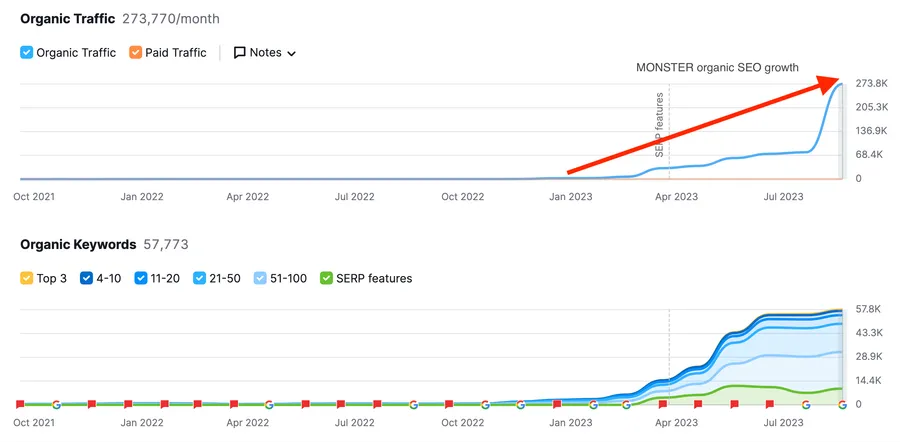
Pain management SEO targets the condition-specific and procedure-specific searches that bring patients to your website organically. The keyword market is different from most medical specialties. Patients search by condition (chronic back pain, neuropathic pain, fibromyalgia, complex regional pain syndrome, post-surgical pain), by procedure (nerve block, epidural injection, radiofrequency ablation, spinal cord stimulation), and by pathway (WorkCover pain management, TAC approved pain specialist, pain management program near me).
Our SEO programs for pain clinics build content depth across all three categories. Condition pages that explain each pain type in language patients understand, covering causes, diagnostic approaches, and treatment options including when a multidisciplinary approach is appropriate. Procedure pages that detail what each intervention involves, who it is suitable for, and what the evidence base supports. Pathway pages that explain the referral process, what patients need from their GP, and how WorkCover or TAC claims work in the context of pain management.
Local SEO matters too. Most patients search for pain management within their region. Your Google Business Profile needs to be optimised for pain-related searches, your clinic listed correctly across healthcare directories, and suburb-specific pages built for the areas you serve. Pain management clinics often draw from wider catchments than general practice, as patients will travel further for specialist care, but the local foundations still need to be right.
The Referral Pathway: Marketing to GPs and Specialists
Most pain management clinics receive a significant proportion of their patients through GP and specialist referrals. A GP recognises that a patient needs more than standard care. A surgeon determines that a patient is not a surgical candidate but needs ongoing pain management. A rheumatologist refers complex cases beyond their scope. An orthopaedic surgeon sends post-operative patients whose pain has not resolved.
These referral relationships directly impact your practice growth, and they require their own marketing strategy. GPs need to know you exist, understand your approach, trust your clinical quality, and remember you when they have a patient who needs help. That means referrer newsletters that update GPs on your services and team, making the referral process as frictionless as possible with clear referral pathways and rapid communication back to the referring practitioner, and building a reputation for excellent discharge summaries and ongoing communication.
We help pain clinics develop and maintain these professional relationships through targeted B2B marketing. This sits alongside patient-facing campaigns as a parallel growth channel and is often the higher-return investment for clinics with capacity to take on more referred patients.
Communicating the Multidisciplinary Model
Modern pain management is built on the biopsychosocial model. Interventional procedures address physical sources of pain. Pain psychology helps patients develop coping strategies, address the anxiety and depression that chronic pain often brings, and reduce the fear-avoidance behaviours that maintain disability. Physiotherapy and exercise physiology rebuild physical capacity and function. Occupational therapy helps patients return to work and daily activities. Medication management provides pharmacological support where appropriate, increasingly moving away from opioid-dependent models toward evidence-based alternatives.
This multidisciplinary approach is your competitive advantage, but only if patients understand why it matters. Many are looking for a single procedure or prescription that solves everything. Your marketing needs to educate them about why multidisciplinary care produces better outcomes for chronic pain than any single treatment, and it needs to do this without sounding like a lecture. The opioid reduction movement gives you a positioning opportunity here. Clinics that actively communicate their commitment to comprehensive, evidence-based care that goes beyond medication are positioning themselves on the right side of a major shift in how pain is treated in Australia.
Why Generalist Agencies Fail Pain Management Clinics
Pain management marketing fails when it is treated like general healthcare marketing. The problems we see from generalist agencies are consistent: generic 'pain relief' messaging that does not acknowledge the chronic pain journey, no understanding of the referral pathway and its importance to clinic growth, zero awareness of the distinction between acute and chronic pain audiences, no strategy for WorkCover or TAC patient acquisition, website copy that reads like a brochure rather than speaking to sceptical patients, and campaigns that attract patients looking for a quick fix rather than those ready for comprehensive care.
The fix is not just better execution. It is bringing genuine understanding of how pain management works in Australia: the multidisciplinary model, the referral pathways, the patient psychology, the compliance requirements, and the clinical reality that pain management is about improving function and quality of life rather than promising pain elimination. That understanding shapes every campaign, every landing page, and every piece of content we produce for pain management clients.