









Industries

SEO for Pain Management Clinics

Pain Management SEO Built for Australian Clinics

Chronic pain patients search differently from other healthcare audiences. They have tried multiple treatments, seen several specialists, and are looking for evidence that your approach is genuinely different. With a decade of healthcare SEO experience, we build pain clinic SEO strategies that rank for condition-specific searches, communicate your multidisciplinary model, and attract patients ready for comprehensive care.

Condition-specific SEO for chronic pain presentations
Multidisciplinary model content strategy
AHPRA-compliant treatment outcome messaging

Trusted by 100+ Australian and Global businesses in healthcare

MiXray Cannon Hill
Optiplex Children's
Better Rehab
Health Care Providers Association
HotDoc
XR Health

Our Director Has Been Seen On

Healthcare SEO Specialists

Why Pain Clinics Need SEO That Understands Them

Pain management SEO demands understanding of chronic pain patient psychology, multidisciplinary care models, referral pathway dynamics, and treatment outcome messaging that stays within AHPRA guidelines.

Condition-Specific Content

Chronic pain patients search by condition: back pain, neuropathic pain, fibromyalgia, CRPS, chronic headaches, post-surgical pain. We build in-depth condition pages that acknowledge the patient journey and explain how multidisciplinary care addresses what single treatments could not.

Treatment and Procedure Pages

Interventional procedures drive high-value searches. Dedicated pages for nerve blocks, epidural injections, radiofrequency ablation, spinal cord stimulation, and multidisciplinary pain programs capture patients who have already researched their options and are seeking specialist care.

Multidisciplinary Model Communication

The biopsychosocial model of pain management is your competitive advantage. We build content that explains why combining interventional procedures, pain psychology, physiotherapy, and exercise physiology produces outcomes that single-modality treatments cannot match.

Referral Pathway SEO

GP and specialist referrals drive significant patient volume for pain clinics. Content targeting referral-related searches, explaining the referral process, and demonstrating your clinical capabilities helps referred patients find you while strengthening relationships with referring practitioners.

WorkCover and DVA Content

WorkCover and DVA patients search for approved pain management providers specifically. We build landing pages and content targeting these pathways, explaining eligibility, the claims process, and what treatment is available through funded care.

AHPRA-Compliant Outcome Messaging

Pain management content requires particular care with treatment outcome claims. We create content that communicates realistic expectations around function improvement and quality of life without making unsupportable promises about pain elimination or specific results.

Local Search Visibility

Pain patients search within their region for specialist care. We optimise your Google Business Profile, build local citations, and create location-specific content that helps your clinic appear in local searches for pain management across your catchment area.

Pain Psychology Content

The psychological component of chronic pain management is often misunderstood by patients. Content explaining pain psychology, cognitive behavioural approaches, and the role of psychological support in comprehensive pain care educates patients while building search visibility for related terms.

Measurable Organic Growth

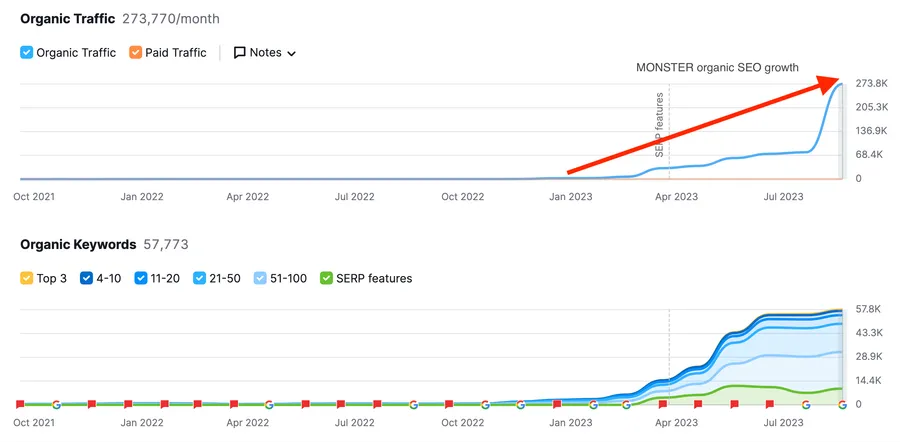
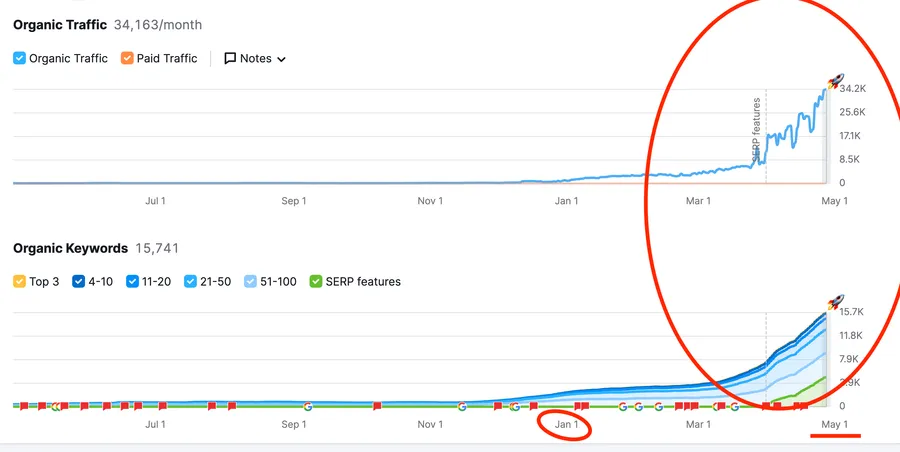
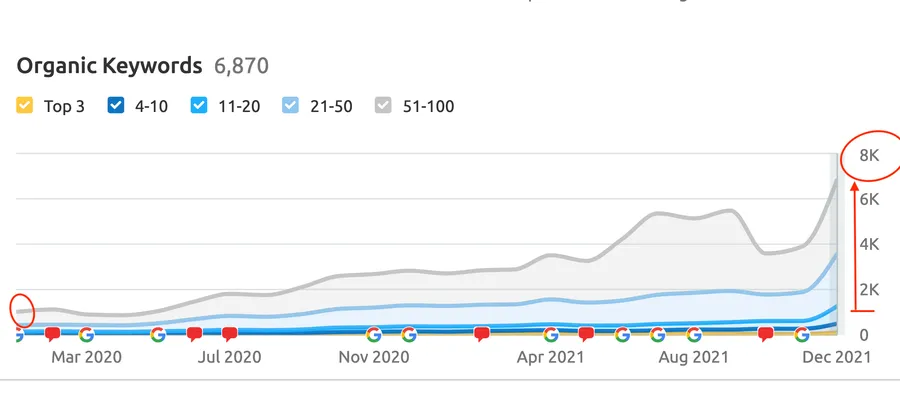
Monthly reporting tracks keyword rankings by condition and treatment type, organic traffic trends, and patient enquiry attribution from organic search. You see which conditions and procedures drive the strongest organic growth and where content opportunities remain.

How We Work

How We Deliver

A structured SEO process designed for pain management clinics serving chronic pain patients through multidisciplinary care and interventional procedures.

1

Pain Clinic SEO Audit

Comprehensive audit covering your website's technical health, existing condition and treatment content, local SEO presence, Google Business Profile, competitor landscape, and current rankings across pain management searches in your market.

2

Condition and Treatment Keyword Research

Keyword research organised by chronic pain condition, treatment type, and referral pathway. Each area gets its own keyword map with search volume, competition, patient intent indicators, and priority ranking based on clinical capacity and commercial value.

3

Content Strategy and Creation

Development of condition pages, procedure guides, pain program content, referral pathway information, and patient education resources. All content addresses chronic pain patient psychology while meeting AHPRA requirements for treatment outcome messaging.

4

On-Page and Local SEO Implementation

Optimisation of existing pages, internal linking between related conditions and treatments, schema markup for medical content, Google Business Profile optimisation, and local citation building across healthcare directories in your area.

5

Ongoing Optimisation and Reporting

Monthly performance tracking across conditions and treatments with rankings, organic traffic, and enquiry attribution. Continuous content updates, new condition targeting, and technical maintenance to sustain and grow organic visibility over time.

The Complete Guide

What Makes Pain Management SEO Different

Pain management SEO requires understanding chronic pain patient psychology, multidisciplinary care models, referral dynamics, and AHPRA-compliant outcome messaging.

The Chronic Pain Patient Search Journey

Pain management SEO starts with understanding how chronic pain patients search. They do not begin by looking for a pain management clinic. They begin by searching for their condition. 'Chronic lower back pain treatment.' 'Why does my nerve pain not go away.' 'Fibromyalgia specialist near me.' 'CRPS treatment options Australia.' These are patients who have been living with pain for months or years and have exhausted the obvious options. They have tried over-the-counter medications, physiotherapy, chiropractic care, and various complementary therapies. Many have seen multiple GPs and specialists without lasting improvement.

This search behaviour shapes the entire SEO strategy. Your website needs to capture these condition-specific searches with content that immediately demonstrates understanding of the patient's experience. A page about chronic back pain that reads like a textbook introduction fails because these patients already know the basics. What they need to see is evidence that your clinic understands why previous treatments have not worked and how a multidisciplinary approach addresses chronic pain differently from the single-modality treatments they have already tried. This depth of understanding is what separates effective pain clinic seo from generic healthcare content.

The second layer of searches comes from patients who have progressed further in their research. They search for specific procedures: nerve blocks, radiofrequency ablation, spinal cord stimulation, ketamine infusions, pain management programs. These patients are more educated about their options and are comparing providers based on clinical capability, team composition, and evidence-based approaches. Capturing this search traffic requires detailed procedure content with enough clinical authority to build confidence in a patient who has already been disappointed by previous treatments.

Condition Pages That Speak to Exhausted Patients

The most important content on a pain management clinic website is the condition pages. Back pain, neuropathic pain, fibromyalgia, complex regional pain syndrome, chronic headaches and migraines, pelvic pain, post-surgical pain: each condition has its own search landscape and its own patient psychology. A patient searching for fibromyalgia treatment has different concerns from one searching for CRPS management, even though both are dealing with chronic pain.

Effective condition pages for seo for pain clinics acknowledge what the patient has already been through. They validate the experience of living with pain that has not responded to standard treatments. They explain the biopsychosocial model of chronic pain in language that does not sound like a lecture. And they present the multidisciplinary approach as a logical next step for someone who has exhausted single-treatment options. This is not about emotional manipulation. It is about meeting patients where they are with honesty about what comprehensive pain management involves and what it can realistically achieve.

Each condition page also needs to cover the diagnostic pathway, treatment options available at your clinic, how the multidisciplinary team works together for that specific condition, and what a first consultation involves. We build these pages with enough clinical depth to satisfy both patient research needs and Google's E-E-A-T requirements for medical content. The result is content that ranks for condition-specific searches while building the trust needed to convert a sceptical chronic pain patient into a consultation booking.

Content depth matters more for pain management than for most other healthcare specialties. A 300-word page about back pain might suffice for a general practice website, but for a pain management clinic it falls completely flat. Chronic pain patients have already read the generic content. They need to see evidence that you understand the complexity of their specific condition, the limitations of the treatments they have already tried, and the clinical reasoning behind a multidisciplinary approach. This depth of content is also what Google's E-E-A-T framework rewards in medical search results.

Treatment and Procedure SEO

Interventional pain procedures represent some of the highest-value search opportunities for pain management clinics. Patients searching for nerve blocks, epidural steroid injections, radiofrequency ablation, spinal cord stimulation, or intrathecal pump therapy have typically progressed beyond conservative management and are actively seeking specialist intervention. These searches indicate strong intent and represent high-value consultations.

We build dedicated procedure pages for each interventional treatment your clinic offers. Each page explains what the procedure involves in accessible language, which conditions it treats, what the evidence base supports, what patients can expect during and after the procedure, and how it fits within a broader pain management strategy. The content needs to be detailed enough to build confidence but careful enough to avoid the outcome claims that AHPRA restricts. Pain specialist seo for interventional procedures is about demonstrating clinical capability and evidence-based practice, not promising results.

Multidisciplinary pain programs also warrant dedicated content. These structured programs combining medical management, psychology, physiotherapy, and exercise physiology are often partially Medicare-funded, making them accessible to a broad patient base. Yet many patients have never heard of this format. SEO content that explains what a pain management program involves, how it differs from individual treatments, and what the evidence says about structured multidisciplinary care captures patients who would benefit from these programs but do not know they exist.

The opioid reduction conversation creates an additional opportunity for pain management SEO. Clinics that communicate their commitment to comprehensive, evidence-based care that goes beyond medication prescription are positioning themselves on the right side of a major shift in how chronic pain is treated in Australia. Content addressing medication management, tapering support, and non-pharmacological alternatives captures a growing search audience and positions your clinic as a responsible, forward-thinking pain management service.

Referral Pathway and Funding Content

Pain management clinics receive a significant proportion of patients through GP and specialist referrals. A GP recognises that a patient's chronic pain needs specialist assessment. An orthopaedic surgeon determines that surgery is not indicated but ongoing pain management is needed. A rheumatologist refers complex cases beyond their scope. These referral relationships are critical to clinic growth, and SEO supports them in two ways.

First, referred patients research your clinic online before their appointment. A GP refers a patient to your clinic, and the patient immediately searches your practice name to learn about your team, approach, and capabilities. Content that speaks to referred patients, explaining what the first appointment involves, who they will see, and how the referral process works, converts these research visits into patients who arrive informed and confident in their referral. Chronic pain clinic seo should account for this referral research behaviour.

Second, content targeting funding pathways captures a distinct search audience. WorkCover patients searching for approved pain management providers. DVA-eligible veterans seeking pain specialist services. Patients looking for information about Medicare specialist rebates for pain management consultations. TAC patients in Victoria seeking approved pain clinics. Each of these pathways has its own search terms, eligibility requirements, and patient needs. We build landing pages for each pathway that explain eligibility, the claims or referral process, and what treatment is available, capturing pathway-specific searches that many pain clinics overlook.

Medicare specialist rebate content deserves particular attention. Many chronic pain patients do not realise they can receive partial rebates for pain medicine specialist consultations, psychology sessions, and physiotherapy as part of a chronic disease management plan. Content explaining how these rebates work, what is required from their GP, and how to access funded multidisciplinary care captures a substantial volume of searches from patients who want comprehensive pain management but are concerned about cost. This kind of practical, pathway-specific content performs well in search and converts strongly because it removes a genuine barrier to care.

The Multidisciplinary Advantage in Content

Modern pain management is built on the understanding that chronic pain involves physical, psychological, and social factors. The biopsychosocial model is the foundation of evidence-based pain management, and it is also your strongest positioning tool in organic search. Single-modality providers, whether physiotherapists, chiropractors, or standalone injection clinics, cannot match the depth of a multidisciplinary pain management service.

We build content strategies that communicate this multidisciplinary advantage throughout your site. Team pages that introduce the full clinical team: pain medicine specialists, pain psychologists, physiotherapists, exercise physiologists, occupational therapists, and clinical nurses. Content explaining how each discipline contributes to a comprehensive pain management plan. Case pathway descriptions showing how a patient moves through different treatment modalities based on their specific needs and progress. This content builds E-E-A-T signals by demonstrating genuine clinical depth while helping patients understand why your approach differs from the single-treatment options they have already tried.

Pain psychology content deserves specific attention. Many chronic pain patients are initially resistant to the psychological component of their care, interpreting it as a suggestion that their pain is 'all in their head'. Content that explains pain neuroscience, the role of the central nervous system in chronic pain amplification, and how cognitive behavioural approaches improve function and quality of life addresses this resistance while building search visibility for pain psychology-related terms. This kind of patient education content captures informational searches and builds trust before consultation.

Local SEO for Pain Management Clinics

Pain management patients search within their region, though they typically draw from wider catchments than general practice because specialist pain services are less common. Your Google Business Profile needs to be optimised for pain management categories, with complete service listings, regular posts, and active review management. Local citations across healthcare directories need to be consistent. And suburb-specific content helps you rank in the geographic areas you serve.

We manage local SEO for pain clinics alongside the condition and treatment content strategy. Your Google Business Profile is often the first thing a patient sees after searching for pain management in their area, and it needs to communicate your multidisciplinary approach and specialist credentials immediately. Review management is particularly important for pain clinics because patient reviews that describe genuine improvement after long-suffering carry significant weight with prospective patients who are deciding whether to try yet another provider. Pain management marketing through local channels reinforces the organic content strategy.

For clinics serving multiple locations or offering both private and hospital-based pain services, local SEO requires location-specific strategies. Each location needs its own Google Business Profile, consistent citation information across directories, and location-specific content on your website that reinforces geographic relevance. Patients searching for pain management in a specific suburb or region need to find your closest service point quickly and clearly.

Content Voice for Sceptical Patients

The content voice for pain management SEO matters more than in almost any other healthcare specialty. Chronic pain patients have heard promises before. They have been told treatments would fix them. They have spent money on solutions that did not work. They approach new providers with a mix of hope and deep scepticism, and your content needs to meet that emotional reality.

We write pain management content that focuses on function over cure. Improved sleep quality. The ability to return to work or participate in activities that matter. Reduced reliance on medication. Better understanding of pain mechanisms and self-management strategies. These are meaningful, realistic outcomes that resonate with patients who have given up on the promise of being pain-free. This messaging approach also keeps content within AHPRA guidelines by avoiding absolute outcome claims while still giving patients genuine reasons to pursue comprehensive care. Effective pain management seo combines clinical authority with the kind of honest, empathetic communication that chronic pain patients respond to.

Measuring Pain Clinic SEO Performance

Pain management SEO should be measured by patient enquiries and consultation bookings, not just rankings and traffic. A page that ranks for a chronic pain keyword but attracts patients outside your catchment area or service capability generates clicks without clinical value. We track pain clinic seo performance across multiple layers to ensure organic search is delivering the patients your clinic can actually serve.

Keyword rankings by condition and treatment type show whether your visibility is growing for the searches that matter. Organic traffic segmented by condition, procedure, and funding pathway shows whether that visibility is reaching the right patient groups. Conversion tracking through call recording, form submission attribution, and booking system integration connects organic visits to actual patient enquiries. Monthly reporting presents this data in formats designed for clinicians and practice managers, showing which conditions drive the strongest organic growth, which treatment pages convert at the highest rates, and where content gaps represent opportunities to capture untapped search demand. This measurement-driven approach ensures your chronic pain clinic seo investment delivers measurable returns in patient volume and practice growth.

Client Results

Trusted by healthcare leaders

Medical practices across Australia share how they transformed patient acquisition with AHPRA-compliant marketing that delivers measurable outcomes.

"Casey and his team have been a true partner, helping to grow the business through successful campaigns. Casey shows high levels of expertise and we've been lucky to have him on board as the 'Marketing Engine'."
"We went from 350 to 6,500 patients in under 15 months. Admin load cut by over 90% and patient retention jumped by more than 450%."
"They have single-handedly grown my business. We're now turning away $60,000 every week in organic leads. Because, we just don't have the capacity."
"Since going with Casey and his team, we have had nothing but wins. They've got awesome results with low lead costs and have taken the time to really understand our business."
"If you're looking for a highly experienced, knowledgeable and ideas-driven marketing agency, look no further. He's helped transform our business from a fairly humble start-up to a fast growing service provider."
"Super impressed with his promptness, communication, professionalism, and knowledge of the full suite of digital marketing. You and your team are second to none!"
"As an experienced health professional I am a hard sceptic. Casey and his team over delivered on my project with an A+ website design having actively listened to every point I was seeking."
"Working with Casey and his team was nothing short of exceptional. The final product exceeded all expectations, both visually and functionally. It was a seamless experience from start to finish."
"Casey and his team were an absolute lifesaver. They understood exactly what our vision and goals were and did not fall short of delivering an exceptional piece of work."
"The communication was quick, clear and easily understandable. They balance patience and efficiency really well, resulting in a superb end product. Highly recommended."
"Casey was so empathetic and patient in listening to my ideas. He goes above and beyond. If you want a marketing agency that REALLY wants to help you grow your business, pick Casey and his team."
"Excellent company to deal with and their web design is incredible. Would use them again and again."

Marketing Manager

National Allied Health Clinic

Complete Pain Management SEO

Everything Covered in Pain Management SEO

From condition-specific content development to referral pathway optimisation and local search visibility, comprehensive SEO management for pain management clinics.

Chronic Pain Condition Pages

In-depth pages for every chronic pain condition your clinic treats, including back pain, neuropathic pain, fibromyalgia, CRPS, chronic headaches, and post-surgical pain. Content that acknowledges the patient journey and explains your approach.

Interventional Procedure Content

Dedicated pages for nerve blocks, epidural injections, radiofrequency ablation, spinal cord stimulation, intrathecal pumps, and other interventional procedures. Clinical depth that builds credibility with educated, sceptical patients.

Google Business Profile Management

Optimisation and ongoing management of your Google Business Profile including pain management categories, regular posts, Q&A management, and review response strategy to build local visibility for pain clinic searches.

Pain Program Marketing Content

Content for multidisciplinary pain programs explaining the format, team involvement, Medicare rebate eligibility, expected commitment, and realistic outcomes. Many patients search for structured programs without knowing the clinical term.

Technical SEO Maintenance

Ongoing technical health management including page speed optimisation, mobile performance, crawl error resolution, medical content schema markup, and site architecture improvements that support your content strategy.

Patient Education Resources

Educational content explaining chronic pain mechanisms, the biopsychosocial model, medication management approaches, and self-management strategies. These resources capture informational searches and build patient trust before consultation.

Referral and Funding Pathway Pages

Content explaining GP referral requirements, WorkCover eligibility, DVA pathways, and Medicare specialist rebates for pain management services. These pages capture pathway-specific searches and reduce friction for referred patients.

Monthly SEO Reporting

Clear monthly reports showing keyword rankings by condition and treatment type, organic traffic trends, and patient enquiry attribution from organic search. Reporting designed for clinicians and practice managers focused on growth.

Common Questions

Pain Management SEO
Answered

What pain management clinicians and practice managers ask us most about search engine optimisation for pain clinic websites.

Pain management SEO targets a patient audience that has typically tried multiple treatments without lasting improvement. Content needs to acknowledge this journey, communicate the multidisciplinary model effectively, and set realistic expectations about function improvement rather than pain elimination. The keyword landscape spans conditions, procedures, and funding pathways, each requiring different content approaches.

Most pain management clinics see measurable improvements in condition-specific and procedure-specific rankings within 3 to 6 months. Significant growth in organic patient enquiries typically occurs over 6 to 12 months as condition pages, procedure content, and local signals build authority. Less competitive terms and specific funding pathway searches can show results earlier.

Yes. Content demonstrating your clinical capabilities, team composition, and multidisciplinary approach is visible to GPs who research pain management providers before referring patients. When your clinic ranks prominently for condition-specific and procedure-specific searches, it reinforces the credibility that encourages referrals from practitioners across your region.

All content focuses on realistic expectations around improved function and quality of life rather than pain elimination or specific outcome guarantees. This approach meets AHPRA advertising requirements while resonating with chronic pain patients who respond to honest messaging about what comprehensive care can achieve rather than unrealistic promises.

Yes. We build dedicated condition pages for back pain, neuropathic pain, fibromyalgia, CRPS, chronic headaches, post-surgical pain, and other presentations your clinic treats. Each page targets condition-specific searches with content that demonstrates your clinical understanding and explains how your multidisciplinary approach addresses that specific condition.

We build dedicated landing pages for WorkCover, DVA, TAC, and other funded care pathways. These pages explain eligibility requirements, the referral and claims process, and what treatment is available through each pathway. They capture pathway-specific searches from patients who need funded pain management services and are looking for approved providers.

Yes. Pain psychology content serves multiple purposes. It educates patients about the central nervous system's role in chronic pain, addresses resistance to the psychological component of care, and captures searches from patients researching pain neuroscience and cognitive behavioural approaches. This content builds E-E-A-T signals while supporting patient education.

Monthly reports cover keyword rankings organised by condition and treatment type, organic traffic trends segmented by content category, and patient enquiry attribution from organic search. Reports show which conditions and procedures drive the strongest organic growth and where content gaps represent opportunities for your clinic.

They serve different functions and work together effectively. Google Ads delivers immediate visibility for high-intent searches from patients actively seeking pain management care. SEO builds long-term organic traffic across conditions, procedures, and pathways without per-click costs. Most pain clinics benefit from both, using ads for immediate patient acquisition while building organic presence.

We build detailed procedure pages for nerve blocks, epidural injections, radiofrequency ablation, spinal cord stimulation, and other interventional treatments. Each page explains what the procedure involves, which conditions it addresses, what the evidence supports, and what patients can expect. Content is clinically detailed while remaining accessible and AHPRA-compliant.

Yes. Many patients do not know that structured multidisciplinary pain programs exist or that they may be partially Medicare-funded. SEO content explaining program structure, team involvement, expected commitment, eligibility criteria, and how programs differ from individual treatments captures patients who would benefit from this format but have never encountered it in their search for help.

Still have questions? We're here to help.

Book a free strategy call
Ready to Grow Organic Traffic?

Got 20 Minutes to Talk

Join the 100+ healthcare organisations our team has helped grow. Let us discuss how a structured SEO strategy can help your pain management clinic reach chronic pain patients searching for comprehensive care.

Ready to Grow Your Practice?

Book a free strategy session with Australia's healthcare marketing specialists. No obligations, just actionable insights for your practice.