

































The Grey Market Problem
Your prospective patients are weighing their options. They can order peptides online from unregulated sources. No prescription needed. No medical assessment. Often cheaper upfront. This is the competitive reality peptide clinics operate in, and it shapes every aspect of your peptide clinic marketing strategy.
But here is what those grey market sources cannot offer: a proper medical assessment before anything is prescribed. Dispensing through an Australian pharmacy. Medical supervision during treatment. Ongoing monitoring and dosage adjustment. Clinical expertise when something does not go as expected. A regulated practitioner who is accountable under Australian medical law.
The patients who choose your clinic understand the value of legitimate medical care. They want proper treatment, not guesswork. Your marketing needs to reach these patients and make the case for why medical oversight matters, without being condescending about it. That requires a marketing partner who understands TGA compliance, platform advertising restrictions, and the specific patient psychology driving this market.
Peptide Clinic SEO: Your Most Valuable Channel
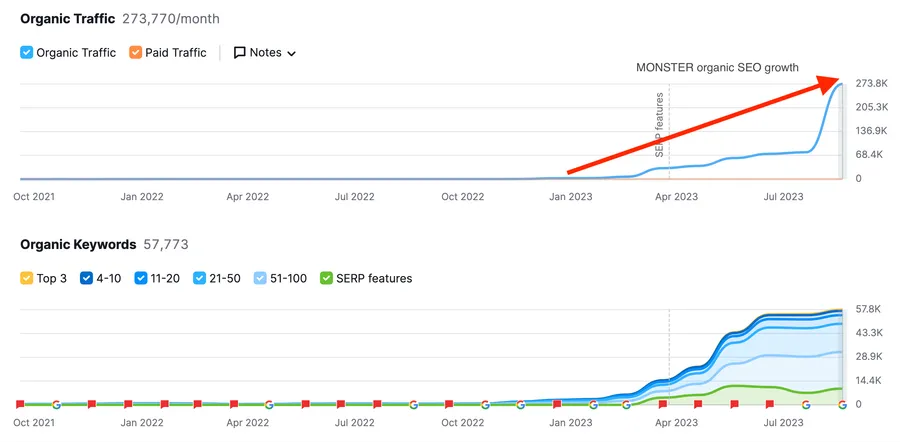
Peptide clinic SEO is the single most important marketing channel for most peptide therapy practices in Australia. When paid advertising faces restrictions at every turn, organic search becomes the primary way patients find legitimate clinics. Patients researching peptide therapy are thorough. They read. They compare. They spend time evaluating whether a clinic is legitimate before they pick up the phone. Your organic content is what they find during that research phase, and it determines whether they enquire with you or move on.
The keyword landscape for peptide clinic SEO is different from most medical specialties. Patients search in stages. Early-stage searches are broad: what are peptides, peptide therapy benefits, are peptides safe. These are information-gathering queries from patients who have heard about peptide treatments and want to understand more. Mid-stage searches become specific: peptide clinic near me, peptide therapy doctor, legitimate peptide treatment Australia. These patients have decided they want proper medical care and are now looking for providers. Late-stage searches are transactional: book peptide consultation, peptide clinic appointment, peptide therapy cost.
Effective peptide clinic SEO targets all three stages. Educational content captures early-stage researchers and positions your clinic as a knowledgeable, trustworthy source. Location-specific and service pages rank for mid-stage searches when patients are actively comparing clinics. And conversion-optimised landing pages capture the late-stage patients ready to book. The clinics that only target transactional keywords miss the larger pool of patients still forming their opinions about where to seek treatment.
Content depth matters more in this space than almost any other medical niche. Thin pages with a paragraph about your services do not rank, and they do not build the trust that converts researchers into patients. Your SEO content needs to demonstrate genuine clinical understanding, answer the questions patients are actually asking, and do so within TGA advertising requirements. That last point is where most SEO agencies fail. They produce content that reads well but crosses regulatory lines because they do not understand that peptides are therapeutic goods and the usual content marketing playbook does not apply unchanged.
Peptide Clinic Google Ads: Compliance as a Competitive Moat
Peptide clinic Google Ads can work, but the rules are strict. Google's advertising policies around pharmaceutical and healthcare products create a minefield for clinics that do not know the rules. Ads get rejected. Accounts get flagged. In the worst cases, accounts get suspended entirely, and rebuilding from a suspension is significantly harder than getting it right the first time.
The compliance challenge with peptide clinic Google Ads is actually your advantage if you approach it correctly. Most of your competitors, particularly the grey market operators, cannot advertise on Google at all. They either get rejected immediately or get caught eventually. Legitimate clinics that build campaigns within both Google's healthcare advertising policies and TGA requirements have a cleaner playing field than you might expect.
We structure peptide clinic Google Ads campaigns around your consultation services, not around specific products or therapeutic claims. Ad copy emphasises your medical credentials, your clinical processes, and the value of proper medical supervision. Landing pages are designed to satisfy Google's review process while converting visitors into consultation bookings.
Campaign structure matters. We segment campaigns by patient intent and service type. Patients searching for peptide consultations need different messaging than those searching for specific treatment information. Geographic targeting focuses spend on your actual service area. And bid strategy balances visibility with cost efficiency, because the cost per click in healthcare advertising demands that every click has a realistic chance of converting.
For clinics whose ads already hold strong positions, protection is the priority. We monitor quality scores, refine landing pages, adjust bids against competitive pressure, and test ad copy variations that maintain compliance while improving click-through rates. Losing a top position in this space is expensive because regaining it means re-establishing trust with both Google's review systems and the algorithm's quality assessments.
Peptide Clinic Website Design: Building Medical Legitimacy Online
Peptide clinic website design is where the battle against grey market perception is won or lost. A patient lands on your site and makes a judgement within seconds: does this look like a real medical practice, or does it look like another online peptide shop? That judgement determines whether they stay, explore, and enquire, or leave and try the next result.
Effective peptide clinic website design communicates medical legitimacy at every touchpoint. Your practitioners' qualifications are prominent, not buried on an about page. Your clinical processes are explained clearly, showing patients what a proper consultation involves: medical history review, pathology assessment, suitability evaluation, and ongoing monitoring. Your physical clinic locations, if applicable, are featured with professional imagery that reinforces you are a real medical practice with real practitioners.
The design itself needs to feel clinical and professional without being cold. Grey market websites tend toward slick, supplement-brand aesthetics. Your site should look and feel like healthcare because that is what you provide. Clean layouts, professional photography, clear navigation pathways from research through to booking, and mobile-first design that works on the devices your patients actually use.
TGA compliance shapes website content fundamentally. You cannot make certain therapeutic claims. You cannot advertise specific products directly to consumers. Your website needs to communicate the value of your services, explain your clinical approach, and build trust, all without crossing lines that put your practice at regulatory risk. We design peptide clinic websites that achieve this balance because we understand where those lines are and how to communicate powerfully within them.
Conversion architecture is critical. Every page should have a clear pathway to booking a consultation. Contact forms, click-to-call functionality, and online booking integrations need to work seamlessly. Patients who have decided they want legitimate medical care should never struggle to take the next step. We design patient journeys that reduce friction between the moment a visitor decides your clinic is trustworthy and the moment they submit an enquiry.
Peptide Clinic Facebook Ads: Working Within Meta's Restrictions
Peptide clinic Facebook ads and broader Meta campaigns operate under a double layer of restriction: TGA advertising requirements and Meta's own platform policies around healthcare and pharmaceutical content. This combination causes most agencies to either avoid Meta entirely for peptide clinics or stumble through ad rejections until they give up. Neither outcome serves your practice.
We have developed tested messaging frameworks for peptide clinic Facebook ads that navigate both regulatory layers. The approach centres on your clinical expertise and consultation services rather than specific treatments or products. Educational content about the importance of medical supervision, the difference between legitimate clinical care and unregulated sources, and the value of proper assessment performs well on Meta platforms without triggering policy violations.
Targeting on Meta is particularly valuable for peptide clinics because it reaches patients earlier in their decision-making process than search advertising. A patient who sees your Facebook ad may not have started actively searching for a peptide clinic yet. They may be in the awareness phase, just beginning to consider whether peptide therapy might be relevant to them. By reaching these patients early with authoritative, educational content, you position your clinic as the trusted option before they start comparing providers.
Creative formats that work within platform policies include practitioner-led video content explaining your clinical approach, educational carousel posts about the consultation process, and patient journey content that illustrates what proper medical care looks like without making testimonial claims. Each format builds credibility and differentiates your clinic from the grey market without violating platform rules or TGA requirements.
Content Marketing for Regulated Peptide Services
Content marketing is the backbone of patient acquisition for peptide clinics operating in a restricted advertising environment. When you cannot say certain things in paid advertising, your organic content carries the burden of education, trust-building, and conversion. This makes your content strategy one of the highest-return investments in your entire marketing program.
The content funnel for peptide clinic patients has three clear stages. At the top, educational content answers broad questions about peptide therapy, the regulatory landscape in Australia, and what patients should look for in a legitimate clinic. This content attracts patients during their research phase and establishes your clinic as a knowledgeable authority. In the middle, service-specific content explains your clinical processes, your practitioners' qualifications, and what a consultation involves. This content converts researchers into serious prospects who understand what your clinic offers. At the bottom, conversion-focused content addresses final objections, explains next steps, and makes booking a consultation straightforward.
Every piece of content must be TGA compliant. That does not mean it has to be bland. Compliant content can be authoritative, specific, and genuinely helpful to patients without making prohibited therapeutic claims. The skill is in communicating expertise and building trust through the depth and quality of your information rather than through promises about outcomes. We produce content that walks this line because we understand both the clinical context and the regulatory framework.
The Patient Education Funnel
Patients considering peptide therapy typically arrive with a mixture of interest and uncertainty. They have read about peptide treatments online, possibly encountered grey market sources, and are trying to work out what legitimate therapy actually involves. Your marketing needs to meet them where they are and guide them toward understanding why medical supervision matters.
This is the patient education funnel, and it works differently from most healthcare marketing. You are not just informing patients about a service. You are helping them understand an entire regulatory and clinical framework that most people have never encountered. Why peptides are classified as therapeutic goods. Why a prescription matters. What medical oversight actually involves. What the risks of unregulated sources are. And what they should expect from a proper clinical consultation.
A patient who understands the value of legitimate medical care before they enquire is a patient who books, attends, and follows through with treatment. A patient who enquires without that understanding is more likely to compare your consultation fee with the cost of ordering online and decide the medical pathway is not worth it.
Why Generalist Agencies Fail Peptide Clinics
Most peptide clinics that hire a generalist marketing agency end up in one of two situations. Either the agency produces campaigns that breach TGA advertising requirements, putting your clinic at regulatory risk. Or the agency discovers the restrictions, panics, and produces campaigns so cautious they generate no patient enquiries at all. Both outcomes waste your budget and your time.
The problem is knowledge. Generalist agencies do not understand that peptides are therapeutic goods under Australian law. They do not know what you can and cannot say in advertising. They do not understand Google's healthcare advertising policies or Meta's restrictions on pharmaceutical content. They treat your clinic like any other medical practice and apply a generic healthcare marketing template that fails on first contact with the regulatory reality.
We know how to communicate your clinical value within compliance requirements. We know the patient psychology of someone choosing legitimate medical care over grey market convenience. And we know how to turn that understanding into campaigns that attract quality patients who value proper medical oversight.