






























What Rehabilitation Marketing Actually Requires
Rehabilitation marketing is the work of connecting your facility with patients and families at the exact moment they need you, which is almost always a moment of crisis. A stroke. A spinal cord injury. A car accident. Post-surgical complications. Or the quieter crisis of addiction, where a family has spent months watching someone deteriorate and finally picks up the phone. The decision to seek rehabilitation is rarely planned and almost never calm. Your marketing has to account for that.
For most Australian rehabilitation centres, effective marketing means three things working together. First, a rehabilitation clinic website design that communicates your programs, your team, and your outcomes clearly enough that an overwhelmed family member can understand what you offer in under thirty seconds. Second, rehabilitation clinic Google Ads and SEO campaigns that capture the searches happening right now, today, from hospital bedsides and kitchen tables. Third, a referral strategy that keeps your facility visible to the discharge planners, GPs, and specialists who send patients your way. We build all three into one integrated program because rehabilitation marketing that fragments across disconnected channels wastes budget and loses patients to facilities that move faster.
The Two Patient Pathways That Drive Admissions
Rehabilitation admissions come through two fundamentally different channels, and most facilities underinvest in one of them.
The referral pathway is the traditional engine. Hospital discharge planners coordinate transitions from acute care. Surgeons recommend post-surgical rehabilitation. Neurologists refer stroke patients. GPs send patients for outpatient cardiac rehab or pulmonary rehabilitation programs. Insurers and WorkCover case managers influence which approved providers injured workers choose. This channel runs on professional relationships, and it rewards facilities that make the referral process frictionless and keep referrers informed about capacity, specialisations, and outcomes.
The direct pathway is where families and patients find you themselves. They search Google at 11pm from a hospital waiting room. They compare rehabilitation centres on their phone while sitting in a specialist's office after hearing the words "your mother will need inpatient rehabilitation." They read your website, check your reviews, and call or submit an enquiry. This channel runs on visibility and trust, and it has grown substantially as families take a more active role in choosing rehabilitation providers rather than simply accepting whatever the hospital suggests.
We build rehab marketing strategies that serve both pathways. Referrer communication keeps the professional channel flowing. Digital campaigns and website optimisation capture the direct channel. Most rehabilitation centres we work with find that strengthening the direct pathway is where the biggest growth opportunity sits, because it has been underserved for years.
Rehabilitation Spans More Than One Market
The word "rehabilitation" covers an enormous range of services, and the marketing approach for each is genuinely different.
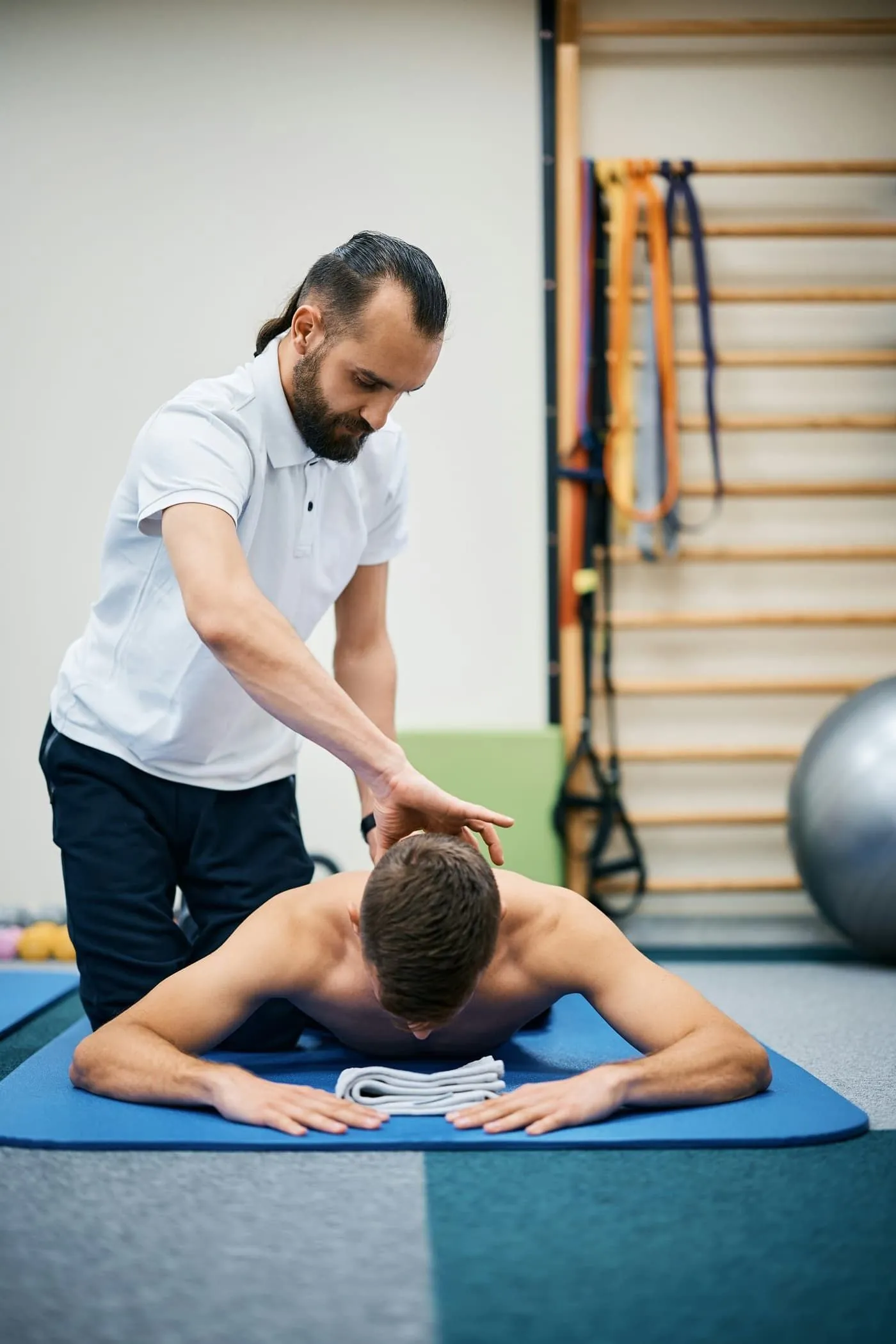
Physical rehabilitation, post-surgical recovery, stroke rehabilitation, cardiac rehab, pulmonary rehabilitation, and neurological rehabilitation for brain and spinal cord injuries all target patients who are working to regain function after a medical event. Families making these decisions are focused on clinical outcomes, multidisciplinary team credentials, facility environment, and proximity to home or the referring hospital. The search behaviour is condition-specific. People search "stroke rehab Melbourne" or "spinal cord injury rehabilitation centre," not generic terms.
Drug and alcohol rehabilitation is an entirely different market with different sensitivities. Families often make the initial enquiry, not the patient. Stigma shapes how people search and what language they respond to. The distinction between private rehab centres offering residential programs and Medicare-funded outpatient services creates different price points and patient expectations. And the "luxury rehab" segment, with its retreat-style facilities in regional locations, competes on environment and privacy as much as clinical outcomes. Marketing substance abuse treatment requires the same careful, compliant approach we bring to mental health marketing, with additional attention to the shame and fear that surround addiction.
We structure rehabilitation centre marketing around the specific programs you offer and the specific patients you serve. Cardiac rehab in a metropolitan hospital outpatient clinic needs different targeting, different messaging, and different conversion pathways than a private residential neurological rehabilitation facility in a regional area.
Rehabilitation Clinic Website Design That Converts Under Pressure
Families researching rehabilitation are usually doing it under time pressure and emotional stress. They are not browsing. They need answers fast. Your website has about thirty seconds to communicate three things: what you treat, how your programs work, and how to take the next step.
Rehabilitation clinic website design that actually converts builds around these realities. Program pages that explain each rehabilitation stream clearly, with enough clinical detail to satisfy the referring professional and enough plain language to reassure the family member who has never encountered rehabilitation before. Team pages that present your multidisciplinary staff, from physiotherapists and occupational therapists to speech pathologists, psychologists, and exercise physiologists, with real credentials rather than stock photos and generic bios. Environment imagery that shows what the facility actually looks like, because families choosing between inpatient rehabilitation options want to see where their loved one will spend weeks or months recovering.
Conversion pathways matter enormously in rehabilitation. A family member researching at midnight needs a way to submit an enquiry that does not require a phone call. A discharge planner comparing options needs a referral form that takes two minutes, not twenty. An insurer or WorkCover case manager needs program information structured the way they need it. We design rehabilitation websites with multiple conversion paths because different users arrive with different needs and different levels of urgency.
Google Ads and SEO for Rehabilitation Centres
Rehabilitation clinic Google Ads capture the highest-intent searches: families and patients actively looking for a rehabilitation centre right now. These searches are condition-specific, location-specific, and often urgent. "Stroke rehab Brisbane." "Private rehabilitation centre Sydney." "Drug rehab Queensland." The conversion window is short because families making rehabilitation decisions move quickly once they start searching.
Our campaigns are structured around program types and geographic targeting. Separate campaigns for neurological rehabilitation, cardiac rehab, orthopaedic recovery, and substance abuse treatment, because the patient populations, the messaging, and the landing pages need to be different for each. Geographic targeting that accounts for the reality that some patients travel for specialist rehabilitation, particularly for spinal cord injury or brain injury programs where only a handful of facilities serve the entire state.
SEO for rehabilitation centres is slower to build but compounds over time. Condition-specific content pages that rank for the long-tail searches families use during research. Local SEO that ensures your facility appears in map results for your service area. Program pages optimised for the specific rehabilitation types you offer. The organic channel is particularly valuable for rehabilitation because families often research over several days before making a decision, and being visible across multiple searches builds the familiarity that drives enquiries.
Rehabilitation Clinic Facebook Ads and Social Campaigns
Rehabilitation clinic Facebook ads serve a different function than search campaigns. Families do not typically search Facebook for rehabilitation centres. But they do spend time on the platform while processing a medical crisis, and targeted awareness campaigns can reach them during that window.
For drug and alcohol rehabilitation, Facebook and Instagram campaigns can reach family members who are researching options for a loved one. The targeting is sensitive and needs to be handled carefully, but the channel works because it meets people where they already are during a difficult period. For physical and neurological rehabilitation, social campaigns build brand awareness among the broader community and among the professional networks that drive referrals. We run rehabilitation clinic Facebook ads with messaging that acknowledges the emotional weight of the decision without exploiting it.
The Funding Complexity
Rehabilitation funding in Australia is complex, and your marketing needs to address it without creating confusion. Private health insurance covers some rehabilitation services. Medicare funds specific programs, particularly cardiac and pulmonary rehabilitation. DVA covers veteran rehabilitation. Workers compensation and TAC fund injury recovery for workplace and transport accidents. NDIS supports disability-related rehabilitation for eligible participants.
Each funding pathway creates a different patient experience and different communication needs. A privately insured patient choosing between rehabilitation facilities wants to understand gap fees and what their fund covers. A WorkCover patient usually chooses their own provider and needs reassurance that you handle the insurer's approvals and reporting. An NDIS participant needs to understand how your services fit within their plan. We help rehabilitation centres address these pathways in their marketing without turning every page into a funding explainer. The goal is clarity: helping each patient understand whether your facility serves their situation and what the next step looks like.
Compliance and Outcomes Messaging
Rehabilitation marketing walks a line between communicating outcomes that families desperately want to hear and staying within compliant, evidence-based messaging. Families want to know their loved one will recover. They want reassurance. They want success rates and recovery timelines.
Presenting outcomes compliantly means grounding claims in evidence, qualifying where necessary, and avoiding language that promises specific results for individual patients. We help rehabilitation centres communicate their approach, their team expertise, their accreditation and quality standards, and their track record in ways that build genuine confidence without crossing into territory that could attract regulatory attention. Recovery stories, when used, need to be handled within advertising guidelines, particularly for drug and alcohol rehabilitation where the regulatory environment is especially strict. We review all rehabilitation marketing content against current healthcare advertising guidelines before anything goes live, so your facility stays visible and compliant.