































What Sleep Clinic Marketing Actually Involves
Sleep clinic marketing is fundamentally different from marketing most other healthcare services. The majority of your potential patients do not know they need you. They have normalised their daytime fatigue, dismissed their snoring as a nuisance, and attributed their concentration problems to stress or ageing. This means the addressable market is enormous but almost entirely unaware of your existence. Effective sleep clinic marketing needs to operate across the full patient journey: symptom-awareness campaigns that reach the undiagnosed, SEO that captures patients researching their symptoms, sleep clinic Google Ads targeting those ready to book a sleep study, sleep clinic website design that educates and converts, sleep clinic Facebook ads that build awareness in populations at risk, and referrer marketing that keeps GPs sending patients your way.
SEO for Sleep Clinics: Capturing the Research Phase
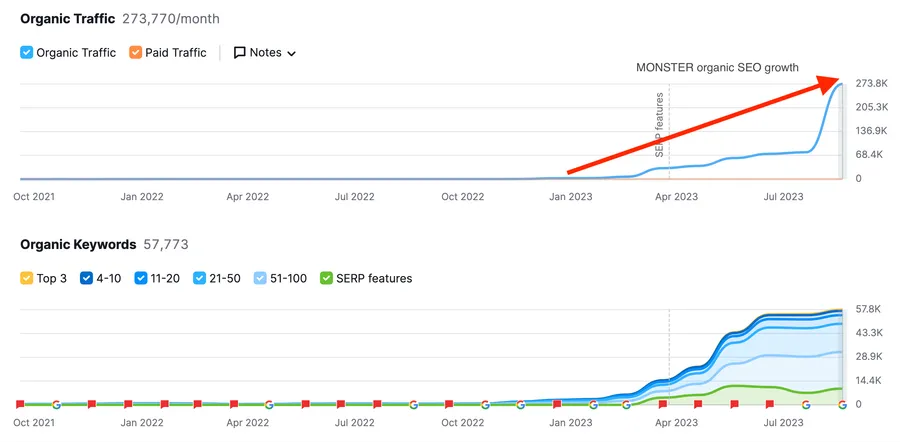
Sleep clinic SEO operates on a longer timeline than most healthcare verticals because the patient journey is longer. Someone who eventually books a polysomnography study may have been searching for answers to their tiredness for months or years before connecting their symptoms to a potential sleep disorder. The keyword landscape reflects this. High-volume searches include terms like 'why am I always tired', 'snoring solutions', 'brain fog causes', and 'partner snoring keeping me awake'. These are symptom-phase queries from people who do not yet know they need a sleep study, but they represent the top of your patient acquisition funnel.
Further down the funnel sit the diagnostic-intent searches: 'sleep study near me', 'sleep apnoea test', 'home sleep test', 'sleep clinic' plus suburb-specific terms. These patients have made the connection and are actively looking for a provider. Our SEO programs target both layers. Deep symptom-awareness content that captures early-journey searches and builds trust with potential patients over time. Location-specific service pages optimised for the diagnostic searches that convert directly to bookings. Technical SEO that ensures your site loads properly on mobile, because a significant portion of sleep-related searches happen late at night from phones in bed. And Google Business Profile optimisation that puts your clinic in the map pack when patients search for sleep services in your area.
Sleep Clinic Google Ads: From Symptom Searches to Booked Studies
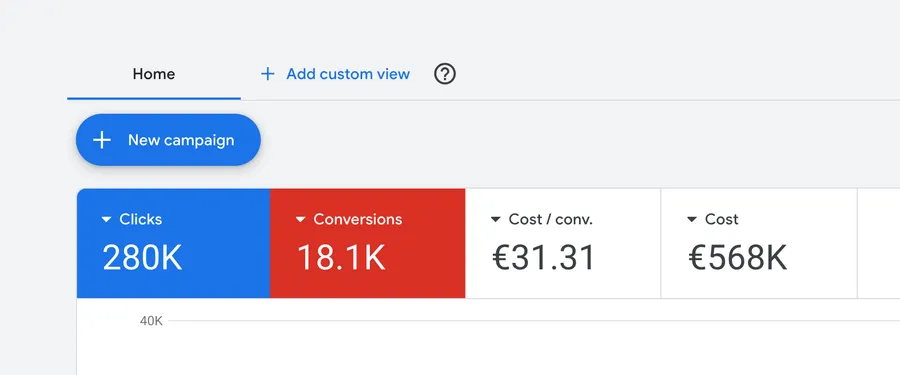
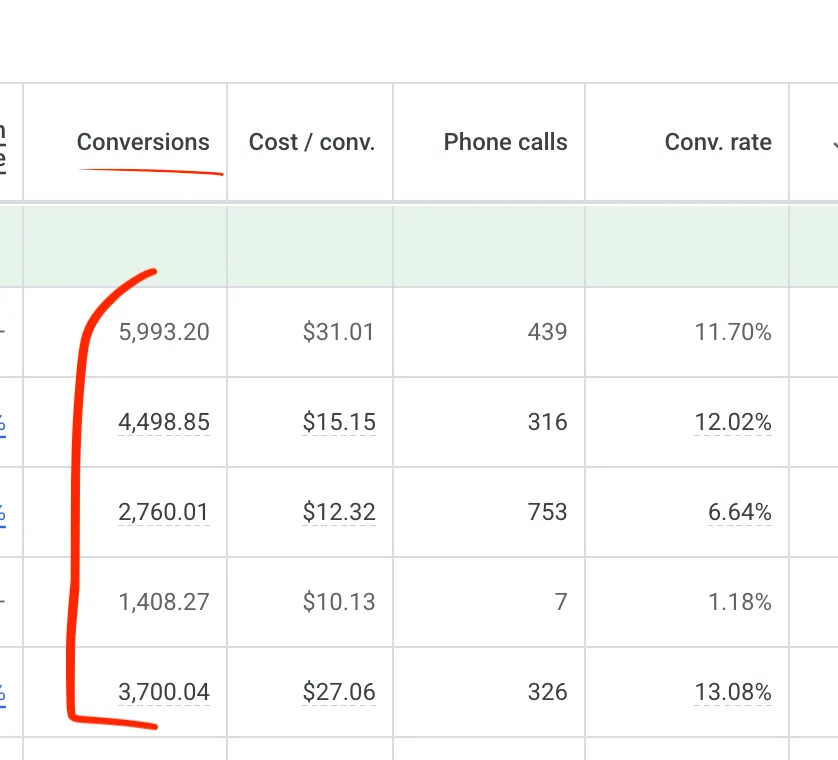
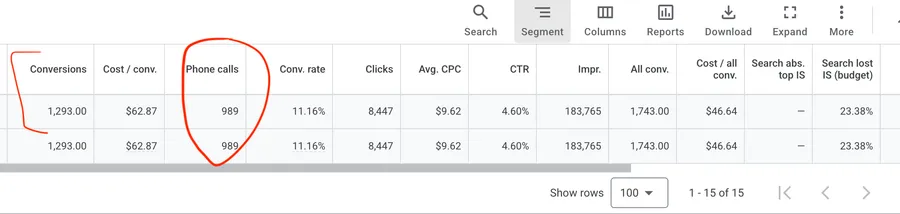
Sleep clinic Google Ads need to cover two distinct intent levels, and the campaigns should be structured accordingly. Bottom-of-funnel campaigns target patients actively searching for sleep studies, CPAP consultations, and sleep disorder assessments. These patients have connected their symptoms to a potential diagnosis and are ready to book. The keywords are specific, the intent is high, and the conversion rates reflect that. Top-of-funnel campaigns target the symptom searches that precede diagnostic awareness. These have lower immediate conversion rates but reach a much larger audience and build brand recognition with patients who will eventually need your services.
The Medicare billing structure adds complexity to ad messaging. Many clinics bulk-bill sleep studies under Items 12203 (in-lab) and 12250 (home) for patients with a valid GP or specialist request, which is a significant value proposition for patients concerned about cost. How you communicate this in ad copy matters. We structure campaigns that highlight bulk-billing availability where applicable, clearly explain what is and is not covered, and address the common patient objection that sleep testing will be expensive. The goal is removing barriers between ad click and booking, because every friction point in the sleep study booking process gives hesitant patients a reason to delay further.
Sleep Clinic Website Design: Educating Before Converting
Sleep clinic website design serves a different purpose than website design for most healthcare practices. Your website's primary job is education. Patients arriving on your site often do not fully understand sleep disorders, the testing process, or the treatment options available. A sleep clinic website that jumps straight to 'book now' without addressing these knowledge gaps will lose the majority of its visitors.
Effective sleep clinic website design walks patients through what they need to know. Clear explanations of the difference between in-lab polysomnography and home sleep testing, including when each is appropriate and what to expect. Information about conditions you diagnose and treat, from obstructive sleep apnoea to insomnia, restless legs syndrome, narcolepsy, and parasomnias. Content about treatment pathways including CPAP therapy, mandibular advancement splints, and CBT-I programs for insomnia. And practical information: what a sleep study involves, how long it takes, what it costs, and how to get a referral.
The conversion architecture matters too. Online booking integration with your practice management system. Clear referral pathways for patients who need GP involvement. Separate journeys for different patient types: adults suspecting sleep apnoea, parents concerned about their child's sleep, and commercial drivers needing sleep screening for medical clearance. We design sleep clinic websites that respect the complexity of the patient decision and remove friction at every stage.
Sleep Clinic Facebook Ads: Reaching the Undiagnosed
Sleep clinic Facebook ads are one of the most underused channels in sleep medicine marketing, and they address the single biggest challenge sleep clinics face: reaching people who do not know they have a problem. Unlike Google Ads, which capture existing search demand, Facebook and Instagram campaigns build awareness among populations at higher risk of sleep disorders. Targeting parameters allow you to reach demographics where sleep apnoea prevalence is highest, and creative formats let you communicate symptoms in ways that prompt recognition.
The creative approach matters enormously. Symptom-awareness campaigns that ask questions like 'Still tired after eight hours?' or 'Has your partner mentioned your snoring?' perform well because they prompt self-identification. Educational content about the link between untreated sleep apnoea and cardiovascular risk gets engagement and shares, extending organic reach. Creative aimed at the partners of snorers taps into a powerful motivation, because it is often the bed partner who pushes for investigation. We build sleep clinic Facebook ads programs that move audiences from unaware to symptomatic to ready for testing, nurturing them through the journey rather than expecting an immediate booking from a cold audience.
Sleep Clinic ChatGPT Ads: The Emerging Channel
Sleep clinic ChatGPT ads represent a new opportunity that most sleep clinics have not explored. Patients increasingly use conversational AI to research health symptoms and potential diagnoses. OpenAI does not show ads in conversations about a person's own health, so the opportunity sits with general service questions, such as how sleep studies work, what they cost and how to find a clinic, where its ad policies allow. We confirm your clinic's eligibility before recommending budget. We help sleep clinics build presence in this emerging space before competitors saturate it.
The GP Referral Channel: B2B Marketing for Sleep Clinics
The referral pathway shapes sleep clinic marketing strategy more than most clinics realise. Medicare-rebated sleep studies need a request from a GP (supported by validated screening questionnaires) or from a sleep or respiratory physician, which means your patient volume depends partly on whether local GPs think of your clinic when they encounter a patient presenting with fatigue, snoring, or suspected sleep apnoea. This is a B2B marketing problem layered on top of a B2C one.
Building GP referral relationships requires consistent, targeted communication. Introducing your clinic's capabilities, turnaround times, and reporting quality. Communicating your range of testing options, from in-lab polysomnography to home sleep testing. Making the referral process as frictionless as possible with clear referral forms and responsive communication. Providing referring GPs with timely, detailed reports that make them confident in continuing to send patients your way. We help sleep clinics develop referrer marketing programs that complement direct patient acquisition and create a sustainable dual-channel growth model.
Home Sleep Testing vs In-Lab Studies: Positioning Your Services
The rise of home sleep testing has reshaped the competitive landscape for sleep clinics. Online-first companies now offer home sleep tests shipped directly to patients, competing on convenience and often bypassing traditional sleep labs entirely. Pharmacies stock basic screening devices. For clinics that offer both in-lab polysomnography and home sleep testing, the marketing challenge is positioning each service clearly and capturing patients regardless of which testing pathway they prefer.
In-lab studies remain the gold standard for comprehensive sleep assessment, particularly for complex cases, paediatric patients, and suspected non-respiratory sleep disorders. Home sleep testing suits straightforward suspected obstructive sleep apnoea in adult patients and offers convenience that appeals to many. Your marketing needs to explain this distinction without undermining either service. We help sleep clinics communicate the clinical value of comprehensive assessment while acknowledging the legitimate convenience of home testing, differentiating from retail competitors on the basis of clinical expertise, physician interpretation, and ongoing treatment support.
CPAP Therapy and Treatment Compliance Marketing
Diagnosis is only the beginning of the sleep clinic patient relationship. For patients diagnosed with obstructive sleep apnoea, CPAP therapy represents an ongoing revenue stream through machine sales or rental, mask fitting and replacement, and compliance monitoring. The commercial reality is that CPAP compliance is notoriously poor. Studies consistently show that 30-50% of patients stop using CPAP within the first year. Every patient who abandons therapy is lost recurring revenue and a worse health outcome.
Marketing that supports CPAP compliance extends the lifetime value of every patient you diagnose. Follow-up communication programs that check in during the critical first weeks of therapy. Education about mask fitting and comfort optimisation. Content about the health consequences of untreated sleep apnoea that reinforces the importance of continuing treatment. Resupply marketing that ensures patients replace masks and filters on schedule rather than letting equipment degrade until they stop using it. We build marketing programs that treat diagnosis and treatment as a continuous relationship, not a single transaction.
Niche Service Lines: Paediatrics, Insomnia, and Commercial Drivers
Beyond the core adult sleep apnoea market, several niche service lines offer targeted marketing opportunities. Paediatric sleep medicine reaches anxious parents whose children show signs of sleep-disordered breathing, often related to enlarged adenoids or tonsils, or behavioural sleep problems. The messaging is entirely different from adult sleep apnoea marketing, addressing parental concern and the developmental impacts of poor sleep in children.
Insomnia treatment, particularly CBT-I programs, is a growing service line that appeals to patients who want evidence-based alternatives to sleeping pills. Marketing CBT-I requires educating patients that effective insomnia treatment exists beyond medication, and that it produces lasting results rather than nightly dependence. Commercial driver sleep testing is a steady referral source for clinics positioned to serve it. Heavy vehicle drivers require sleep screening for medical clearance, and businesses with fleet operations need reliable testing partners. This is a B2B marketing opportunity that complements your patient-facing channels.
Why Generalist Agencies Fail Sleep Clinics
Sleep medicine marketing has nuances that generalist agencies consistently miss. They do not understand the referral pathway or the dual B2B and B2C marketing requirement. They write ad copy that assumes patients already know they have a sleep disorder when the reality is most do not. They build websites that fail to explain the testing process, leaving patients confused and unconverted. They have no awareness of the Medicare billing items that affect how you position pricing. They run campaigns without checking Ahpra compliance requirements for advertising regulated health services. They treat CPAP as a product sale rather than an ongoing compliance relationship. And they run campaigns without understanding the competitive threat from home testing companies and pharmacy providers.
The pattern of failure is consistent. The fix requires bringing genuine sleep medicine industry knowledge to the marketing work: understanding how patients actually reach diagnosis, how referral pathways function, how CPAP compliance economics work, and how the competitive landscape between traditional sleep labs, home testing companies, and pharmacy providers shapes patient choice. That knowledge is what separates a sleep clinic marketing specialist from an agency that happens to have a sleep clinic on its client list.