









Why Sleep Clinics Need Specialist SEO
Sleep clinic SEO operates on a fundamentally different model from most healthcare SEO. The majority of your potential patients do not know they need you. They have normalised years of poor sleep, excessive daytime tiredness, and morning headaches. Their partners have adapted to the snoring. The connection between their symptoms and a diagnosable, treatable sleep disorder has not been made. This means the addressable market is enormous but almost entirely unaware of the clinical solution sitting in your sleep lab.
This fundamentally shapes what sleep clinic SEO needs to accomplish. Unlike dental SEO where patients know they need a dentist, or GP SEO where patients search with clear medical intent, sleep clinic SEO must educate and convert simultaneously. Your content needs to help patients recognise that their symptoms may indicate a diagnosable condition, then position your clinic as the place to investigate. This dual requirement, awareness-building and service promotion, makes sleep medicine one of the most strategically complex healthcare SEO verticals we work in.
SEO for sleep clinics and sleep medicine practices needs to reflect patient and referrer search patterns. We understand the patient journey, the referral dynamics, the Medicare billing landscape, and how to build SEO strategies that deliver sleep study bookings from both symptom-aware and diagnostic-ready patients.
Symptom-Phase SEO: Capturing Patients Before Competitors
The most valuable sleep clinic SEO strategy targets patients months or years before they would naturally book a sleep study. High-volume searches like 'why am I always tired', 'snoring solutions', 'brain fog causes', 'waking up with headaches', and 'partner snoring keeping me awake' represent patients in the symptom phase of their journey. They have not connected their experience to a sleep disorder, but the connection is there for content that draws it gently and credibly.
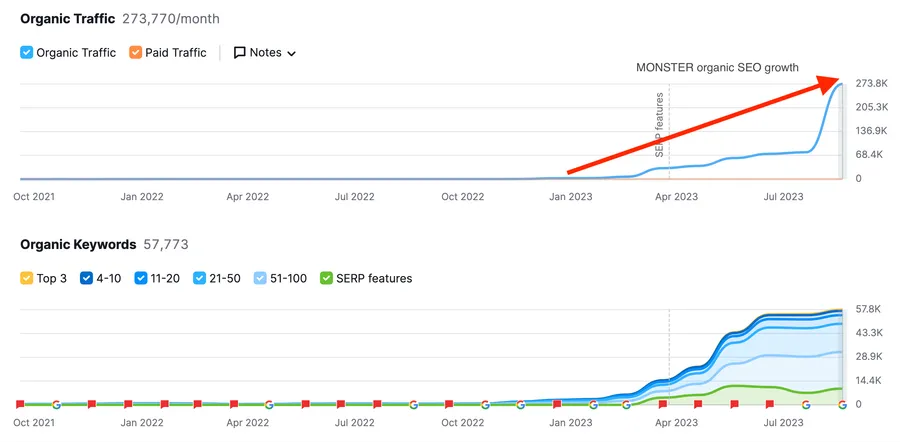
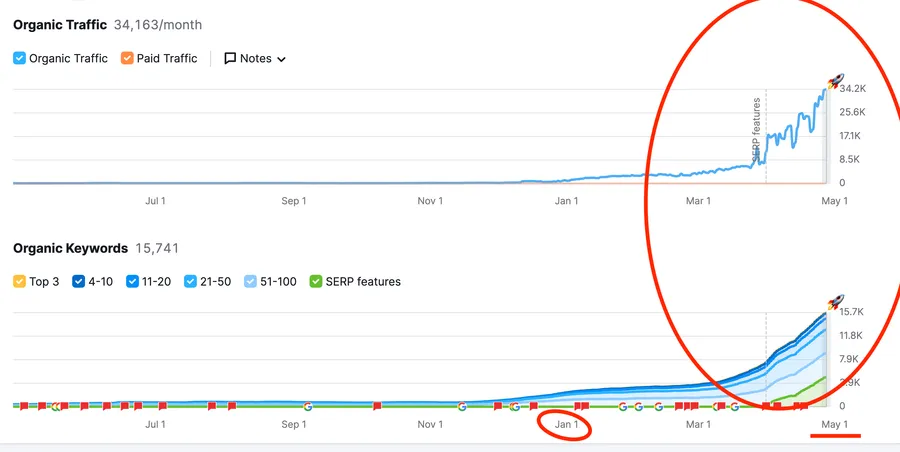
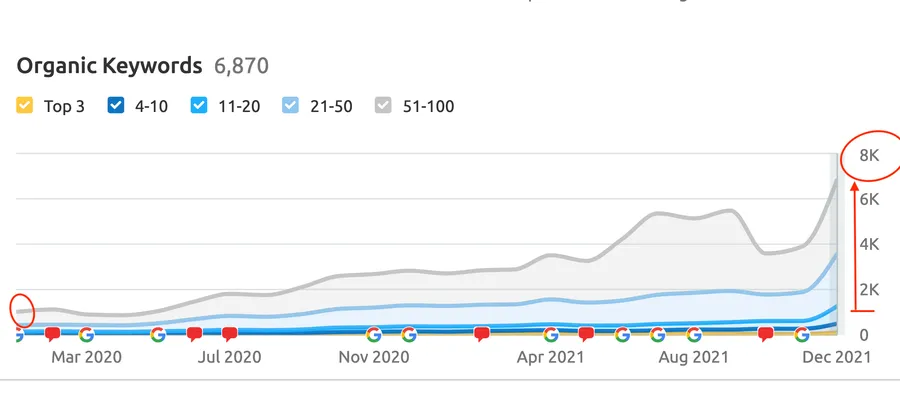
Symptom-phase content needs careful calibration. It cannot be alarmist or it will feel like fearmongering. It cannot be too clinical or it will lose the casual searcher. It needs to validate the patient's experience, present the possibility of an underlying sleep disorder, explain what a sleep study involves, and provide a clear next step. When done well, this content captures patients that no competitor's diagnostic-intent-only strategy will reach, building a pipeline of future bookings that compounds as content ranks and accumulates organic traffic over time.
We build symptom-phase content libraries for sleep clinics that target the specific searches patients make when they are living with undiagnosed sleep disorders. Each piece connects symptoms to the possibility of clinical investigation without making diagnostic claims, positioning your clinic as the knowledgeable, trustworthy option when the patient is ready to take the next step. This sleep clinic marketing approach creates a sustainable organic advantage that paid advertising alone cannot replicate. The content also serves an important public health function by helping patients recognise that their chronic tiredness may be more than just a busy lifestyle, potentially accelerating diagnosis by months or years.
Diagnostic-Intent SEO: Converting Ready Patients
While symptom-phase content fills the top of your funnel, diagnostic-intent SEO captures patients who have already made the connection and are actively looking for a sleep study provider. Searches like 'sleep study near me', 'sleep apnoea test [suburb]', 'home sleep test', 'polysomnography cost', and 'sleep clinic [city]' carry strong booking intent and need dedicated, conversion-focused content.
Diagnostic service pages need to address the practical questions that determine whether a patient books or continues researching. What does a sleep study involve? How long does it take? Do you offer home sleep testing or in-lab studies or both? What does it cost? Is it bulk-billed under Medicare? Do you need a GP referral? What happens after the study? How quickly do you receive results? Each of these questions, if left unanswered, becomes a reason for the patient to delay or choose a competitor who provides clearer information.
We build sleep study service pages that answer every question a patient has before they need to ask it. Clear process explanations, transparent cost information including Medicare item numbers and rebate details, referral pathway guidance, and straightforward online booking or referral submission. Addressing practical concerns like what to wear, what to bring, whether you can leave for work in the morning, and how the equipment feels also reduces the anxiety that keeps patients from following through on their intention to book.
CPAP Device and Equipment SEO
For sleep clinics that supply CPAP equipment, device-focused SEO represents a significant revenue opportunity. Patients researching CPAP machines, masks, and accessories generate substantial search volume, and many prefer to purchase from a clinic where they can receive clinical guidance on setup, fitting, and ongoing compliance support rather than ordering online without professional support.
CPAP content needs to cover machines, masks, and accessories from the brands you supply, written to the Therapeutic Goods Advertising Code and the TGA's CPAP advertising permission, which requires advising people to seek advice from their health professional. Machine comparison content, mask fitting guides, troubleshooting articles for common CPAP problems like mask leak and pressure discomfort, and resupply information all capture different patient needs at different stages of their CPAP therapy journey. This content serves both acquisition and retention: it attracts new CPAP patients researching equipment, and it keeps existing patients returning to your clinic for resupply and support.
The competitive landscape for CPAP SEO includes both clinical providers and online-only retailers. Your advantage as a sleep clinic is clinical expertise: you can offer mask fitting consultations, CPAP data review, compliance support, and troubleshooting that online retailers cannot. Content that highlights this clinical value proposition positions your clinic as the preferred CPAP supplier for patients who want proper support alongside their equipment. Resupply content, covering mask replacement schedules, filter maintenance, and humidifier care, also captures ongoing search demand from existing CPAP users and creates recurring touchpoints that reinforce the patient relationship over time.
CPAP compliance content serves a dual purpose in sleep clinic SEO. Articles addressing common CPAP problems, comfort optimisation, and the health consequences of inconsistent therapy use capture patients who are considering abandoning treatment, redirecting them back to your clinic for support. This content also demonstrates your commitment to ongoing patient care, which differentiates your clinic from online-only CPAP retailers who have no clinical relationship with the patient after the sale.
Home Sleep Testing vs In-Lab Polysomnography
The rise of home sleep testing has reshaped patient expectations and competitive dynamics for sleep clinics. Online-first companies ship home sleep test kits directly to patients, pharmacies offer basic screening, and patients increasingly expect the convenience of testing in their own bed. For clinics offering both in-lab polysomnography and home sleep testing, search engine optimisation needs to position each service clearly and capture patients regardless of their testing preference.
Comparison content explaining when home sleep testing is appropriate, typically for straightforward suspected obstructive sleep apnoea in adults, and when in-lab polysomnography is necessary, for complex cases, paediatric patients, and suspected non-respiratory sleep disorders, captures patients in the research phase. This content needs to present both options fairly while communicating the clinical value of comprehensive assessment under professional supervision. The goal is not to steer patients away from home testing but to ensure they understand the difference and choose the right pathway for their situation, ideally through your clinic either way.
We build content strategies that capture demand across both testing pathways, differentiating your clinic from retail competitors on the basis of clinical expertise, physician interpretation, and ongoing treatment support that extends well beyond the diagnostic study itself. For clinics positioned as comprehensive sleep medicine providers, this content architecture demonstrates the full scope of your diagnostic capability, from simple screening through to complex multi-channel polysomnography, which builds the authority signals that search engines reward with higher rankings.
GP Referral Pathway Content
The referral pathway shapes sleep clinic SEO strategy more than many clinics realise. Medicare-rebated sleep studies need a request from a GP (supported by validated screening questionnaires) or from a sleep or respiratory physician, which means your patient volume depends partly on whether local GPs think of your clinic when they encounter a patient presenting with fatigue, snoring, or suspected sleep apnoea. This creates a B2B content layer that sits alongside your patient-facing SEO.
Content targeting referring practitioners includes information about your clinic's capabilities, turnaround times for study results, range of testing options, and the quality and detail of your reporting back to referring GPs. Making the referral process frictionless, with clear referral forms, online submission options, and responsive communication, removes barriers that might cause a GP to refer elsewhere. This referrer-focused content also ranks for searches that patients make when their GP has recommended a sleep study and they are looking for more information about the process.
Patient-facing referral content addresses a different set of concerns. Many patients do not understand why they need a referral, how to ask their GP for one, or which screening questionnaires their GP may use to decide whether a sleep study is needed. Content explaining the referral process step by step, from GP appointment through to sleep study booking, removes a significant barrier for patients who want investigation but feel uncertain about navigating the medical system. This content ranks well for searches like 'how to get a sleep study referral' and 'do I need a referral for a sleep test', capturing patients at a critical decision point.
We help sleep clinics develop content strategies that serve both the B2B referral channel and the B2C patient acquisition channel. This dual approach creates a sustainable growth model where GP referral volume and direct patient organic traffic reinforce each other.
Children's Sleep Disorders Content
Paediatric sleep disorders represent a distinct content opportunity that many sleep clinics overlook. Parents searching for information about childhood snoring, sleep-disordered breathing, bedwetting, night terrors, and behavioural sleep problems in children form a separate audience with different search patterns, different concerns, and different conversion pathways compared to adult sleep disorder patients.
Parents are highly motivated researchers who consume significant content before making clinical decisions about their children. They want to understand what is normal versus concerning, when to seek investigation, what a paediatric sleep study involves, and how it differs from adult testing. Content that addresses these parental concerns with empathy and clinical authority captures a patient segment where competition for organic visibility is often lower than in the adult sleep apnoea space, making it an efficient SEO opportunity for practices that offer paediatric services.
The paediatric sleep study experience also needs dedicated content addressing practical parent concerns: whether a parent can stay overnight during the study, how monitoring equipment is adapted for children, what age is appropriate for testing, and how results are communicated and actioned.
Measuring Sleep Clinic SEO Results
Sleep clinic SEO measurement needs to account for the long patient journey. A patient who reads a symptom-awareness article today may not book a sleep study for six months. Measuring only last-click conversions will systematically undervalue the awareness content that feeds your booking pipeline. We build measurement frameworks that track the full journey from first organic touch through to study booking, diagnosis, and CPAP therapy uptake.
Monthly reporting breaks performance down across symptom-phase content, diagnostic service pages, and CPAP equipment content. You see which content layers are growing, which keywords are driving qualified traffic, and how organic search contributes to your overall study booking volume. This full-funnel reporting informs ongoing strategy, helping us prioritise content creation and SEO efforts where they will have the greatest impact on your clinic's growth and patient acquisition economics.
Content performance analysis also identifies which symptom-phase articles are generating the most downstream bookings, allowing us to double down on the content themes that drive the highest-quality patient acquisition for your clinic.
Revenue attribution for sleep clinic SEO extends beyond the initial study booking. A patient acquired through organic search who is subsequently diagnosed with obstructive sleep apnoea and begins CPAP therapy represents years of ongoing revenue through device sales, mask replacements, and compliance monitoring. We help sleep clinics understand the true lifetime value of organic patient acquisition, which typically justifies a more aggressive SEO investment than the initial study booking alone would suggest.