











Patients Search for Injuries, Not for Sports Medicine
The fundamental principle of sports medicine SEO is that patients search for their injury, not for a sports medicine clinic. A runner with knee pain types 'runner's knee treatment' or 'knee pain from running that won't go away'. A footballer with a torn ACL searches 'ACL reconstruction recovery time'. A gym-goer with a sore shoulder searches 'rotator cuff tear symptoms'. A social netballer with a recurring ankle problem searches 'ankle sprain keeps coming back'. These injury-specific searches are where your organic patient acquisition actually happens.
This search behaviour means your SEO strategy needs to be built around injuries first and your clinic second. Every common sports injury your clinic treats should have a dedicated page that answers the questions patients actually ask: What is causing my pain? Do I need imaging? What are the treatment options? How long until I can get back to training? These pages capture patients at the moment they are looking for help, and the clinical depth of your content determines whether they choose your clinic or a competitor with a thinner page. Effective sports medicine SEO builds a comprehensive injury content library that covers the full spectrum of presentations you manage.
The second layer of search opportunity comes from patients who have progressed beyond initial research. They search for specific treatments: injection procedures, shockwave therapy, exercise rehabilitation programs. They search for providers: sports medicine doctor, sports doctor, and sports physician (a protected specialist title). And they search by location: 'sports medicine clinic near me', 'sports doctor [suburb]'. A complete sports medicine SEO strategy captures patients across all three search layers: injury, treatment, and provider.
Understanding these search layers is what separates effective sports medicine SEO from the generic approach that treats every healthcare practice the same way. The content architecture, keyword targeting, and page structure all need to reflect how active patients actually search for help with their injuries.
Injury-Specific Content That Builds Clinical Authority
The quality of your injury-specific content directly determines your organic ranking potential. Thin 200-word pages that list symptoms and say 'book an appointment' do not rank against competitors with deeper, more clinically authoritative content.
We build injury pages that go deep on diagnosis, treatment options, and rehabilitation. An ACL page covers the mechanism of injury, clinical assessment, imaging findings, surgical versus conservative management decision-making, rehabilitation phases, and return-to-sport criteria. A rotator cuff page covers anatomy, injury classification, diagnostic pathways, injection therapy options, surgical considerations, and exercise-based rehabilitation protocols. A concussion page covers recognition, assessment tools, graduated return-to-play protocols, and when specialist referral is indicated.
Each page is written to demonstrate the diagnostic and treatment capability that distinguishes a sports medicine physician from other providers. The ability to refer for MRI and ultrasound. The capacity to perform injection therapies. The medical oversight that complex injuries require. This is not about disparaging physiotherapy, since physios are also your referral partners. It is about helping patients understand when physician-level assessment adds value to their care. Sports medicine SEO works when the content makes this distinction clear through clinical authority rather than competitive claims.
Sport-Specific Content Captures Different Patient Segments
Beyond injury-specific pages, sport-specific content captures patients who search by activity rather than by diagnosis. A runner searching for 'running injuries' or 'how to run without knee pain' is not looking for a specific diagnosis yet. They want a provider who understands running biomechanics, training load management, and the specific injury patterns that runners face. Similarly, a footballer searching for 'football injury prevention' or 'hamstring tears in football' wants a clinic that understands their sport.
We build sport-specific content hubs that target these search patterns. Running injuries, including runner's knee, shin splints, Achilles tendinopathy, plantar fasciitis, and stress fractures. Football injuries across AFL, rugby league, rugby union, and soccer, covering ACL tears, hamstring injuries, concussion, and ankle sprains. Cricket injuries including shoulder injuries from bowling, lower back stress fractures, and hand and finger injuries. Swimming injuries covering shoulder impingement, swimmer's shoulder, and neck pain. Gym and CrossFit injuries including rotator cuff issues, lower back injuries, and overuse conditions.
This sport-specific content reaches patients earlier in their care-seeking journey, before they have identified a specific diagnosis and while they are still open to choosing a provider based on sport-specific expertise. It also builds your clinic's authority within local sporting communities, creating a content moat that generic healthcare SEO strategies cannot replicate. Sports medicine marketing through sport-specific content is one of the strongest long-term organic strategies available to sports medicine clinics.
The content investment compounds over time. A thorough running injuries hub that covers the five or six most common running presentations will attract organic traffic year-round, with spikes around marathon season and major event calendars. As the pages mature and build backlinks from running communities and event organisers, the organic traffic grows without additional content spend. This compounding effect is what makes sport-specific SEO such a strong long-term investment compared to the recurring costs of paid advertising.
The Physio Positioning Challenge
The biggest competitive challenge in sports medicine SEO is not other sports medicine clinics. It is physiotherapy practices. Hundreds of Australian physio practices brand themselves as sports-focused, ranking for the same injury keywords and targeting the same active patient population. They often charge less for initial consultations and accept walk-in appointments. Patients frequently cannot distinguish between a sports physiotherapist and a sports medicine physician, or explain why that distinction matters for their injury.
Your SEO strategy needs to address this positioning challenge through content rather than competitive claims. The value a sports medicine physician adds includes the ability to refer for diagnostic imaging, prescribe medications, perform injection procedures, and provide the medical oversight that complex injuries require. Content that clearly communicates these capabilities helps patients self-select the appropriate care pathway. A patient whose injury needs medical assessment or consideration of an injection procedure may benefit from a physician's review. Making this clear in your content is not about competition; it is about helping patients find the right level of care for their specific injury.
We build content that positions your clinic around diagnostic capability and treatment breadth while maintaining a collaborative tone with physiotherapy. Your injury pages mention when physiotherapy is the appropriate first step and when physician assessment adds value. This honest, patient-centred approach builds trust with both patients and the physios who refer complex cases to your clinic.
Injection Therapy and Treatment-Specific SEO
Injection procedures and shockwave therapy represent high-value search opportunities for sports medicine clinics. Patients searching for these specific treatments have typically progressed beyond conservative management. They have tried rest, physiotherapy, and anti-inflammatory medications. They are looking for the next level of intervention and are ready for specialist care.
We build dedicated treatment pages for each injection modality and advanced treatment your clinic offers. Each page explains how the treatment works, which conditions it is indicated for, what the current evidence supports, what patients can expect during the procedure, and what recovery and rehabilitation looks like afterwards. Content needs to be clinically detailed while staying within Ahpra guidelines around treatment outcome claims. We present evidence-based information about these therapies without making specific outcome promises.
These treatment pages capture a valuable patient segment: educated, motivated patients who are actively seeking a specific intervention. For sports medicine practices offering multiple injection modalities, this content creates a significant organic traffic stream from patients ready for specialist consultation.
Shockwave therapy, prolotherapy, and emerging regenerative treatments also warrant dedicated pages as the evidence base develops and patient awareness grows. These treatments attract a specific search audience that is actively seeking alternatives to surgery or long-term medication. SEO that covers the full treatment scope positions your clinic as the comprehensive sports medicine destination rather than a single-service provider.
Weekend Warriors vs Elite Athletes: Content for Both
Sports medicine clinics serve two distinct patient segments with different needs, search behaviours, and expectations. Elite and competitive athletes typically arrive through referrals from team doctors, club physiotherapists, or sporting organisations. Weekend warriors, the recreational runner with persistent knee pain, the gym-goer with a shoulder issue, the social netballer with a recurring ankle problem, find their own providers through Google search.
Your SEO strategy needs to serve both audiences, but the content approach differs. Weekend warrior content focuses on practical concerns: Can I keep training? How long until I can get back to my Saturday sport? Do I need to stop running completely? Is this injury serious enough to see a specialist? These patients want reassurance, clear timelines, and accessible explanations of their injury. Elite athlete content focuses on return-to-competition protocols, sport-specific rehabilitation, performance-oriented recovery, and the systematic approach to getting back to peak function.
We build content that speaks to each segment without alienating the other. Injury pages include information relevant to both recreational and competitive athletes. Separate content pieces target specific concerns for each group. And the overall clinic positioning communicates expertise across the full spectrum of athletic capability, from the patient managing a gym injury around a desk job to the athlete rehabilitating toward their next competition season. This segmented approach is central to effective sports medicine SEO because it reflects how these different patient groups actually search and what they need to see before booking.
Seasonal Demand and the Sporting Calendar
Sports injuries follow predictable seasonal patterns, and your content strategy should align with them. Pre-season brings demand for screening assessments, injury prevention programs, and performance testing. Competition season brings acute injuries: ligament sprains, muscle tears, fractures, and concussions. Off-season is rehabilitation, return-to-sport conditioning, and addressing the niggles that athletes push through during the season.
We align content publishing and keyword targeting with the Australian sporting calendar. AFL pre-season content publishes from December. Rugby content ramps up through autumn. Winter sport injury content peaks mid-year. Cricket and tennis content targets summer. Running injury content follows marathon and event calendars throughout the year. This seasonal alignment ensures your content is fresh and relevant when patients are actually searching for it, rather than publishing a cricket shoulder injury article in the middle of winter when nobody is searching for it. Sports medicine marketing through seasonally aligned SEO makes your content investment work harder by matching publishing to demand.
Measuring Sports Medicine SEO Results
Sports medicine SEO success should be measured in new patient consultations, not just keyword rankings and website traffic. A page that ranks well for an injury keyword but attracts patients outside your geographic area or clinical scope delivers traffic without value. We track sports medicine SEO across multiple performance layers to connect organic activity to business outcomes.
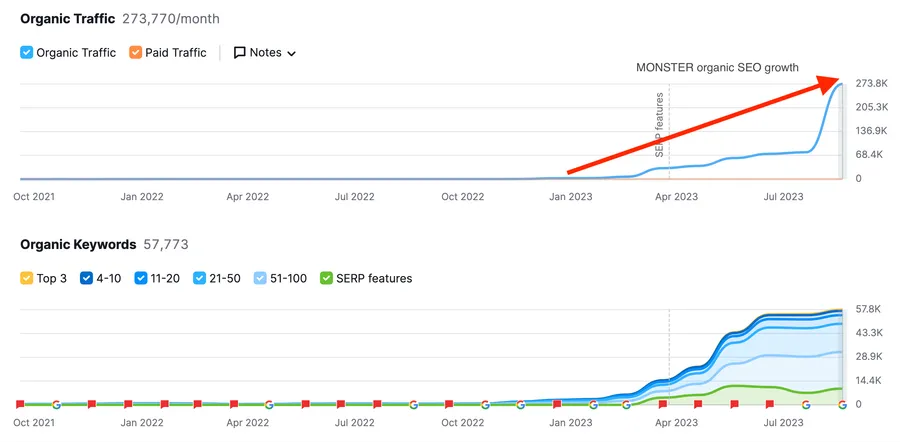
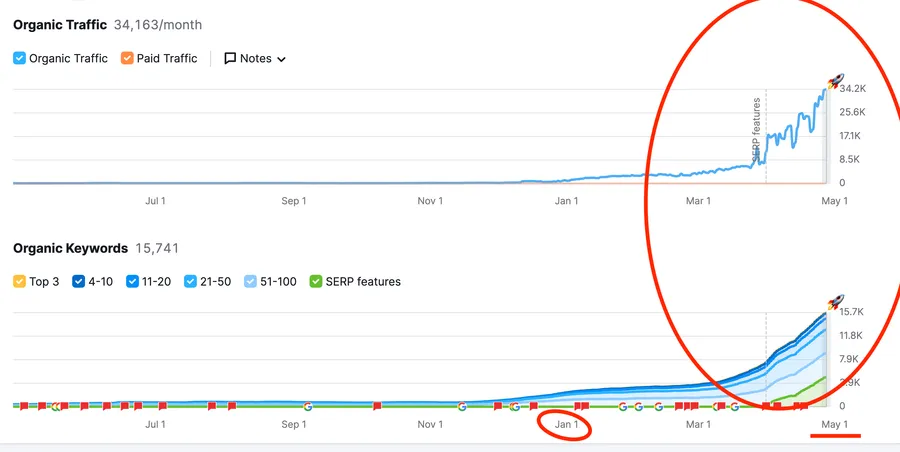
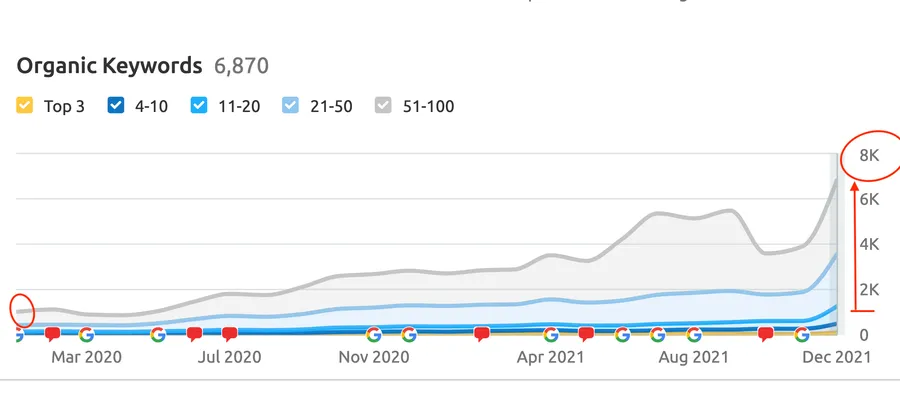
Keyword rankings by injury type and sport show whether your visibility is growing for the searches that drive patient acquisition. Organic traffic trends segmented by content category, injury pages versus sport-specific content versus treatment pages, reveal which content investments deliver the strongest return. Conversion tracking through call recording, form submission attribution, and booking system integration shows whether organic visitors are becoming actual patients. Seasonal overlays on traffic data help distinguish genuine growth from seasonal demand fluctuations, ensuring your SEO strategy is evaluated against the right benchmarks.
Monthly reporting presents this data in formats designed for sports medicine physicians and clinic managers. You see which injuries and sports drive the strongest organic growth, which treatment pages convert at the highest rates, and where content gaps represent opportunities to capture search demand from patient segments you are currently missing. This data-driven approach to SEO means content decisions are grounded in what is working for your specific clinic rather than generic industry assumptions. Over time, performance data reveals which injury types and sports deliver the highest-value patient consultations, enabling strategic allocation of content resources toward the areas that grow your practice most effectively and sustainably.