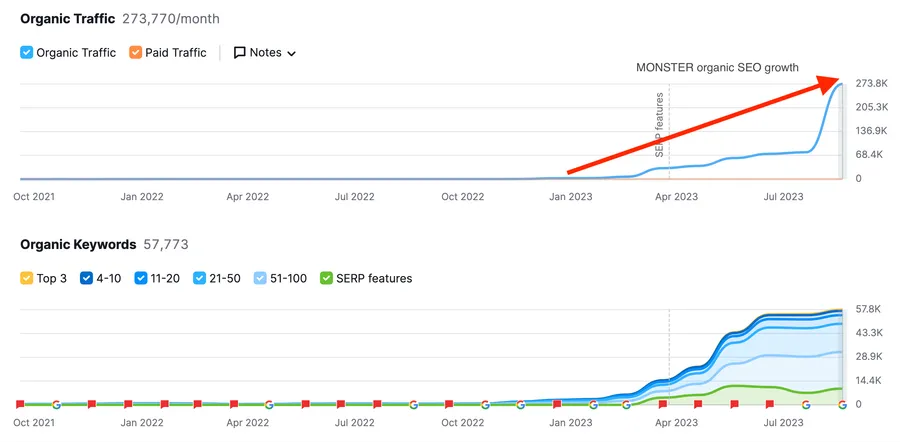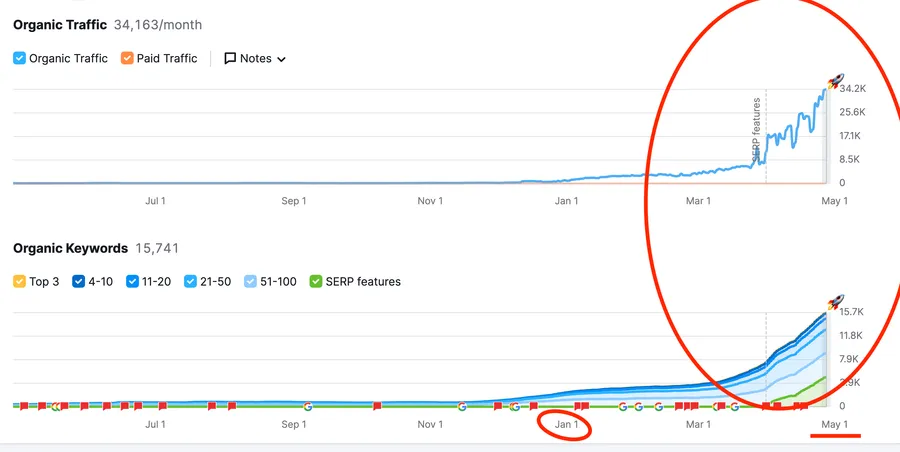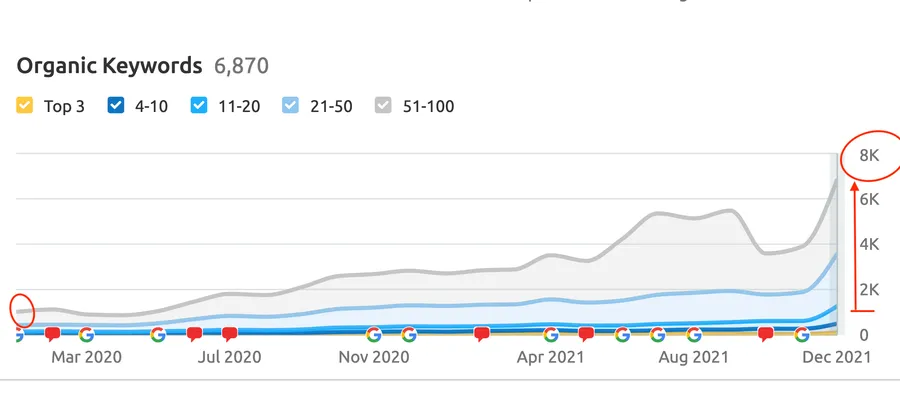












Why Telehealth Providers Need Specialist SEO
Telehealth SEO is fundamentally different from SEO for a physical healthcare practice. When a GP clinic or specialist rooms invest in SEO, the strategy centres on local visibility: ranking for 'doctor near me', 'GP [suburb]', and location-modified service searches. Telehealth strips away the geographic constraint entirely. Your addressable market is anyone in Australia with an internet connection, which sounds like an enormous opportunity until you realise every other telehealth provider is competing for the same national keyword set. Telehealth SEO requires an entirely different strategic framework, one built around content depth, topical authority, and service-line architecture rather than Google Business Profile optimisation and local citation building.
The telehealth market has matured since the COVID-era boom. Medicare telehealth items are permanent, patient comfort with virtual consultations has normalised, and the competitive field has consolidated around established platforms alongside thousands of practices offering virtual care as an additional channel. The patients still searching are no longer asking 'what is telehealth?' They are asking 'can I see a doctor online for this specific problem?' or 'is there a bulk billing telehealth GP available now?' These are the queries that convert, and ranking for them requires specialist telehealth SEO knowledge that general healthcare SEO agencies do not have.
Campaign planning needs to account for your services, audience and advertising requirements. We understand the search patterns, the compliance environment, and how to build organic search strategies that deliver consultation bookings rather than just traffic numbers.
National SEO Strategy for Virtual Care
Traditional healthcare SEO is local by default. Google Business Profile, suburb pages, local citations, and location-modified keywords form the backbone of most healthcare SEO campaigns. None of these tactics translate directly to telehealth. Telehealth SEO requires a national approach built on content authority, topical depth, and technical excellence rather than geographic relevance signals.
The national keyword landscape for telehealth is competitive but structured. Service-specific searches like 'online doctor', 'telehealth GP', 'online psychologist', and 'telehealth dietitian' attract significant volume from patients who have already decided they want virtual care. Condition-specific searches like 'anxiety help online', 'skin rash consultation', and 'UTI treatment without going to doctor' represent patients who may not have considered telehealth but whose problem is well-suited to virtual care. And intent-specific searches like 'bulk billing telehealth' and 'after hours doctor online' capture patients with specific practical needs that telehealth fulfils efficiently.
We build telehealth SEO strategies that target all three layers. Service pages optimised for direct telehealth searches. Condition content that captures problem-aware patients and introduces virtual care as the solution. And intent-driven content that addresses the practical motivations, cost, convenience, and access, that drive telehealth adoption. The compounding effect of targeting all three layers is what makes telehealth seo a long-term growth engine rather than a one-dimensional traffic source.
Backlink acquisition for telehealth platforms also requires a national approach. Rather than building local citations and directory listings, telehealth SEO relies on earning links from health information sites, industry publications, and authoritative healthcare resources. We build link strategies around content assets that naturally attract references, particularly comprehensive condition guides, Medicare telehealth information, and original research or data about virtual care adoption patterns in Australia.
Service-Specific Pages That Rank Nationally
A telehealth platform offering online GP consultations, virtual psychology, telehealth dietetics, and specialist referrals needs separate, dedicated pages for each service line. Each service attracts different patients with different search intent, different clinical questions, and different conversion triggers. A single 'our services' page cannot capture this demand effectively.
Online GP consultation pages need to address what conditions can be managed virtually, how prescriptions and referrals work, Medicare billing and bulk billing availability, and what happens if the consultation identifies something requiring in-person examination. Telehealth psychology pages need to explain session formats, Medicare mental health treatment plan eligibility, the evidence base for virtual therapy, and how the therapeutic relationship works through a screen. Telehealth dietitian pages need to cover consultation structure, meal plan delivery, ongoing support mechanisms, and Medicare eligibility under GP chronic condition management plans.
We build each service page as a standalone authority piece that targets its own keyword cluster, answers the specific questions patients have about that service delivered virtually, and provides a clear path from landing to booking. This service-line architecture is what separates effective seo for telehealth from generic approaches that treat virtual care as a single homogeneous offering. Each page also feeds internal linking strength to your other service pages, building cumulative topical authority that strengthens rankings across the entire platform.
The content requirements for each service page also differ significantly. GP consultation pages need to cover a broad range of conditions and administrative queries. Psychology pages need detailed information about therapeutic approaches, session structures, and the evidence for virtual therapy effectiveness. Specialist referral pages need to explain how the referral pathway works virtually and which specialists are available through your platform. We develop content briefs for each service that reflect these differences, ensuring every page has sufficient depth to rank nationally for its target keyword cluster.
Condition Pages for Telehealth-Suitable Presentations
One of the most powerful telehealth seo strategies is building content around conditions that are well-suited to virtual consultation. Not every health concern can be managed through a screen, but many can, and patients searching for these conditions represent an enormous organic opportunity for telehealth providers who create the right content.
Conditions commonly managed via telehealth include mental health presentations like anxiety, depression, and stress. Skin conditions where visual assessment through high-quality photos or video is sufficient for initial evaluation. Urinary tract infections and similar straightforward presentations where history and symptoms guide diagnosis. Chronic disease management where regular review and medication adjustment can happen virtually. Prescription renewals and medication reviews for established patients. Sexual health consultations where privacy motivates patients toward virtual care. And childhood illnesses where parents want rapid access to medical advice without transporting an unwell child.
Each condition page needs to explain what the virtual consultation involves, when telehealth is appropriate versus when in-person care is necessary, and what the patient needs to prepare. This transparency builds trust and drives conversions because patients arrive at the booking page already confident that their concern can be addressed virtually. It also helps search engines understand your platform's clinical scope, strengthening your topical authority across related searches. Condition pages also serve a retention purpose: patients who find your platform through one condition are more likely to return for unrelated concerns when they already trust your service. Over time, a comprehensive library of condition content creates a defensive SEO position that is difficult for newer competitors to replicate, giving your platform a compounding organic advantage in an increasingly crowded market.
Bulk Billing and Medicare Telehealth Content
Searches for bulk-billed telehealth services are among the highest-converting queries in the telehealth SEO landscape. Patients searching for 'bulk billing telehealth', 'free online doctor', or 'Medicare telehealth GP' have strong intent and clear expectations about cost. Content that addresses Medicare telehealth eligibility, bulk billing availability, and patient entitlements captures this demand while setting appropriate expectations before the consultation. It has to be accurate about eligibility: most GP telehealth items can only be billed where the patient has seen the practice face to face in the past 12 months or is registered with it through MyMedicare, so a national platform seeing new patients usually charges a private fee.
Medicare telehealth item numbers, such as Item 91800 for GP video consultations and Items 91890 and 91891 for GP phone consultations, are searched by both patients and practitioners. Authoritative content explaining which items apply to different consultation types, what out-of-pocket costs patients may face, and how telehealth Medicare billing works positions your platform as a trusted information source while capturing commercially valuable traffic. This content also supports telehealth marketing efforts beyond organic search by providing reference material for paid campaigns and social content.
For telehealth platforms that offer both bulk-billed and private consultations, content architecture needs to clearly separate these pathways. Patients arriving with cost-sensitive intent need to find bulk billing information quickly without navigating through content about premium or private consultation options. Conversely, patients willing to pay for faster access, longer consultations, or specialist availability need content that communicates the value of the private pathway without undermining the bulk-billed offering. We structure site navigation and internal linking to serve both audiences efficiently.
The regulatory landscape around Medicare telehealth continues to evolve. Item number updates, eligibility changes, and modifications to video versus phone consultation requirements all create content refresh opportunities. We monitor these changes and update your content promptly, which signals freshness to search engines and ensures patients always find accurate information on your site rather than outdated content that erodes trust.
After-Hours and Weekend Telehealth SEO
After-hours telehealth searches represent a distinct and valuable keyword cluster. Patients searching for 'doctor after hours', 'online GP open now', 'weekend doctor telehealth', and 'late night medical consultation' have urgent intent and are typically ready to book immediately. These searches spike predictably in the evenings, on weekends, and on public holidays when physical clinics are closed.
Dedicated after-hours content needs to be specific about your availability, the services offered outside standard hours, any cost differences, and how quickly patients can expect to see a practitioner. If your platform offers 24/7 availability, this is a significant competitive advantage that deserves prominent positioning in your content strategy. If you offer extended hours rather than round-the-clock service, being precise about your operating window prevents patient frustration and negative reviews.
We build after-hours telehealth content that targets these time-sensitive searches and converts them into immediate bookings. This includes dedicated landing pages, FAQ content addressing common after-hours concerns, and technical optimisation that ensures these pages load rapidly on mobile devices, where the vast majority of after-hours healthcare searches originate. Schema markup indicating your operating hours and service availability helps search engines present accurate information directly in search results, reducing the clicks required between search and booking.
Platform SEO and Emerging Search Surfaces
Telehealth platforms face SEO challenges that traditional healthcare websites do not encounter. If your service operates as an app, app store optimisation intersects with web SEO. If your platform has a booking portal separate from your content site, information architecture needs to bridge both experiences. If you offer multiple brands or vertical-specific services, each needs its own content strategy without creating internal competition for the same keywords.
Emerging search surfaces add another dimension. Patients increasingly use AI assistants and conversational search tools to research health concerns and find providers. Being referenced accurately in these contexts requires structured data, clear entity definition, and content that directly answers the questions patients ask in natural language. Telehealth SEO needs to account for these evolving discovery patterns alongside traditional organic search.
Technical considerations for telehealth platforms extend beyond standard healthcare website SEO. Booking flow performance directly impacts conversion rates: if patients click through from an organic search result and encounter a slow or confusing booking process, the organic traffic you worked to earn is wasted. We audit the full user journey from search result to confirmed booking, ensuring that technical performance supports the traffic your content generates. This includes mobile-first design assessment, booking form optimisation, and page speed improvements across your platform's conversion pathway.
Measuring Telehealth SEO Performance
Telehealth SEO success should be measured in consultation bookings and patient acquisition cost, not just keyword rankings and traffic. Rankings and traffic are important leading indicators, but what matters to your platform is whether organic search is delivering patients who complete the booking and attend their consultation.
We track virtual healthcare seo performance across multiple layers. National keyword rankings by service line show whether your visibility is growing for the searches that matter. Organic traffic segmented by service type and condition shows whether that visibility is translating into qualified visits. And conversion tracking, including booking completion rates and consultation attendance, shows whether those visits are becoming genuine patient interactions. Monthly reporting breaks performance down by service line so you can see which areas of your platform are benefiting most from SEO investment and where growth opportunities remain.
Attribution modelling for telehealth SEO requires particular care. A patient who discovers your platform through a condition page may return days later through a branded search to book their consultation. Without proper attribution, the condition content appears to deliver zero conversions while the branded search gets all the credit. We implement tracking that captures the full journey from first organic touch through to completed booking, ensuring the content investments that actually drive patient acquisition receive proper attribution in your reporting.