











The Urgency Factor in Patient Search
Urgent care searches are fundamentally different from standard healthcare searches. When someone searches for 'urgent care near me' or 'after hours doctor', they're not comparing options for next week. They need help now. This urgency creates both opportunity and challenge.
The opportunity is that these patients are highly motivated. They're not browsing. They're ready to act. The challenge is that they're also comparing quickly. Your ad needs to appear prominently and communicate the right information instantly: that you're open, nearby, and can see them soon.
Our team has spent years understanding these urgent search patterns for healthcare businesses across Australia. We know which keywords signal immediate need and how to structure campaigns that capture these high-intent moments.
Timing Is Everything
Urgent care search volume follows predictable patterns. Searches spike during evenings when standard GP clinics close. Weekends see sustained high volume. Public holidays drive significant demand. Understanding these patterns allows for strategic budget allocation.
We implement dayparting strategies that increase bids during peak urgent care hours while maintaining presence during slower periods. This approach ensures your budget works hardest when patient demand is highest.
For centres with variable hours or multiple locations, we build campaigns that automatically adjust to your actual availability. Patients only see ads when you can actually see them.
Mobile-First Is Non-Negotiable
The vast majority of urgent care searches happen on mobile devices. A patient with a sick child at 8pm isn't sitting at a desktop computer. They're on their phone, probably standing in their kitchen, trying to figure out where to go.
Our campaigns are built mobile-first. Ad copy is optimised for mobile display. Landing pages load fast and display critical information immediately. Click-to-call functionality is prominent. Directions are one tap away.
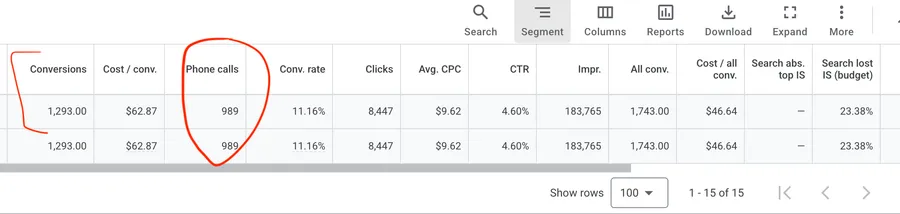
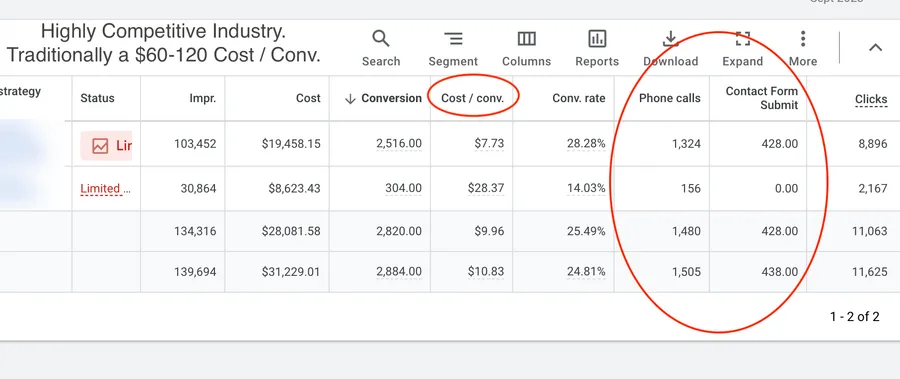
This mobile optimisation extends to tracking. We measure phone calls, direction requests, and website visits separately because each represents a different stage of patient intent.
What Conditions Do You Treat?
One of the most common urgent care searches includes the condition itself: 'urgent care for ear infection', 'walk-in clinic for stitches', 'after hours doctor for child fever'. These condition-specific searches represent patients who have already self-diagnosed their need for urgent care.
We build campaigns that target relevant condition keywords while remaining compliant with Ahpra guidelines. This approach captures patients who might otherwise struggle to find appropriate care for their specific situation.
The key is matching your centre's actual capabilities. We don't advertise services you don't offer. Instead, we focus on the conditions and treatments that your centre handles most effectively.
Compliance in Urgent Messaging
Ahpra guidelines apply to urgent care advertising just as they do to any healthcare promotion. The challenge is communicating urgency and availability while remaining compliant. Claims must be factual. Wait time statements need to be accurate. Service descriptions must reflect actual capabilities.
We've developed compliant approaches that effectively communicate what urgent care patients need to know: that you're open, that you can help with their condition, and that they can be seen soon. All without crossing regulatory lines.