

































What Veterinary Marketing Actually Involves in Australia
Veterinary marketing is the work of making sure the right pet owners find your clinic, trust you before they visit, and stay with you for the life of their pet. For most Australian vet clinics, that means vet SEO so you rank for 'vet near me' and suburb-specific searches, veterinary Google Ads capturing emergency and routine care searches, a vet clinic website design that conveys warmth and competence before anyone picks up the phone, veterinary Facebook ads and social media that leverage the natural engagement pet content generates, and a review management strategy that builds and protects your Google profile over time. Vet marketing is unlike any other healthcare marketing. The emotional stakes are different. The decision-making is different. The competitive landscape, especially with corporate consolidation reshaping the industry, is different. Generic healthcare marketing does not work here, and anyone claiming to understand it without understanding these differences is guessing.
Veterinary SEO: Why Local Search Is Everything
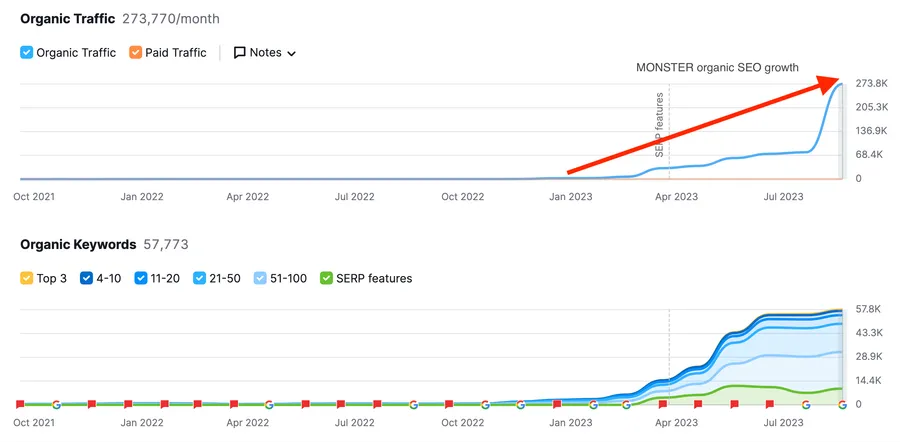
Veterinary SEO is the highest-leverage channel for most vet clinics because of how pet owners search. The vast majority of vet-related searches are local. 'Vet near me'. 'Emergency vet [suburb]'. 'After hours vet [city]'. Pet owners are not comparing clinics across the state. They want someone close, trusted, and available. That makes vet SEO fundamentally a local SEO game, and your Google Business Profile is the single most important digital asset your clinic owns.
Our veterinary SEO programs work across three layers. First, local SEO: your Google Business Profile optimised with accurate categories, complete service descriptions, proper business hours including after-hours availability, and a steady stream of genuine reviews. Local citations cleaned up and consistent across directories. Suburb-specific landing pages built for each area you serve. Second, content SEO: treatment and condition pages that answer the questions pet owners actually ask before booking. Not thin pages listing services, but genuinely useful content about desexing, vaccinations, tick paralysis, dental care, and the other topics your clients search for. Third, technical SEO: the Core Web Vitals, schema markup, and crawl structure that stops Google from ignoring your site entirely. Most vet clinic websites fail on at least two of these layers. We address all three.
Vet Google Ads: Capturing Pet Owners at the Moment They Need Help
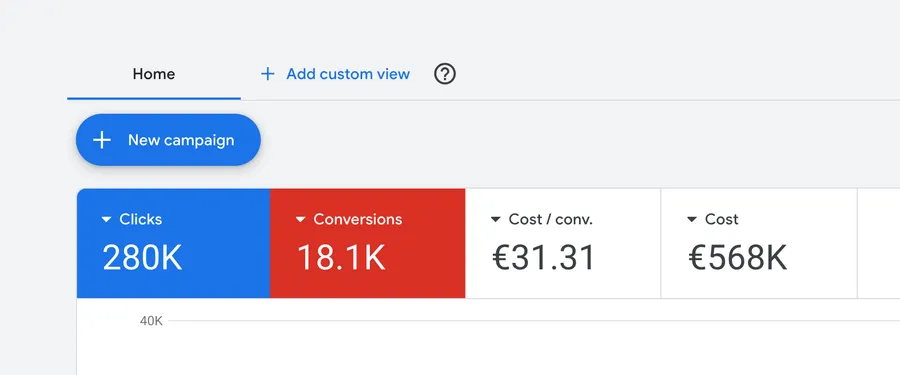
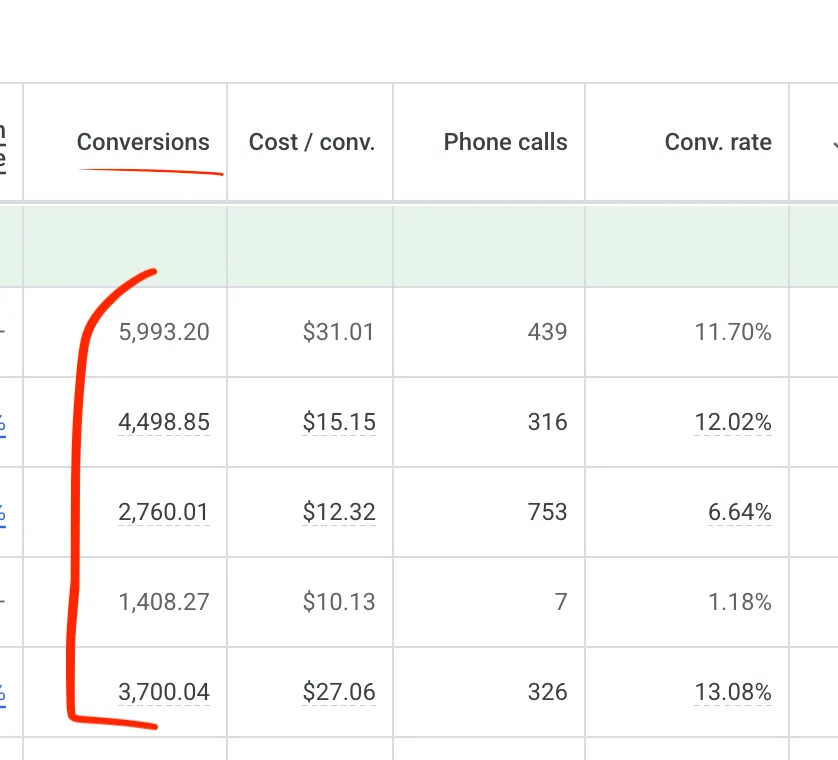
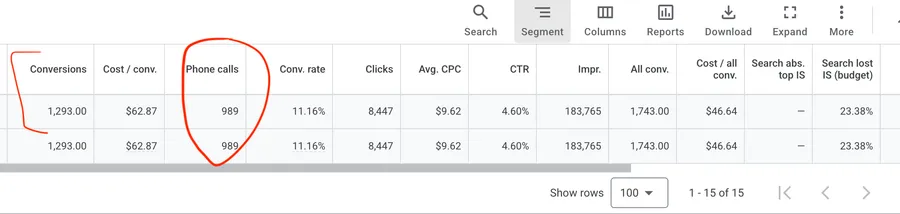
Vet Google Ads and vet PPC campaigns serve a different purpose to SEO. They capture pet owners at the exact moment they are searching for care, particularly for emergency and after-hours searches where the window between search and phone call is measured in seconds, not minutes. When a dog has been bitten by a snake at 9pm or a cat is showing signs of tick paralysis, the owner is not reading blog posts. They are calling the first clinic that appears with clear emergency availability.
We structure vet clinic Google Ads campaigns around the different types of demand your practice serves. Emergency and after-hours campaigns run with specific ad scheduling, location targeting, and call assets designed to capture panic searches instantly. Routine care campaigns target vaccination, desexing, dental, and wellness check searches in your catchment. And if you offer specialist or referral services, dedicated campaigns target those higher-value searches separately. Each campaign type has different keyword economics, different conversion patterns, and different measurement requirements. Treating them as one campaign is how most vet PPC budgets get wasted.
Seasonal Demand and Campaign Management
Veterinary has pronounced seasonal patterns that need to be reflected in your advertising. Tick paralysis season in spring and summer drives emergency search volume along the eastern seaboard. Snake bite searches spike in warmer months. Puppy season after Christmas creates a wave of vaccination and desexing demand. Dental month promotions in August generate awareness-driven traffic. We build these seasonal patterns into campaign calendars so your ad spend scales with demand rather than running flat year-round and missing the peaks.
Vet Website Design: Converting Trust Into Bookings
Most vet clinic websites underperform. They list services, show a stock photo of a golden retriever, and provide a phone number. That is not vet website design. That is a brochure. Effective veterinary website design converts visitors into bookings by doing three things: building emotional trust, answering practical questions, and making it easy to take action.
Building trust means showcasing your actual team. Not stock photography. Real photos of your vets and nurses with real animals. Bios that show personality and genuine care, not just qualifications. The story of your practice and why you do what you do. Pet owners are choosing a person, not a business, and your website needs to reflect that.
Answering practical questions means clear information about your services, your hours, your emergency availability, your location, and what to expect on a first visit. It means content that addresses the 'Dr Google' problem directly, providing reliable information that positions your clinic as the authority rather than leaving pet owners to self-diagnose on forums. And making it easy to take action means proper online booking integration, prominent phone numbers, and clear calls to action on every page. Online booking adoption is still lower in veterinary than in human healthcare, which means clinics that offer genuine online scheduling have a real competitive advantage.
Vet Clinic Marketing: Independent Clinics vs Corporate Groups
The veterinary industry in Australia is undergoing significant corporate consolidation. Greencross (owner of Petbarn and Greencross Vets), VetPartners (which absorbed National Veterinary Care in 2020), Petstock (now majority owned by Woolworths) and, in rural and mixed practice, Apiam have been acquiring independent practices for years. These corporate groups have centralised marketing teams, established brands, and substantial advertising budgets. For independent vet clinics, this creates a real competitive challenge, but also a genuine marketing opportunity.
Independent vet clinic marketing can lean into everything corporate cannot match. Continuity of care: the same vet seeing the same pet over years, knowing their history, their temperament, their owners by name. Community connection: sponsoring the local dog show, running puppy preschool, being part of the suburb rather than a brand parachuted in. And ownership you can see: the owner is often the vet in the consult room, and decisions about the clinic are made in the clinic.
We help independent practices tell this story across every channel. Vet SEO content that highlights your team's tenure and community roots. Google Ads messaging that emphasises personal care over corporate scale. Social media that shows the genuine personality of your clinic rather than the sanitised corporate template. The practices winning against corporate groups are not outspending them. They are showing more of who they are.
Veterinary Google Ads and Veterinary Facebook Ads: Paid Channels That Work
Veterinary Google Ads capture bottom-of-funnel demand from pet owners actively searching for care. Veterinary Facebook ads serve a completely different purpose: they build awareness, nurture relationships, and keep your clinic front of mind between visits. Both channels work well for vet clinics, but they work differently and need different strategies.
On Google, veterinary campaigns compete on relevance and local proximity. The pet owner searching 'vet near me' at 7am because their dog is limping is not browsing. They want a phone number, an address, and opening hours. Your ads and landing pages need to deliver exactly that, instantly. Veterinary Facebook ads, on the other hand, work because pet content is inherently engaging. A recovery story, a puppy's first visit, a behind-the-scenes look at your surgical suite: this content generates genuine interaction in a way that most healthcare social media simply cannot. We use Facebook and Instagram to build the emotional connection that makes pet owners choose you when the moment comes, even if that moment is months away.
Review Management: The Make-or-Break Factor for Vet Clinics
Pet owners are among the most vocal reviewers in any healthcare sector. When a pet recovers well, owners are grateful and generous with their praise. When outcomes are difficult, when a beloved pet does not survive or when an emergency bill exceeds expectations, the emotional intensity can produce reviews that are deeply unfair to the quality of care provided. This makes review management not optional but essential for any vet clinic taking its online presence seriously.
We implement systematic review generation that captures the positive experiences which represent the vast majority of your consultations. Automated follow-ups after routine visits. Gentle prompts timed for maximum response. And professional response strategies for the difficult reviews that inevitably come, responses that demonstrate compassion and professionalism to the hundreds of prospective clients who will read them before deciding whether to book.
Veterinary Advertising Compliance: Not Ahpra, but Not Unregulated
Unlike human healthcare practitioners, veterinarians in Australia are not regulated by Ahpra. Veterinary advertising falls under the veterinary board in each state and territory (for example the Veterinary Practitioners Board of NSW, the Veterinary Practitioners Registration Board of Victoria and the Veterinary Surgeons Board of Queensland), each with their own advertising guidelines and codes of conduct. This is an important distinction because the rules are different. Veterinary advertising has more flexibility than Ahpra-regulated professions in areas like testimonials and before-and-after content, but it is not a free-for-all. The word specialist, and titles like oncologist or dermatologist, are restricted to vets with specialist registration, and emergency services and their hours must be advertised accurately. Claims about treatment outcomes still need to be honest and not misleading. Professional standards still apply. And the ACCC's general advertising standards around misleading and deceptive conduct apply to veterinary marketing just as they do to any other business.
We review every campaign, landing page, and piece of content against the relevant state board guidelines and general advertising law. This matters more than most practices realise. As vet marketing becomes more competitive and more visible, regulatory scrutiny will increase. Getting it right from the start is simpler than cleaning up problems after the fact.
Why Generalist Agencies Fail Veterinary Practices
The pattern is consistent. A vet clinic hires a generalist marketing agency. The agency treats the clinic like any other local business. They run broad keyword campaigns that waste budget on irrelevant searches. They build a website that looks clinical rather than warm. They have no understanding of seasonal demand patterns, emergency search behaviour, or the emotional dynamics of pet owner decision-making. They do not know the difference between companion animal, equine, and production animal marketing. They cannot write content that addresses the 'Dr Google' problem. And they report on impressions and clicks rather than new client bookings and client lifetime value.
Vet marketing needs veterinary knowledge. How pet owners search in a crisis versus during routine care. How the staff retention challenges in veterinary affect what you can realistically promise in your marketing. How wellness plan economics work and why marketing for retention matters as much as marketing for acquisition. How corporate consolidation is reshaping competition in every suburb. How to turn the natural engagement of pet content into a genuine business advantage on social media. That knowledge is what separates a vet marketing agency from a marketing agency that happens to have a vet clinic on its client list.
General practice vet clinics
For an independent clinic, new pet enquiries, preventive care reminders and existing client bookings need separate plans. Puppy and kitten information should explain the first visit, vaccination appointments and what owners need to bring. Wellness plan pages should state inclusions, exclusions and payment terms clearly.
Make routine booking options easy to find and show where owners should go when the clinic is closed. If you offer gap claiming, name the supported insurers and explain what the owner pays on the day. Measure campaigns on new client bookings and repeat visits, alongside the capacity of your veterinary team.