










The Emergency Search Reality
Picture this: It is 11pm on a Saturday. A dog has just been hit by a car, or a cat is having trouble breathing, or a puppy has eaten something toxic. The pet owner is panicking. They grab their phone with shaking hands and search for emergency vet.
This is the moment your website must perform perfectly. Not eventually. Not after a few seconds of loading. Immediately. Because in this moment, pet owners will call the first hospital that looks like it can help. If your site loads slowly, shows a cluttered homepage, or buries the phone number, they will call your competitor.
Emergency veterinary website design is fundamentally different from regular practice websites. There is no time for storytelling or relationship building. There is only the urgent need to convey: we are open, we can help, here is how to reach us.
Speed as a Design Principle
Most website design conversations focus on aesthetics, content, and user experience. Emergency vet websites must start with speed. Every design decision, every image, every feature must be evaluated against its impact on load time.
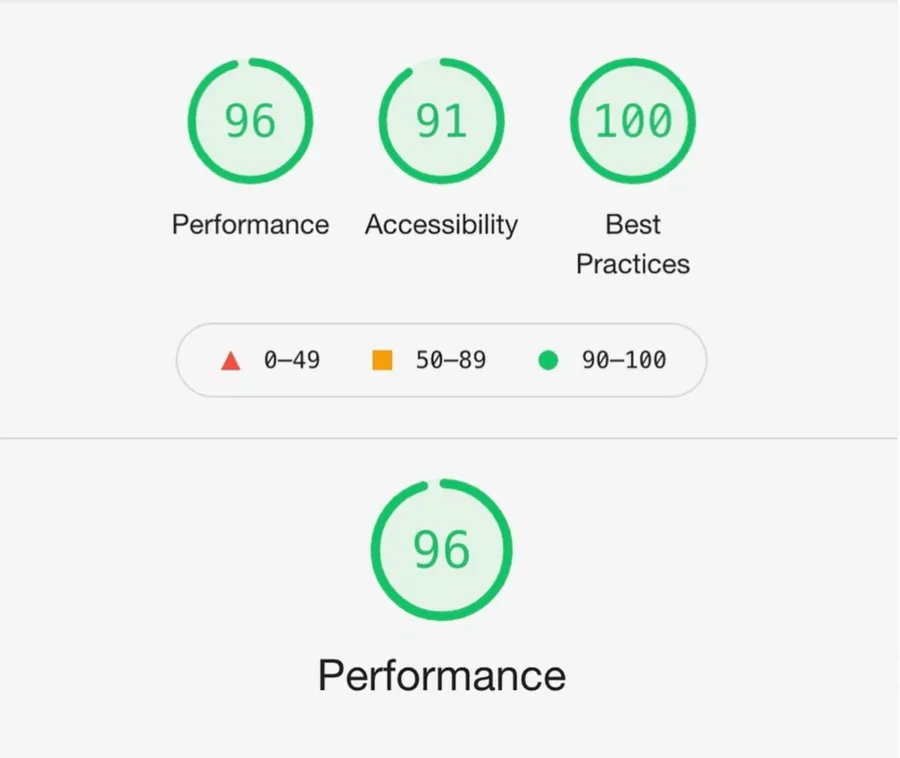
We build emergency veterinary websites with aggressive performance targets. Sub-two-second load times on good connections. Functional contact information visible within half a second even on slow mobile networks. Images optimised beyond standard recommendations. Code minimised for fastest possible delivery.
This speed obsession extends to the user experience as well. How many taps does it take to call you on mobile? The answer should be one. How far must someone scroll to see your address? They should not need to scroll at all. Every interaction is designed for speed, because speed saves pet lives.
The Hierarchy of Emergency Information
When a pet owner lands on your website in crisis, they need specific information in a specific order. Phone number first, because calling is faster than reading. Hours next, to confirm you are open. Location third, so they know where to go. Then services, to confirm you handle their type of emergency.
Your website design must reflect this hierarchy. Phone numbers in the header, visible without scrolling on any device. Hours prominently displayed, with special emphasis if you are 24/7. Location with integrated maps that open directly in navigation apps. Service information clearly organised by emergency type.
Everything else, including your team bios, your facility photos, your philosophy of care, supports this core hierarchy but never competes with it. Emergency websites are not the place for creative navigation or unconventional layouts. They are the place for instant clarity.
Mobile-First Means Crisis-First
The majority of emergency pet searches happen on mobile devices. But mobile-first design for emergency vets goes beyond responsive layouts. It means understanding how people use phones when they are panicking.
Tap targets must be large enough for shaking hands. Phone numbers must trigger calls with a single tap. Maps must open in native apps for voice-guided directions. Text must be readable without zooming. Nothing should require precise interaction, because precision disappears under stress.
We test emergency vet websites under simulated stress conditions. Can someone navigate to call you in under five seconds? Can they find directions while walking to their car? Can they confirm you are open while comforting a frightened pet? These scenarios drive our design decisions.
Trust in an Instant
Pet owners in emergency need to trust you before they call. They need to believe you can help their pet. This trust must be established in seconds, not minutes.
We position trust signals strategically throughout emergency vet websites. Team credentials visible near phone numbers. Equipment and capability information prominent on emergency pages. Reviews and testimonials accessible but not obstructing primary information. The goal is immediate confidence: yes, these people can help my pet.
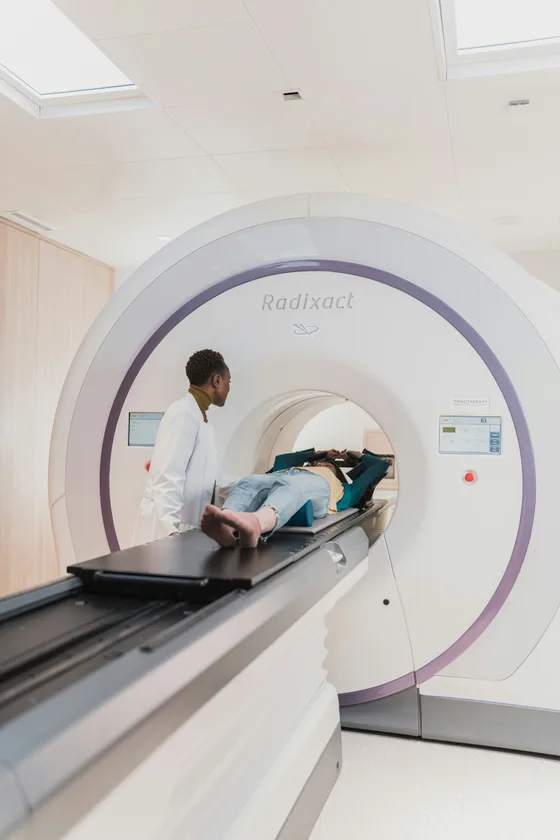
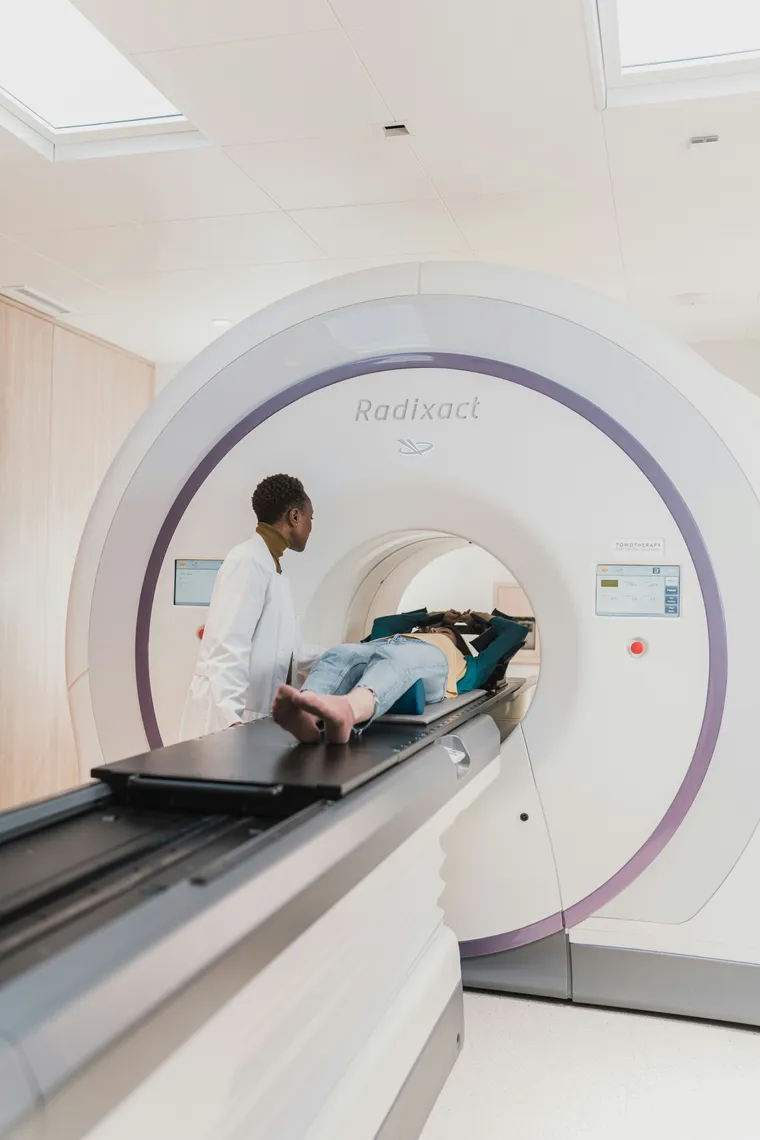
Professional photography matters here. Images of your facility, your team, your equipment convey competence quickly. But these images must be optimised aggressively. A beautiful photo that slows load time does more harm than good in emergency contexts.