

































What Specialist Veterinary Marketing Actually Involves
Specialist veterinary marketing is the work of growing caseload for referral-only veterinary practices: the surgeons, internists, oncologists, ophthalmologists, dermatologists, and cardiologists who accept cases referred by general practice vets. Two distinct audiences drive patient volume. The first is GP vets who refer cases requiring expertise beyond general practice. The second is pet owners who research specialists themselves after receiving a diagnosis, increasingly common as pet insurance coverage grows and Google becomes the first stop after a difficult vet visit.
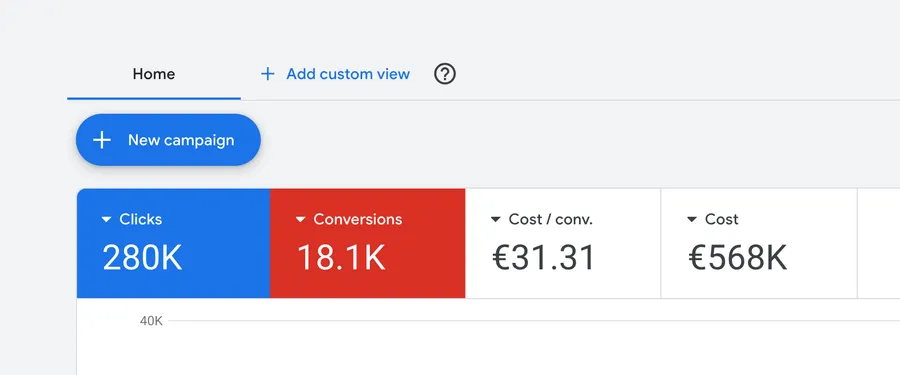
For most specialist veterinary practices, effective marketing means specialist vet SEO so your practice ranks when pet owners search for a veterinary oncologist, veterinary surgeon, or veterinary cardiologist in your area. It means specialist vet Google Ads capturing high-intent searches from owners whose pet has just been diagnosed. It means specialist vet website design that serves both referring GPs and anxious pet owners with clear information about your credentials, services, and referral process. And it means specialist vet Facebook Ads building awareness among pet owners most likely to need you, particularly those with insured pets and breeds predisposed to conditions your specialty treats.
Specialist Vet SEO
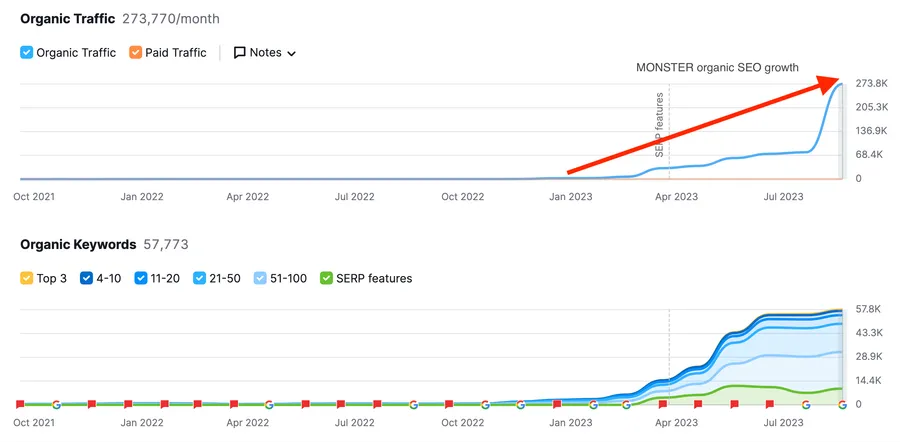
Specialist vet SEO is the highest-value long-term channel for most referral veterinary practices, and it requires a fundamentally different approach from SEO for general practice clinics. The keyword landscape splits across two territories: specialty searches where pet owners look for a specific type of specialist, and condition searches where owners research a diagnosis their pet has just received.
On the specialty side, pet owners search for terms like specialist vet surgeon, veterinary oncologist Melbourne, animal ophthalmologist Sydney, and veterinary cardiologist Brisbane. These searches carry strong intent because the owner already knows they need a specialist. They have either been told by their GP vet or have researched enough to understand that their pet's condition requires expertise beyond general practice. Ranking for these terms positions your practice at the exact moment an owner is actively seeking specialist care.
On the condition side, owners search for what they have just been told: dog cruciate ligament surgery, cat lymphoma treatment, dog cataract removal, and veterinary heart murmur specialist. These searches often happen the same evening as the GP vet appointment. The owner sits down, types in what the vet said, and starts researching. Specialist vet SEO that captures these condition-specific searches reaches owners during peak anxiety and motivation to act.
Our specialist vet SEO programs combine local SEO, including Google Business Profile optimisation and suburb-specific content, with deep condition and specialty pages that establish genuine clinical authority. We build content that answers the questions pet owners actually ask after a diagnosis, not thin service descriptions but thorough explanations that demonstrate specialist knowledge. Technical SEO, structured data, Core Web Vitals, and crawl efficiency ensure Google can find and rank your content ahead of general practice clinics and directory sites that lack your specialist depth.
Specialist Vet Google Ads
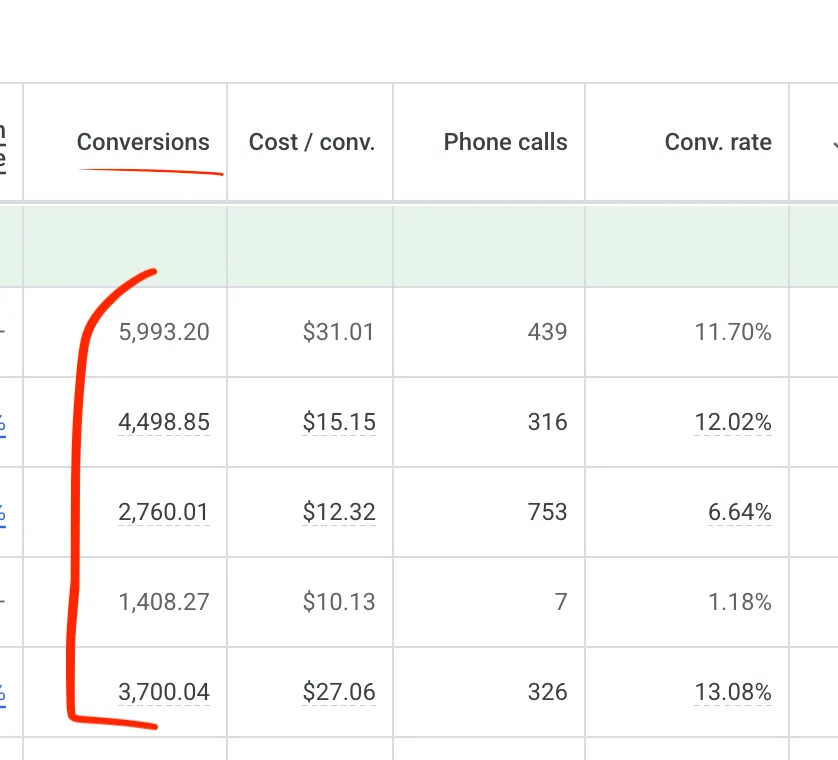
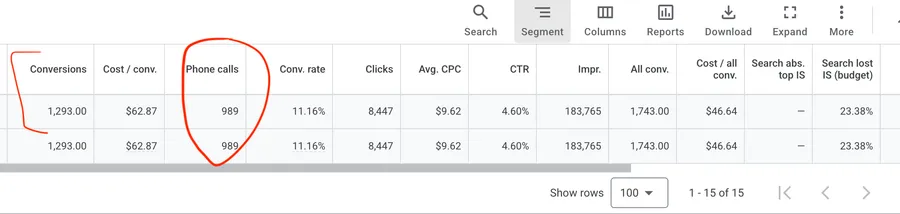
Specialist vet Google Ads capture pet owners at their most motivated moment: immediately after a diagnosis when they are actively searching for specialist care. A pet owner whose dog has just been diagnosed with osteosarcoma, whose cat needs a perineal urethrostomy, or whose puppy has a portosystemic shunt is searching with genuine urgency. These are not casual browsers. They are people ready to book a consultation if they find the right specialist.
We build specialist vet Google Ads campaigns segmented by specialty and condition because each discipline has different search patterns, different competitive landscapes, and different conversion behaviours. Surgery campaigns target owners searching for specific procedures: cruciate ligament repair, fracture fixation, soft tissue surgery, and orthopaedic specialist. Oncology campaigns target diagnosis-driven searches: dog cancer treatment, veterinary chemotherapy, and animal tumour specialist. Internal medicine campaigns capture the complex diagnostic cases: chronic vomiting investigation, Addison's disease treatment, and veterinary endocrinologist.
The conversion path for specialist vet Google Ads differs from general practice. Pet owners clicking on specialist ads typically need more information before they commit. They want to understand the specialist's credentials, the likely process from referral to treatment, and the expected cost range. Landing pages need to address all of this clearly, or the click becomes a bounce rather than an enquiry. We design landing pages specifically for specialist vet paid search that walk owners through what to expect at each stage, from initial referral to consultation, diagnostics, treatment, and follow-up care.
For practices already running specialist vet Google Ads, we focus on quality score optimisation, landing page refinement, and bid strategies that maintain visibility without overpaying in what can be a surprisingly competitive market. Veterinary specialist searches may have lower volume than general practice queries, but the value per conversion is substantially higher, and campaigns need to reflect that economics.
Specialist Vet Website Design
Specialist vet website design must solve a challenge that general practice websites never face: serving two fundamentally different audiences through a single site. A referring GP vet visiting your website needs to quickly confirm your areas of specialty, understand your referral process, and find the referral form or contact details. They are time-poor professionals making a clinical decision about where to send a case. An anxious pet owner visiting the same website needs reassurance about your credentials, clear information about their pet's condition and treatment options, and enough confidence to either request a referral from their GP or contact you directly.
Effective specialist vet website design creates distinct pathways for each audience without burying either in content meant for the other. Referring vet sections should feature streamlined referral forms, clear specialty listings, information about your facilities and equipment, and details about how you communicate back to referring practices. Pet owner sections should explain conditions in accessible language, outline the specialist consultation process, present your team's ANZCVS Fellowship credentials in terms owners understand, and address the cost and timeline questions that dominate their thinking.
Practice management system integration matters particularly for specialist practices. Whether you use RxWorks, ezyVet, or another system, online referral submission needs to flow into your existing workflow without creating administrative friction. We design specialist vet websites that integrate with your actual systems rather than bolting on generic contact forms that create double-handling for your reception team.
Your website also serves as the hub for GP vet relationship building. A dedicated referrer portal with downloadable referral forms, clinical resources, CPD event listings, and direct contact details makes it easier for GPs to send cases your way. The practices that make referring simple and professional receive more referrals than those that make GPs navigate a website designed entirely for pet owners.
Specialist Vet Facebook Ads
Specialist vet Facebook Ads serve a different function from Google Ads. Where Google captures existing demand from owners actively searching after a diagnosis, Facebook builds awareness before that moment arrives. The goal is name recognition: when a GP vet says your pet needs to see a specialist, or when a pet owner starts Googling after a difficult appointment, your practice name is already familiar.
We build specialist vet Facebook Ads campaigns targeting pet owners most likely to need specialist care. This includes owners of breeds predisposed to conditions your specialty treats, such as Labrador and Golden Retriever owners for orthopaedic surgeons, Cavalier King Charles Spaniel owners for cardiologists, and flat-faced breed owners for soft tissue surgeons. It includes geographic targeting within your referral catchment. And it includes interest-based targeting that reaches owners who engage with pet health content, or follow pet insurance providers.
Content for specialist vet Facebook Ads works best when it educates rather than sells. Posts explaining what happens during a specialist consultation, videos showing your facility and team, condition awareness content about early signs owners should watch for, and case studies demonstrating successful outcomes all build trust and recognition without the hard-sell approach that pet owners resist. Educational content also performs well algorithmically because it generates engagement, shares, and saves rather than the scroll-past behaviour that overtly promotional content receives.
For practices in areas with growing pet insurance penetration, Facebook Ads can reach owners who show interest in pet insurance. Pet insurance is one of the strongest predictors of specialist referral uptake because it removes the cost barrier that prevents many owners from pursuing specialist care. Reaching insured owners with awareness content means your practice is already on their radar when their pet needs you.
Supporting Referrals From GP Vets
Specialist veterinary practice in Australia operates mainly on a referral model. Registered veterinary specialists work almost exclusively with cases referred by general practice vets. Smart specialist veterinary marketing supports this channel: your website should make it effortless for referring GPs to understand your specialties, submit referrals, and access clinical resources. Educational content including clinical case discussions, CPD event promotion, and specialty updates keeps your practice visible to referring vets as a professional resource rather than just another referral destination.
CPD events deserve particular attention. Many specialist practices host continuing professional development evenings for referring GPs. These events position your specialists as educators and collaborators, give GPs face-to-face time with your team, and create professional goodwill that translates directly into referrals. Marketing these events effectively through email invitations, social media promotion, and website listings maximises attendance. But referrals alone may not fill your surgery schedule, particularly for newer practices. Direct pet owner acquisition through specialist vet SEO, Google Ads, and Facebook Ads complements referral volume with a channel you own and control.
Communicating ANZCVS Fellowship and Specialist Credentials
Veterinary specialists in Australia are registered by the state and territory veterinary boards, after endorsement by the AVBC specialist advisory committee. The most common local pathway is Fellowship of the Australian and New Zealand College of Veterinary Scientists (ANZCVS), and many specialists hold an American or European college diploma instead. ANZCVS Fellowship requires completion of an approved residency training program, typically three to four years of intensive postgraduate clinical training, followed by rigorous examinations. This credentialing system matters for specialist veterinary marketing because it represents a genuine differentiator that pet owners and referring vets need to understand. Communicating ANZCVS Fellowship effectively on your website, in your specialist vet Google Ads, and across your marketing materials helps both referring GPs and pet owners understand why specialist care delivers better outcomes for complex cases. For multi-specialist practices, presenting the breadth of Fellowship-qualified disciplines available under one roof is a significant competitive advantage for attracting referrals.
Pet Insurance Growth and Specialist Referral Rates
Pet insurance penetration in Australia has grown steadily, and this trend directly benefits specialist veterinary practices. Insured pets are significantly more likely to be referred for specialist care because the financial barrier, often the biggest obstacle to specialist consultation, is substantially reduced. Owners with insured pets are also more likely to research specialist options themselves and more likely to proceed with recommended treatment plans. Specialist vet Google Ads and SEO strategies should account for this audience, with content that addresses insurance coverage questions and landing pages that help insured owners understand what to expect financially.
Specialty-Specific Marketing Considerations
Each veterinary specialty has its own marketing dynamics. Surgery sees the highest direct search volume because conditions like cruciate ligament rupture and intervertebral disc disease are well-known among dog owners. Oncology requires particular sensitivity because owners researching cancer diagnoses are in emotional distress. Internal medicine needs to communicate the value of specialist diagnostic workups for cases that have not responded to initial treatment. Ophthalmology, cardiology, and dermatology each serve more niche patient populations with distinct search behaviours, from cataracts and heart murmurs to chronic skin conditions that have frustrated owners through months of GP-level treatment. Understanding these specialty-specific patient journeys shapes everything from specialist vet Google Ads keyword selection to SEO content topics to Facebook Ads audience targeting.
Why Generalist Agencies Fail Specialist Veterinary Practices
Most specialist veterinary practices that hire a generalist marketing agency end up frustrated. No understanding of the referral-only model, so strategies assume all patients are self-referred walk-ins. Zero awareness of the GP vet referral relationship. Generic veterinary SEO targeting the same keywords as general practice clinics. No understanding of ANZCVS credentialing. And no awareness of how pet insurance, breed predispositions, and case complexity shape demand for specialist services.
The fix is not just better execution. It is bringing genuine understanding of how specialist veterinary practices operate, how the referral model works, and how pet owners find and choose specialists. That understanding is what separates a specialist veterinary marketing partner from an agency that lists a vet clinic somewhere on its client page.