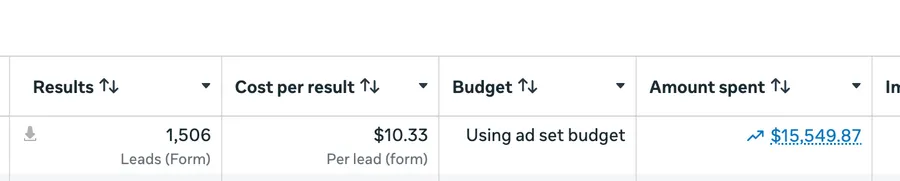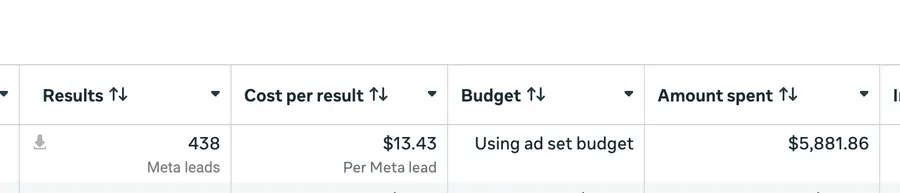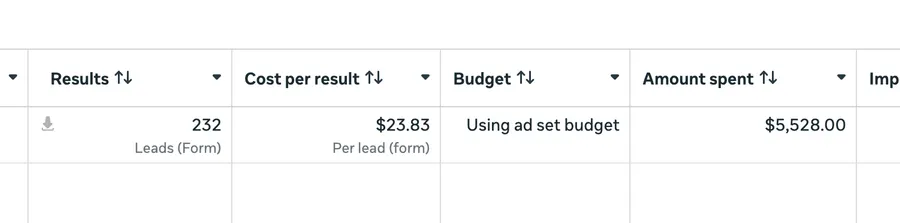










Running healthcare Facebook ads is nothing like running Facebook ads for a restaurant, a clothing brand, or a real estate agency. The rules are different, the audiences behave differently, and the most effective ad formats used in other industries are either restricted or outright banned for healthcare. We've spent over a decade managing Meta advertising for Australian healthcare practices, from single-location allied health clinics through to multi-site cosmetic surgery groups. That experience has taught us exactly what works on Facebook and Instagram for healthcare, and what gets your ad account flagged, your budget wasted, or your practice reported to Ahpra.
Why Healthcare Facebook Ads Need a Specialist Agency
The biggest reason generalist agencies fail at healthcare social media marketing is that they don't understand the regulatory environment they're advertising in. Ahpra's Guidelines for Advertising Regulated Health Services prohibit testimonials about clinical aspects of care in advertising. That single rule eliminates the most effective ad format across every other industry on Meta. No patient reviews in your ads. No before-and-after transformations presented as typical results. No video testimonials from happy patients talking about their experience. A generalist agency will either ignore these rules (putting your registration at risk) or follow the same playbook they use for every other client and wonder why nothing converts. Facebook ads for healthcare demand a different approach from the ground up, not just minor adjustments to a standard template.
Meta restricts sensitive health data and health-related targeting. We build audiences from location, age, life stage and non-health interests, then let creative and Meta's delivery find people researching their symptoms or treatment options. We never target by health condition or upload patient lists, and every ad, destination and measurement setup is reviewed before launch.
Beyond compliance, healthcare audiences simply behave differently on social media. A patient scrolling Instagram isn't in the same headspace as someone searching Google for 'physio near me'. They're not actively looking for a provider. Your ad needs to interrupt their scroll, explain a service they may not have considered, and move them toward a booking without any of the urgency tactics that work for e-commerce. The patient journey from first ad impression to booked appointment is longer, more considered, and more trust-dependent than what most advertisers deal with.
Facebook Ads for Doctors and Medical Practices
Meta advertising for medical practices works best as a demand generation and awareness channel rather than a direct-response booking machine. Unlike Google Ads, where patients are actively searching for a GP or specialist, Facebook and Instagram put your practice in front of people before they've started looking. That makes Meta particularly effective for new service launches, practice awareness in a new location, seasonal health campaigns, and keeping your practice top-of-mind in the local community.
For doctors and medical practices, we build campaigns around the services that benefit most from proactive outreach. Skin checks before summer. Flu vaccinations in autumn. New GP availability when a practice opens or expands. Health assessments for specific age groups. These are services patients need but don't always think to search for, and Meta's targeting lets us reach the right demographics in the right suburbs at the right time.
The creative approach for medical practices needs to balance professionalism with approachability. Stock imagery of stethoscopes doesn't stop anyone's scroll. Real photos of your practice, your team, and your waiting room build familiarity and reduce the anxiety that stops patients from booking with a new doctor.
Facebook Ads for Dentists and Dental Practices
Dental is where Meta advertising earns its keep, particularly for cosmetic and elective treatments. Patients considering Invisalign, veneers, teeth whitening, or smile makeovers don't always start with a Google search. They see a result on Instagram, they notice an ad while scrolling Facebook, and they start thinking about their own smile. Meta creates that initial spark of consideration that eventually leads to a consultation booking.
For dental practices, we run separate campaign strategies for general dentistry versus cosmetic services. General dentistry (check-ups, emergency, family dental) tends to perform better on Google where intent is immediate. Cosmetic dentistry performs exceptionally well on Meta because the decision is aspirational, visual, and driven by seeing what's possible. Instagram Reels showing smile transformations (presented within Ahpra's guidelines around before-and-after imagery) consistently generate consultation requests at a fraction of what those leads cost on Google.
The compliance challenge in dental Meta advertising sits around before-and-after imagery. Ahpra requires matched conditions, no digital enhancement, and appropriate context. We've developed creative workflows that produce compliant before-and-after content that still performs, because the alternative (not showing results at all) leaves dental practices unable to compete on the platform where visual proof matters most.
Facebook Ads for Chiropractors and Allied Health Practitioners
Allied health Meta advertising requires a fundamentally different creative strategy than cosmetic or medical advertising. Physiotherapists, chiropractors, osteopaths, exercise physiologists, and similar practitioners can't rely on dramatic visual transformations to drive engagement. Instead, Facebook ads for allied health practitioners work best when they lead with education: explaining common conditions, demonstrating exercises, showing what a treatment session actually looks like, and positioning the practitioner as a trusted authority in their local area.
For chiropractors specifically, advertising claims attract close regulatory scrutiny. Claims around spinal adjustments need to stay firmly within evidence-based territory. We build chiropractic Meta campaigns around pain relief, mobility improvement, and evidence-based treatment descriptions rather than the adjustment-focused language that attracts regulatory attention.
Physiotherapy ad creative can explain services and common concerns without implying that the viewer has a condition. Audiences use location, age where permitted and broad interests, rather than health-condition targeting. We build ad sets around the services each practice offers and the suburbs it actually serves.
Facebook Ads for Psychologists and Mental Health Practitioners
Mental health advertising on Meta demands sensitivity that most agencies don't think about. Facebook ads for psychologists need to acknowledge that the person seeing the ad may be struggling, without being triggering or presumptuous. The tone needs to be warm, non-judgmental, and informative rather than sales-driven. We've refined this approach across dozens of psychology and mental health campaigns and the creative that works is consistently different from what works in every other healthcare vertical.
Meta's policies around mental health advertising add another layer. Ads that reference specific mental health conditions can trigger additional review or rejection. We know which language passes review and which gets flagged, which targeting options are available for mental health services, and how to build campaigns that reach people who need support without making assumptions about their mental state in the ad copy.
For psychology practices, Meta is particularly effective for building a waitlist. Most psychologists in Australia are operating at or near capacity, but they still need a pipeline for when clinicians leave, new practitioners join, or the practice expands. Ongoing Meta campaigns build brand recognition so that when someone does need a psychologist, your practice is the one they think of first.
Ahpra Compliance in Healthcare Meta Advertising
Every healthcare Meta ad we produce goes through compliance review before it goes live. Ahpra's advertising rules apply to every registered health practitioner in Australia, and they're enforced more actively now than at any point in the last decade. The rules that trip up most advertisers are the testimonial prohibition (no patient reviews, endorsements, or success stories in advertising), restrictions on before-and-after imagery, the ban on creating unreasonable expectations about treatment outcomes, and the requirement that all advertising be accurate and not misleading.
On Meta specifically, these rules interact with the platform in ways that create unique challenges. User-generated content strategies that work brilliantly for e-commerce brands are largely off-limits for healthcare. Influencer partnerships need careful structuring to avoid falling into testimonial territory. Review-based social proof, which is the backbone of most Meta advertising strategies, needs to be handled differently for regulated health services.
We've built compliance review into our production workflow so it doesn't slow campaigns down. Our team knows the Ahpra guidelines inside out and can produce compliant creative quickly, rather than writing ads and then having to rewrite them after a compliance review catches issues. That efficiency matters when you're running multiple ad variations and testing creative at scale.
Healthcare Meta Ad Creative That Actually Converts
The creative approach for healthcare Meta ads varies dramatically by specialty. Cosmetic practices benefit from visual results, aspirational imagery, and treatment education content. Allied health practices perform better with educational content, practitioner-led video, and condition-awareness campaigns. Mental health practices need sensitive, text-forward creative that doesn't rely on imagery of distressed individuals. NDIS providers need information-rich campaigns that speak to both participants and support coordinators.
We test video and static creative for the services and placements in scope. Practitioner introductions, appointment explainers and facility information give people different ways to understand the practice. Enquiry quality and campaign costs guide what we change.
We assess native lead forms and website enquiry routes against the information people need and the platform's health-data restrictions. Forms should collect only the permitted contact details needed for an initial response, with clinical information handled privately by the practice.
Audience Targeting for Healthcare Facebook Ads
Geographic audiences can introduce your practice to people in the areas you serve.
Audience planning starts with your service area and appointment capacity. We assess creative using appropriate enquiries and aggregate practice reporting, with patient information kept out of advertising platforms.
People considering healthcare services need room to research privately. Retargeting website visitors and video viewers, with gentle frequency, keeps your practice visible while they decide. Lookalikes built from enquiry and booking events then find more people like your best patients.
Why Generalist Agencies Fail at Healthcare Meta Advertising
Healthcare campaigns need review of audience selection, creative, landing pages and measurement. Clinical testimonials, unsupported treatment claims and sensitive data sharing can all create problems. We check these elements before launch and review any policy issues that arise.
We've taken over healthcare Meta accounts from dozens of generalist agencies. The problems are always the same: non-compliant creative, wrong campaign objectives, no conversion tracking beyond basic pixel events, audiences that don't reflect how healthcare patients actually behave on social media, and no understanding of how Meta advertising fits into a broader healthcare marketing strategy alongside Google Ads, SEO, and organic social.
Working with a healthcare Facebook ads agency that understands Ahpra, understands Meta's healthcare policies, understands how different healthcare verticals need different creative approaches, and understands that a booked appointment is the only metric that matters is the difference between a campaign that fills your books and one that drains your budget. That's what we do. If your current Meta campaigns aren't producing the patient enquiries you expected, or if you've been told Facebook doesn't work for healthcare, the problem isn't the platform. It's the strategy behind it.