







Why Healthcare TikTok Advertising Works (And Where It Doesn't)
Healthcare TikTok advertising is not for every practice. That's the first thing we tell prospective clients, and it's worth getting out of the way early. TikTok ads work exceptionally well for certain healthcare verticals and fall flat for others. We've spent enough time running campaigns across the platform to know the difference, and we'd rather save you the budget than pretend every clinic belongs here.
Where TikTok delivers: cosmetic surgery, cosmetic injectables, dental (particularly smile makeovers and Invisalign), mental health awareness and therapy services, fertility clinics, and allied health practices targeting patients under 45. These verticals share two characteristics that matter on TikTok. The services are visual or emotionally resonant enough to hold attention in a short video. And the target patient demographic, broadly 25 to 40, is already spending serious time on the platform.
Where it doesn't: aged care, medical devices, GP clinics chasing bulk-billing volume, and anything where the primary audience is over 55. If your ideal patient isn't on TikTok, your ads shouldn't be either.
The Platform Is Different. Your Strategy Has to Be Too.
TikTok punishes the kind of content most healthcare practices instinctively produce. Polished corporate videos with stock music and a voiceover explaining your five-star service? That's a scroll-past. The algorithm rewards authenticity, and the gap between what works on TikTok and what works on a practice website is enormous.
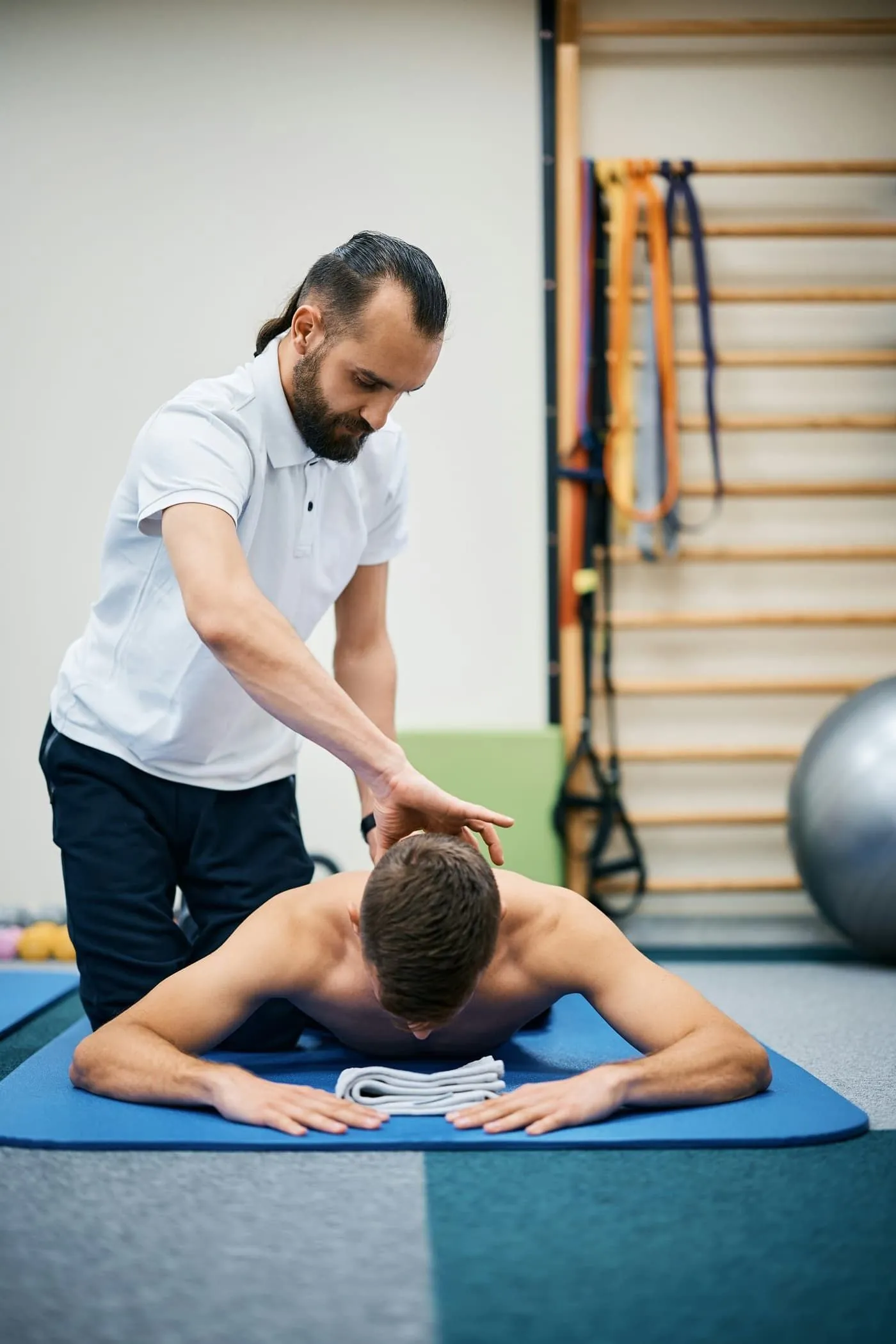
We test practitioner-led video filmed in the clinic, including introductions and service explainers.
That creates a real tension for healthcare practices. The informal, personality-driven tone that TikTok rewards sits uncomfortably alongside the professionalism patients expect from their healthcare provider. Getting that balance right is what separates healthcare TikTok campaigns that generate patient enquiries from ones that just generate views.
Healthcare Video Formats to Test
The format should suit your service and the information people need before enquiring.
Procedure showcases. Short clips showing what a treatment actually involves, filmed from the practitioner's perspective. Dental treatments are particularly strong here because patients are curious about the process but anxious about the unknown. Showing the reality, calmly and professionally, removes barriers.
Team introductions. "Day in the life" content featuring practitioners and clinic staff. These build familiarity before a patient ever walks through the door. For mental health practices especially, seeing the therapist's personality before booking reduces the anxiety that stops people from making that first appointment.
Common questions and misconceptions. Short videos explaining what patients can expect. "What happens at a cosmetic consultation?" "No, root canals aren't the nightmare your aunt described in 2003." These perform well because TikTok's algorithm favours content that generates comments, and health myths generate plenty of debate.
Patient journey content. This one requires careful handling under Ahpra. You cannot use patient testimonials in advertising. You cannot show before-and-after imagery that implies guaranteed outcomes. But you can create content that walks through the general stages of a treatment journey, what to expect at each appointment, recovery timelines, and common questions. Done well, this builds trust without crossing regulatory lines.
Ahpra Compliance on TikTok Is Non-Negotiable
Ahpra's advertising guidelines apply to TikTok the same way they apply to every other channel. The informal nature of the platform doesn't create an exemption. If anything, TikTok's casual format makes compliance harder because the line between organic content and advertising blurs quickly, particularly with Spark Ads.
The high-risk areas on TikTok are specific and predictable. Before-and-after content is restricted. You cannot present sequential imagery that implies a guaranteed therapeutic outcome. Patient testimonials cannot be used in advertising regulated health services. Therapeutic claims ("this treatment will fix your anxiety") are off-limits. And the title "surgeon" is restricted to medical practitioners with specialist registration in surgery, obstetrics and gynaecology, or ophthalmology.
We review every piece of TikTok creative against these guidelines before it goes live. The platform's content review process catches some violations, but it misses plenty. TikTok's own health misinformation policies add another layer. They'll restrict or remove content they classify as misleading health advice, even if it's clinically accurate. We've had factually correct videos flagged because TikTok's automated review didn't distinguish between a qualified practitioner explaining a treatment and a random user making health claims. Knowing how to navigate both Ahpra and TikTok's own moderation is part of the job.
Spark Ads: The Healthcare TikTok Strategy Most Agencies Miss
Spark Ads are TikTok's format for boosting organic content as a paid ad. Instead of creating a separate ad unit, you take an existing TikTok post that's already performing well and put paid spend behind it. The post keeps its original engagement metrics, comments, and shares, which means it looks and feels organic even when it's being distributed as an ad.
For healthcare, this is significant. Patients scroll past content that looks like an ad. They stop for content that looks like a real person talking about something interesting. Spark Ads let you have both: the authenticity of organic content with the targeting precision of paid advertising.
We use Spark Ads as the primary paid format for most of our healthcare TikTok clients. The workflow is straightforward. The practice creates organic content, either independently or with our creative guidance. We monitor which posts gain early traction. The ones that resonate get Spark Ad spend behind them, targeted to the demographics and locations that match the practice's patient profile.
TikTok's Audience Isn't Who You Think
The assumption that TikTok is a platform for teenagers stopped being accurate around 2021. The fastest-growing demographic on TikTok in Australia is 25 to 44. These are adults making their own healthcare decisions, choosing their own providers, and increasingly turning to social media for health information before they turn to Google.
For cosmetic clinics, this is the sweet spot. Patients in their late twenties and thirties researching injectables, skin treatments, and cosmetic procedures are active TikTok users. They're watching procedure videos, following practitioners they trust, and forming opinions about clinics long before they book a consultation. If your practice isn't visible on the platform, you're invisible during a critical part of their decision-making process.
For fertility clinics, TikTok has become an unexpectedly powerful channel. Fertility journeys are emotionally charged, and the platform's culture of sharing personal experiences creates genuine connection opportunities. You can't use patient testimonials in paid advertising, but you can create educational content about what IVF actually involves, common timelines, and what questions to ask at a first consultation. That content reaches people at an emotional time, and when it's done with care, it builds the kind of trust that drives referrals.
Mental health is similar. The 25 to 40 demographic is more open about mental health than any previous generation, and they're actively searching for therapists who feel approachable. A psychologist who posts a 45-second video explaining what actually happens in a first session removes the biggest barrier most new patients face: not knowing what to expect.
Understanding Campaign Attribution
The challenge is attribution. TikTok drives awareness and consideration, but the conversion often happens somewhere else. A patient sees your TikTok content, remembers your clinic name, and searches for you on Google three days later. Google Ads or organic search gets the credit for that conversion. TikTok gets none. This makes TikTok look like it's underperforming in a last-click attribution model even when it's doing the heavy lifting at the top of the funnel.
We address this by building measurement frameworks that account for TikTok's role as an awareness channel. We track branded search volume increases after TikTok campaigns launch, monitor direct traffic spikes that correlate with ad spend, and use post-consultation surveys to ask patients where they first heard about the practice. None of this is as clean as a Google Ads conversion pixel, but it gives a far more accurate picture of what TikTok is actually contributing to patient acquisition.
Is TikTok Right for Your Practice?
We assess every prospective TikTok client against three criteria before we recommend spending money on the platform.
First, demographics. If your patient base skews over 50, TikTok isn't the right channel. If you're targeting 25 to 44, it probably is.
Second, visual or emotional fit. Services that are visually interesting (cosmetic procedures, dental transformations) or emotionally resonant (mental health, fertility) perform well. Services that are administrative or clinical without a visual element (occupational health assessments, sleep studies) rarely justify the investment.
Third, willingness to create content. TikTok requires video. Not polished video, but regular, authentic video. If no one at the practice is willing to appear on camera, or if the compliance environment around your specific services makes video content too restrictive, other channels will serve you better.
We'll tell you honestly if TikTok isn't the right fit. We'd rather direct your budget to Meta or Google Ads where it'll generate measurable returns than run a TikTok program that looks good in a dashboard but doesn't put patients in chairs.