Design layer
Custom Built for Your Organisation
We plan your website around your services, day-to-day operations and the people who need to find and contact you.
- Custom built websites
- Custom booking and enquiry flows
- Content your team can manage


Digital Presence
Website DesignConversion-built clinic sites Landing PagesHigh-intent campaign pages Healthcare SEORank for the right patients Content MarketingAuthority that compounds Social Media ManagementAlways-on, on-brand presencePaid Advertising
Google AdsDemand capture at scale Meta AdsFacebook & Instagram demand TikTok AdsReach younger patient cohorts LinkedIn AdsB2B & referrer targeting ChatGPT Ads NewEmerging AI-search placementsFull-funnel healthcare growth, engineered end to end.
Book a strategy callRegulated Healthcare
Medical Practices & GP Clinics Telehealth Clinics Medicinal Cannabis Clinics Weight Management Clinics Peptide Clinics HospitalsAllied Health & Care
Allied HealthEvery corner of Australian healthcare, one specialist team.
View sector results
Healthcare Website Design
Custom built healthcare websites with booking flows, content management and enquiry tracking shaped around your practice. We plan integrations and review advertising content as part of the build.
100+
Healthcare Clients44,581
Tracked enquiries generated in 2025100%
Healthcare FocusWorking with MMG
Assess the design, content, development and support your practice needs.
What shapes your quote: Page count, content requirements, integrations, custom functionality, migration and ongoing hosting or support.
Trusted by 100 + healthcare practices and medical clinics across Australia






As featured in






Why Choose Us
Every layout decision informed by data from 100+ healthcare websites. We know where to place calls-to-action, how to structure information, and what pathways turn visitors into bookings.
GA4, GTM, Google Ads, Meta Pixel, TikTok Pixel, and server-side Conversions API configured to work in tandem. Event deduplication and enhanced conversions to improve measurement where privacy settings, the platforms and your systems support it.
Custom built websites with content editing, booking flows and integrations planned around your team and services.
Integration with Cliniko, HotDoc, Splose, Halaxy, HealthEngine, Medirecords, Nookal, and more. Connect enquiries and bookings where your systems support it.
End-to-end tracking from first click to booked appointment. Know exactly which campaign, ad set, and keyword delivered each patient to your door.
Compliance baked into every page from the first wireframe. Ahpra advertising guidelines, TGA requirements, and platform policies considered at every stage.
The Full Digital Ecosystem
We engineer enquiry management infrastructure. Every system connected. Every conversion tracked. Every dollar accounted for.
Your website, enquiries and bookings working together.
We plan your website around your services, day-to-day operations and the people who need to find and contact you.
See which campaigns contribute to enquiries and bookings, using the information your systems can reliably provide.
Campaign sourceEnquiry receivedBooking confirmed› Enquiry recorded
› Booking checked
● Clearer reporting
Enquiries move into the systems your team already uses, without copy-and-paste admin.
Source, campaign, creative and keyword stay attached from first click through to appointment.
Live availability, pre-screening and low-friction booking paths turn intent into action.
Four controls applied to every build.
Lean front ends, responsive media and edge delivery keep the experience fast on real devices.
Core Web Vitals engineered inClaims, testimonials, imagery and treatment language are considered before a layout is approved.
Regulatory review layerClear page layouts, service information and forms help visitors find answers and make an enquiry.
Observe · test · refineSemantic structure, schema, internal links and crawl controls give search engines a clean system.
Render · index · understandSecure handoffs keep forms, booking platforms, CRMs and reporting in sync.
Managed delivery, monitoring, backups and deployment workflows built around continuity.
One view connects traffic, patient intent and commercial outcomes, so reporting answers what changed and what happens next.
Our in-house design and development team builds websites around how people enquire and book. We check the booking, intake and practice software connections your team needs before planning the site.





Our Process
A proven approach to healthcare marketing that gets you from strategy to results. No fluff, no delays, just measurable patient acquisition.
We review your current systems, map the enquiry and booking journey, and agree the website features, integrations and tracking requirements before development.
We wireframe every conversion pathway: ad landing to booking, organic entry to enquiry, return visit to re-engagement. Every page has a job. Every element earns its place.
Design that reflects your practice and builds trust with your patients. We consider colour psychology, photography, and typography specifically for healthcare audiences.
We build the site and connect every system: GA4, Meta Pixel, CAPI, CRM, booking engine, UTM tracking. Performance, WCAG accessibility, compliance, and tracking validated before launch.
We launch with full analytics in place from day one. Real-time dashboards show lead volume, cost per acquisition, and conversion rates. We monitor, iterate, and optimise based on real data.
In-Depth
Healthcare website design is not web design with a stethoscope graphic swapped in. It is a different discipline with different constraints, different user psychology, and different technical requirements. We have built websites for over a hundred healthcare practices across Australia including GP clinics, allied health practices, dental surgeries, NDIS providers, cosmetic clinics, and specialist rooms. The lessons from those builds have shaped how we approach every new project. What follows is what we have learnt about what actually works, what fails, and why most healthcare practices end up with websites that look fine but underperform badly.
A patient visiting a healthcare website is not the same as a consumer shopping for shoes. They are often anxious, sometimes in pain, frequently confused about what they need, and almost always comparing you against two or three other practices they found in the same Google search. The design decisions that convert an e-commerce shopper (bold countdown timers, urgency language, aggressive pop-ups) will actively repel a patient who is already nervous about making an appointment.
Medical practice website design needs to account for this psychology from the first wireframe. Clear navigation that answers the three questions every patient has within seconds: what do you treat, where are you, and how do I book? Team pages with real photos and real credentials, because patients want to know who they will see before they walk in. Service pages written in plain language that acknowledges uncertainty and explains what the first appointment actually involves. And booking systems that connect directly to your practice diary through systems like Cliniko, Halaxy, Best Practice, Zedmed, Dental4Windows, Praktika, Genie Solutions, or MedicalDirector, not a generic contact form that sits in someone's inbox until Monday.
Then there is the compliance layer. Ahpra's advertising guidelines apply to your website as much as they apply to your Google Ads. Before-and-after imagery needs matched conditions, no enhancement, and appropriate clinical context. Testimonials about clinical outcomes are restricted. Claims like 'the best', 'painless', or 'guaranteed results' are regulatory red flags. A website built by a generalist agency that does not know these rules is a compliance liability from day one.
Website design for doctors has a specific set of requirements that generalist web designers consistently miss. A GP practice website needs to communicate bulk billing arrangements, Medicare eligibility, and after-hours availability within the first scroll. A specialist practice needs clear referral pathways for GPs alongside patient-facing content. A multi-practitioner clinic needs individual profile pages that rank independently in search while still funnelling bookings through a centralised system.
We build medical practice websites around the patient's actual decision process, not the practice owner's wish list. That means the homepage leads with location, opening hours, and a booking button, not a mission statement. Service pages answer the questions patients are Googling: 'do I need a referral?', 'what does a skin check involve?', 'do you bulk bill?'. The booking integration connects to the practice management system so patients can see real availability and self-schedule without calling reception. We have built these integrations across Best Practice, MedicalDirector, Cliniko, Halaxy, HotDoc, and HealthEngine, and the technical details matter more than most practices realise.
Mobile-first design is non-negotiable for medical practice websites. Most patients searching for a GP or specialist are on their phone. If your site loads slowly on mobile, has tiny tap targets, or forces patients to pinch-zoom to read your services, you are losing bookings to the practice down the road whose site works properly on a phone. We design and test on actual mobile devices, not just browser emulators, and we optimise for Core Web Vitals scores that directly affect your Google rankings for local healthcare searches.
Allied health website design covers physiotherapy, psychology, chiropractic, occupational therapy, speech pathology, podiatry, exercise physiology, dietetics, and osteopathy. Each has specific requirements, but the conversion fundamentals are the same: patients need to understand what you treat, see who will treat them, and book without friction.
Allied health practices face a particular challenge around funding pathways. A patient arriving at your site might be self-funding, using a Medicare chronic disease management plan, claiming through their private health insurance, funded through NDIS, covered by WorkCover or DVA, or accessing an EAP program through their employer. Your website needs to communicate which of these you accept and what the out-of-pocket cost looks like, without listing specific dollar amounts that change every July. We structure this information so it is clear, findable, and does not create administrative headaches when fees are updated.
For multi-disciplinary allied health clinics, the website architecture gets more complex. A clinic offering physio, OT, speech, psychology, and exercise physiology needs service pages for each discipline, condition pages that cross-reference between disciplines, team pages grouped by specialisation, and booking flows that route patients to the right clinician. We have built sites for allied health practices ranging from solo practitioners to 40-clinician multidisciplinary centres, and the information architecture is where most builds go wrong.
Website design for dentists requires a specific understanding of dental patient psychology. Dental anxiety is one of the strongest conversion barriers in healthcare. A dental website that leads with clinical imagery, sterile-looking photography, or aggressive 'book now' messaging will push anxious patients away before they read a word of your content.
Effective dental website design uses warm, welcoming photography of the actual practice and team. It explains what a first visit involves in plain language. It presents treatment options including implants, Invisalign, cosmetic dentistry, and general check-ups on dedicated pages that answer the real questions patients have. And it handles before-and-after case galleries within Ahpra's strict rules around sequential imagery in advertising. We integrate with dental-specific practice management systems including Dental4Windows, Praktika, and Core Practice, and we build online booking flows that let patients self-schedule into the right appointment type with the right dentist.
NDIS website design serves a fundamentally different audience than most healthcare sites. NDIS participants, their families, plan managers, and support coordinators are all looking for different information. A participant wants to know what services you offer under their plan and whether you operate in their area. A support coordinator wants to vet your credentials, check your capacity, and make a referral in under two minutes. Your website needs to serve both audiences without confusing either.
We build NDIS provider websites with clear service categorisation mapped to NDIS plan line items (core supports, capacity building, improved daily living, community participation) so coordinators can quickly match your offerings to their participant's plan. We include NDIS registration details, service areas, intake process information, and direct booking or enquiry pathways that reduce the back-and-forth that slows down service agreements. This approach has proven effective for NDIS providers across disability support, allied health, plan management, and support coordination.
Healthcare website CRO (conversion rate optimisation) is the work of turning more of your existing website visitors into booked appointments. We assess how effectively your website turns relevant visits into enquiries and bookings, then improve the points where people drop out.
The conversion killers we find most often on healthcare sites are buried booking buttons that require three or four clicks to reach, generic stock photography that feels impersonal, service pages so thin they do not answer basic patient questions, no clear indication of accepted payment methods or health funds, slow load times that cause mobile users to bounce before the page renders, and booking systems that are really just contact forms with no connection to the practice diary. Fixing these issues does not require a full rebuild. Sometimes it is a focused CRO program that addresses the highest-impact problems first and measures the result against a baseline.
We run healthcare CRO programs that start with heatmap and session recording analysis to see where patients actually drop off, then prioritise fixes by estimated impact. A/B testing on healthcare sites requires patience because traffic volumes are lower than e-commerce, but the gains compound. A two-percentage-point increase in conversion rate on a site getting 3,000 monthly visitors from Google Ads means 60 additional patient enquiries per month from the same ad spend.
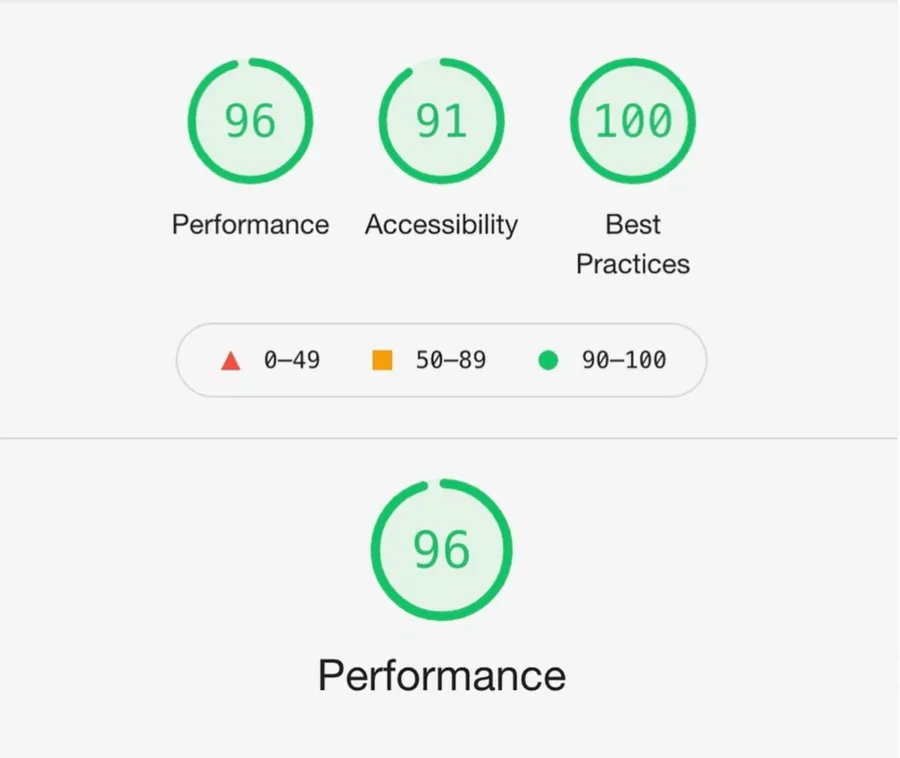
WCAG 2.2 AA accessibility compliance is particularly relevant for healthcare websites. Your patients include people with visual impairments, motor disabilities, cognitive differences, and temporary impairments from illness or injury. An inaccessible website is not just a legal risk under the Disability Discrimination Act. It is a barrier to care for the patients who need you most. We plan accessibility requirements with you and test the agreed standard before launch, covering colour contrast, keyboard navigation, screen reader compatibility, form labelling, and alt text on all imagery.
Trust signals on healthcare websites go beyond the generic 'as seen on' logos that consumer sites rely on. Healthcare patients look for practitioner registration numbers, practice accreditation badges (AGPAL, QIP, GPA), professional association memberships, team qualifications and areas of interest, and Google review ratings embedded on the site. These are the signals that tell an anxious patient 'this is a real practice with qualified people' before they commit to picking up the phone. We build these into the design as structural elements, not afterthoughts tucked into the footer.
Ahpra compliance on the website itself requires ongoing attention, not just a one-time review. Content changes, new team members, updated service descriptions, and blog posts all need to stay within the advertising guidelines. We build content management systems that make it easy for practice staff to update content while maintaining compliance guardrails: pre-approved template structures, guidance notes on claim language, and flagging systems for content that needs review before publication.
The real value of a healthcare website sits in how it connects to the systems your practice already runs. A website that generates enquiries through a contact form creates manual work for your reception team, introduces delays between enquiry and response, and loses patients to practices that let them self-book immediately. Proper integration means the website talks directly to your practice management system.
We have built integrations with Cliniko, Halaxy, Best Practice, Zedmed, Dental4Windows, Praktika, Genie Solutions, MedicalDirector, HotDoc, HealthEngine, Nookal, Splose, Power Diary, and Mindbody. Each system has its own API quirks, authentication methods, and limitations. Cliniko's API handles online booking well but has specific requirements around appointment type mapping. Best Practice and Zedmed require middleware solutions because they were not built with web integration in mind. HotDoc and HealthEngine provide widget-based booking but limit design customisation. We know which integration approach works for each system because we have done it dozens of times.
Beyond booking, we connect websites to patient portal systems for existing patients, telehealth booking flows for remote consultations, automated appointment reminders, review generation workflows triggered post-appointment, and marketing automation systems that nurture enquiries who do not book immediately. The website becomes the front door to an interconnected system rather than a standalone brochure.
We plan each website around the practice using it. That includes the pages patients need, how your team updates content, and how enquiries and bookings reach the right person.
Where the brief calls for it, we can include location-specific booking flows, practitioner profiles, calculators and integrations with your existing systems. We confirm what each system supports before agreeing the scope.
Mobile usability, accessibility, loading performance and ongoing maintenance are part of that planning. The build should support your day-to-day work as well as your marketing.
Healthcare website design and healthcare website development are often used interchangeably, but they refer to different disciplines that both need to be done well. Design covers the visual and structural decisions: layout, colour, typography, imagery, and the user experience that guides patients from first visit to booked appointment. Development covers the technical build: performance optimisation, practice management system integration, conversion tracking infrastructure, accessibility compliance, and the code that makes everything work reliably across devices and browsers.
Most healthcare website projects fail because the design and development are handled by different teams with different priorities, or because a generalist agency does the design well but lacks the technical depth for healthcare-specific development requirements. Integrating with Cliniko's API is a development challenge. Building a WCAG-compliant booking flow that connects to Dental4Windows is a development challenge. Configuring server-side Conversions API for Meta alongside GA4 event tracking without duplication is a development challenge. These are not things a designer can solve with a prettier layout.
We handle both disciplines in-house because healthcare website projects require them to work together from the first wireframe. The design decisions inform the development architecture, and the development capabilities shape what the design can deliver. Separating them creates friction, delays, and compromises that show up in the finished site's performance and conversion rates.
Choosing a medical website design agency is a decision that affects your practice for years. The website is the foundation every other marketing channel builds on. Your Google Ads land on it. Your SEO depends on it. Your social media links back to it. Referrers check it before recommending you. Patients decide whether to book based on what they find there.
A medical website design agency should bring more than design skills to the table. They need to understand the clinical environment you operate in, the compliance requirements that govern your content, the practice management systems your team relies on, and the patient psychology that determines whether a visitor converts or bounces. We have built websites across every major healthcare vertical in Australia, and the patterns we have learnt inform every new project.
We build websites for dental practices that address dental anxiety through design and present treatment options within Ahpra guidelines. We build websites for NDIS providers that serve multiple stakeholders, from participants and families through to support coordinators. We build websites for physiotherapy clinics, chiropractic practices, and psychology practices that structure information around conditions, funding pathways, and clinician profiles.
Each vertical has its own requirements, but the principle is the same: the website must convert the specific patients your practice needs, not just look good in a portfolio. When a healthcare website is built with the right SEO foundations, it also becomes the platform for long-term organic growth. Our dental clients pair their websites with dental SEO. Our NDIS clients combine website design with NDIS SEO. Our GP and specialist clients invest in SEO for doctors once their site architecture supports it. The website and SEO are two halves of the same patient acquisition strategy.
We rebuild healthcare websites from generalist agencies regularly. The pattern repeats. The agency builds a good-looking site on a template, adds a generic contact form, calls it done, and moves on to their next e-commerce or hospitality client. Six months later, the practice owner realises the site is not generating enquiries, the SEO is not ranking, the booking system does not connect to the practice diary, there is no conversion tracking, and the content includes language that would make Ahpra uncomfortable.
The fix is not a prettier design. It is bringing actual healthcare knowledge to the build. Website design for medical practices demands someone who understands that a cosmetic surgery practice has completely different design needs to an NDIS provider. Knowing that Cliniko's API handles appointment types differently to Halaxy's. Understanding that Ahpra restricts testimonial use and that before-and-after galleries need specific safeguards. Knowing that mobile speed affects local search rankings. Knowing that anxious patients need a different UX than confident consumers. This is the knowledge that separates a healthcare website agency from a web agency with a healthcare client.
Medical Marketing Results

“We went from launch to $1M ARR in seven weeks.”
Challenge
New telehealth clinic needed rapid patient acquisition and efficient operations to scale in the medical weight loss market.Solution
Full-funnel digital strategy with automated bookings, patient management, and retention-focused campaigns.Results
350 to 6,500 patients in 15 months. $1M ARR in 7 weeks. 90% admin workload reduction through automation.This case study reflects one client's reported results. Some businesses are anonymised at their request for commercial confidentiality. Individual results vary and are not a guarantee of future performance.
Proven performance
44,500+
Tracked enquiries generated in 2025
100+
Healthcare clients
10+
Years of team experience
Ahpra + TGA
Compliant by default
Numbers like these start with one conversation.
Book a free strategy callHealthcare Website Design Results
Results from healthcare websites we have built, shared without client names.


Client Results
Healthcare businesses and service providers share their experience of working with MMG.
Casey and his team have been a true partner, helping to grow the business through successful campaigns. Casey shows high levels of expertise and we've been lucky to have him on board as the 'Marketing Engine'.
We went from 350 to 6,500 patients in under 15 months. Admin load cut by over 90% and patient retention jumped by more than 450%.
They have single-handedly grown my business. We're now turning away $60,000 every week in organic leads. Because, we just don't have the capacity.
 Dr Lauren Crumlish Founder, Speech Clinic
Since going with Casey and his team, we have had nothing but wins. They've got awesome results with low lead costs and have taken the time to really understand our business.
 Chris Jellis Founder, Domain Health
If you're looking for a highly experienced, knowledgeable and ideas-driven marketing agency, look no further. He's helped transform our business from a fairly humble start-up to a fast growing service provider.
 Jack Duke Founder, Care Speech Pathology
Super impressed with his promptness, communication, professionalism, and knowledge of the full suite of digital marketing. You and your team are second to none!
As an experienced health professional I am a hard sceptic. Casey and his team over delivered on my project with an A+ website design having actively listened to every point I was seeking.
Working with Casey and his team was nothing short of exceptional. The final product exceeded all expectations, both visually and functionally. It was a seamless experience from start to finish.
Casey and his team were an absolute lifesaver. They understood exactly what our vision and goals were and did not fall short of delivering an exceptional piece of work.
The communication was quick, clear and easily understandable. They balance patience and efficiency really well, resulting in a superb end product. Highly recommended.
Casey was so empathetic and patient in listening to my ideas. He goes above and beyond. If you want a marketing agency that REALLY wants to help you grow your business, pick Casey and his team.
Excellent company to deal with and their web design is incredible. Would use them again and again.
Swipe for more reviews
Testimonials and results shown are from real clients and reflect their own reported outcomes. Some businesses are anonymised at their request for commercial confidentiality. Individual results vary and are not a guarantee of future performance.

"They have single-handedly grown my business. We're now turning away $60,000 every week in organic leads. Because, we just don't have the capacity."
By Industry
Select your healthcare vertical to see tailored strategies.
Don't see your industry? We've likely worked with businesses like yours.
Talk to us about your practiceFAQ
Still have questions? We're here to help.
Book a free strategy callAdvertising platforms and selected software connections. We check integration options against your systems.